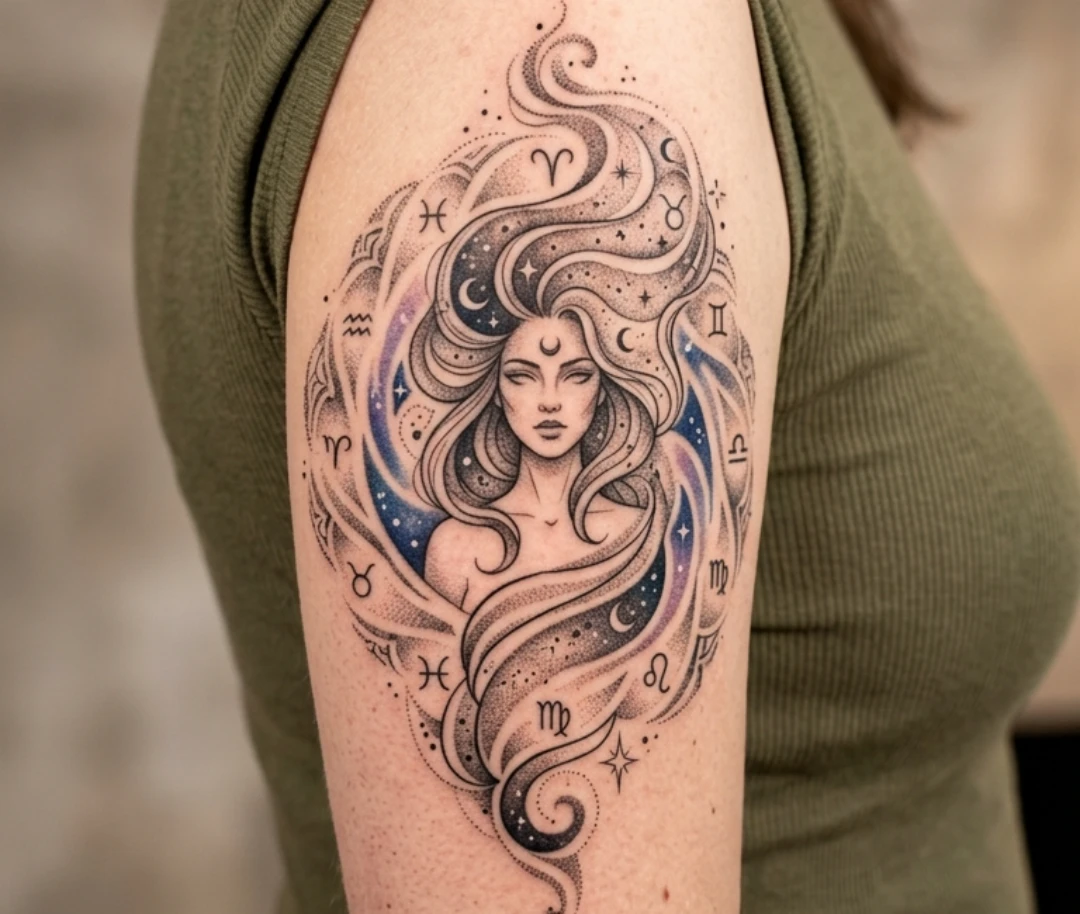
Exploring the July Zodiac Sign Tattoo Trend: Design, Placement, and Meaning
The July zodiac sign tattoo trend centers on individuals born between July 1 and July 22 (Cancer) and those born from July 23 through the end of the month (Leo). Whether choosing the intuitive, water-ruled Crab or the bold, fire-ruled...
The July zodiac sign tattoo trend centers on individuals born between July 1 and July 22 (Cancer) and those born from July 23 through the end of the month (Leo). Whether choosing the intuitive, water-ruled Crab or the bold, fire-ruled Lion, this trend reflects a desire to permanently etch personal astrological identity, character traits, and seasonal symbolism onto the skin through diverse artistic styles ranging from minimalist line work to hyper-realistic portraiture.
Contents
Understanding the July Astrological Landscape
To participate effectively in the July zodiac sign tattoo trend, one must first identify the specific astrological archetype associated with their birth date. July is unique because it bridges the transition from the cardinal water sign of Cancer to the fixed fire sign of Leo.
Cancer: The Intuitive Protector (July 1 – July 22)
Cancer is governed by the Moon, making it a sign deeply associated with emotional depth, home, family, and intuition. The symbolic representation is the Crab. Tattoo designs for Cancers often incorporate lunar phases, soft ethereal clouds, ocean waves, or protective shell motifs. Because this sign is linked to the "mothering" instinct, many designs emphasize curves, softness, and flowing lines rather than aggressive, sharp geometric shapes.
Leo: The Radiant Leader (July 23 – July 31)
Leo is ruled by the Sun, representing vitality, creativity, passion, and natural leadership. The symbol is the Lion. Tattoos for July-born Leos frequently feature the mane of the lion, sunburst patterns, gold-tone aesthetic elements, or celestial representations of the heart—the anatomical part Leo governs. These tattoos often lean toward bold, high-contrast black-and-grey work or vibrant, warm-toned color palettes.
Key Design Considerations and Stylistic Approaches
The aesthetic trajectory of the July zodiac trend in 2026 favors personalization. A zodiac tattoo is no longer merely a generic glyph or a clip-art animal; it has evolved into a bespoke piece of art that blends traditional symbolism with contemporary design movements.
Micro-Realism and Fine Line Work
Fine-line tattooing has dominated the industry over the past few years, and for 2026, it remains the gold standard for zodiac ink. This technique uses a single needle to create intricate, delicate designs that appear almost like pencil sketches on the skin. For a Cancer-born individual, this might manifest as a tiny, anatomically accurate crab rendered in dot-work. For Leos, it could be a minimalist, stylized lion silhouette utilizing negative space.
Symbolic Integration
Beyond the literal crab or lion, many enthusiasts are opting for indirect symbolism. This includes:
- The Constellation: Representing the stars that form Cancer or Leo in the night sky.
- Elemental Motifs: Incorporating water ripples for Cancer or flame motifs for Leo.
- The Ruling Planet/Luminaries: Adding a stylized moon for Cancers or a sun for Leos to anchor the design in planetary significance.
Selecting Placement for Longevity and Impact
Placement is a critical factor in how a tattoo ages and how it reflects the wearer's personality. When choosing a location, consider the visibility of the design and the curvature of your anatomy.
| Placement Area | Best For | Technical Considerations |
|---|---|---|
| Inner Forearm | Visible, detailed designs | Lower pain; good for vertical constellation layouts. |
| Ribcage/Side | Large, flowing imagery | Higher pain; allows for expansive, horizontal compositions. |
| Back of Neck | Minimalist glyphs | Highly concealable; avoids joint-flexing movement. |
| Wrist/Ankle | Small, micro-tattoos | High friction areas; may require more frequent touch-ups. |
| Upper Back/Shoulder | Bold lion portraits | Provides a large, stable canvas for shading and depth. |
For smaller, delicate pieces, the inner wrist or the side of the finger has become increasingly popular in 2026. However, it is essential to discuss "healing fade" with your artist; hands and feet typically shed skin faster than other areas, which can cause fine-line work to lose clarity over time.
Preparing for Your Appointment: A Checklist
Securing a high-quality tattoo requires more than just picking a design from an internet search. It requires professional communication and adherence to health and safety standards.
- Portfolio Review: Do not choose an artist based solely on proximity. Search for specialists in "fine line," "black and grey," or "illustrative" styles. Ensure their portfolio shows healed tattoos, not just fresh ones.
- Consultation: Schedule a meeting to discuss the size, placement, and complexity of your July zodiac tattoo. A professional artist will advise on whether your chosen design will stand the test of time or bleed together as the skin ages.
- Health Precautions: Ensure you are well-rested and hydrated. Avoid alcohol for 24 hours prior to the session, as it can thin the blood and complicate the tattooing process.
- Budgeting: Quality tattoo work in 2026 is priced per piece or by the hour. Expect to pay a premium for artists who specialize in custom illustrative zodiac work. Remember that a tip (usually 15–20% of the total cost) is customary for high-quality service.
Addressing Common Myths and Mistakes
A frequent mistake in the zodiac tattoo trend is failing to account for the "transition zone." Many people born near the cusp (the border between two signs) assume they possess the traits of both. While personality is complex, astrology assigns only one sign to a specific birth minute. If you were born on the cusp, consult a verified astrological chart based on your exact birth time to confirm your sign before permanently tattooing it.
Another misconception is that zodiac tattoos must be monochromatic. While black-and-grey is classic, modern ink technology allows for subtle highlights of blue (for Cancer) or gold/orange (for Leo) to provide depth. Consult your artist about using "muted" colors, which tend to age better than neon or overly vibrant pigments.
FAQ: Frequently Asked Questions
What is the most popular style for zodiac tattoos in 2026? Fine-line and micro-realism currently dominate. These styles prioritize elegance and precision, allowing the tattoo to serve as a discreet personal statement rather than a large, billboard-style design.
Do zodiac tattoos hurt significantly? Pain is subjective, but areas with less muscle and fat—such as the ribs, collarbone, and ankles—tend to be more sensitive. The forearm and outer thigh are generally considered the most comfortable spots for first-time clients.
Can I combine my zodiac sign with other symbols? Yes. Integration is a major part of the 2026 trend. Many people combine their zodiac symbol with birth flowers (July’s flowers are the Larkspur and the Water Lily) or birthstones for a more comprehensive personal representation.
How do I prevent my tattoo from fading? Sun protection is the most important factor. Always apply a high-SPF sunscreen to your tattoo once it has fully healed. Exposure to UV rays is the primary cause of ink degradation over time.
What should I do if my artist is booked out for months? Patience is a sign of a good artist. High-demand professionals are often booked for weeks or months. Use this time to refine your design, source reference images, and ensure the placement feels right for your lifestyle.
Next Actions
To successfully join the July zodiac tattoo trend, begin by gathering reference materials that reflect your personal aesthetic. Look for photos of fine-line work or illustrative designs that resonate with you, and save them in a curated folder. Once you have a clear visual direction, use a platform like Instagram or dedicated local studio websites to find artists who specialize in that specific style. Once you have shortlisted your artist, book a consultation rather than a tattoo session; this ensures that you and the professional are fully aligned on the scope of the project before the ink touches your skin.
Image Gallery