Understanding Jens Haaning Artwork: Conceptual Provocation and Legal Precedent
Jens Haaning is a Danish conceptual artist whose work primarily investigates power structures, economic systems, and the socio-political implications of labor. He is best known for "Take the Money and Run," a 2021 project where he util...
Jens Haaning is a Danish conceptual artist whose work primarily investigates power structures, economic systems, and the socio-political implications of labor. He is best known for "Take the Money and Run," a 2021 project where he utilized funds provided by an art institution to create a new work, only to return empty frames, initiating a significant legal debate regarding artistic autonomy and contractual obligations within the contemporary art market.
Contents
The Artistic Philosophy of Jens Haaning
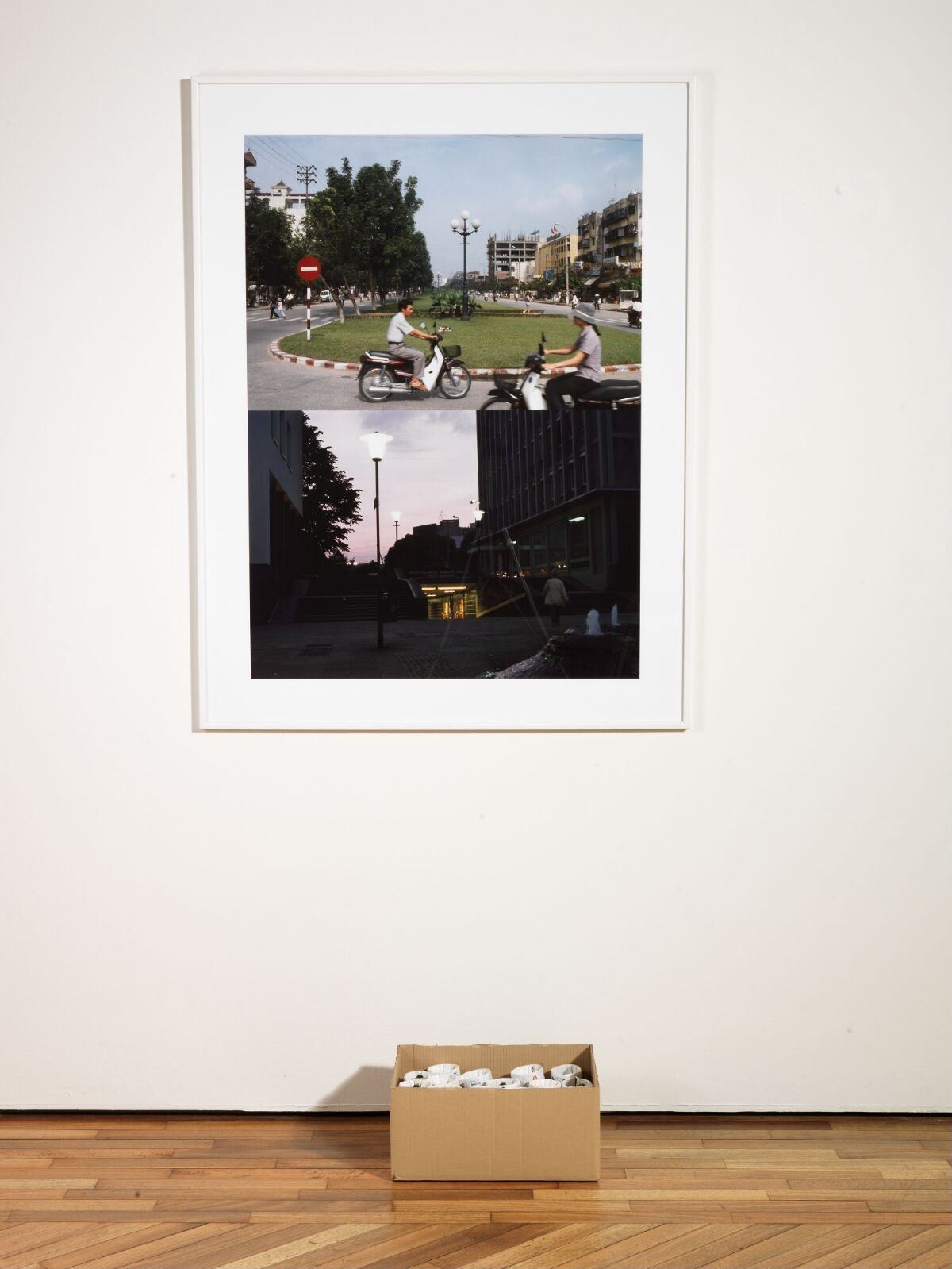
Jens Haaning’s practice is firmly rooted in institutional critique, a branch of conceptual art that examines the policies, structures, and economic foundations of art museums and galleries. Since the 1990s, his work has consistently challenged the boundaries of what constitutes "artwork." Rather than focusing on aesthetic craftsmanship or traditional visual mastery, Haaning’s output often involves the rearrangement of existing social or economic conditions.
A central theme in his career is the intersection of migration, social exclusion, and labor. Early works often highlighted the marginalization of immigrant communities in Denmark, frequently using sound installations or signage to bring systemic issues into the public gallery space. By shifting the focus from the artist’s hand to the artist’s role as a mediator of social realities, Haaning forces viewers to consider how institutional spaces define value and legitimacy. His work often relies on the "readymade" concept, where the artist identifies an object or a situation already existing in the world and, by placing it in an art context, forces the audience to re-evaluate its meaning.
Analyzing the "Take the Money and Run" Controversy
In 2021, the Kunsten Museum of Modern Art in Aalborg, Denmark, commissioned Haaning to recreate two of his earlier works involving cash. The museum provided approximately 532,000 Danish kroner (roughly $84,000 USD at the time) to represent the average annual incomes in Denmark and Austria, intending for the artist to frame the currency as part of an exhibition on labor.
Instead of displaying the money, Haaning sent the museum two blank canvases titled Take the Money and Run. He argued that his act of keeping the funds was, in itself, the artwork—a commentary on the low compensation offered by the institution for the labor required to produce the commissioned pieces. This intervention created a fundamental conflict between artistic intent and contractual compliance.
The Legal and Ethical Dimensions
The ensuing litigation centered on whether a contract between an artist and an institution is binding in a way that limits the artist's conceptual freedom. In 2023, a Copenhagen court ruled that Haaning had breached his contract. He was ordered to repay the museum a significant portion of the money, though the court acknowledged the conceptual weight of his actions. This case remains a landmark in contemporary law concerning art, illustrating the tension between the legal reality of a service contract and the perceived "freedom" of conceptual art.
Impact on the Contemporary Art Market
The fallout from Haaning’s 2021 project highlights systemic issues within the art world, specifically regarding compensation and institutional power. Artists are often asked to provide significant labor—managing budgets, sourcing materials, and installing complex works—for fees that are frequently disproportionate to the scale of the institutions they serve.
For the reader interested in contemporary art, understanding Haaning’s work requires looking beyond the scandal to the underlying critique:
- Labor Devaluation: The artist’s protest highlights how art institutions often view the cost of materials as separate from the cost of the artist’s time and expertise.
- Institutional Legitimacy: The museum’s decision to pursue legal action showcased how institutions protect their capital, inadvertently providing the artist with a platform to prove his point about economic power dynamics.
- The Definition of Value: The act of returning blank frames challenged the market to define if the "art" resides in the physical object or the narrative surrounding the exchange of funds.
Comparing Conceptual Interventions
To better understand where Haaning’s work fits into the broader history of art, it is useful to compare his methods with other historical and contemporary practitioners who have challenged the status quo.
| Artist | Methodology | Primary Focus |
|---|---|---|
| Jens Haaning | Institutional non-compliance | Economic power and labor value |
| Marcel Duchamp | The "Readymade" | Redefining art vs. object |
| Hans Haacke | Data-driven critique | Corporate and political ties of museums |
| Maurizio Cattelan | Satirical subversion | Market commodification of art |
While Duchamp changed the definition of art through objects, Haaning changes the definition of art through transactions. His work functions as a mirror, forcing curators, collectors, and the public to confront the financial realities that usually remain hidden behind the aesthetic presentation of gallery exhibitions.
Addressing Common Questions
Is Jens Haaning’s work still considered "valuable" after the lawsuit?
Yes, the controversy surrounding his work has arguably increased its market profile. In the art market, notoriety often functions as a component of value. The documentation of the Take the Money and Run project, including the legal filings and the blank canvases, is now firmly established in the canon of 21st-century conceptualism.
Does the artist’s legal defeat invalidate his artwork?
From a strictly legal standpoint, the ruling established that Haaning breached his contract. From an art-historical standpoint, the legal proceedings became part of the work itself. Conceptual art often thrives on conflict; the fact that a court of law was required to engage with the artist’s premise reinforces the significance of his critique regarding institutional authority.
Where can I view his work today?
Haaning’s works are held in various private and public collections, primarily in Northern Europe. While major pieces like Take the Money and Run have been subjects of media coverage and institutional debate, retrospective exhibitions or group shows in Denmark often feature his earlier, non-litigious work. Prospective viewers should check the exhibition schedules of major Danish museums such as the Louisiana Museum of Modern Art or Kunsten.
How does his work differ from traditional painting or sculpture?
His work relies on the "concept" over the "object." While a traditional painter invests time into the mastery of brushwork or form, Haaning invests time into the planning of a provocation. The physical result is often secondary to the intellectual proposition being presented to the public.
The Future of Institutional Contracts
As of 2026, the case of Jens Haaning continues to influence how institutions draft agreements with artists. There is an increasing trend toward more transparent communication regarding compensation, budget management, and the definition of artistic deliverables. His work serves as a persistent reminder that the relationship between the creator and the curator is not just professional, but political.
For those looking to engage with this topic further, it is recommended to review the exhibition catalogs from the museums that have hosted his work. These documents often contain essays that analyze his trajectory from the 1990s to the present, providing a much deeper context than news reports focused solely on the financial dispute.
For students or collectors interested in the intersection of law and art, the Haaning case is a foundational text on the limitations of agency. When entering into contracts, both parties must be explicitly clear regarding the boundaries of artistic autonomy. Haaning’s work demonstrates that when these boundaries are ignored or misunderstood, the resulting friction can fundamentally alter the career of the artist and the reputation of the institution.
Image Gallery