How Sentinel Pest Management Protects Your Home
Sentinel pest management protects your home by utilizing an integrated, multi-layered approach that prioritizes long-term prevention, early detection, and targeted intervention over reactionary chemical applications. By combining struc...
Sentinel pest management protects your home by utilizing an integrated, multi-layered approach that prioritizes long-term prevention, early detection, and targeted intervention over reactionary chemical applications. By combining structural inspections, monitoring devices, and habitat modification, these programs create a defensive perimeter that disrupts the life cycles of common household pests before they escalate into infestations.
Contents
The Philosophy of Integrated Pest Management (IPM)
At the heart of the "Sentinel" approach is the methodology of Integrated Pest Management (IPM). Unlike traditional pest control, which may rely solely on the scheduled application of pesticides regardless of current activity, IPM is evidence-based. This system is designed to identify the "why" behind an infestation—such as moisture accumulation, structural gaps, or food sources—and address those root causes.
When a professional pest management service implements a Sentinel-style program, they transition the homeowner from a state of emergency response to one of active management. This reduces the total volume of chemicals introduced into the home environment, as treatments are applied only when monitoring reveals a threshold of pest activity has been reached or exceeded.
The Role of Perimeter Defense and Exclusion
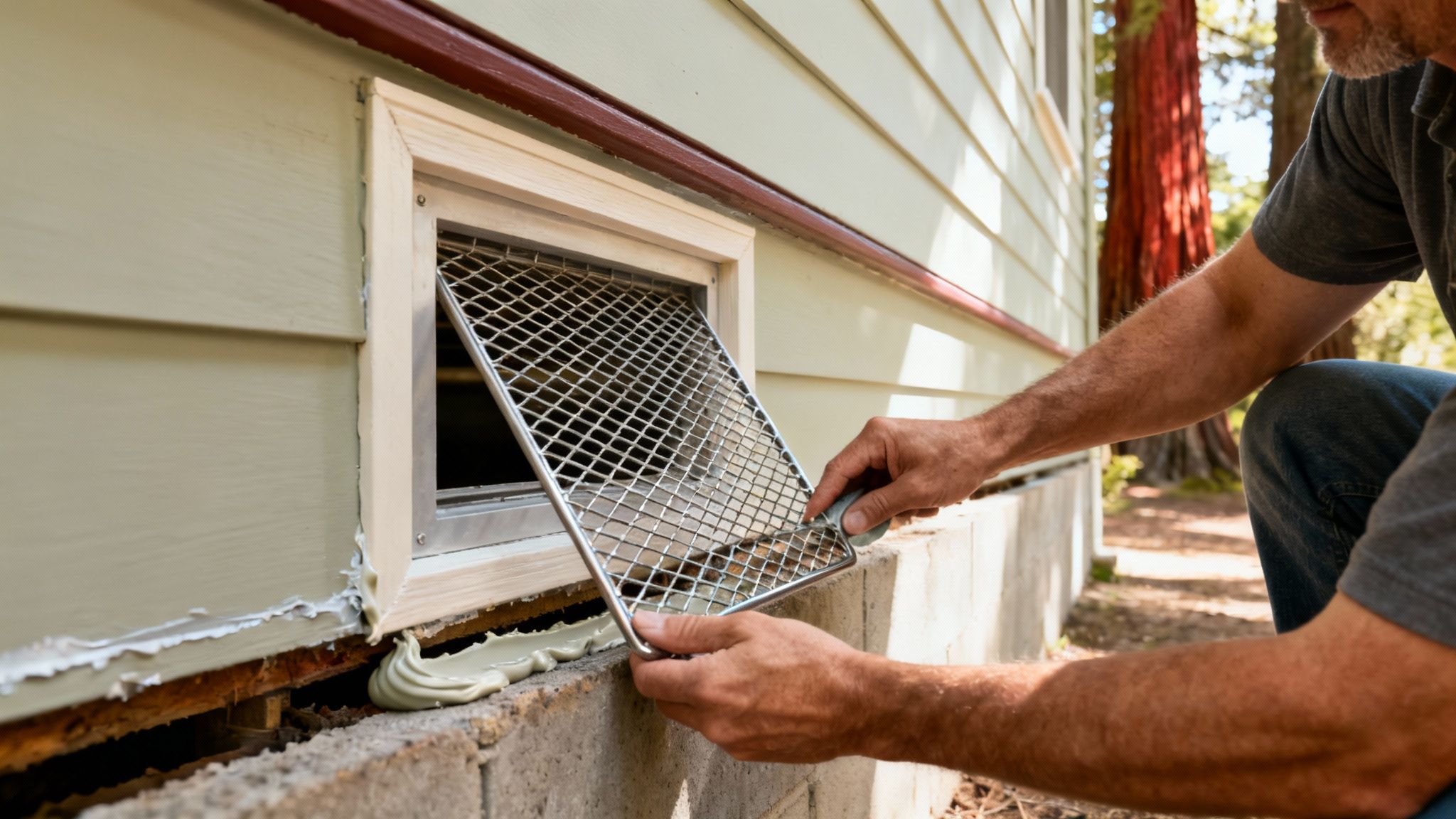
One of the most effective ways Sentinel-style management protects a residence is through mechanical exclusion. Pests like rodents, ants, and cockroaches require a point of entry to establish a foothold. A thorough inspection program focuses on identifying these vulnerabilities, which often go unnoticed by the average homeowner.
Common areas of vulnerability include:
- Utility Penetrations: Gaps around pipes where they enter the foundation or siding.
- Door Sweeps: Worn-out seals at the base of exterior doors that allow for insect ingress.
- Roofline Vents: Improperly screened attic vents that allow rodents or stinging insects access to the interior of the home.
- Vegetation Overhang: Tree branches or shrubs touching the structure, providing a bridge for pests to bypass ground-level defenses.
By systematically sealing these gaps with steel wool, hardware cloth, or high-grade sealants, the pest management professional essentially "hardens" the structure, making it physically difficult for pests to enter.
Monitoring: The Early Warning System
The "Sentinel" namesake implies a watchful presence. In modern pest control, this is achieved through the strategic placement of monitoring devices. These are not typically toxic baits but rather non-attractant glue boards or specialized traps designed to record the movement of pests.
These devices act as a diagnostic tool. By analyzing where and when pests are caught, professionals can map the travel patterns of an infestation. For example, if monitoring stations in a kitchen pantry show an increase in activity, the technician knows to focus their inspection on food storage containers rather than applying a general spray to the baseboards of the entire house. This data-driven approach ensures that the solution is proportionate to the level of risk.
Sanitation and Environmental Modification
Pests are highly opportunistic; they seek environments that provide three basic necessities: food, water, and shelter. Sentinel pest management programs place heavy emphasis on sanitation audits. If a home has a chronic pest problem, the program will often identify "conducive conditions" that must be resolved to break the cycle.
- Moisture Control: Leaky faucets, damp crawlspaces, and high humidity levels are magnets for pests like silverfish, centipedes, and cockroaches.
- Waste Management: Improperly stored trash or compost provides a steady food supply that can sustain a large population of pests near the foundation.
- Clutter Reduction: Excess cardboard and paper storage provide ideal harborage for insects, as these materials offer both warmth and protection from predators.
Comparison of Traditional vs. Sentinel Pest Management
Understanding the shift in how your home is protected requires comparing the older, reactive model with the modern, preventative one.
| Feature | Traditional Pest Control | Sentinel/IPM Management |
|---|---|---|
| Primary Driver | Scheduled chemical application | Monitoring and data analysis |
| Pesticide Usage | Routine, often high-volume | Targeted, site-specific |
| Focus | Eliminating visible pests | Eliminating root causes |
| Homeowner Role | Passive; wait for service | Active; sanitation and maintenance |
| Long-term Goal | Temporary reduction | Lasting exclusion and prevention |
Addressing Seasonal Variations
Pest pressures change throughout the year. A robust Sentinel program adapts its tactics to these cycles. In the spring, the focus may shift to the emergence of reproductive swarms, such as termites or carpenter ants. During the autumn, the primary goal moves toward exclusion, as rodents and other pests seek warmth inside the structure to avoid the cooling temperatures.
By aligning service visits with these seasonal windows, the pest management program remains proactive. Instead of waiting for a mouse to be heard in the attic during the winter, the professional ensures that exterior exclusion points are reinforced during the late summer months before the migration inside begins.
Frequently Asked Questions
1. Is a Sentinel pest program safe for pets and children? Yes, because the primary focus of these programs is exclusion and monitoring. Chemical usage is minimized and is generally applied in inaccessible areas like wall voids or exterior foundations, reducing the risk of exposure compared to traditional broad-spectrum interior spraying.
2. How often should a home be inspected under this type of program? Frequency typically depends on the pest pressure in your specific geographic region. However, a quarterly service schedule is the industry standard for maintaining an effective defensive barrier around a property.
3. Will I see more pests when I first start this program? It is possible. As the monitoring devices are placed and the technician begins to disturb hiding spots, you might notice pests that were previously out of sight. This is generally a positive sign that the monitoring is working and the technicians are effectively locating the problem areas.
4. Can I handle the exclusion work myself? While you can certainly seal simple gaps, professional-grade pest management programs provide the expertise to identify structural weaknesses that are not obvious. Professionals have access to specialized materials and equipment that are often more durable and effective than consumer-grade hardware store supplies.
Strategic Implementation for Long-Term Success
To truly benefit from a Sentinel-style program, the homeowner must view the service as a partnership. The professional provides the technical expertise, monitoring, and specialized treatment, while the homeowner manages the environmental factors. Keeping gutters clean, repairing plumbing leaks, and ensuring that firewood is stacked away from the home are crucial tasks that complement the professional service.
When these efforts are aligned, the result is a significant decrease in the reliance on pesticides and a marked improvement in the stability of your home’s perimeter. If you are currently facing a pest issue, ask your service provider to perform a "conducive condition audit." This shift in focus from "spraying" to "managing" is the hallmark of modern, effective pest protection.
Image Gallery