Is a McFlurry Spoon Really Worth the Extra Cost?
The McFlurry spoon is not a purchasable item for the consumer, nor does it represent an "extra cost" at the point of sale. It is a proprietary, integrated component of the McDonald’s McFlurry service process. Because there is no consum...
The McFlurry spoon is not a purchasable item for the consumer, nor does it represent an "extra cost" at the point of sale. It is a proprietary, integrated component of the McDonald’s McFlurry service process. Because there is no consumer transaction for the spoon itself, the question of its value is better understood as a reflection of the brand’s operational efficiency and the unique mechanical engineering behind the dessert's preparation.
Contents
The Mechanics of the McFlurry Spoon
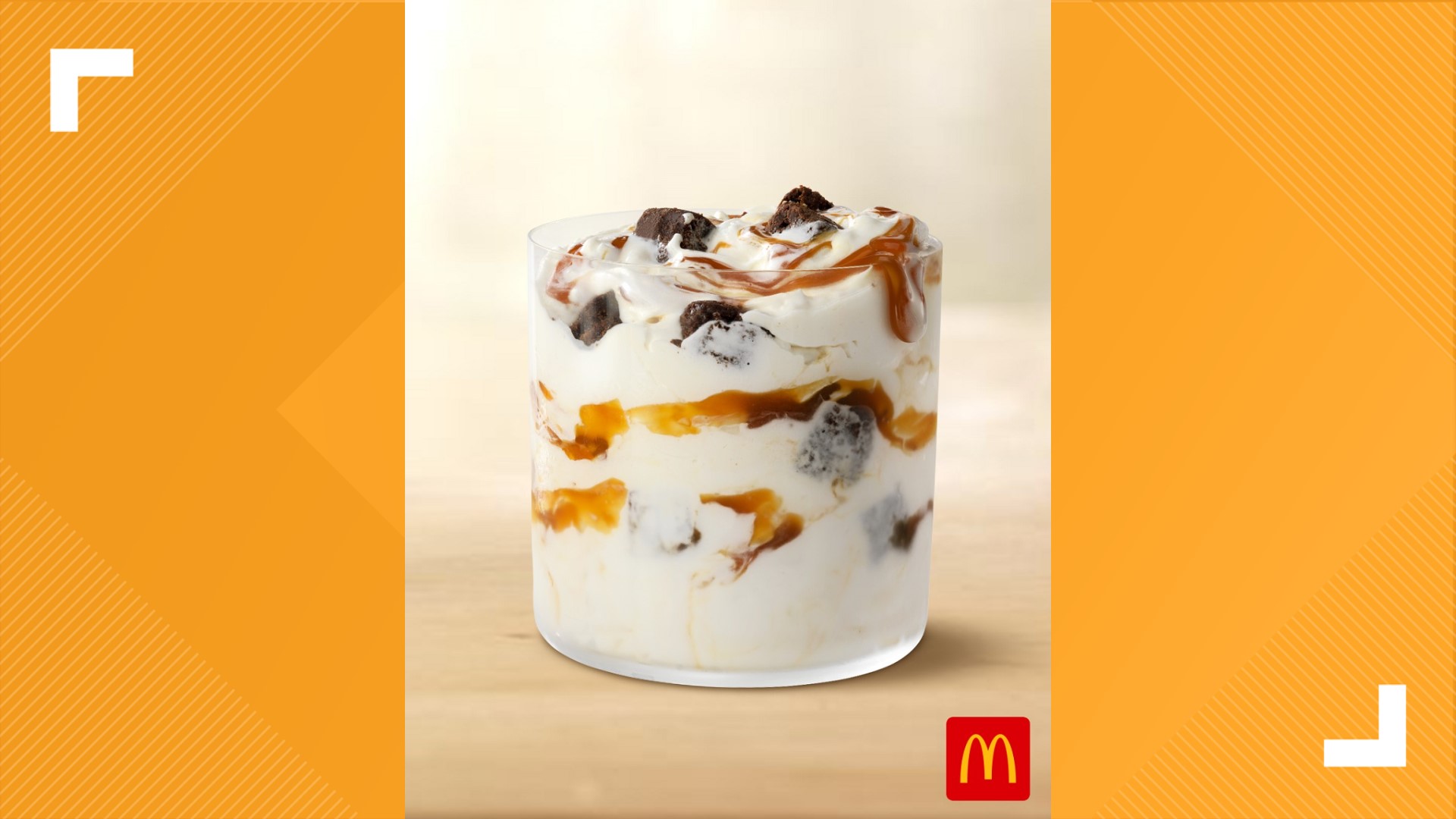
To understand why the spoon is central to the McFlurry experience, one must look at how the dessert is constructed. Unlike a standard soft-serve cone or a milk-based drink, a McFlurry requires the integration of solid toppings—such as Oreo cookies or M&M's—into a base of vanilla soft-serve ice cream.
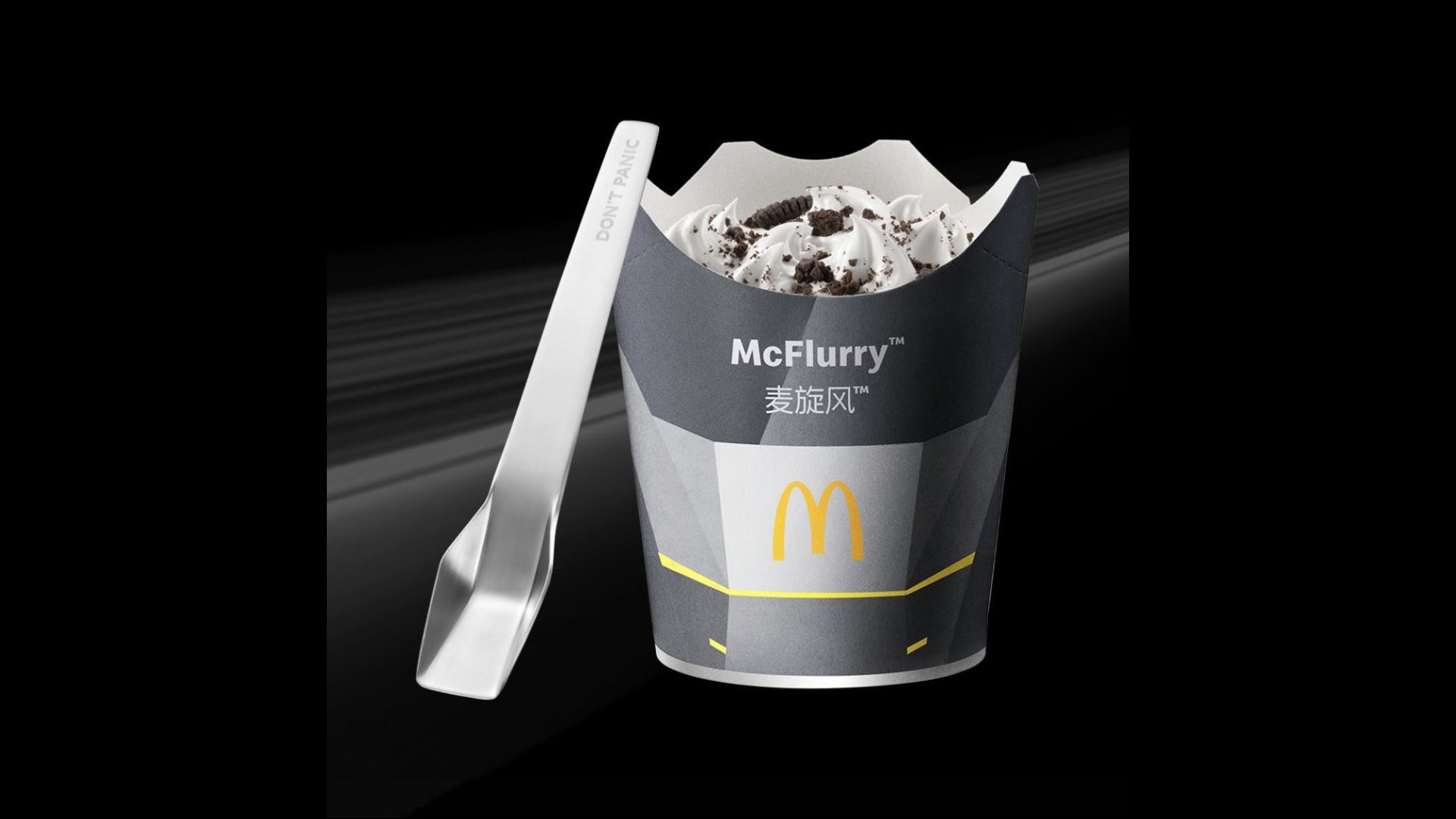
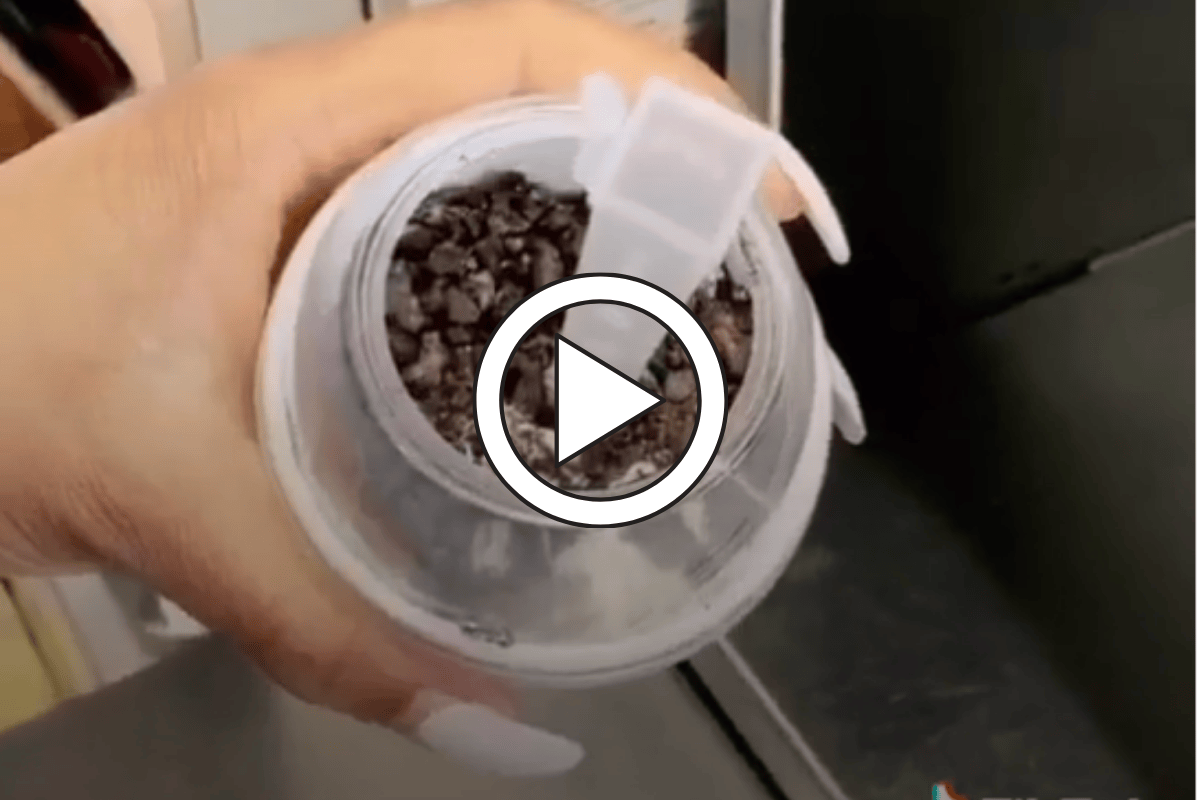
The spoon is not merely a tool for consumption; it is an industrial implement designed to function as an agitator. The hollow, square-shaped handle of the spoon is engineered to lock onto the spindle of the McFlurry mixing machine. When the employee adds the desired topping to the cup, the spoon is attached to the machine, which then spins at a high velocity to emulsify the toppings throughout the soft-serve. This process ensures a consistent distribution of ingredients, which would be difficult to achieve through manual stirring.
Is There an "Extra Cost"?
From a financial perspective, the customer does not see a line item for the spoon on their receipt. The cost of the spoon—which includes its specialized plastic manufacturing, shipping, and food-grade safety certification—is integrated into the overall price of the McFlurry.
While critics have historically argued that the production of a specialized plastic item creates unnecessary waste compared to a standard wooden or disposable plastic spoon, McDonald’s maintains that the functional utility of the spoon as a mixing device is a core component of the product's identity. If you are assessing the "cost" in terms of your personal investment, you are paying for the convenience of a perfectly blended dessert. If you are assessing it from an environmental or corporate overhead perspective, the "cost" is part of the operational model that allows McDonald's to maintain high-volume, standardized production across thousands of locations.
Operational Efficiency and Brand Identity
The McFlurry spoon serves as a critical piece of operational technology. By using the spoon as the mixer, McDonald's eliminates the need to clean a metal mixing blade between every single order. In a high-volume fast-food environment, the time required to sanitize a reusable metal spindle after each customer would create a significant bottleneck.
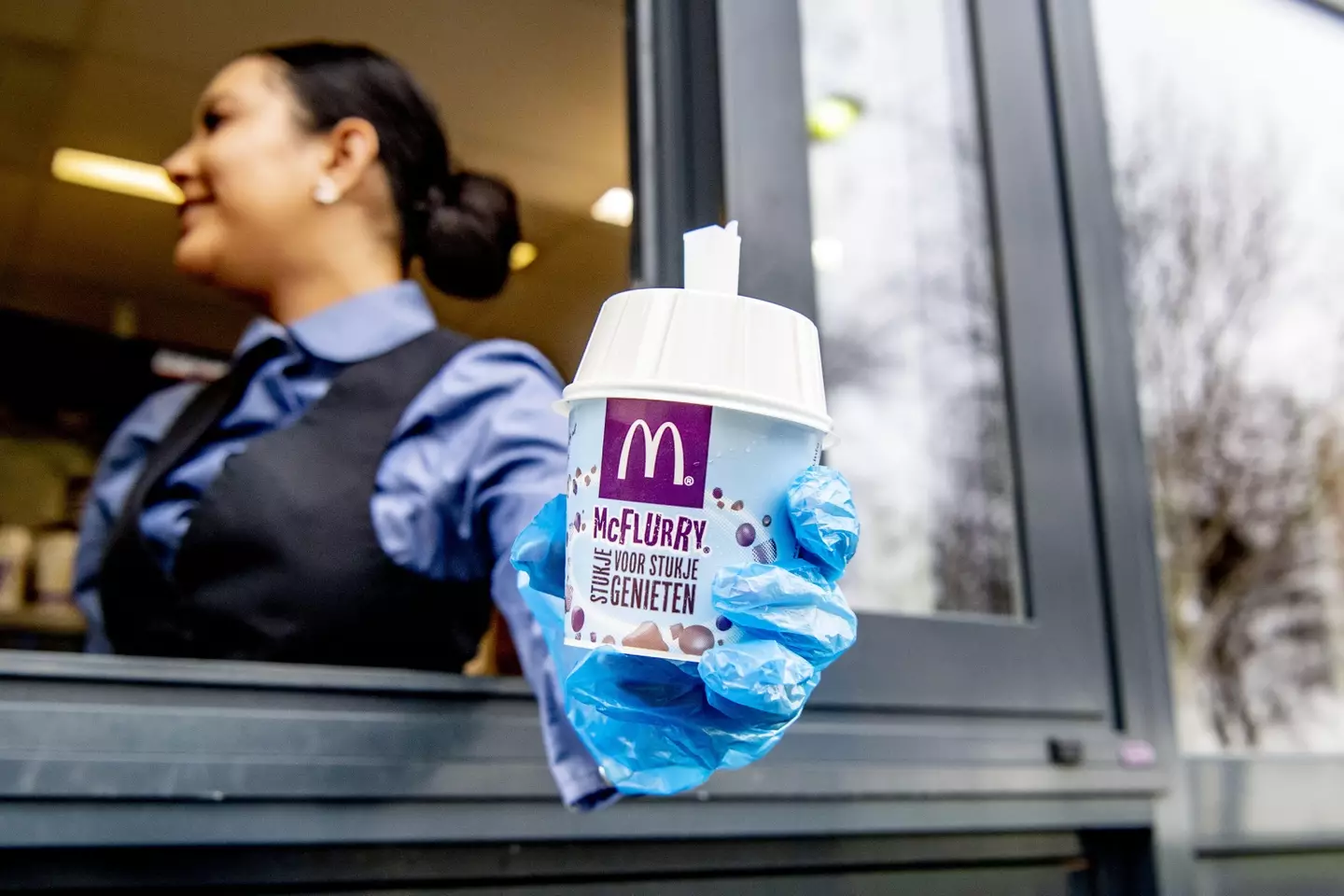
By using a single-use plastic spoon that stays with the customer, the restaurant achieves three goals:
- Sanitation: It prevents cross-contamination between flavors or allergens by ensuring the mixing surface is never shared between customers.
- Speed: It drastically reduces the labor time per transaction, allowing for the rapid throughput necessary for drive-thru and counter service.
- Consistency: It ensures that every McFlurry, regardless of the location, is blended with the same mechanical force and duration.
Comparative Analysis: Specialized Utensils vs. Standard Service
To determine if the specialized spoon provides value, it is helpful to compare the McFlurry service model to other dessert service models in the quick-service restaurant industry.
| Aspect | McFlurry (Specialized Spoon) | Standard Soft-Serve/Sundae |
|---|---|---|
| Mixing Process | Machine-integrated agitation | Manual or none |
| Cross-Contamination | Extremely low (one-use spoon) | Moderate (reusable equipment) |
| Service Speed | High (optimized for volume) | Moderate |
| Waste Profile | High (specialized plastic) | Low (standard flatware) |
| Consistency | Uniform blending | Dependent on staff technique |
The "worth" of the spoon is ultimately tied to the uniformity of the product. If you prefer your toppings mixed thoroughly from top to bottom, the mechanical spoon is the primary factor that makes this possible. If you prefer a topping-heavy experience where the ingredients are not fully integrated, the spoon's efficiency may be irrelevant to your personal preference.
Environmental Considerations and Future Outlook
As of 2026, the global shift toward reducing single-use plastics has forced many corporations, including McDonald's, to reconsider the materials used for their utensils. In many jurisdictions, legislation has banned or strictly regulated the distribution of plastic cutlery. Consequently, many McDonald’s locations have transitioned to wooden spoons or recycled paper-based alternatives.
The challenge for the brand lies in replicating the mechanical functionality of the original square-handled plastic spoon with a material that meets modern sustainability standards without compromising the integrity of the mixing process. The value of the "spoon" is thus in a state of transition; as sustainable materials become the standard, the brand must ensure that the "mixing utility" remains intact, or risk altering the product's fundamental characteristics.
Common Questions Regarding McFlurry Utensils
Can I use the McFlurry spoon to mix my own drink or dessert? While you can physically stir other items with the spoon, it is specifically calibrated for the dimensions of the McFlurry mixing machine. Using it for other purposes provides no functional advantage over a standard spoon, and its handle shape may actually make it less comfortable for manual use.
Why does the spoon feel so heavy and oddly shaped? The weight and square shape of the handle are intentional. The square geometry provides the necessary surface area to interface securely with the motorized spindle of the McFlurry machine. A rounded handle would slip during the high-speed blending process.
Are all McFlurry spoons currently made of plastic? No. Due to regional environmental regulations that have come into effect leading up to 2026, many markets have replaced plastic with more sustainable, compostable materials. The efficacy of these new materials in the mixing process varies by region.
Is it possible to request a regular spoon instead? Yes. You can request a standard spoon at any time. However, if you choose not to use the McFlurry spoon, you lose the mixing benefit that it provides, and the restaurant may have to perform the task manually or provide the dessert without the thorough blending typical of the McFlurry process.
Why did McDonald's stick with this design for so long? The design proved to be highly effective at solving the dual problems of sanitation and consistency. By turning a disposal item into a mechanical component, the company optimized its service flow in a way that remains a textbook example of industrial efficiency in the fast-food sector.
Final Recommendation
The McFlurry spoon is not an optional "add-on" that you are paying extra for; it is an integrated production tool. Whether it is "worth" the cost is a subjective question that depends on whether you prioritize the uniform, fully blended texture of the McFlurry. If you value the specific consistency of the product, the spoon is an essential element of the experience. If you are environmentally conscious, you may find the reliance on specialized, often non-recyclable, utensils a drawback. Ultimately, the best way to enjoy a McFlurry is to accept the spoon as a necessary piece of the preparation process, while keeping an eye on regional efforts to make these tools more environmentally sustainable as the company continues to innovate.
Image Gallery