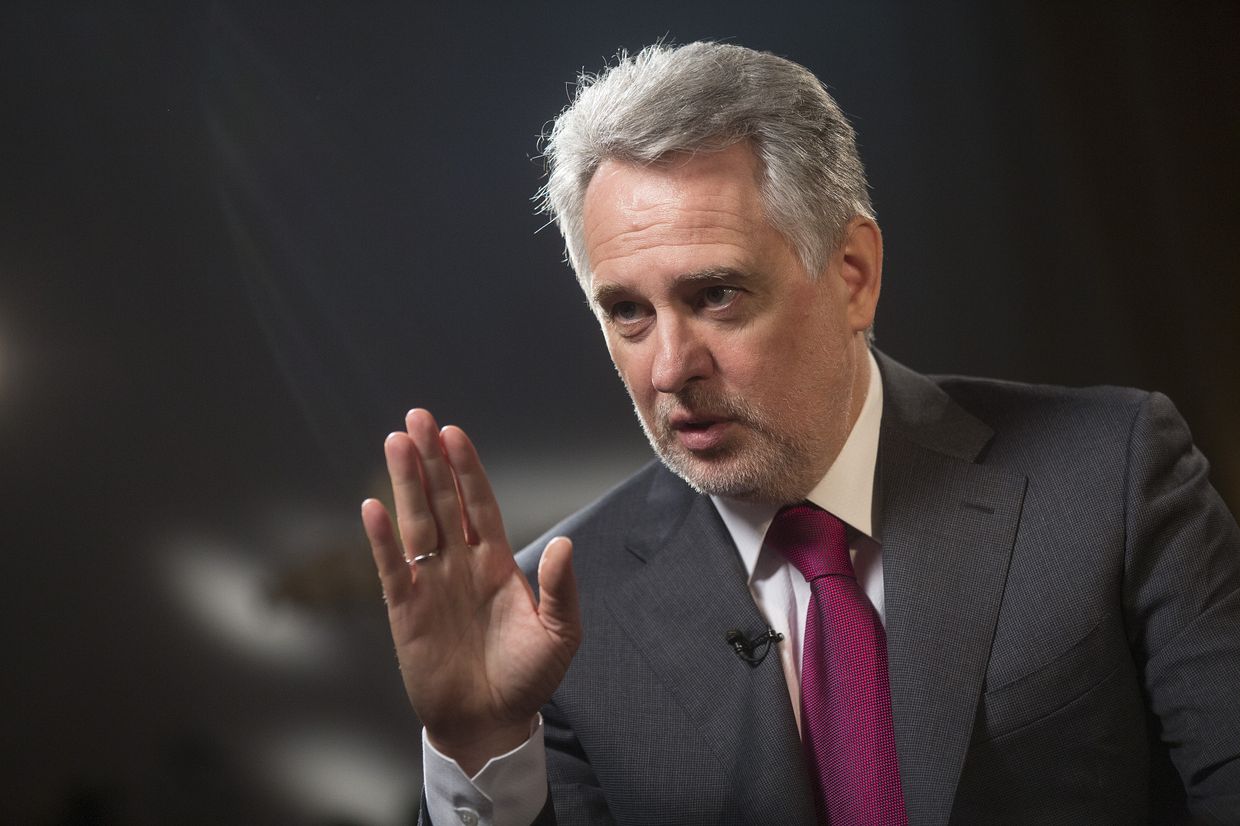
Dmytro Vasylovych Firtash: Examining the Trajectory of a Ukrainian Business Magnate
Dmytro Vasylovych Firtash is a prominent Ukrainian businessman and investor with extensive interests in the energy, chemical, and media sectors. His career, defined by the consolidation of industrial assets and complex international le...
Dmytro Vasylovych Firtash is a prominent Ukrainian businessman and investor with extensive interests in the energy, chemical, and media sectors. His career, defined by the consolidation of industrial assets and complex international legal challenges, reflects the shifting geopolitical and economic landscape of Eastern Europe over the past three decades.
Contents
Early Career and the Emergence of Group DF
Dmytro Firtash began his career in the late 1980s and early 1990s, navigating the transition from a planned economy to a market-oriented system following the dissolution of the Soviet Union. His early business activities focused on the trade of commodities, particularly food and consumer goods, which laid the groundwork for his entry into the more capital-intensive energy sector.
By the mid-2000s, Firtash solidified his influence through the establishment of Group DF (Group Dmytro Firtash). This conglomerate became a holding vehicle for his diverse investments, emphasizing vertical integration. The group’s strategy focused on acquiring and modernizing industrial assets, particularly in the nitrogen fertilizer industry. Through Group DF, Firtash consolidated several state-owned or privatized chemical plants under the umbrella of OSTCHEM, transforming them into a significant player in the European agricultural chemicals market.
Core Business Sectors and Industrial Influence
The business interests of Dmytro Vasylovych Firtash are primarily categorized into several critical industrial pillars. Understanding these sectors is essential to assessing his impact on the Ukrainian economy.
The Chemical and Fertilizer Industry
OSTCHEM represents the cornerstone of Firtash’s industrial empire. The company operates multiple large-scale nitrogen production facilities, including Azot (Cherkasy), Rivneazot, and Stirol. These plants are vital to Ukraine’s agricultural sector, providing the necessary inputs for crop production. The operation of these plants involves managing significant gas consumption, as natural gas serves as the primary feedstock for ammonia production.
Energy and Resource Management
Historically, Firtash was deeply involved in the intermediary trade of natural gas between Central Asia, Russia, and Ukraine. This period of his career was marked by his role in RosUkrEnergo, a joint venture designed to manage gas supply logistics. While the role of intermediaries in the energy sector has been subject to intense political debate, Firtash’s involvement underscored his position as a central figure in regional energy security discussions throughout the 2000s.
Media and Communications
Beyond heavy industry, Firtash expanded into the media sector, most notably through his acquisition of Inter Media Group. This group controls several television channels, including Inter, which has maintained a significant viewership share in Ukraine for many years. Media ownership in the Ukrainian context has frequently served as both a commercial venture and a platform for social and political influence, a trend common among the country's major business leaders.
Comparative Overview of Asset Categories
The following table outlines the primary operational areas under the umbrella of Group DF and their respective industrial roles.
| Sector | Primary Entity | Operational Focus |
|---|---|---|
| Chemicals | OSTCHEM | Production of nitrogen fertilizers for domestic and export use. |
| Energy | Group DF | Gas distribution and infrastructure management. |
| Media | Inter Media Group | Television broadcasting and news production. |
| Real Estate | Group DF | Development and management of commercial properties. |
Legal Challenges and International Status
Since 2014, the public profile of Dmytro Firtash has been significantly shaped by ongoing legal proceedings in multiple jurisdictions. Following his detention in Vienna, Austria, at the request of the United States authorities, Firtash has been involved in a protracted legal battle concerning extradition.
The U.S. Department of Justice allegations pertain to an investigation into an alleged conspiracy to bribe Indian officials for titanium mining rights. Firtash has consistently denied these allegations, characterizing the proceedings as politically motivated. As of 2026, the legal status of these proceedings remains a central aspect of his public life, effectively restricting his ability to travel freely and influencing the operational strategy of his businesses. The complexities of international extradition law and the specific nature of the evidence provided by U.S. prosecutors have made this one of the most high-profile white-collar legal cases in Europe.
Economic Impact and Challenges in 2026
As of 2026, the business operations of Dmytro Firtash face a multifaceted environment. The Ukrainian economy has undergone significant structural shifts due to ongoing security and geopolitical challenges, which have impacted industrial production, supply chains, and market access.
- Operational Resilience: Many of the chemical plants under the OSTCHEM banner have had to adjust production cycles in response to fluctuating energy prices and supply chain disruptions.
- Diversification: The shift toward decentralized energy solutions and the modernization of chemical processing are current priorities for large industrial groups in Ukraine to remain competitive within the European Union market.
- Regulatory Environment: The business landscape in Ukraine has moved toward increased transparency, driven by institutional reforms. This requires large conglomerates to adopt more rigorous corporate governance standards to maintain market standing and international partnerships.
Frequently Asked Questions
Who is Dmytro Vasylovych Firtash? He is a Ukrainian business magnate known for his control over extensive industrial assets, specifically in the nitrogen fertilizer, energy, and media sectors through his holding company, Group DF.
What is the role of Group DF in the Ukrainian economy? Group DF acts as a centralized management company for a portfolio of businesses. Its primary economic function has been the aggregation and operational management of chemical plants and gas distribution networks, which are essential for Ukraine's industrial output.
What is the current status of the extradition case against him? As of 2026, Dmytro Firtash remains in Austria, where he has been contesting extradition to the United States regarding charges filed by the U.S. Department of Justice. The matter remains before the courts.
How have global events impacted his business portfolio? Large-scale industrial groups in Ukraine, including those owned by Firtash, have had to navigate significant disruptions to energy supply, labor availability, and logistics, necessitating a recalibration of their business models to survive in a volatile market.
What is the importance of the chemical industry to his business model? The chemical industry, particularly nitrogen fertilizer production, is the primary source of revenue and industrial output for his portfolio. It links his business interests directly to the agricultural sector, which remains a pillar of the Ukrainian economy.
Strategic Outlook
The future of the industrial assets associated with Dmytro Vasylovych Firtash will likely depend on his ability to integrate his businesses into a modernized, transparent corporate framework. For observers of the Ukrainian business landscape, the primary focus remains on the operational sustainability of the OSTCHEM assets and the eventual resolution of his international legal status. Investors and stakeholders in the region are currently observing how large-scale Ukrainian enterprises adapt their governance and operational efficiency to meet European standards as the country integrates more closely with Western economic systems.
Image Gallery