The Undertaker’s Height and Weight: An Analysis of Professional Wrestling’s Iconic Presence
The Undertaker, whose legal name is Mark William Calaway, stands at a billed height of 6 feet 10 inches (approximately 208 centimeters) and carries a weight of 309 pounds (approximately 140 kilograms). Throughout his three-decade caree...
The Undertaker, whose legal name is Mark William Calaway, stands at a billed height of 6 feet 10 inches (approximately 208 centimeters) and carries a weight of 309 pounds (approximately 140 kilograms). Throughout his three-decade career in World Wrestling Entertainment (WWE), these physical specifications became synonymous with his "Deadman" persona, establishing his presence as an imposing, immovable force in the ring.
Contents
Defining the Physicality of an Icon
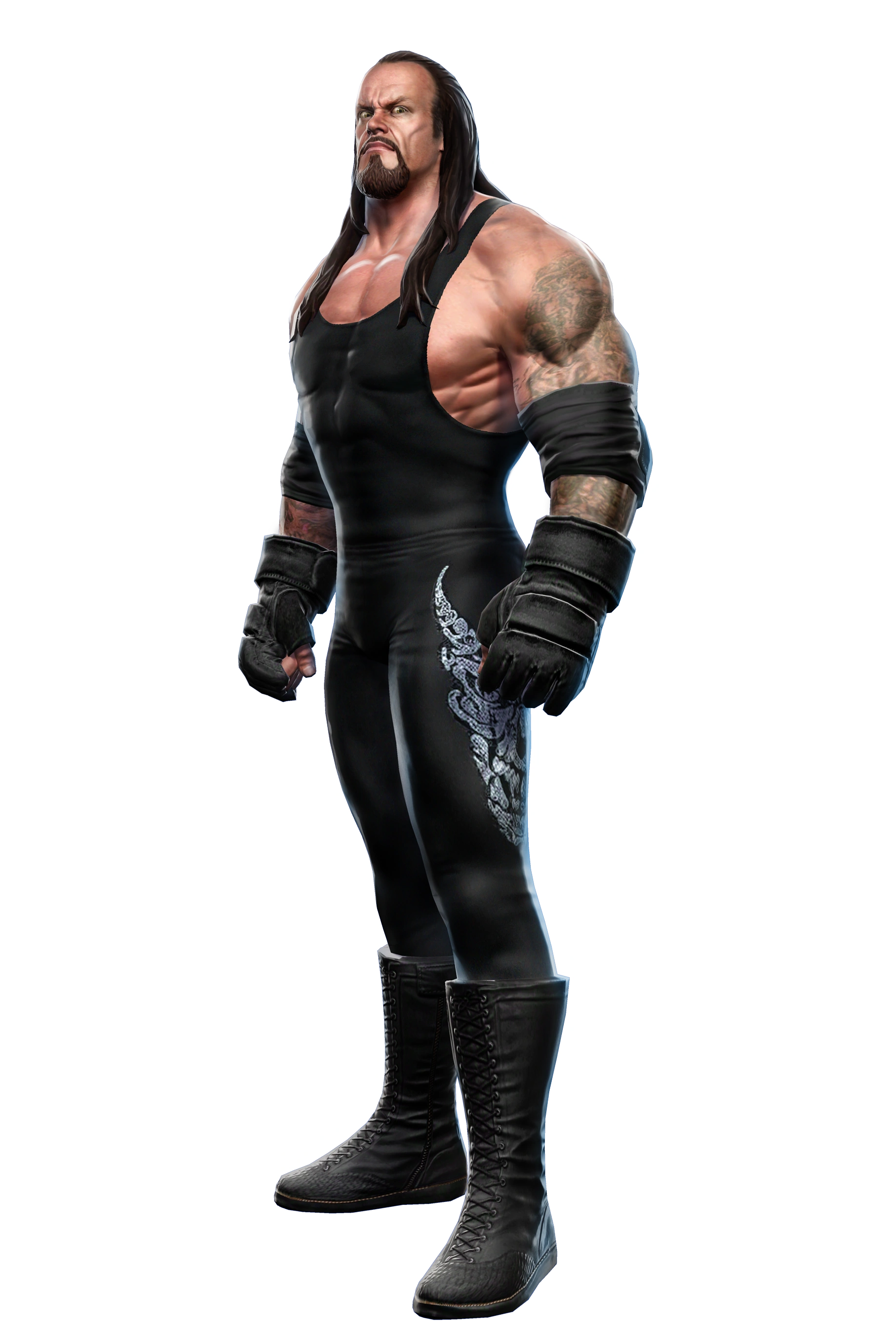
In professional wrestling, stature is a fundamental component of character development. For a performer like The Undertaker, whose persona relied on intimidation, supernatural themes, and a dominant in-ring style, physical dimensions were not merely statistics—they were essential storytelling tools. Since his debut in the early 1990s, his billed height and weight helped create the illusion of a man who could absorb punishment and deliver overwhelming physical force.
While billed heights and weights in professional wrestling are occasionally subject to exaggeration for entertainment purposes, The Undertaker’s stature was widely acknowledged by peers and analysts as legitimately imposing. Standing nearly 6 feet 10 inches tall allowed him to loom over opponents, effectively utilizing the "big man" wrestling style that prioritized gravity-defying moves—such as his signature flying clothesline or leg drop—which were atypical for an athlete of his size.
Comparing Professional Wrestling Stature
To understand the significance of The Undertaker’s frame, it is useful to look at the landscape of WWE during his active career. In an era often dominated by smaller, technical performers, his size provided a distinct contrast that anchored his matches.
| Performer | Billed Height | Billed Weight |
|---|---|---|
| The Undertaker | 6' 10" | 309 lbs |
| Hulk Hogan | 6' 7" | 302 lbs |
| Kane | 7' 0" | 323 lbs |
| Shawn Michaels | 6' 1" | 225 lbs |
| Stone Cold Steve Austin | 6' 2" | 252 lbs |
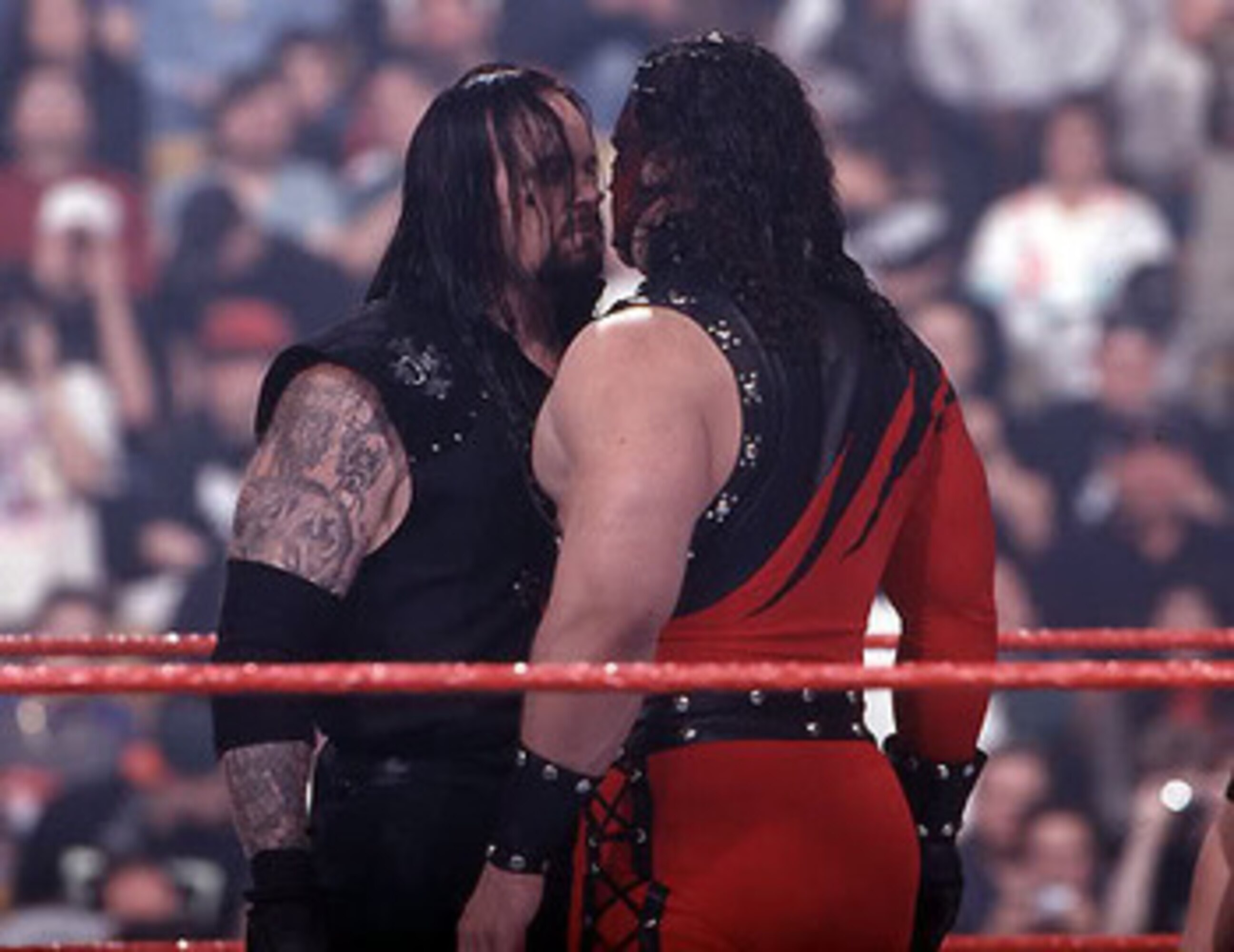
As shown in the table above, The Undertaker sat in the upper echelon of professional wrestling's physical hierarchy. While contemporaries like Kane, his storyline brother, were billed as taller, The Undertaker’s build was often described as more athletic and agile, allowing for a broader range of motion and longevity in the industry.
The Evolution of Physicality Over Time
The perception of an athlete's physical stats often shifts over the course of a long-term career due to injury, aging, and changes in training methodology. When The Undertaker debuted in 1990, he possessed a lean, powerful build consistent with the "bodybuilder" aesthetic of that generation. As the 1990s progressed into the early 2000s, his conditioning evolved to accommodate a more intense, high-impact style.
In the latter half of his career, specifically during his transition to a more technical, submission-based wrestling style, his weight fluctuated to accommodate the wear and tear on his joints. Maintaining a frame of over 300 pounds while performing high-impact maneuvers places immense stress on the knees, hips, and back. His ability to perform at a world-class level for over 30 years serves as a case study in athletic maintenance for "super-heavyweight" performers.
The Role of Stature in "The Deadman" Gimmick
The Undertaker’s character was built on the premise of being an unstoppable, undead entity. Height serves as a visual shorthand for power in this context. By standing at 6' 10", he occupied a significant amount of visual space, making the "Tombstone Piledriver"—a maneuver where he picks up an opponent and drops them head-first—appear more lethal because of the height from which he performed it.
Furthermore, his physical stature was vital for his "ring presence." In professional wrestling, presence is the ability to command the audience's attention without speaking. His walk to the ring, the way he removed his hat, and his steady, deliberate movements were all accentuated by his height. Had he been of average stature, the mystique of the character would have likely struggled to gain the same level of global traction.
Common Misconceptions Regarding Wrestling Stats
It is a common point of contention among sports entertainment fans that billed statistics are "worked" or inflated. While this is true for many performers—where a wrestler might be billed as 6' 5" when they are closer to 6' 2"—The Undertaker’s stats remained largely consistent across official documentation and anecdotal reports from colleagues.
The confusion often arises from the difference between an athlete's "shoot" height (their actual height measured without shoes or wrestling boots) and their "billed" height (the height announced to the crowd). Wrestling boots often provide an additional 1 to 2 inches of height, and in the case of The Undertaker, whose footwear was specifically designed for his character, his on-screen height was effectively higher than his natural measurement. However, at 6' 10", he remains one of the legitimate giants in the history of the sport.
FAQ: Understanding The Undertaker's Physical Profile
Was The Undertaker actually 6 feet 10 inches tall? Yes, his billed height of 6' 10" is widely accepted as accurate in the context of professional wrestling. While real-world measurements can vary slightly based on footwear and posture, he consistently stood out as one of the tallest performers in the locker room throughout his career.
Did his weight fluctuate significantly throughout his career? Like most long-term athletes, his weight shifted based on his training focus and his physical requirements at the time. He generally maintained a weight between 290 and 315 pounds, allowing him to balance power with the mobility required for his signature moves.
How did his height impact his wrestling style? His height allowed him to perform maneuvers that were physically impossible for shorter wrestlers, such as his trademark "Old School" rope walk and his high-reaching leg drops. His stature forced opponents to adjust their own movesets to match his height, which became a foundational element of his match psychology.
Are wrestling stats like weight and height verified by a governing body? No. Unlike professional sports like basketball or football, which utilize official scouting measurements, professional wrestling is a performance art. The statistics provided by the WWE are for promotional and character-building purposes, though they are usually kept reasonably close to the performer's actual physical reality to avoid breaking audience immersion.
Why is he often referred to as a "Big Man" in wrestling? In wrestling parlance, a "Big Man" typically refers to a wrestler over 6' 5" and 275 pounds. These performers are expected to play a specific role: serving as the immovable object or the overwhelming threat to the smaller, more agile "cruiserweights" or "technicians."
Next Steps for Enthusiasts
If you are interested in the evolution of The Undertaker’s career or how modern WWE athletes compare to his physical benchmarks, the best resources remain the official WWE archival footage and the "WWE Encyclopedia." For historical data, searching through primary sources such as professional wrestling trade journals from the 1990s will provide insight into how his physical presence was marketed during his rise to prominence. Those looking to understand the mechanics of his specific style should focus on his matches from the mid-2000s, where he refined his "Big Man" technical prowess to its highest point.
Image Gallery