The Rise and Fall of a Hollywood Union: Inside Margaret Qualley and Jack Antonoff’s Brief
The relationship between actress Margaret Qualley and musician-producer Jack Antonoff represents the complex intersection of high-profile artistry and personal privacy in the modern celebrity landscape. Their partnership, which transit...
The relationship between actress Margaret Qualley and musician-producer Jack Antonoff represents the complex intersection of high-profile artistry and personal privacy in the modern celebrity landscape. Their partnership, which transitioned from public speculation to a high-profile marriage, offers a window into the professional and personal dynamics of creative power couples, highlighting the challenges of maintaining intimacy under the intense scrutiny of the global entertainment industry.
Contents
The Converging Paths of Two Creative Forces
To understand the dynamic of their union, one must first look at the individual trajectories of Margaret Qualley and Jack Antonoff. Qualley, daughter of actress Andie MacDowell, established herself as a formidable talent in the film industry through performances in projects like Once Upon a Time in Hollywood and Maid. Her work is characterized by an intense focus on character depth and an ability to navigate both independent cinema and major studio productions.
Conversely, Jack Antonoff has spent the last decade becoming a definitive figure in contemporary music production. As the frontman of Bleachers and a primary collaborator for artists such as Taylor Swift, Lana Del Rey, and Lorde, Antonoff’s influence on the current sonic landscape is arguably unparalleled. When these two trajectories intersected, the media response was immediate, casting their relationship as a meeting of "industry royalty." The rise of their public union was defined by a shift from guarded, private sightings in New York City to official red carpet appearances, signaling a transition that often serves as the "coming out" event for celebrity couples.
Anatomy of a High-Profile Partnership
Public interest in high-profile unions often fixates on the synthesis of two distinct creative processes. For Qualley and Antonoff, the partnership was marked by a blend of artistic mutualism. In the entertainment industry, such unions often face a "publicity premium"—the tendency for audiences and critics to view the couple as a single unit rather than as independent professionals.
The "rise" phase of their relationship followed a classic trajectory:
- Initial Recognition: Low-profile sightings in New York City, sparking initial tabloid interest.
- Social Proofing: Selective social media acknowledgments that confirmed the status of their partnership to a curated audience.
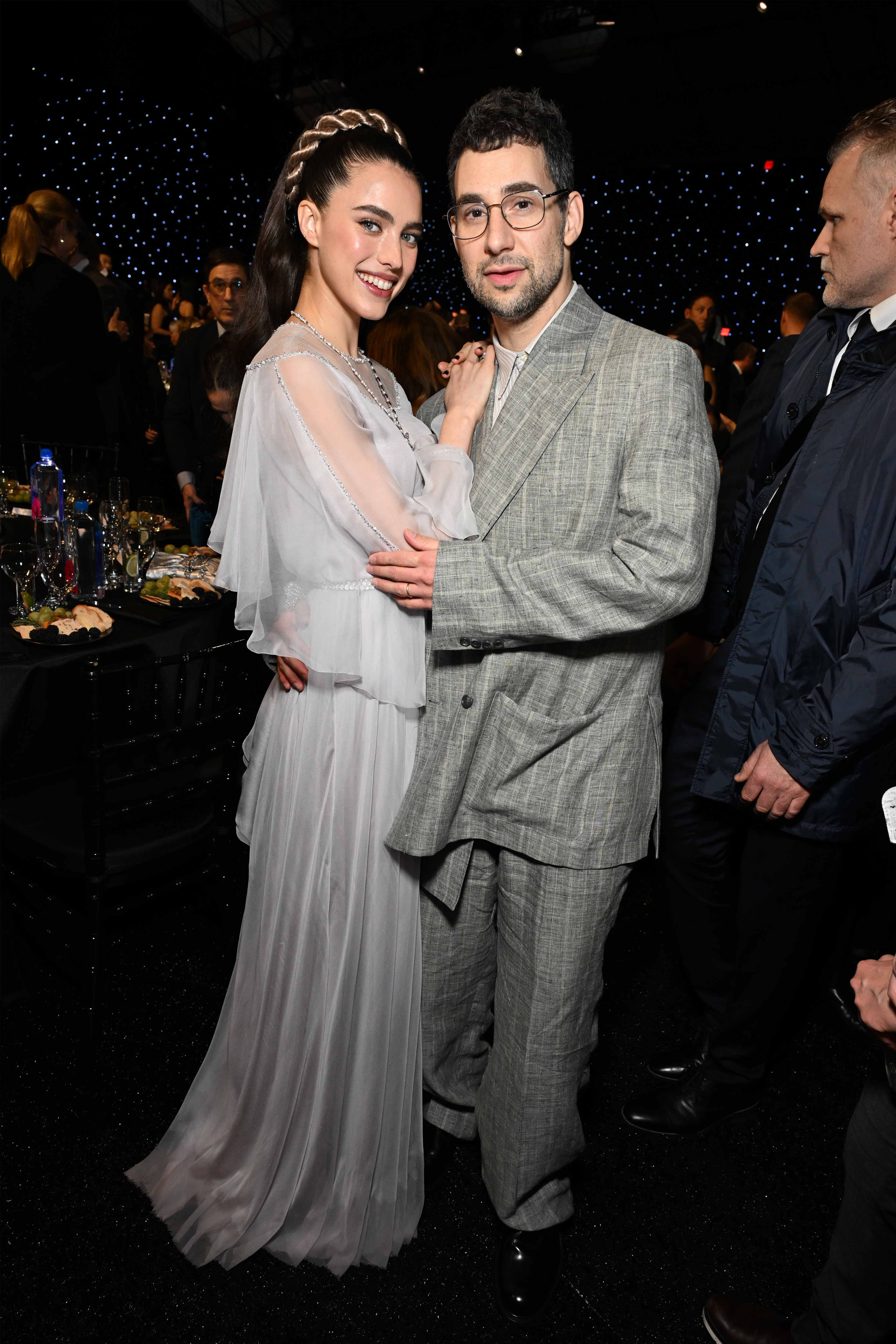
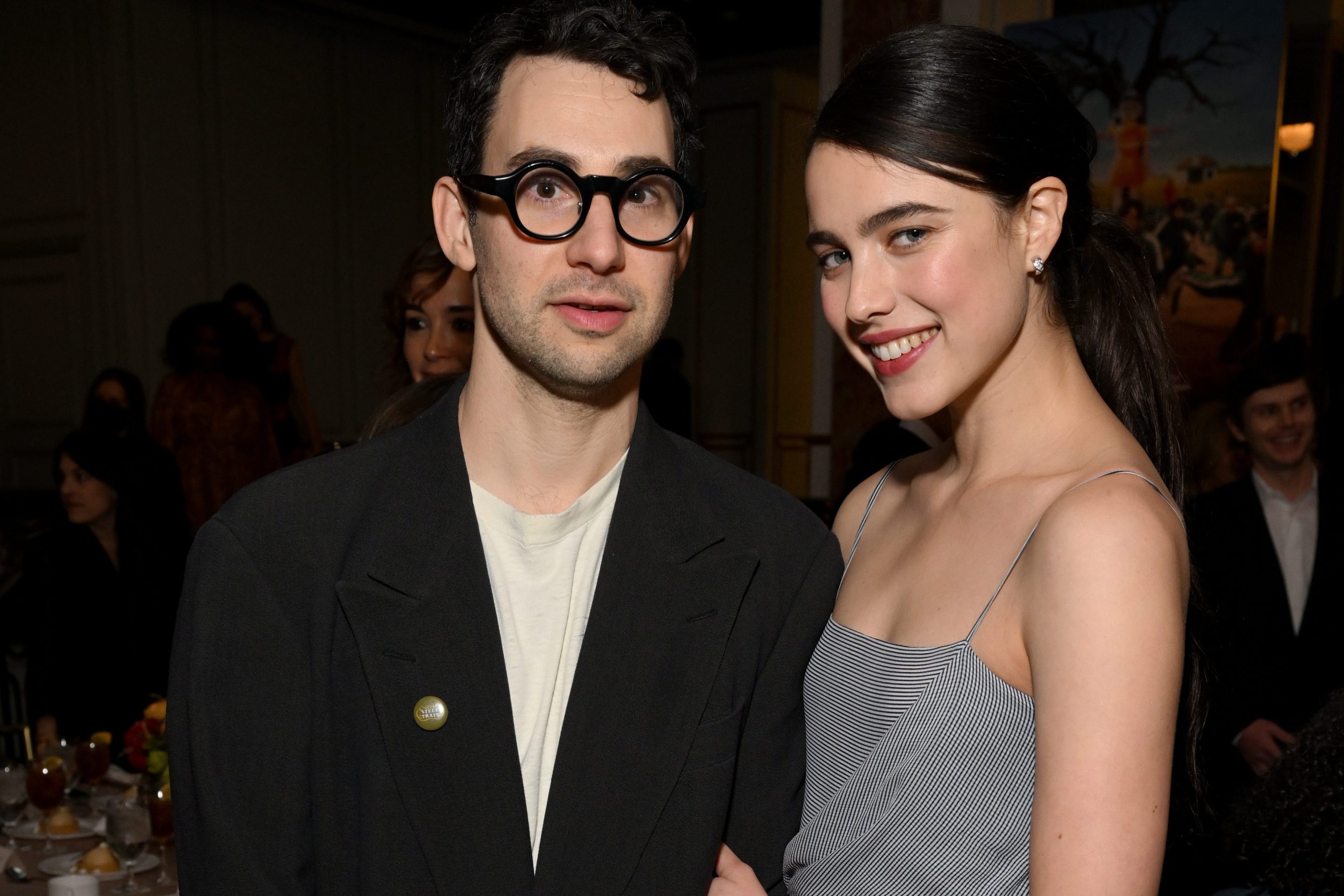
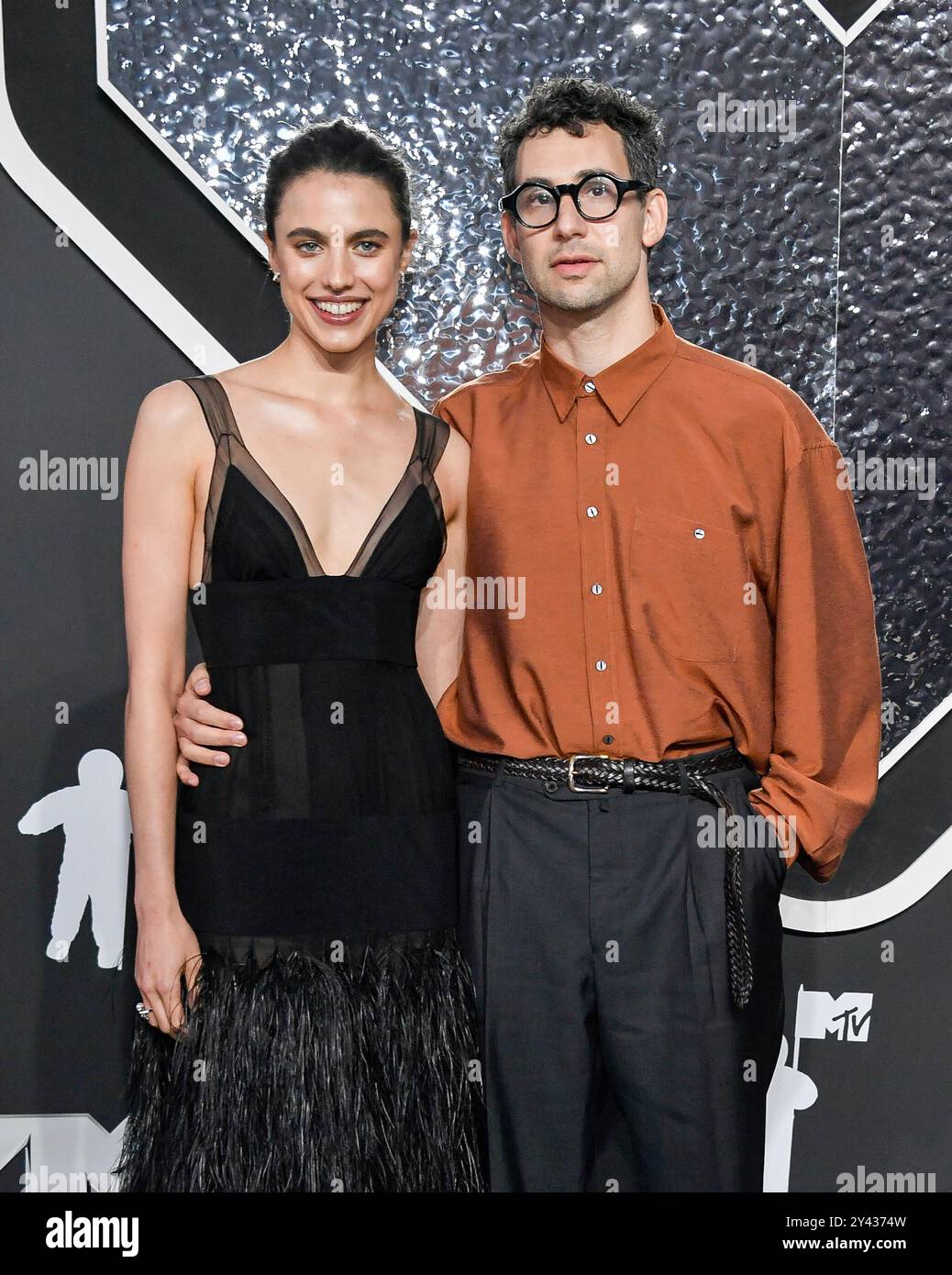
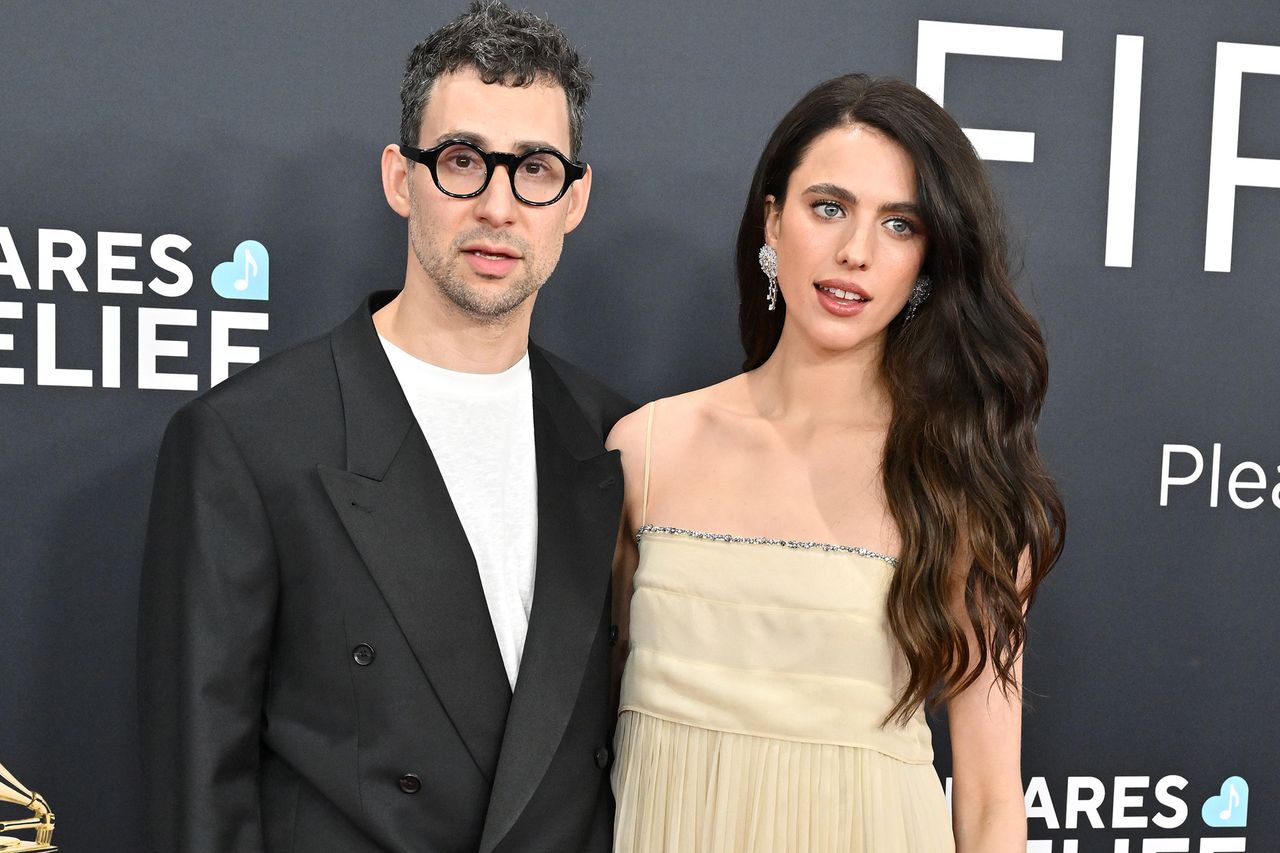
- Public Affiliation: High-profile appearances at industry events, such as the AFI Awards, which served to normalize their status as a unit within the Hollywood social hierarchy.
- The Union: Their marriage represented the culmination of this public narrative, providing a definitive anchor for their partnership in the eyes of the media.
The Challenges of Sustaining Privacy
The "fall"—or, more accurately, the dissolution of the public narrative surrounding their life as a couple—is often misconstrued by observers as a purely emotional event. However, in Hollywood, the collapse of a public-facing union often relates to the management of personal autonomy versus brand maintenance. Maintaining a personal life while both parties are subject to constant professional surveillance is a logistical and psychological challenge.
For Qualley and Antonoff, the challenge was balancing the demands of Antonoff’s touring and production schedule with Qualley’s filming commitments. When a relationship is documented as "brief" or marked by shifts in public visibility, it often reflects a conscious decision to shield the relationship from the encroaching commercialization of their personal lives. In an industry where personal narratives are often leveraged for career advancement, stepping back from the spotlight is a form of brand protection.
Comparative Dynamics in Creative Power Couples
The following table summarizes the typical pressures faced by creative power couples in the modern entertainment industry, contextualizing the environment in which Qualley and Antonoff navigated their time together.
| Pressure Variable | Impact on Relationship | Strategy for Mitigation |
|---|---|---|
| Public Scrutiny | Constant surveillance of public appearances | Controlled social media presence |
| Scheduling Conflicts | Extensive travel for tours/shoots | Dedicated time in neutral locations |
| Public Narrative | Pressure to perform as a "unit" | Limiting joint press and public commentary |
| Creative Ego | Potential for professional competition | Maintaining independent career identities |
Analyzing the Professional Costs of Fame
Professional costs in celebrity relationships are rarely discussed but are fundamental to their stability. Both Qualley and Antonoff operate in fields where success is measured by output—albums, tours, films, and awards. When a union becomes a focal point of public discourse, it can inadvertently complicate these professional objectives. If a partner’s work is constantly viewed through the lens of their relationship, it risks diminishing their individual artistic merit.
The "fall" of public visibility for this union, therefore, should be interpreted through the lens of professional preservation. By shifting away from the public eye, figures like Qualley and Antonoff can effectively reclaim their individual identities, ensuring that their next project is judged on its own merits rather than the perceived state of their marriage or personal life.
Navigating the Digital Age of Celebrity
In 2026, the relationship between celebrities and their audiences is mediated entirely through digital platforms. The "rise and fall" of interest in a couple is often driven by algorithmic preferences rather than actual shifts in the relationship itself. For actors and musicians, managing this requires a sophisticated understanding of digital hygiene.
Qualley and Antonoff’s experience underscores a broader trend: the move toward "intentional obscurity." Many high-profile individuals are finding that the only way to preserve a sense of normalcy is to actively limit the volume of information released to the public. This is not necessarily a sign of a failing union, but rather a strategic shift toward a more sustainable way of living within the extreme environment of global fame.
Frequently Asked Questions
Did the public nature of their relationship influence their artistic output? While both have maintained high levels of individual productivity, the public discourse surrounding them often created a context where their work was interpreted as being influenced by their partner. This is a common phenomenon for prominent artists and is largely an external perception rather than an internal reality.
Why does the media focus on the "briefness" of certain Hollywood unions? The media often characterizes celebrity timelines to fit a narrative arc of success or tragedy. In the case of Qualley and Antonoff, the focus on their timeline is a byproduct of the industry's desire to categorize the stability of its high-profile figures.
How do celebrities protect their privacy in the current digital landscape? Strategies include limited social media interaction, avoiding joint press appearances, and utilizing private security and travel arrangements to keep their movements out of the public eye.
What is the professional impact of a public breakup on a star’s career? In 2026, the stigma once associated with relationship status changes has significantly diminished. Professional longevity is now primarily tied to the quality of one's creative output rather than personal relationship history.
Are there legal mechanisms to manage celebrity privacy? Yes, high-profile figures frequently employ non-disclosure agreements and personal representative teams to manage their brand and mitigate the spread of unauthorized information regarding their private lives.
Recommendation for Future Observation
For those observing the lives of public figures, it is essential to distinguish between a "failed" relationship and the intentional act of personal privacy. The story of Margaret Qualley and Jack Antonoff serves as a modern lesson in how individuals of significant stature navigate the tension between their private realities and the public expectations of their union. Moving forward, the most successful artists will be those who curate their public image with enough precision to protect their internal life, recognizing that their personal happiness remains independent of the public’s perception of their relationship status.
Image Gallery