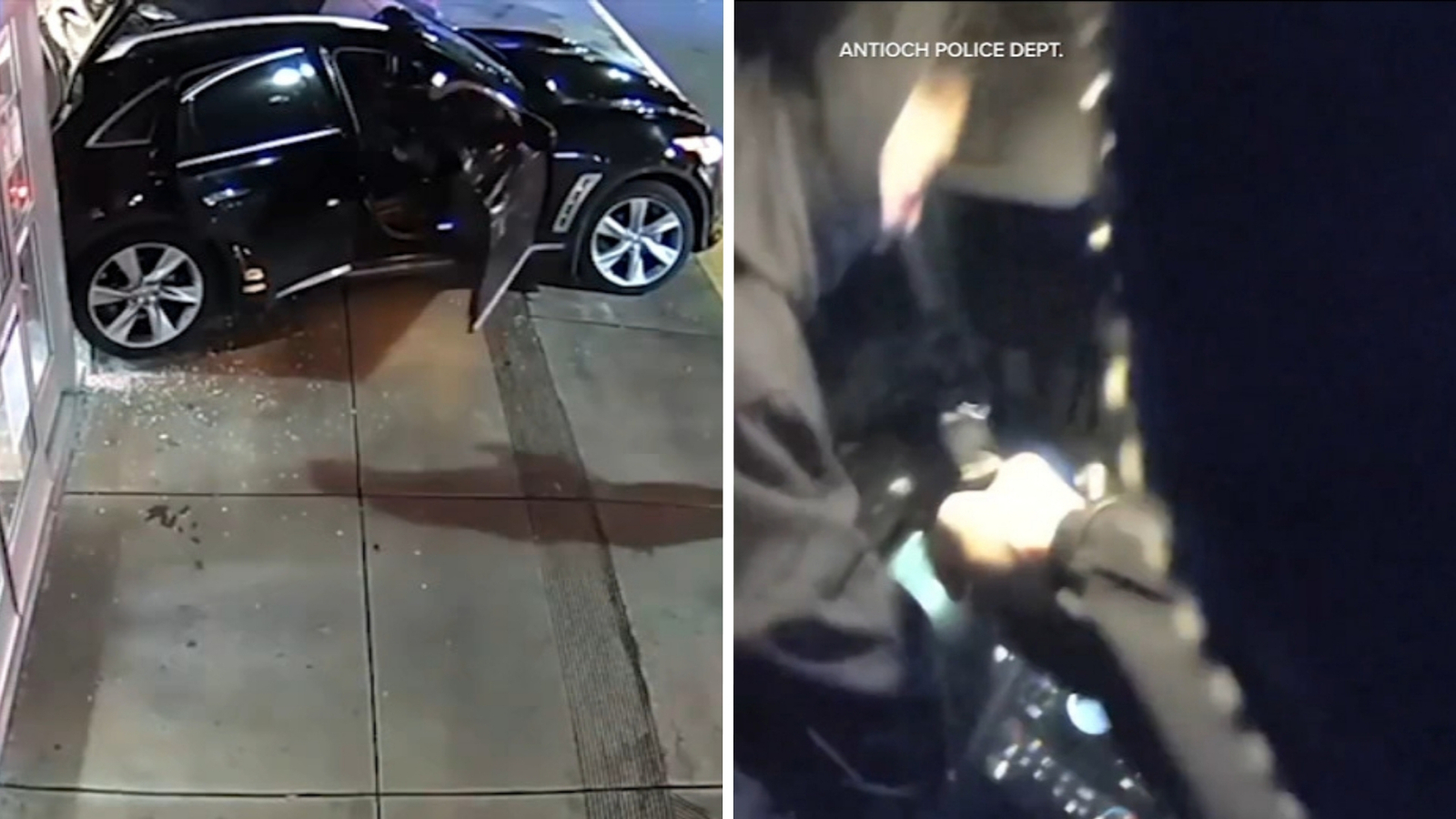
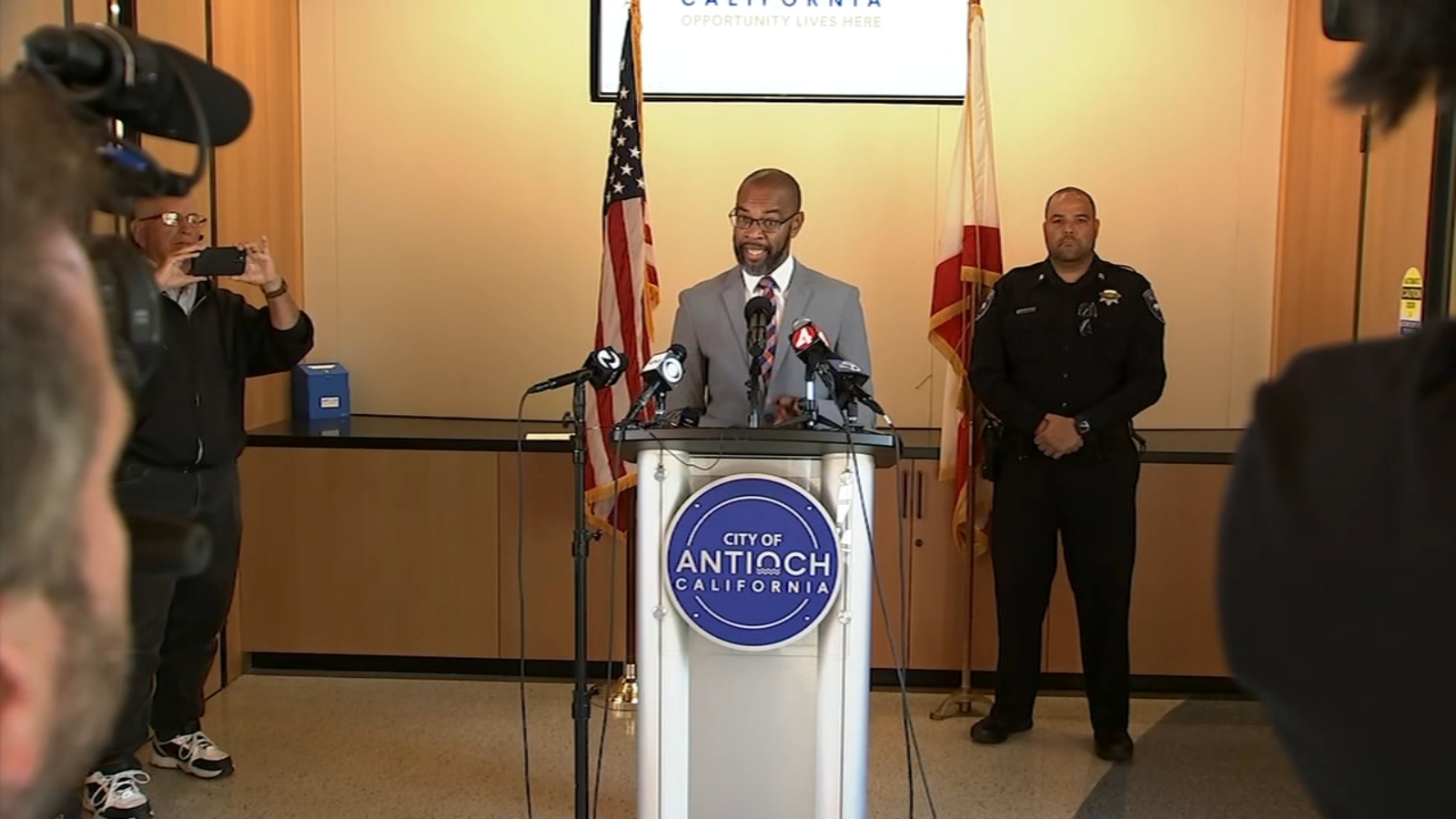
Understanding Crime in Antioch, California: A Comprehensive Overview for Residents and Stakeholders
Antioch, California, located in the eastern portion of Contra Costa County, faces complex public safety challenges typical of a growing suburban city within the San Francisco Bay Area. Assessing crime in Antioch requires an analysis of...
Antioch, California, located in the eastern portion of Contra Costa County, faces complex public safety challenges typical of a growing suburban city within the San Francisco Bay Area. Assessing crime in Antioch requires an analysis of reported incident data, the operational capacity of local law enforcement, and the ongoing initiatives designed to address property and violent crime rates in the region.
Contents
The city of Antioch, like many municipalities of its size in Northern California, maintains a public-facing portal for crime data to ensure transparency and community awareness. Residents and business owners often evaluate local crime trends to inform decisions regarding neighborhood security, property investments, and community engagement. Understanding the nuance of these reports involves distinguishing between violent crimes—such as assault and robbery—and property crimes, which encompass theft, burglary, and motor vehicle larceny. As of 2026, the Antioch Police Department (APD) continues to emphasize data-driven policing and community partnerships to mitigate these issues and improve the overall quality of life for the city’s diverse population.
Analyzing Crime Data and Reporting Standards
To understand the scope of crime in Antioch, one must first look at the methodologies used by the Antioch Police Department to record and categorize incidents. The department aligns with the Uniform Crime Reporting (UCR) program, which categorizes offenses into Part I crimes (index crimes) and Part II crimes (lesser offenses). Part I crimes are the primary metrics used to gauge the severity of the public safety climate.
It is important to note that crime statistics are reflective of reported incidents rather than every illicit activity that occurs. Factors such as police presence, community trust, and the propensity of residents to report minor offenses can influence the final numbers published in annual reports. When reviewing data for Antioch, observers should consider the following distinctions:
- Violent Crimes: These include criminal homicide, forcible rape, robbery, and aggravated assault. These incidents are prioritized by law enforcement and often receive the highest level of investigative resources.
- Property Crimes: These represent the bulk of reports in most suburban cities, including burglary, larceny-theft, motor vehicle theft, and arson.
- Proactive vs. Reactive Policing: A significant portion of reported "crime" is discovered by officers on patrol, particularly regarding drug offenses or weapon possession, whereas other categories are entirely dependent on public reporting.
Factors Influencing Local Public Safety
Several variables contribute to the fluctuations in crime statistics within Antioch. As a satellite city to the more densely populated Bay Area hubs, Antioch experiences shifts in population density, economic conditions, and regional transit usage that directly correlate with public safety.
Economic Conditions and Crime
The relationship between the local economy and crime is well-documented. During periods of economic contraction, property crime rates tend to fluctuate as individuals face financial hardship. The housing market in Antioch, which has seen significant development over the past decade, plays a role in shifting demographics. Neighborhood stability—or the lack thereof—can affect community cohesion and the effectiveness of neighborhood watch efforts.
Regional Transit and Commuter Traffic
Antioch’s position along the Highway 4 corridor and its connection to the BART (Bay Area Rapid Transit) system facilitate significant daily commuter movement. While these transit options are vital for the local economy, they also create a transient population that can contribute to spikes in retail theft and vehicle-related incidents near transit hubs and shopping centers.
Comparison of Crime Categories
To better grasp the landscape of public safety, it is helpful to view the typical distribution of crime reports in an urban environment like Antioch. The following table provides a breakdown of common categories and their typical implications for residents.
| Crime Category | Impact Level | Primary Focus of Law Enforcement | Typical Prevention Method |
|---|---|---|---|
| Violent Crime | High | Immediate response and investigation | Community policing and task forces |
| Property Crime | Moderate | Forensic investigation and deterrents | Enhanced lighting and security systems |
| Vehicle Theft | Moderate | Recovery and inter-agency coordination | Steering wheel locks and parking security |
| Public Order | Low | Citation and mediation | Neighborhood outreach programs |
The Role of the Antioch Police Department
The Antioch Police Department (APD) operates under a specific framework focused on community-based policing. In 2026, the department utilizes a variety of tools to manage and reduce crime. This includes the implementation of advanced surveillance technology, such as Automated License Plate Readers (ALPRs), which have proven effective in tracking stolen vehicles and identifying suspects involved in high-profile crimes.
Furthermore, the APD maintains specialized units that target specific criminal activities. These include:
- Traffic Enforcement Units: These officers focus on roadway safety, which often leads to the incidental discovery of illicit substances or illegal firearms.
- Investigations Bureau: This team works on cold cases and complex crimes that require long-term forensic analysis.
- Community Engagement Teams: These officers work directly with residential and business associations to educate the public on "target hardening"—the practice of making homes and businesses less attractive to criminals through physical security measures.
Preventive Measures for Residents and Businesses
For individuals concerned about safety, the most effective strategy involves a combination of personal vigilance and physical security. The Antioch Police Department frequently recommends that residents follow a multi-layered approach to security.
Home Security Recommendations
- Lighting: Motion-activated lighting remains one of the most cost-effective deterrents against unauthorized entry during nighttime hours.
- Communication: Participating in a formal Neighborhood Watch program allows for the rapid exchange of information regarding suspicious vehicles or individuals.
- Documentation: Keeping a record of serial numbers for electronics and valuables aids in the recovery process should a theft occur.
Business Security Recommendations
- Surveillance Systems: High-definition security cameras with cloud-based storage allow business owners to monitor their premises in real time and provide crucial evidence to investigators.
- Access Control: Utilizing professional-grade deadbolts and secure window film can significantly delay or prevent forced entry.
Navigating Public Crime Portals
Residents interested in staying informed about specific neighborhood activity should utilize the official city-provided crime mapping tools. These portals allow users to filter incidents by type, date, and general location (often by block or district).
When using these tools, it is important to remember:
- Data Lag: Information on public portals may have a delay of 24 to 48 hours to ensure that investigations are not compromised.
- Location Privacy: Mapping tools often generalize the exact address of an incident to protect the privacy of victims.
Frequently Asked Questions
How can I report suspicious activity in Antioch?
Always call 911 for emergencies or crimes in progress. For non-emergency situations, use the Antioch Police Department’s non-emergency dispatch line. Providing a detailed description of individuals or vehicle license plates is the most helpful information for responders.
Is Antioch considered safe compared to neighboring cities?
"Safety" is relative and depends on the specific neighborhood. Like all cities, crime is not distributed evenly. Residents should look at city-wide trends versus hyper-local data to gain a realistic perspective on their immediate surroundings.
Does the Antioch Police Department provide crime alerts?
Yes, the department utilizes various digital platforms and local media partners to push alerts to the community regarding major incidents or public safety concerns. Residents are encouraged to follow official social media channels managed by the city.
What is the most common type of crime in the area?
Property-related offenses, particularly vehicle theft and shoplifting, are statistically the most common reports. These crimes are often opportunistic, meaning they are frequently prevented by locking doors and keeping valuables out of sight.
Are there community resources for victims of crime?
The city works with Contra Costa County to provide victim services, including counseling, financial assistance for specific needs, and guidance through the judicial process. Contact the Antioch Police Department's community services division for a referral.
Final Recommendations for Residents
To effectively manage safety concerns in Antioch, start by connecting with your local community. Attend City Council meetings or police-community briefings to voice concerns and stay updated on current initiatives. If you are a homeowner or renter, conduct a "security audit" of your property by verifying that all entry points are secure and that exterior lighting is functional. By engaging in proactive prevention and maintaining open lines of communication with local law enforcement, residents can contribute to a safer environment. Always prioritize your personal safety; if you witness a suspicious event, do not confront individuals directly, but document what you observe and report it to the proper authorities immediately.
Image Gallery