Grover Underwood: The Iconic Goat Friend in the Percy Jackson Series
Grover Underwood is the central satyr character in Rick Riordan’s Percy Jackson & The Olympians series, serving as Percy’s loyal protector, best friend, and a crucial link to the mythological world. As a satyr, Grover represents the br...
Grover Underwood is the central satyr character in Rick Riordan’s Percy Jackson & The Olympians series, serving as Percy’s loyal protector, best friend, and a crucial link to the mythological world. As a satyr, Grover represents the bridge between the human realm and the wilderness, playing a pivotal role in the discovery and guidance of young demigods throughout the franchise.
Contents
Understanding the Role of Satyrs in the Percy Jackson Universe
In the world of Percy Jackson, satyrs are not merely mythological creatures of folklore; they are the scouts and protectors of the Olympian gods, specifically serving the nature deity Pan. Grover Underwood is introduced as a sophomore at Yancy Academy, disguised as a human boy to observe Percy Jackson, a young demigod who is unaware of his true heritage.
Grover’s physical identity as a "goat friend" is defined by his species. Satyrs in this series possess the upper body of a human and the lower body of a goat, complete with furry legs and hooves. To blend into the mortal world, Grover utilizes "glamour"—a form of magical perception manipulation that makes humans see his goat legs as crutches or deformed limbs. This physiological distinction is not just a cosmetic detail; it defines his connection to nature and his unique perspective on the dangers facing the demigods.
Grover Underwood’s Evolution from Protector to Hero
Grover begins the series as a "keeper," a title bestowed upon satyrs who are tasked with finding demigods and bringing them safely to Camp Half-Blood. His friendship with Percy is forged in the fires of survival; his primary motivation is to earn his "Searcher’s License," which would allow him to embark on the legendary quest to find the lost god, Pan.
Throughout the books, Grover’s character arc matures significantly. He evolves from a timid and insecure student into a brave warrior and a representative of the wild. His role is essential because, unlike the demigods who are often driven by heroic ego or prophecy, Grover is driven by empathy and a profound duty to the natural world. This empathy often provides the emotional grounding that keeps Percy and Annabeth Chase focused during their most perilous moments.
Satyr Physiology and Supernatural Abilities
The "goat" aspect of Grover’s identity grants him specific supernatural abilities that are vital to the success of his companions. Understanding these traits clarifies why he is more than just a companion:
- Empathic Link: Grover establishes an empathic connection with Percy. This allows them to sense each other's emotions and, in some cases, communicate over vast distances.
- Nature Magic: Satyrs possess the ability to influence nature. Grover can play songs on his reed pipes to manipulate plants, calm monsters, or create protective barriers. This musical talent is tied to his heritage and is a direct reference to the myth of Pan.
- Enhanced Senses: His goat nature gives him heightened senses of smell and hearing, which are frequently used to detect monsters before they can ambush the trio.
- Dietary Habits: As a satyr, Grover’s diet is unconventional by human standards, characterized by a preference for tin cans, furniture, and various wild plants—a humorous trope that the series maintains throughout his appearances.
Comparison of Key Characters and Entities
To understand where Grover fits within the broader context of the series, it is helpful to contrast his role with other types of supporting figures encountered by the protagonists.
| Character Type | Primary Role | Connection to Percy | Key Ability |
|---|---|---|---|
| Satyr (Grover) | Protector / Scout | Best friend / Keeper | Nature manipulation |
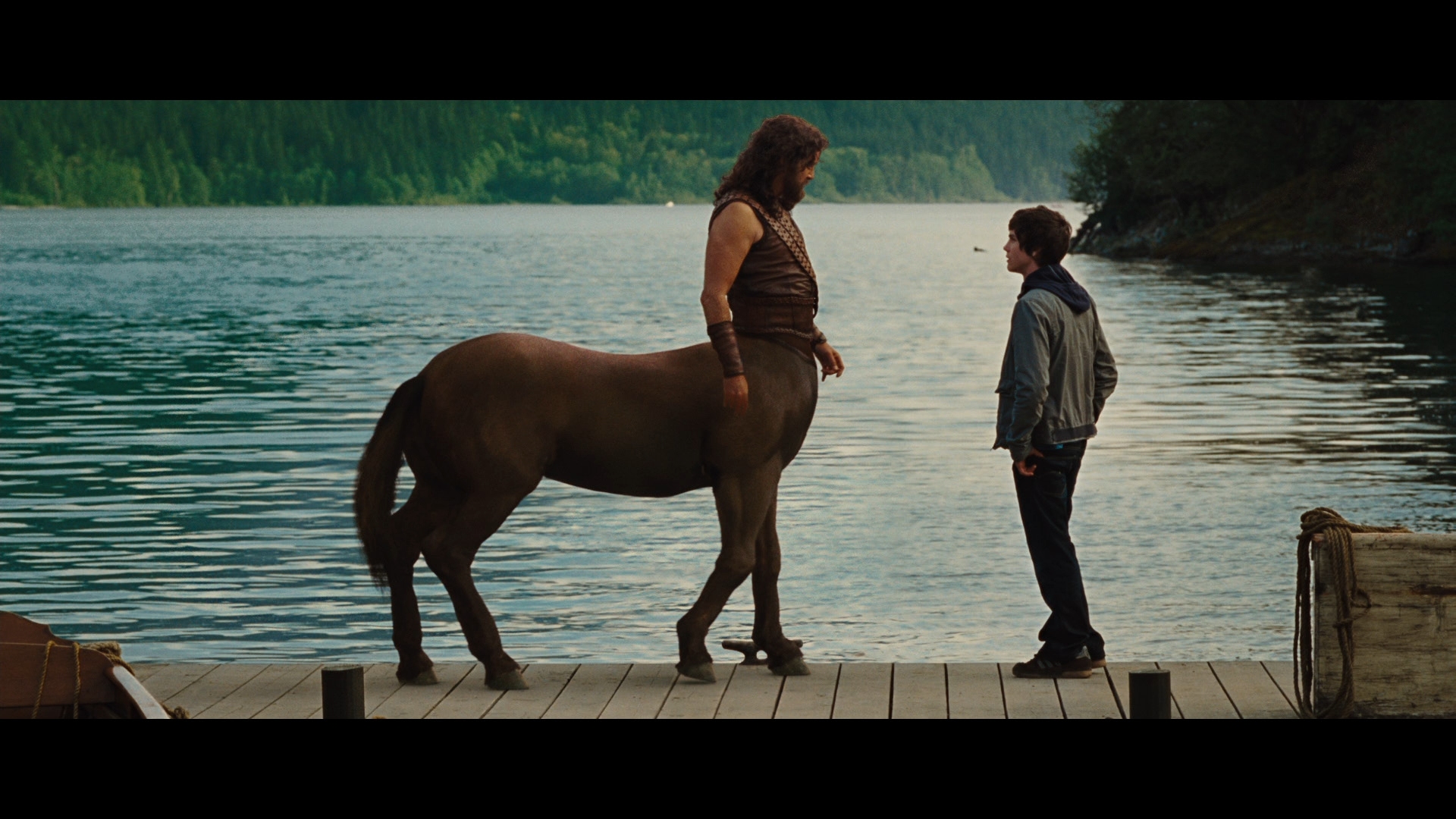
| Centaur (Chiron) | Mentor / Teacher | Director of Activities | Archery / Tactical training |
| Demigod (Annabeth) | Strategist / Partner | Fellow adventurer | Intellect / Combat |
| Cyclops (Tyson) | Protector / Brother | Half-brother | Forge crafting / Strength |
The Search for Pan and Environmental Significance
A major portion of Grover's journey, particularly in The Battle of the Labyrinth, revolves around his lifelong dream of finding the god Pan. This subplot adds a layer of environmental commentary to the series. Pan, the god of the wild, is dying because of human neglect and the destruction of the natural environment.
Grover’s quest is not just a personal goal; it is a desperate attempt to save the world from ecological decay. His success in finding the resting place of Pan, and his subsequent acceptance of the responsibility to act as the voice of the wild, elevates him from a sidekick to a leader. This trajectory ensures that Grover is not defined merely by his appearance as a "goat friend," but by his contribution to the preservation of the world he and his friends inhabit.
Common Questions Regarding Grover Underwood
1. Is Grover a faun or a satyr? In the Percy Jackson series, the term "satyr" is used specifically for the Greek-aligned nature spirits. While "faun" is the Roman equivalent, Grover is explicitly identified as a satyr throughout the books and adaptations.
2. Why does Grover eat objects like tin cans? Grover’s diet is a hallmark of his satyr nature. In the series, satyrs are naturally attracted to objects that are perceived as strange or flavorful by their standards, with aluminum cans being a recurring, humorous preference.
3. Does Grover ever lose his role as a protector? Grover’s status changes as he grows. While he remains a protector in spirit, his role shifts from a student-keeper to a leader within the Council of Cloven Elders, reflecting his maturation and his success in his quests.
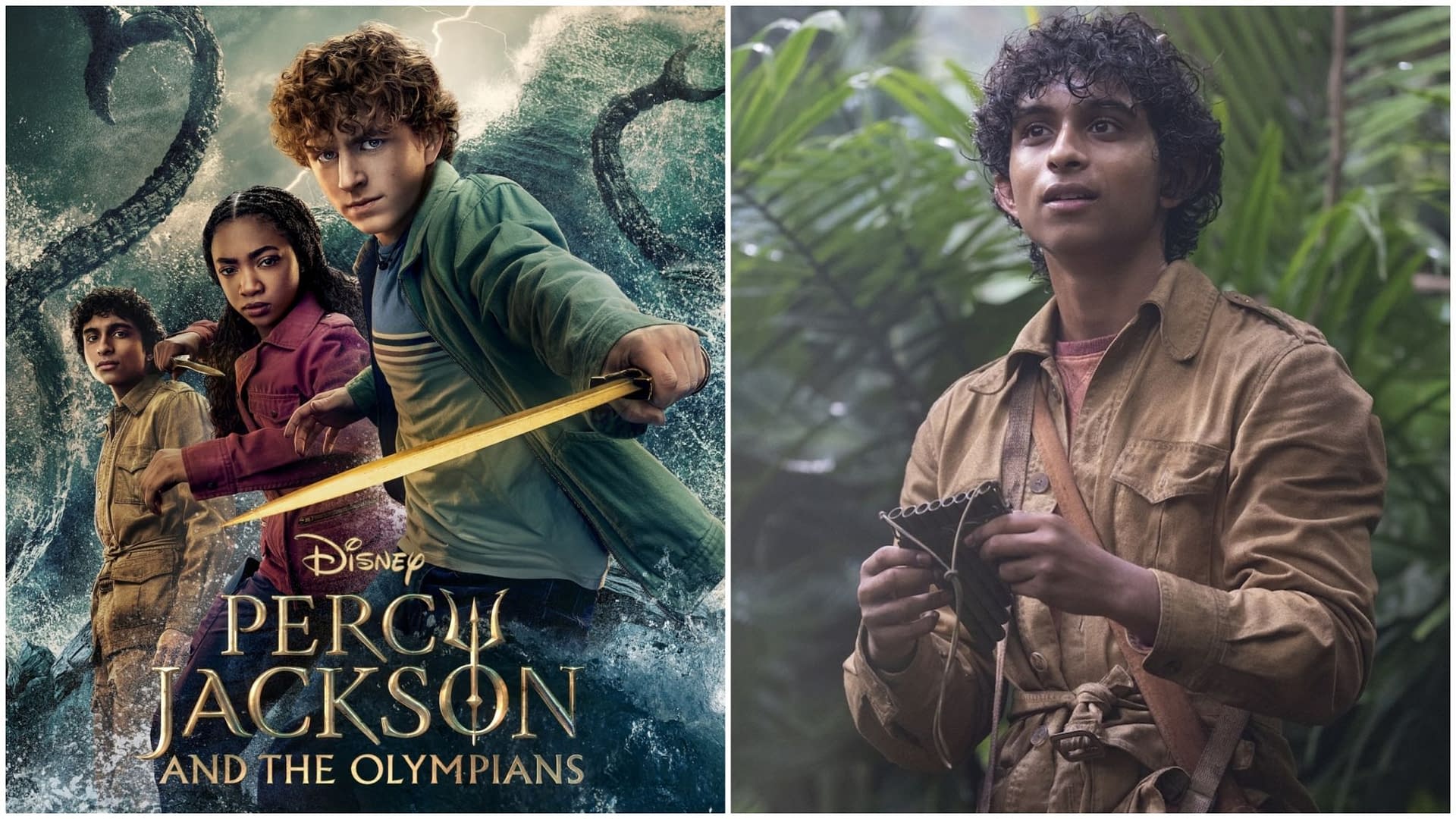
4. How does the television adaptation portray Grover’s goat features? In the 2023 Disney+ adaptation, the production utilizes advanced practical and digital effects to render Grover's goat legs. This maintains the source material's requirement that his true form remains hidden from mortals while being visible to those with the "Sight."
Practical Takeaways for Fans
If you are engaging with the Percy Jackson series for the first time, look for how Grover’s contributions are often subtle yet vital. While Percy delivers the physical strikes, Grover often provides the tactical advantage through nature or the emotional stability required to navigate the gods' complex politics.
For those interested in the mythology behind the character, reading The Greek Myths by Robert Graves or exploring primary classical sources on Pan provides a deeper understanding of why Rick Riordan chose a satyr as the character to represent the "wild" in a modern setting. Grover is the embodiment of the idea that, even in a world of high-stakes godly conflict, the simplest, most fundamental parts of nature—represented by the quiet, earthy presence of a satyr—are what truly sustain life.
Grover Underwood remains one of the most consistent and well-developed characters in the franchise. His growth from a nervous teenager to a confident, powerful defender of the earth serves as a testament to the series' themes of loyalty, bravery, and the importance of protecting the environment.
Image Gallery