Ink Business Credit Card: A Comprehensive Reference Overview for 2026
The Ink Business credit card suite, issued by JPMorgan Chase, is a collection of financial tools designed to meet the diverse needs of small business owners, freelancers, and large-scale enterprises. As of 2026, these cards remain a co...
The Ink Business credit card suite, issued by JPMorgan Chase, is a collection of financial tools designed to meet the diverse needs of small business owners, freelancers, and large-scale enterprises. As of 2026, these cards remain a cornerstone of business finance due to their flexible rewards structures, robust expense management features, and the ability to earn either high-percentage cash back or valuable travel rewards points within the Ultimate Rewards ecosystem.
Contents
The Strategic Role of Ink Business Cards in Modern Enterprise
In the current fiscal landscape of 2026, business credit cards have evolved beyond simple lines of credit into integrated financial management platforms. The Ink Business suite serves as a primary vehicle for separating personal and business expenses—a fundamental requirement for maintaining "corporate ails" and simplifying tax preparation. These cards allow owners to delegate spending power to employees while maintaining centralized control and capturing rewards on every dollar spent.
Selecting the right Ink card requires an analysis of a business’s specific spending patterns. Some businesses benefit most from "flat-rate" rewards, which provide a consistent return on all purchases, while others generate more value through "category-based" rewards that target high-volume overhead costs like digital advertising, shipping, or office supplies. Understanding the nuances between these products is essential for optimizing the return on investment (ROI) for business procurement.
Disclaimer: This overview provides general information and does not constitute professional financial, legal, or tax advice. Business owners should consult with a qualified professional regarding their specific financial situation.
The Core Ink Business Portfolio: Detailed Comparisons
The Ink suite is comprised of four primary cards, each tailored to a specific type of business spending and reward preference. Understanding the distinction between "no-annual-fee" cards and "premium" cards is the first step in the selection process.
Ink Business Preferred® Credit Card
The Ink Business Preferred is widely considered the flagship of the suite for businesses that prioritize travel and high-volume growth. Its primary value proposition lies in its ability to earn 3 points per $1 on the first $150,000 spent in combined annual purchases across several key business categories. These categories include shipping, social media and search engine advertising, internet, cable, and phone services, and travel.
One of the most significant advantages of this card in 2026 is its point-valuation boost. When points are redeemed for travel through the Chase Travel℠ portal, they are worth 25% more (1.25 cents per point). Furthermore, it allows for 1:1 point transfers to leading airline and hotel loyalty programs, which often yields a much higher value per point for international or luxury travel.
Ink Business Cash® Credit Card
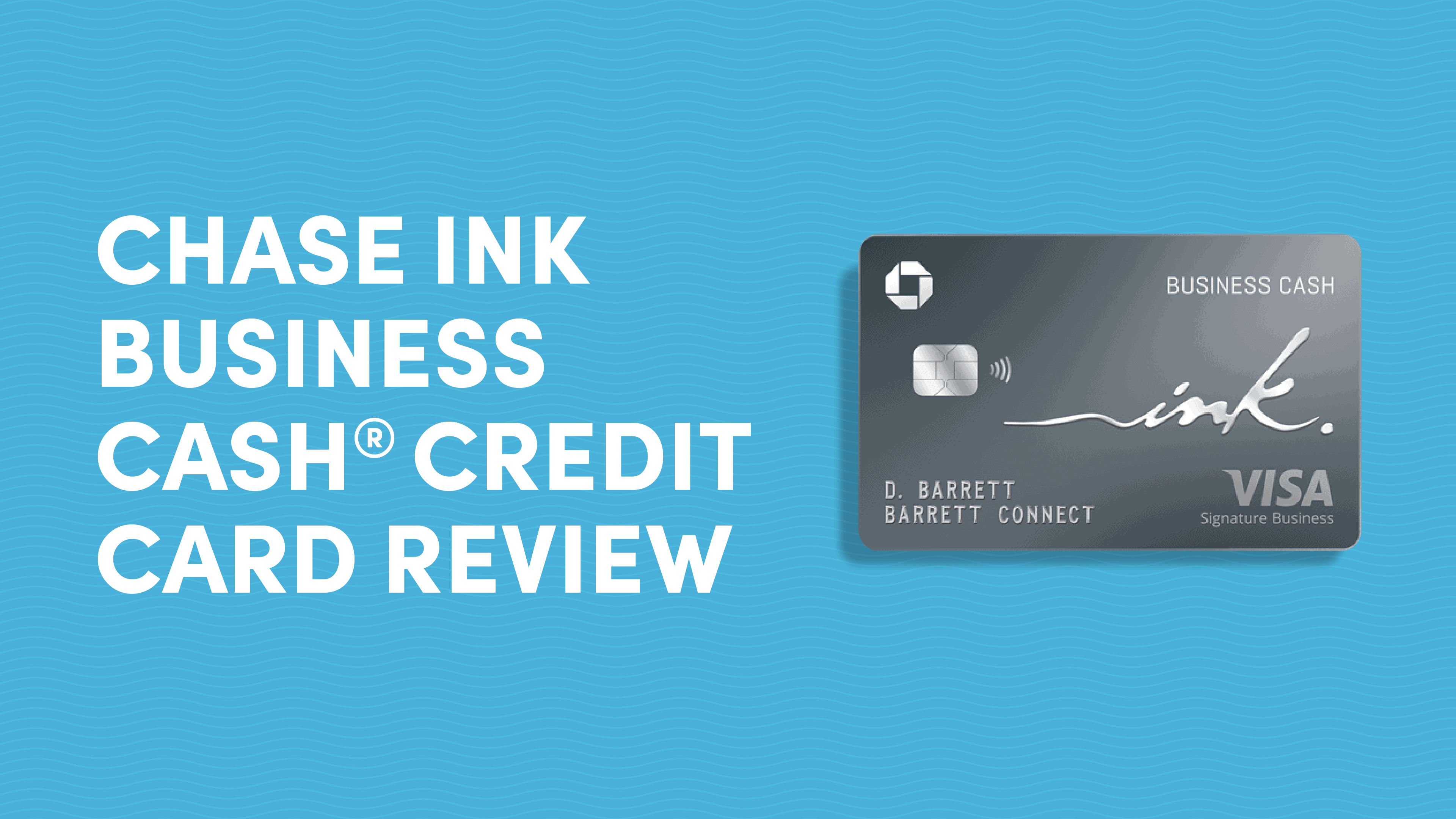
As a no-annual-fee option, the Ink Business Cash card is ideal for businesses with high expenditures in traditional office overhead. It offers a substantial 5% cash back on the first $25,000 spent annually at office supply stores and on internet, cable, and phone services. Additionally, it provides 2% cash back on the first $25,000 spent at gas stations and restaurants each account anniversary year.
While it is marketed as a "cash back" card, the rewards are technically earned as Ultimate Rewards points. For businesses that also hold a premium card like the Ink Business Preferred or a personal Chase Sapphire card, these points can be moved to the premium account to unlock higher travel redemption values.
Ink Business Unlimited® Credit Card
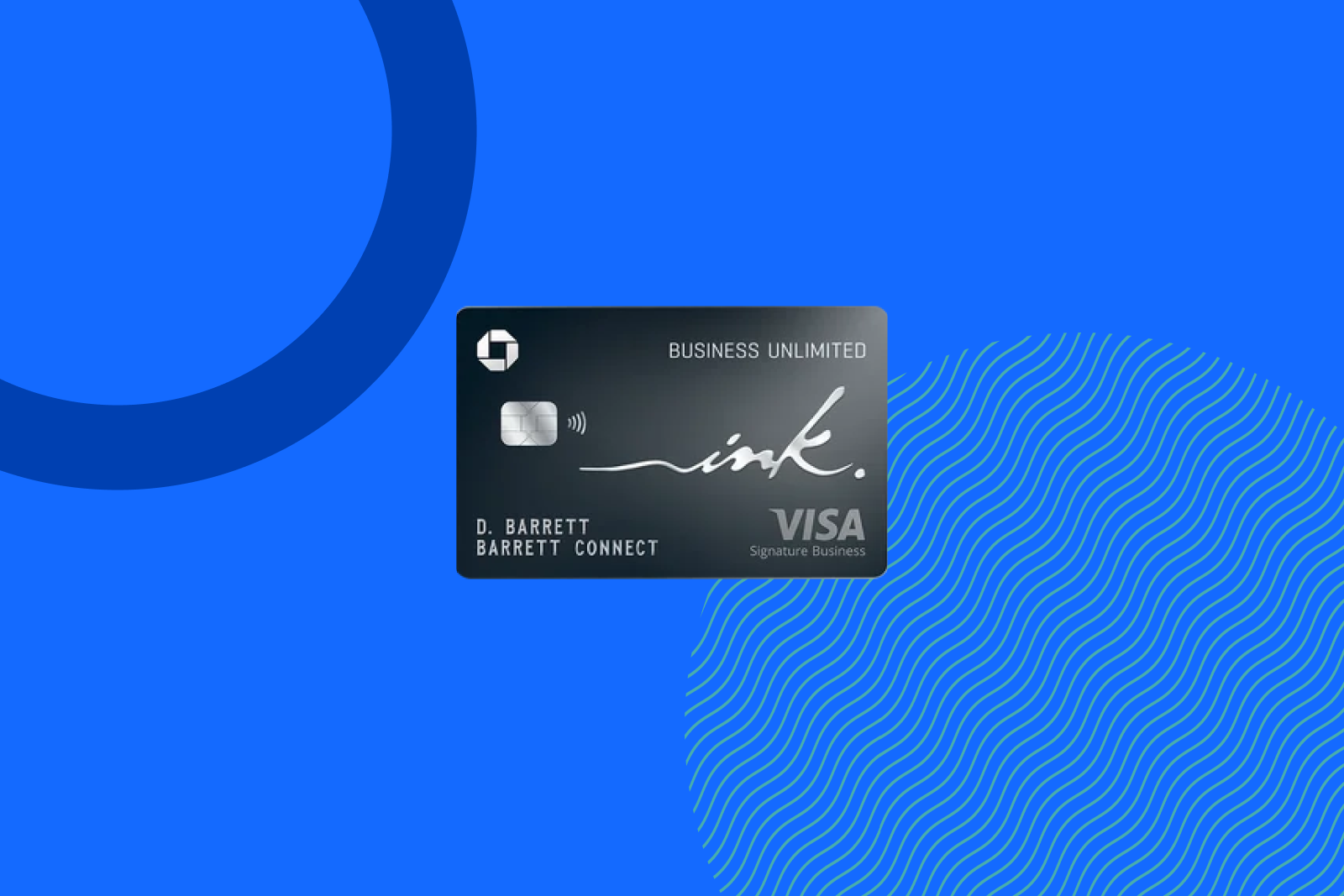
The Ink Business Unlimited is designed for simplicity. For businesses that do not want to track categories or manage spending caps, this card offers a flat 1.5% cash back on every purchase. This is particularly effective for service-based businesses or those with unconventional expenses that do not fall into standard bonus categories. Like the Cash version, this card has no annual fee and participates in the Ultimate Rewards program, allowing for point consolidation with other Chase accounts.
Ink Business Premier® Credit Card
The Ink Business Premier is a unique "pay-in-full" style card aimed at high-spend enterprises. It offers 2% cash back on all purchases, but with a significant "kicker": it earns 2.5% cash back on every purchase of $5,000 or more. While it carries a higher annual fee ($195 as of 2026), it is designed for businesses with large invoice payments. It is important to note that unlike the other three cards, the rewards earned on the Premier card generally cannot be transferred to travel partners, even if you hold other Chase cards.
Comparison of Key Features and Costs
| Feature | Ink Business Preferred | Ink Business Cash | Ink Business Unlimited | Ink Business Premier |
|---|---|---|---|---|
| Annual Fee | $95 | $0 | $0 | $195 |
| Primary Reward | 3x on select categories | 5x/2x on select categories | 1.5x on all purchases | 2% flat (2.5% on $5k+) |
| Travel Portal Value | 1.25 cents per point | 1.0 cents per point | 1.0 cents per point | 1.0 cents per point |
| Point Transfers | Yes (1:1 to partners) | No (unless combined) | No (unless combined) | No |
| Employee Cards | No additional cost | No additional cost | No additional cost | No additional cost |
| Foreign Trans. Fee | 0% | 3% | 3% | 0% |
Application Requirements and Eligibility
Applying for an Ink Business card requires more than just a good credit score; it requires proof of business activity. However, the definition of a "business" is broader than many applicants realize.
- Business Entities: Eligible entities include Sole Proprietorships, Limited Liability Companies (LLCs), Corporations, and Partnerships. Freelancers, gig economy workers (such as those driving for ride-share services), and owners of side-hustles can often apply as sole proprietors using their Social Security Number (SSN) if they do not have an Employer Identification Number (EIN).
- Credit Profile: Chase typically looks for a "Good" to "Excellent" credit score, generally considered to be 700 or higher. They also evaluate the applicant's "5/24 status," a well-documented (though not officially publicized) rule where Chase may decline applications if the individual has opened five or more personal credit cards with any issuer in the past 24 months.
- Financial Documentation: While many applications are approved instantly based on credit reports, some may require additional documentation, such as tax returns, bank statements, or business licenses, to verify revenue and business legitimacy.
Detailed information on federal tax identification can be found at the Internal Revenue Service (IRS) website.
Advanced Strategies: The "Ink Trifecta"
Sophisticated business owners often utilize a strategy known as the "Ink Trifecta" or "Chase Quadfecta" to maximize their rewards. By holding multiple cards within the ecosystem, a business can route every expense to the card that offers the highest multiplier.
- Step 1: Use the Ink Business Cash for all office supplies, internet, and phone bills to capture the 5% return.
- Step 2: Use the Ink Business Preferred for travel, shipping, and digital advertising to capture the 3% return.
- Step 3: Use the Ink Business Unlimited for all other "non-category" expenses to ensure a minimum 1.5% return.
- Step 4: Consolidate all earned points into the Ink Business Preferred account. This allows the points earned at 5% and 1.5% to be redeemed for travel at the higher 1.25-cent rate or transferred to airline partners.
Protection and Management Benefits
Beyond the rewards, the Ink suite provides critical protections that serve as a secondary insurance layer for business operations.
Primary Rental Car Coverage
Unlike most personal credit cards that offer "secondary" coverage, the Ink Business Preferred, Cash, and Unlimited offer primary Auto Rental Collision Damage Waiver (CDW) when renting for business purposes. This means the card's insurance pays first, allowing the business owner to avoid filing a claim with their personal insurance company and potentially seeing premium increases.
Purchase and Extended Warranty
Most Ink cards provide purchase protection against damage or theft for up to 120 days (up to $10,000 per claim) and extend the time period of U.S. manufacturer’s warranties by an additional year on eligible warranties of three years or less.
Cell Phone Protection
The Ink Business Preferred is notable for its cell phone protection. If you pay your monthly bill with the card, you can get up to $1,000 per claim in protection against theft or damage for you and your employees listed on the bill, subject to a $100 deductible.
Common Pitfalls and How to Avoid Them
Even with a robust reference, business owners can make mistakes that diminish the value of their credit cards.
- Commingling Funds: Using a business card for personal expenses can complicate accounting and potentially jeopardize the "limited liability" protection of an LLC or corporation. Always keep business and personal charges separate.
- Missing the Welcome Offer: These cards often come with significant sign-up bonuses (e.g., 75,000 to 100,000 points). Failing to meet the "minimum spend" requirement within the first 3 months results in a total loss of this bonus, which is often the most valuable part of the card in the first year.
- Ignoring Interest Rates: While the rewards are lucrative, the APR on business cards is often high. Carrying a balance will quickly negate any rewards earned. These cards are best used as transactional tools that are paid in full every month.
Detailed consumer protection regulations regarding credit cards can be monitored via the Consumer Financial Protection Bureau (CFPB).
Frequently Asked Questions
Can I get an Ink card if I only have a "side hustle"?
Yes. You do not need a formal office or a large staff to qualify for an Ink Business card. Many freelancers and independent contractors apply as sole proprietors. As long as you have a profit-seeking activity, you can apply using your own name as the business name and your SSN as the tax ID.
Does an Ink Business card affect my personal credit score?
Applying for the card involves a "hard inquiry" on your personal credit report, which may cause a temporary, minor dip in your score. However, Chase generally does not report the ongoing activity (like your monthly balance) of Ink business cards to personal credit bureaus, provided the account remains in good standing. This is beneficial because high business spending won't impact your personal credit utilization ratio.
How do employee cards work?
You can request employee cards at no additional cost. These cards allow your staff to make necessary business purchases, and you can set individual spending limits on each card. All rewards earned by employees accrue to the primary business owner's account.
What happens to my points if I close the card?
If you close your only Ultimate Rewards-earning card, you will lose any unredeemed points. To prevent this, you should either redeem the points before closing or transfer them to another Chase card (personal or business) that participates in the Ultimate Rewards program.
Is the Ink Business Premier better than the Preferred?
It depends on your spending volume. The Premier card is better for businesses that spend millions of dollars annually and prefer simple cash back. However, for businesses that value travel and want to transfer points to partners like United or Hyatt, the Preferred card is almost always the superior choice due to its flexibility.
Final Recommendation
For most small business owners in 2026, the Ink Business Preferred® Credit Card remains the strongest starting point because of its high-value transfer options and cell phone protection. However, if your business spends heavily on office supplies or has a very consistent, non-categorized spend, the Ink Business Cash or Unlimited are excellent "no-cost" entries into the ecosystem. The most effective strategy is often to start with one and, as the business grows, add the others to create a comprehensive "trifecta" that ensures every dollar spent contributes to the company's bottom line.
Image Gallery