How Mazda Skyactiv D Reshapes Diesel Efficiency
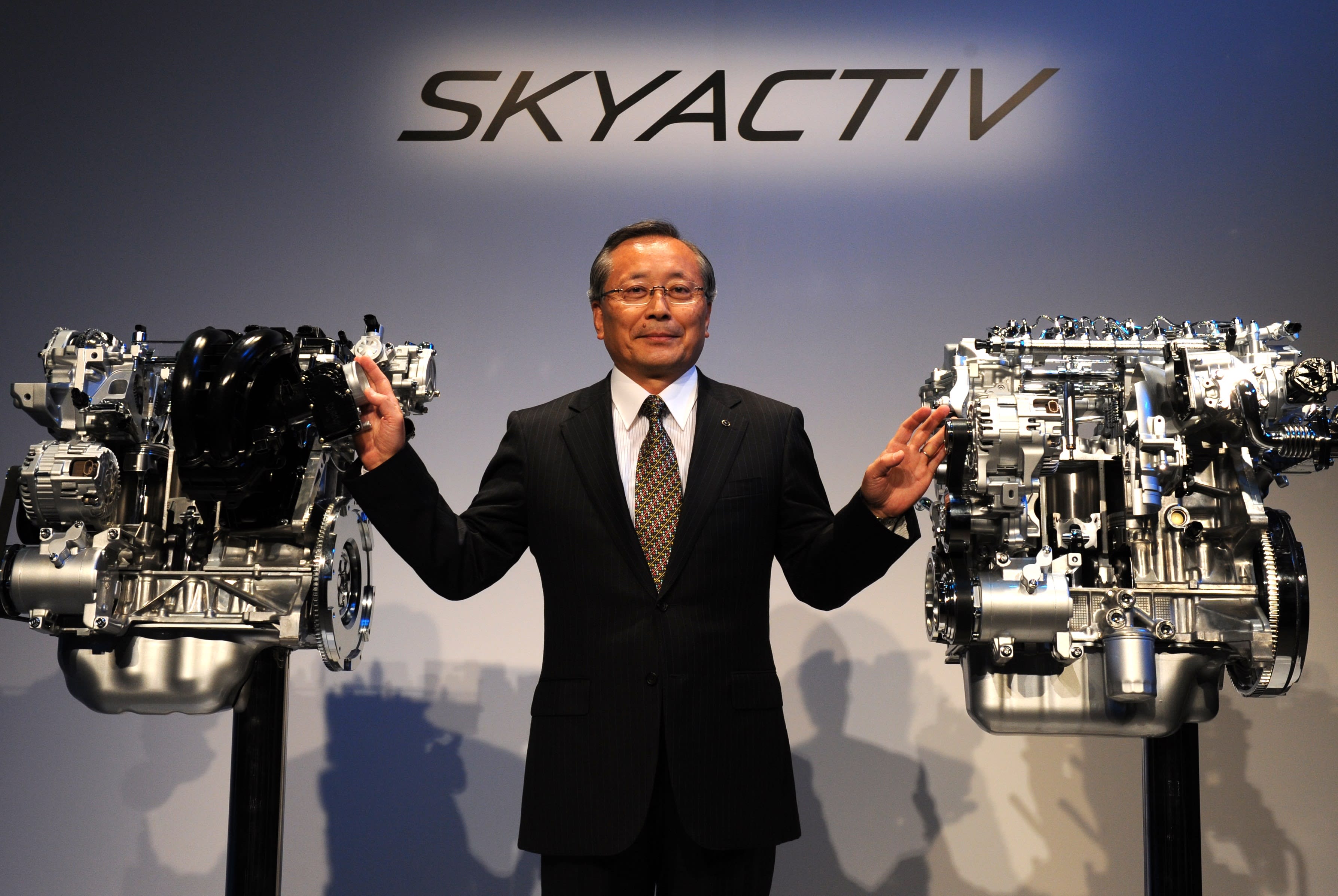
The Mazda Skyactiv-D diesel engine reshapes efficiency by utilizing an exceptionally low 14.5:1 compression ratio, a two-stage sequential turbocharger system, and precise multi-hole piezo injectors. This engineering approach circumvent...
The Mazda Skyactiv-D diesel engine reshapes efficiency by utilizing an exceptionally low 14.5:1 compression ratio, a two-stage sequential turbocharger system, and precise multi-hole piezo injectors. This engineering approach circumvents traditional diesel drawbacks like high nitrogen oxide emissions and heavy weight, achieving high thermal efficiency and a responsive, high-revving performance profile without requiring expensive aftertreatment systems.
Contents
The Engineering Philosophy Behind Skyactiv-D
For decades, the conventional wisdom governing internal combustion engines dictated that diesel powerplants required high compression ratios—often exceeding 16:1 or 18:1—to reliably self-ignite heavy fuel oils under high pressure. While this delivered strong low-end torque, it introduced severe structural penalties. High compression created immense peak pressures inside the cylinders, forcing engineers to build heavy, reinforced engine blocks and crankshafts to withstand the mechanical stress. This added mass undermined vehicle dynamics and counteracted fuel economy gains.
Mazda disrupted this paradigm by targeting an ultra-low compression ratio of 14.5:1 for its Skyactiv-D architecture. Achieving spontaneous ignition of diesel fuel at such a low ratio presented a fundamental thermodynamic challenge: standard compression ignition relies on the heat generated by squeezing air tightly into a small volume. With a lower compression ratio, the compressed air is cooler and less dense, which typically leads to misfires, slow combustion, and excessive unburned hydrocarbons during cold starts.
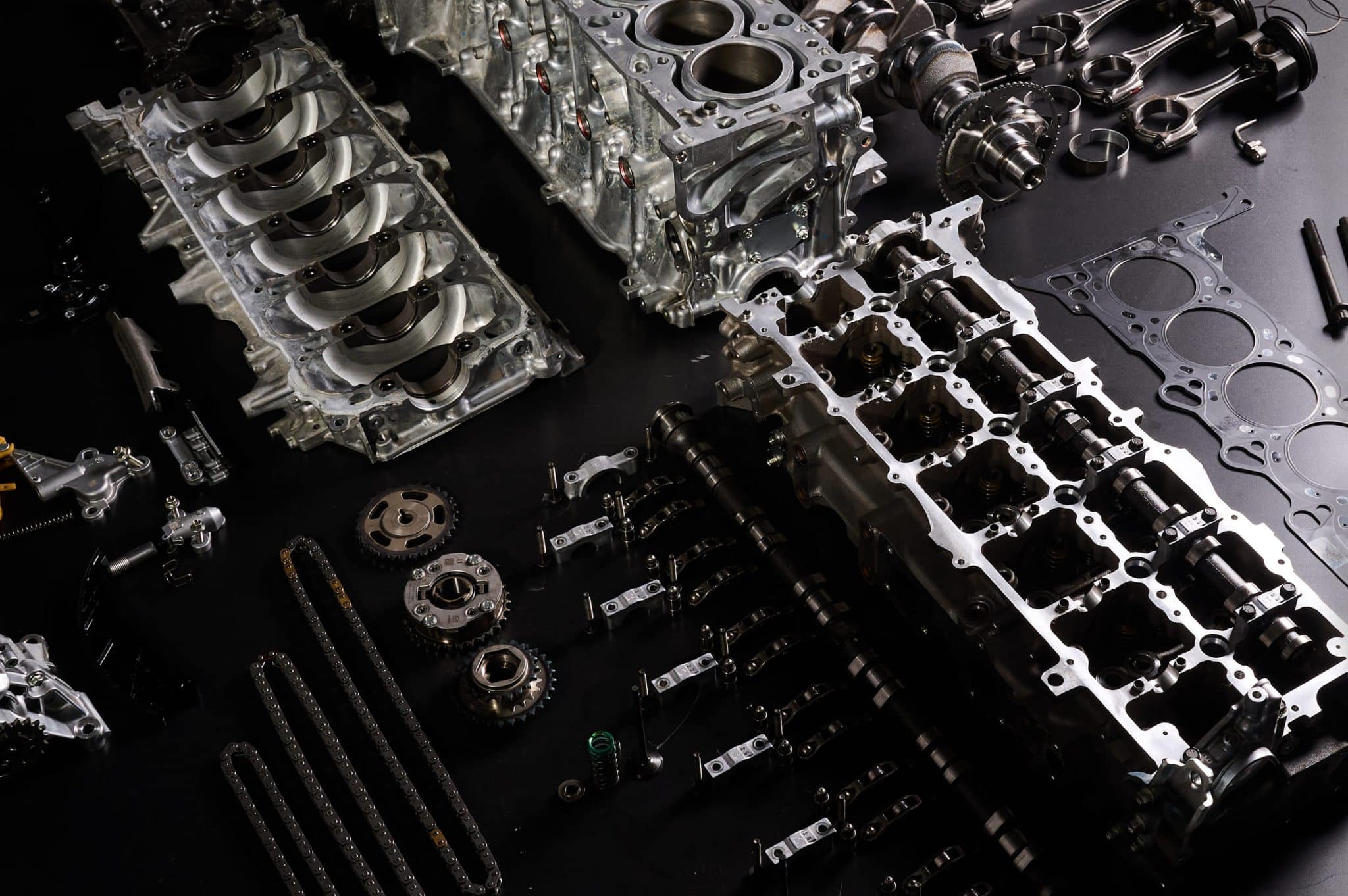
To solve this, Mazda's engineering teams redesigned the piston crown to feature a specialized stepped cavity, paired with multi-hole piezo injectors capable of multiple precise injections per power stroke. Furthermore, variable valve actuation allows a small amount of exhaust gas to remain in the cylinder during the intake stroke, raising the internal ambient temperature enough to facilitate smooth, complete combustion at the lower 14.5:1 ratio. This technological leap eliminated the need for heavy structural reinforcements, creating an aluminum engine block that weighs significantly less than traditional diesel counterparts.
Thermodynamic Efficiency and Emissions Control
The core driver of the Skyactiv-D's fuel economy is its world-class thermal efficiency. By dropping the compression ratio, the engine reduces the temperature extremes within the combustion chamber. Lower peak combustion temperatures inherently reduce the formation of nitrogen oxides (NOx), which are notoriously difficult and costly to scrub from exhaust streams.
Conventional diesels rely on heavy exhaust gas recirculation (EGR) and selective catalytic reduction (SCR) systems requiring urea injection (AdBlue) to meet stringent emissions regulations. While modern Skyactiv-D variants utilize targeted emissions control hardware depending on regional market requirements, the intrinsic combustion cleanliness reduces reliance on heavy aftertreatment.
| Feature | Conventional Diesel Engine | Mazda Skyactiv-D Engine |
|---|---|---|
| Compression Ratio | 16:1 to 18:1+ | 14.5:1 |
| Engine Block Material | Cast Iron or Heavy Alloy | Lightweight Aluminum |
| Combustion Temperature | High (Increases NOx formation) | Lower (Reduces raw NOx output) |
| Redline / Max RPM | 4,500 – 5,000 RPM | Up to 5,200 RPM |
| Turbocharger Setup | Single Variable Geometry | Two-Stage Sequential Turbo |
The lower compression ratio also extends the combustion duration smoothly. Instead of a sudden, explosive spike in pressure that wastes energy fighting mechanical resistance, the expansion stroke pushes the piston downward in a prolonged, highly controlled manner. This extracts more mechanical work from every drop of fuel, directly translating into superior miles-per-gallon (MPG) figures on the highway and in stop-and-go urban traffic.
Two-Stage Sequential Turbocharging and Throttle Response
One of the most persistent criticisms of traditional diesel engines is turbo lag—the frustrating delay between pressing the accelerator pedal and the turbocharger spooling up enough boost to deliver acceleration. This sluggishness stems from relying on a single, large variable-geometry turbocharger struggling to provide low-end responsiveness while maintaining high-end power.
Mazda solved this limitation by engineering a two-stage sequential turbocharger system for the Skyactiv-D. The setup pairs a small, high-response turbocharger with a larger, high-capacity turbocharger.
- Low RPM Range: The smaller turbocharger spins up almost instantaneously under low exhaust flow, eliminating turbo lag and delivering sharp, immediate throttle tip-in.
- Medium RPM Range: Both turbochargers operate in tandem, blending boost pressure to maintain a flat, robust torque curve across a wide operational band.
- High RPM Range: The smaller turbo bypasses exhaust gases, leaving the larger turbo to supply maximum volume for sustained high-speed passing power.
This sequential configuration allows the Skyactiv-D to rev freely up to 5,200 RPM—an unusually high ceiling for a passenger car diesel. Drivers experience a linear power delivery profile that closely mimics a naturally aspirated gasoline engine rather than the peaky, narrow power band typical of older diesel units.
Real-World Performance and Vehicle Integration
Integrating the Skyactiv-D into global vehicle architectures required balancing efficiency with refinement, noise, vibration, and harshness (NVH) control. Traditional diesel engines suffer from a loud, clattering combustion noise at idle, caused by the violent pressure spikes of high-compression ignition.
Because the Skyactiv-D operates at a lower 14.5:1 ratio, the combustion process is inherently quieter and smoother. Mazda complemented this acoustic advantage with precise fuel injection timing and natural frequency dampening within the engine mounts and cabin insulation. The result is a powerplant that idles with a subdued hum, virtually indistinguishable from a gasoline engine to occupants inside the cabin.
Fuel efficiency gains materialize clearly during long-distance cruising and towing applications. Diesel fuel contains roughly 10 to 15 percent more energy per gallon than gasoline. When combined with the thermodynamic advantages of the Skyactiv-D’s low compression ratio and lightweight aluminum construction, vehicles equipped with this engine regularly achieve exceptional highway cruising ranges, minimizing fuel stops during long road trips.
Maintenance Considerations and Operational Limitations
While the Skyactiv-D delivers impressive efficiency, operating and maintaining a modern clean-diesel engine requires adherence to specific operational guidelines to ensure long-term reliability.
- Fuel Quality: High-pressure common-rail injection systems demand clean, high-grade ultra-low sulfur diesel (ULSD) fuel. Using contaminated or poor-quality fuel can damage sensitive piezo injectors.
- Driving Cycles: Like all modern diesel engines equipped with diesel particulate filters (DPF), the Skyactiv-D performs best when driven regularly on sustained trips long enough to allow the exhaust system to reach operating temperatures required for active DPF regeneration. Frequent short, stop-and-start urban trips can lead to particulate accumulation.
- Maintenance Intervals: Oil change frequencies must be strictly observed. Diesel engines introduce minor fuel dilution into the engine oil over time, particularly during DPF regeneration cycles, making timely fluid maintenance critical.
Frequently Asked Questions
Why does a lower compression ratio improve diesel efficiency?
A lower compression ratio lowers peak combustion temperatures, which reduces heat losses through the cylinder walls and minimizes unwanted nitrogen oxide emissions. This allows engineers to optimize combustion timing and extract more mechanical energy out of every expansion stroke, improving overall thermal efficiency.
Does the Mazda Skyactiv-D require AdBlue fluid?
Depending on the specific model year, displacement (such as the 2.2L or 1.5L variants), and regional emissions standards, some Skyactiv-D versions utilize Selective Catalytic Reduction (SCR) systems requiring urea-based fluid (AdBlue), while others rely purely on in-cylinder combustion optimization and exhaust gas recirculation.
Can the Skyactiv-D rev as high as a gasoline engine?
While it cannot match high-revving sports car gasoline engines, the Skyactiv-D revs up to 5,200 RPM. This is significantly higher than traditional passenger car diesels, which typically run out of breath around 4,000 to 4,500 RPM, thanks to its two-stage sequential turbocharging setup.
What are the main maintenance concerns for a Skyactiv-D engine?
Owners must adhere strictly to recommended oil change intervals to manage potential fuel dilution during DPF regeneration and use high-quality ultra-low sulfur diesel fuel to protect the precision piezo fuel injectors from premature wear.
Is turbo lag noticeable in Skyactiv-D engines?
No. Mazda's two-stage sequential turbocharging system uses a small turbo for instant low-end responsiveness and a larger turbo for high-end power, effectively eliminating traditional diesel turbo lag and providing linear acceleration.
Conclusion and Next Actions
The Mazda Skyactiv-D stands as a testament to targeted internal combustion engine development, proving that diesel technology can achieve high thermal efficiency, reduced emissions, and spirited performance without excessive weight or mechanical complexity. For drivers evaluating vehicle options focused on long-distance fuel economy and towing capability, reviewing specific regional model specifications, maintenance schedules, and fuel availability will ensure the engine aligns with your driving patterns.
Image Gallery