Why Body Design Fitness Works for Lasting Strength
Body Design Fitness works for lasting strength by integrating personalized biomechanical assessments with periodized resistance training that prioritizes movement quality over sheer volume. Unlike generic programs, it synchronizes prog...
Body Design Fitness works for lasting strength by integrating personalized biomechanical assessments with periodized resistance training that prioritizes movement quality over sheer volume. Unlike generic programs, it synchronizes progressive overload with individual metabolic recovery rates, ensuring that strength gains are physiologically sustainable, injury-resistant, and adaptable to long-term lifestyle changes in 2026.
Contents
Strength is often misunderstood as a temporary peak in physical performance—something achieved for a season and lost shortly after. However, the methodology behind Body Design Fitness focuses on "lasting strength," a state where the musculoskeletal and nervous systems are conditioned to maintain high levels of force production and functional stability over years, not weeks. To understand why this specific approach succeeds where others fail, one must look at the intersection of exercise science, neurology, and habit formation.
The Science of Sustainable Gains: Why Random Workouts Fail
The primary reason many fitness enthusiasts fail to maintain strength is a lack of systematic progression. In 2026, the "fitness fatigue" from high-intensity interval training (HIIT) fads has led to a resurgence in structured methodologies like Body Design Fitness. Most generic gym routines rely on "muscle confusion" or random exercise selection, which may provide initial results but eventually lead to plateaus or overuse injuries.
Body Design Fitness operates on the principle of Specific Adaptation to Imposed Demands (SAID). This principle dictates that the body will adapt specifically to the types of stress placed upon it. By focusing on foundational compound movements—squats, hinges, pushes, and pulls—and refining them through a "design" lens, the program ensures that the stress is productive.
Neurological Adaptation vs. Hypertrophy
Lasting strength isn't just about the size of the muscle (hypertrophy); it is about the efficiency of the nervous system. Body Design Fitness emphasizes neural drive, which is the ability of the brain to recruit motor units effectively.
- Initial Phases: Focus on "waking up" dormant muscle fibers through corrective exercise and high-repetition, low-load stability work.
- Advanced Phases: Shift toward heavier loads that require the nervous system to coordinate complex movements under tension.
By prioritizing the neurological component, participants often find they can lift more and move better without necessarily needing to carry excessive muscle mass, which makes the strength more "portable" and easier to maintain as they age.
Biomechanical Integrity: The Foundation of the Body Design Approach
A core reason Body Design Fitness remains a gold standard for lasting strength is its obsession with biomechanics. Every individual has a unique skeletal structure, limb length, and joint mobility profile. A "standard" squat might be optimal for one person but destructive for another’s lower back or knees.
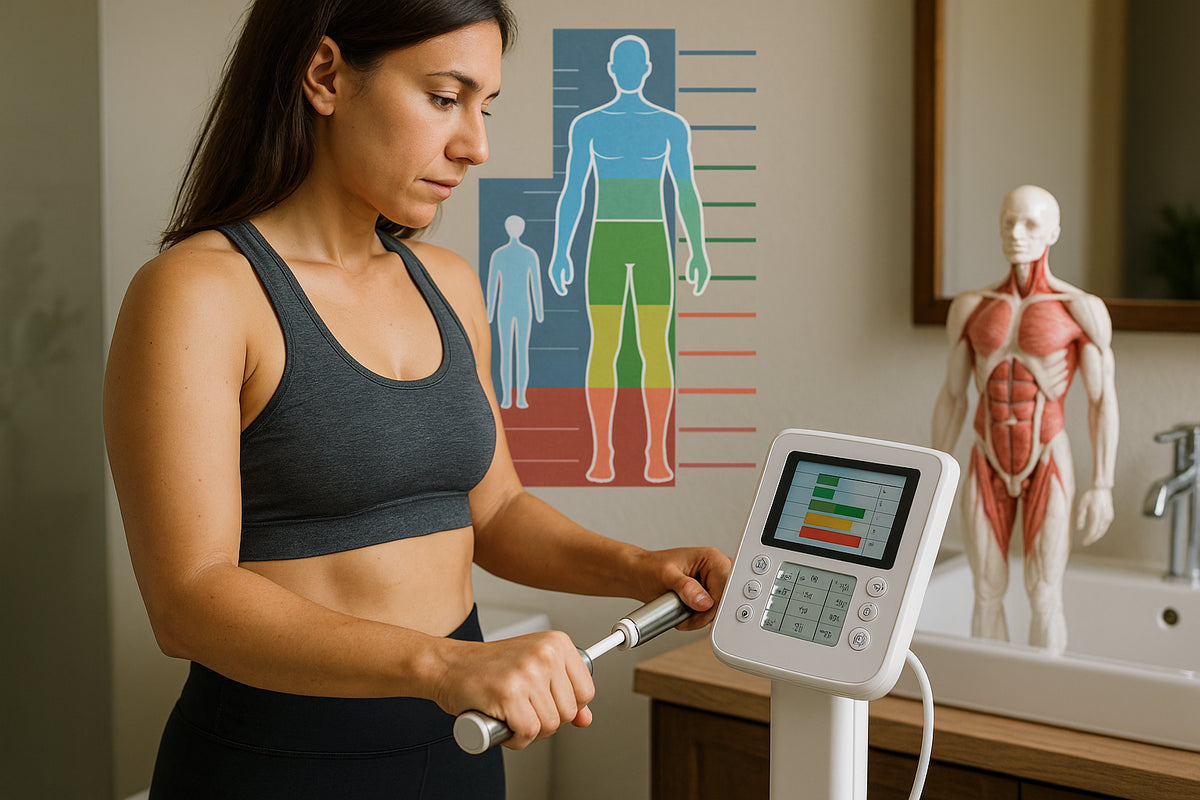
The "Design" aspect of the program involves a comprehensive initial assessment where a trainer or a sophisticated 2026 AI-driven motion analysis tool identifies:
- Imbalances: Dominance in certain muscle groups (like the quadriceps) that may lead to joint strain elsewhere.
- Mobility Restrictions: Tightness in the ankles or hips that prevents proper form.
- Stability Gaps: Weakness in the core or rotator cuffs that limits the amount of weight a person can safely lift.
By addressing these biomechanical hurdles first, the program builds strength on a stable foundation. This significantly reduces the "one step forward, two steps back" cycle caused by the minor injuries that plague traditional weightlifting programs. When the body moves efficiently, it can handle more stress, which translates to faster and more permanent gains.
Periodization: Engineering the "Lasting" in Strength
Lasting strength requires a long-term calendar. Body Design Fitness utilizes periodization, a strategy of organizing training into specific blocks or cycles. In 2026, this has evolved beyond simple "light" and "heavy" weeks into sophisticated physiological management.
| Periodization Phase | Primary Goal | Typical Duration | Focus Areas |
|---|---|---|---|
| Anatomical Adaptation | Strengthening tendons/ligaments | 4–6 Weeks | High reps, slow tempo, mobility |
| Hypertrophy | Increasing muscle fiber size | 6–8 Weeks | Moderate weight, controlled rest |
| Maximal Strength | Peak force production | 4 Weeks | Heavy loads, long recovery, low reps |
| Deload/Maintenance | Systemic recovery | 1–2 Weeks | Reduced volume, active recovery |
This structured approach prevents Overtraining Syndrome (OTS) and ensures that the central nervous system (CNS) has time to recover. Lasting strength is built during the recovery phase, not just the lifting phase. By strategically cycling intensity, Body Design Fitness allows the body to "supercompensate"—returning stronger after each cycle rather than just breaking down.
Metabolic Integration and Recovery Science
Strength does not exist in a vacuum. It is heavily dependent on metabolic health, hormonal balance, and nutritional support. Body Design Fitness works because it treats the trainee as a biological system rather than just a set of muscles.
Hormonal Optimization
Resistance training, when performed correctly, optimizes the production of testosterone and growth hormone while managing cortisol levels. If a workout is too long or too intense without proper structure, cortisol (the stress hormone) can become chronically elevated, which actually breaks down muscle tissue and encourages fat storage. Body Design protocols are typically timed to maximize the "anabolic window" while minimizing the catabolic effects of excessive stress.
The Role of Nutrition in Lasting Strength
In 2026, nutrition for strength has moved away from "bulking and cutting" and toward metabolic flexibility. Body Design Fitness programs often include nutritional guidance that focuses on:
- Protein Synthesis: Ensuring a steady intake of essential amino acids to repair the micro-tears caused by strength training.
- Micronutrient Density: Using minerals like magnesium and zinc to support nerve function and sleep quality.
- Inflammation Management: Utilizing antioxidants and healthy fats (Omega-3s) to speed up joint and muscle recovery.
Without this metabolic support, strength is fleeting because the body lacks the raw materials to sustain the adaptations made in the gym.
The Psychological Component: Consistency and Accountability
The final reason why Body Design Fitness works for lasting strength is the psychological framework it provides. Strength is a "perishable" skill; if you don't use it, you lose it. The program fosters long-term adherence through:
- Measurable Progress: Data-driven tracking (using 2026 biometric integrations) allows participants to see small wins even when they aren't hitting a "Personal Best" every day.
- Community and Coaching: Whether in-person or via high-end remote coaching, the accountability of a "designer" helps trainees navigate the "dip"—the period 3 to 4 months into a program where motivation naturally wanes.
- Identity Shifting: By focusing on "movement quality" and "body design," the program helps individuals stop seeing exercise as a chore and start seeing themselves as "athletes of life." This shift in identity is the strongest predictor of long-term success.
Common Mistakes When Pursuing Lasting Strength
Even with a solid methodology, trainees often fall into traps that undermine their progress. Body Design Fitness actively works to correct these behaviors:
- Ego Lifting: Sacrificing form to lift heavier weights. This leads to "false strength" where the weight is moved by momentum or compensatory muscles rather than the target muscle group.
- Neglecting the Eccentric: Many people drop the weight quickly. Body Design emphasizes the "negative" or lowering phase of the lift, which is where the majority of muscle fiber micro-trauma and subsequent growth occur.
- Lack of Sleep: Strength is a byproduct of the repair that happens during deep sleep. In 2026, sleep hygiene is considered as important as the workout itself in any Body Design protocol.
Frequently Asked Questions
How long does it take to see results with Body Design Fitness?
While initial neurological improvements (feeling "tighter" or more coordinated) can occur within 2 weeks, lasting structural changes to muscle tissue and bone density typically take 8 to 12 weeks of consistent application. By the 6-month mark, these changes become a new physiological baseline.
Is Body Design Fitness suitable for older adults?
Yes. In fact, it is often more effective for those over 50 because it prioritizes joint safety and biomechanical integrity. Lasting strength is the primary defense against sarcopenia (age-related muscle loss) and osteopenia (bone density loss).
Can I achieve lasting strength without lifting heavy weights?
"Heavy" is relative. Body Design Fitness uses the concept of Relative Intensity. As long as the muscle is challenged near its capacity (within the context of safe form), strength gains will occur. This can be achieved through higher repetitions with moderate weight or lower repetitions with heavier weight, depending on the individual's goals and joint health.
Do I need specialized equipment for this methodology?
While a fully equipped facility is ideal for the "Maximal Strength" phase, the principles of Body Design Fitness—progressive overload, controlled tempo, and biomechanical alignment—can be applied using bodyweight, resistance bands, or basic dumbbells. The "Design" is in the programming, not the machine.
How does Body Design Fitness differ from Bodybuilding?
Bodybuilding focuses on aesthetic symmetry and muscle volume (sarcoplasmic hypertrophy). Body Design Fitness focuses on functional force production and systemic stability (myofibrillar hypertrophy). While there is overlap, Body Design prioritizes how the body functions over how it looks in a specific pose.
Next Actions for Building Lasting Strength
To begin applying the Body Design Fitness methodology, start with a Movement Audit. Before adding weight to any exercise, ensure you can perform the movement through a full range of motion with perfect control.
- Assess: Record yourself performing a squat, a hinge (like a deadlift), and a push-up. Look for deviations like caving knees or a rounded back.
- Stabilize: Spend 4 weeks focusing on core stability and corrective exercises to fix any issues found in the assessment.
- Progress: Slowly introduce resistance, focusing on a 3-second lowering phase (eccentric) for every lift.
- Track: Keep a detailed log of not just the weight lifted, but how difficult the set felt on a scale of 1–10 (RPE - Rate of Perceived Exertion).
By following this systematic approach, you ensure that the strength you build in 2026 remains with you for decades to come.
Image Gallery