Public Safety and Policy Shifts Following the Recent Brooklyn Shooting
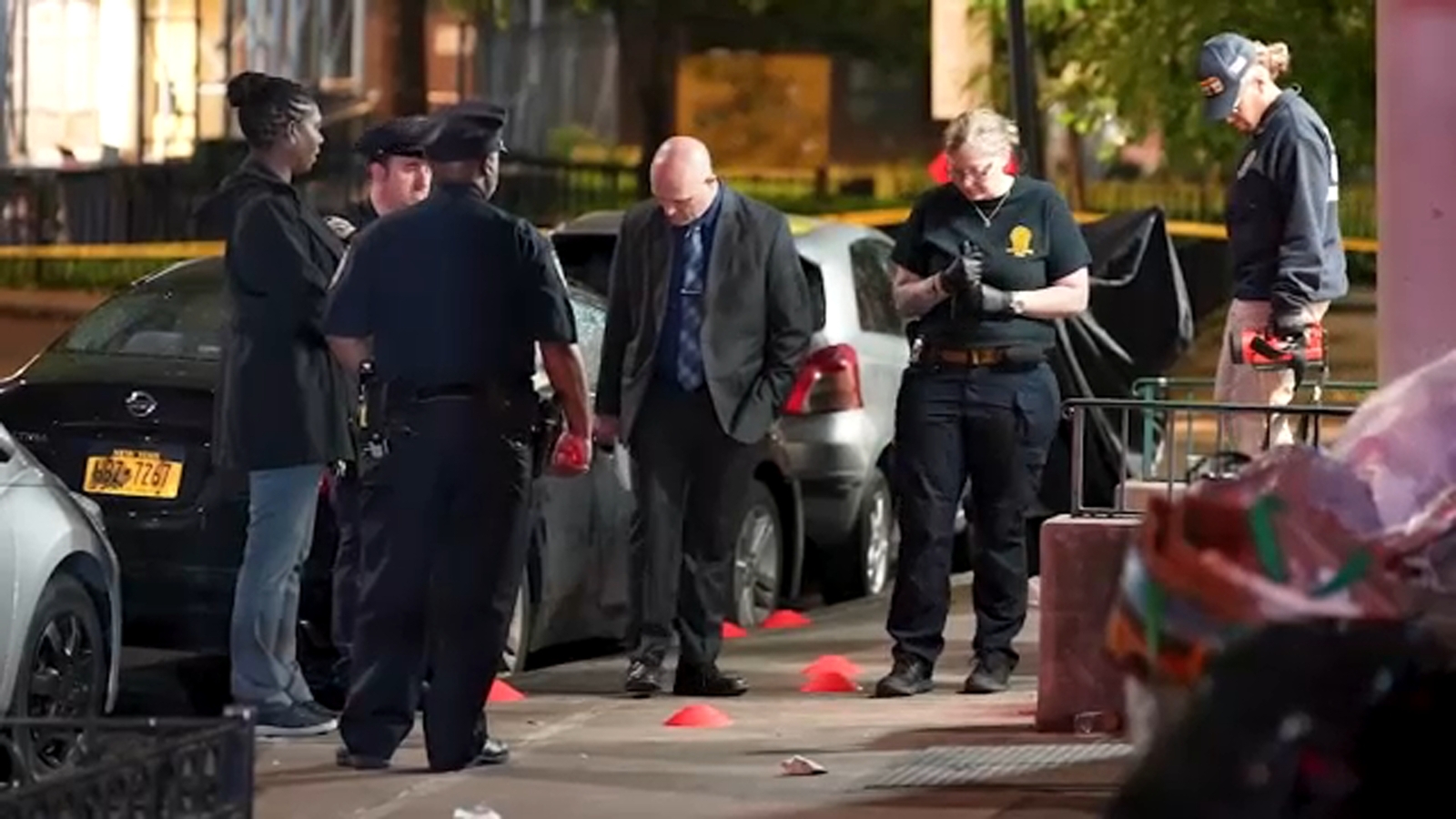
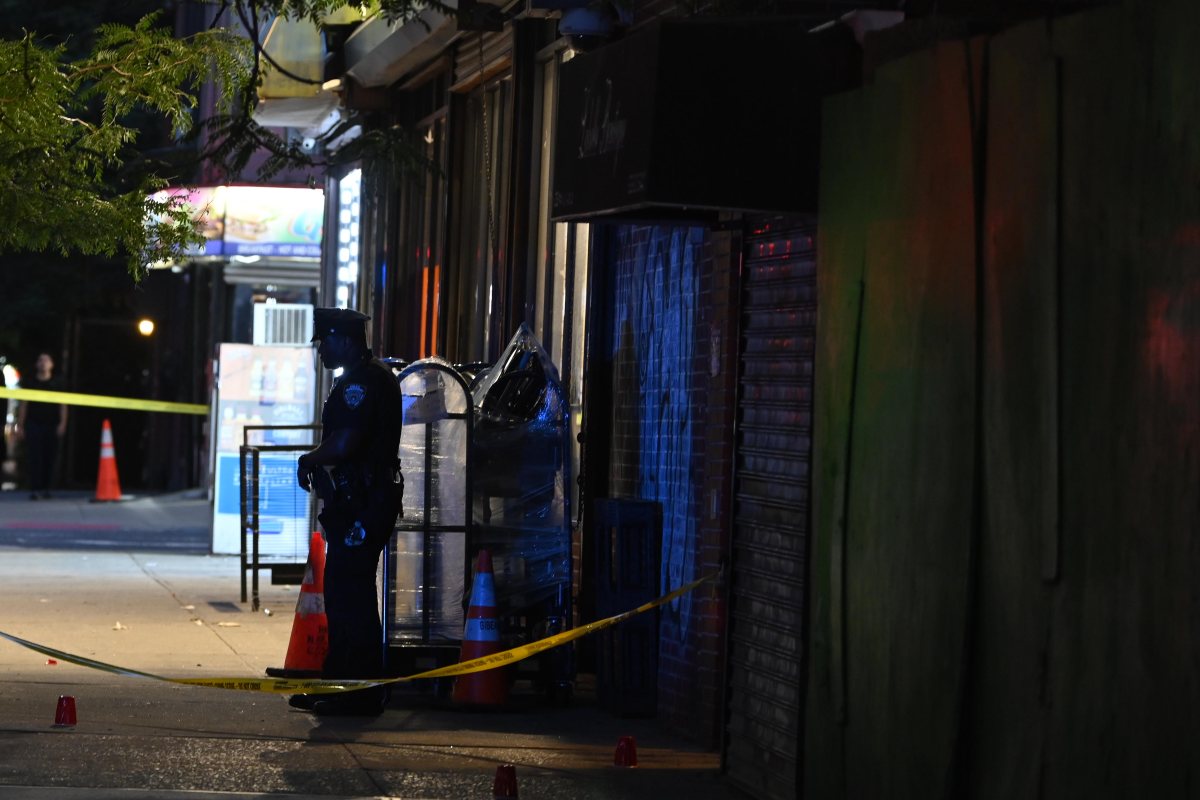
The immediate aftermath of a shooting in Brooklyn triggers a high-intensity protocol involving the New York Police Department (NYPD), the Metropolitan Transportation Authority (MTA), and city hall. Beyond the initial emergency response...
The immediate aftermath of a shooting in Brooklyn triggers a high-intensity protocol involving the New York Police Department (NYPD), the Metropolitan Transportation Authority (MTA), and city hall. Beyond the initial emergency response, such incidents now activate a multi-layered security and legislative framework—including rapid surveillance data retrieval, "sensitive location" enforcement, and specialized transit surge units—that has been significantly overhauled between 2022 and 2026 to address urban gun violence and transit safety.
Contents
In the hours following a major shooting in Brooklyn, the "change" is visible through three distinct lenses: immediate tactical deployment, short-term investigative technology usage, and the long-term application of New York’s evolving gun control statutes. Since the landmark 2022 Sunset Park subway shooting, New York City has moved away from purely reactive policing toward a model of "omnipresence" and technological integration. If you are navigating the city today, the protocols you encounter—ranging from bag checks to National Guard presence—are the direct result of policy adjustments made to prevent the recurrence of large-scale public tragedies.
Immediate Tactical Changes and Emergency Response Protocols
When a shooting occurs in Brooklyn, especially within the transit system or high-density residential areas, the NYPD’s response is no longer limited to local precinct officers. As of 2026, the city utilizes a "Tiered Response Matrix" that changes the physical environment of the neighborhood almost instantly.
The Transit Surge and "Omnipresence"
Following any significant incident in the borough, the Transit Surge protocol is activated. This initiative, which saw its most aggressive expansion in early 2024, involves deploying hundreds of additional officers into the subway system. For residents in Brooklyn, this means that "last night’s" event likely resulted in a visible increase in uniformed presence at major hubs like Atlantic Avenue-Barclays Center, Broadway Junction, and Coney Island-Stillwell Avenue.
The goal of this omnipresence is twofold: to deter "copycat" incidents and to provide a psychological sense of safety to commuters. By 2026, this surge often includes members of the New York State Police and the National Guard, particularly at high-traffic checkpoints where bag inspections are conducted under the city’s revised security guidelines.
Real-Time Surveillance and AI Integration
One of the most significant changes in the post-shooting workflow is the speed of evidence collection. The NYPD’s Real-Time Crime Center (RTCC) now integrates feeds from thousands of MTA cameras, many of which were upgraded to high-definition digital units following the 2022 failures in Sunset Park.
Technological shifts include:
- Facial Recognition Templates: Use of automated systems to match suspect descriptions against existing databases within minutes.
- ShotSpotter Expansion: Though controversial, the acoustic sensors across Brooklyn precincts provide immediate GPS coordinates to responding units, reducing arrival times to under three minutes in most "Zone A" sectors.
- OMNY Data Tracking: In transit-related shootings, the MTA can now work with law enforcement to track the entry point of suspects using contactless payment data, providing a digital breadcrumb trail that was less integrated in previous years.
Legislative Shifts: How Gun Laws Alter Post-Incident Investigations
The legal landscape in Brooklyn has shifted dramatically due to the Concealed Carry Improvement Act (CCIA), passed in response to the Supreme Court’s Bruen decision. When a shooting occurs "last night," the legal repercussions for the perpetrator—and the preventative measures for the public—are governed by these strict 2022-2024 updates.
Sensitive Locations and Gun-Free Zones
Under current New York law, the entirety of the subway system, parks, and schools are designated as "sensitive locations." This means that even with a concealed carry permit, the possession of a firearm in these areas is a felony. Following a Brooklyn shooting, the District Attorney’s office often applies enhanced charges based on these designations.
This legislative change was intended to simplify the "stop and frisk" legal hurdles by creating a blanket prohibition in high-risk areas. For the average Brooklynite, this translates to more frequent signage and checkpoints in areas that were previously less regulated.
The Role of "Red Flag" Laws
In the days following a shooting, New York’s Extreme Risk Protection Orders (ERPO), or "Red Flag" laws, are frequently utilized. Law enforcement and family members can petition the court to temporarily remove firearms from individuals deemed a danger to themselves or others. Statistics from 2024 and 2025 show that Brooklyn courts have seen a 30% increase in ERPO filings immediately following high-profile local shootings, as the NYPD proactively screens the social circles of known affiliates.
Infrastructure and Transit Security Upgrades
The physical environment of Brooklyn’s transit and public spaces has undergone a multi-billion dollar transformation. If you are asking what changed after a shooting "last night," you are likely seeing the result of the MTA’s Capital Program.
| Feature | Pre-2022 Protocol | 2026 Standard Protocol |
|---|---|---|
| Subway Camera Coverage | Frequent "blind spots"; analog loops | 100% digital coverage with RTCC integration |
| Conductor/Driver Safety | Standard plexiglass shields | Full cockpit enclosures and silent panic alarms |
| Platform Safety | Open edges in most stations | Pilot platform screen doors (PSDs) at high-volume hubs |
| Gun Detection Tech | Physical bag searches only | Pilot AI-based electromagnetic weapon sensors |
| Security Personnel | NYPD Transit Bureau only | Joint Task Force: NYPD, State Police, National Guard |
AI Gun Detection Pilots
By 2026, the MTA has expanded its pilot programs for AI-driven gun detection. Unlike traditional metal detectors that create bottlenecks, these sensors use ultra-low-frequency electromagnetic waves to identify the shape and density of firearms as passengers walk through turnstiles. After an incident, these units are often recalibrated or moved to the specific stations affected by the shooting to serve as a deterrent.
Platform Screen Doors (PSDs)
While not yet universal, several Brooklyn stations (such as those on the 7 line and specific L-train stops) have begun the installation of platform screen doors. This change was accelerated by the rise in transit violence and "shoving" incidents. These physical barriers prevent unauthorized track access, which in turn limits the escape routes available to suspects and prevents secondary injuries during a chaotic scene.
Community-Based Violence Intervention (CVI)
Government response isn't limited to policing. A major shift in Brooklyn’s strategy involves the Cure Violence model. Organizations like Brownsville In, Violence Out (BIVO) and Man Up! Inc. in East New York receive increased city funding following "last night’s" shooting to prevent retaliatory strikes.
The "Violence Interrupter" Model
Violence interrupters are community members, often with lived experience, who move into a neighborhood immediately after a shooting. Their job is to:
- De-escalate: Talk to the friends and family of the victim to prevent immediate "street justice."
- Mediate: Address the underlying conflict (gang-related, domestic, or personal) before it spreads.
- Support: Provide trauma-informed care to witnesses who may be reluctant to speak to the NYPD but need mental health resources.
In 2026, the city’s budget for these programs is at an all-time high, recognizing that law enforcement alone cannot solve the root causes of Brooklyn’s localized violence.
Mental Health and Public Health Frameworks
Since 2024, New York City has increasingly treated gun violence as a public health crisis rather than solely a criminal one. This shift changes how the city communicates after a shooting.
The SCOUT and B-HEARD Programs
Following a shooting, the city often deploys SCOUT (Subway Co-Response Outreach Undercover Team) units. These teams consist of an NYPD officer and a mental health clinician. Their role is to engage with the vulnerable populations—specifically the unhoused or those in psychiatric crisis—who are often near the scene of Brooklyn incidents. The goal is to divert non-violent individuals into care, ensuring that police resources remain focused on the active investigation.
Navigating Brooklyn After a Security Event: Practical Steps
If a shooting occurred last night, your daily routine may be impacted by these changes. Here is how to navigate the borough effectively:
- Check the MyMTA App: Real-time alerts will now specify if a delay is due to "police activity" or "investigatory work." Post-2022, the MTA is more transparent about the nature of transit interruptions.
- Anticipate Bag Checks: If you are entering major hubs like Brooklyn Bridge-City Hall or Atlantic Ave, allow an extra 10 minutes for potential security screenings.
- Use the "See Something, Say Something" App: The NYPD has updated its digital reporting tools to allow for anonymous photo and video uploads, which are routed directly to the Brooklyn North or South commands.
- Know Your Rights: While security is heightened, the CCIA and other local laws still have Fourth Amendment protections. Officers are generally required to have "reasonable suspicion" for more invasive searches beyond standard bag-check refusal (which results in denied entry rather than arrest).
Frequently Asked Questions
Has bail reform changed how shootings are handled in 2026?
Yes, significant adjustments were made in 2023 and 2024 to New York’s bail laws. Judges now have more "discretion" to set bail for certain firearm-related offenses, particularly for "persistent felony offenders" or those accused of crimes involving serious physical injury. Following a shooting last night, the suspect is far more likely to be held on bail than they would have been under the original 2019 statutes.
Are the National Guard members in Brooklyn subways permanent?
As of 2026, the National Guard presence is considered a "floating deployment." They are not at every station but are moved strategically based on recent crime data. A shooting in a specific Brooklyn precinct will often lead to a 72-hour National Guard presence at the nearest subway stations.
Why was my train bypassed after the shooting?
The NYPD frequently "holds" trains or orders bypasses to preserve a crime scene. Because of the digital camera upgrades, the NYPD may keep a train at a station for a longer period to ensure they have downloaded the onboard video before the train moves out of range or overwrites the data.
Is it safe to use the Brooklyn subway at night?
Statistically, transit crime in 2026 has stabilized compared to the 2022-2023 peaks, largely due to increased staffing. However, the "perception" of safety often lags behind the data. The city recommends staying in the middle car (where the conductor is located) and utilizing well-lit "yellow zones" on platforms.
How do I find out if someone I know was involved?
The NYPD’s Public Information Office (DCPI) usually releases the ages and conditions of victims within 2-4 hours. For specific names, the city relies on family notification first. Residents can check official NYPD news feeds or local Brooklyn precinct social media accounts for verified updates.
Next Actions for Residents and Commuters
The "change" following a Brooklyn shooting is a mix of heightened vigilance and systemic hardening. To stay safe and informed:
- Monitor official sources: Avoid relying solely on citizen-journalism apps which often lack context or verify facts. Use the MTA's official site for service updates.
- Engage with your Precinct: Attend Build the Block meetings in your Brooklyn neighborhood to hear directly from commanding officers about the specific safety measures being implemented in your area.
- Support Community Interventions: If you are concerned about the "why" behind the violence, look into supporting Brooklyn-based non-profits that focus on youth mentorship and crisis de-escalation.
The security landscape of 2026 is designed to be more integrated and faster-responding than ever before. While the trauma of a shooting remains significant, the infrastructure behind the scenes has moved toward a high-tech, high-presence model intended to ensure that "last night" does not become "every night."
Image Gallery