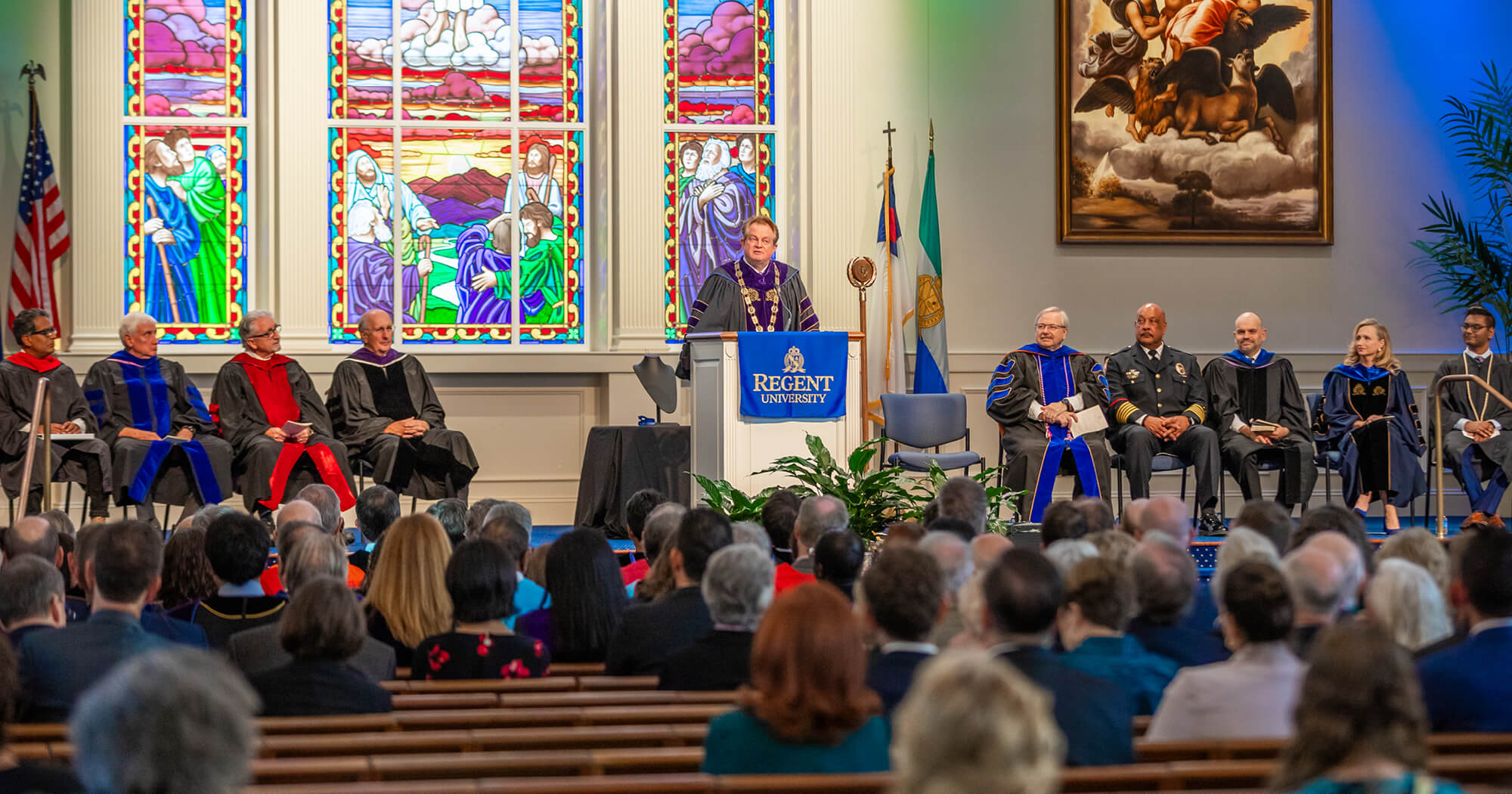
Examining the Legacy of Gordon P. Robertson in Home Innovation
Gordon P. Robertson's contributions to home innovation represent a fascinating intersection of technological advancement, residential design philosophy, and organizational leadership. By exploring his impact on modern construction, sma...
Gordon P. Robertson's contributions to home innovation represent a fascinating intersection of technological advancement, residential design philosophy, and organizational leadership. By exploring his impact on modern construction, smart home integration, and sustainable living practices, industry professionals and homeowners alike can better understand how visionary guidance shapes the contemporary living environment.
Contents
Introduction: Understanding the Scope of Home Innovation
When evaluating the evolution of residential spaces, observers often focus strictly on raw materials or automated gadgets. However, true home innovation encompasses structural integrity, energy efficiency, consumer accessibility, and long-term architectural adaptability. The legacy of Gordon P. Robertson in home innovation stands out because it bridges traditional building craftsmanship with forward-looking technological integration.
Resolving ambiguity around this subject requires looking closely at how leadership philosophies influence consumer-facing technologies. Rather than focusing on a single patented widget, Robertson’s footprint is traced through strategic oversight, advocacy for modern building standards, and the cultivation of environments where residential technology can thrive. This examination analyzes the historical context, operational impacts, and enduring principles that define his professional footprint.
Historical Context and Evolution of Residential Technologies
To appreciate modern developments in housing, one must examine the baseline from which contemporary innovators operate. Historically, residential construction moved at a deliberate, incremental pace. Building materials changed slowly over decades, and electrical or mechanical systems remained largely isolated from one another.
As consumer demands shifted toward greater energy conservation, comfort, and automation, industry leaders faced mounting pressure to modernize. Robertson's operational era coincided with a pivotal transition period where digital infrastructure began merging with physical lumber and concrete. During this phase, leaders who could coordinate disparate sectors—such as telecommunications, utility management, and structural engineering—became essential to scaling home innovation.
- Pre-Digital Era: Heavy reliance on manual climate controls, isolated wiring, and compartmentalized home appliances.
- Transition Phase: Introduction of programmable thermostats, early security automation, and standardized energy-efficiency ratings.
- Modern Integration: Centralized smart-home ecosystems, renewable energy integration, and predictive maintenance algorithms.
Key Pillars of Home Innovation Associated with Robertson
Robertson’s approach to residential advancement relies on several core pillars that prioritize user functionality, economic viability, and environmental responsibility. Rather than pushing novelty for its own sake, the emphasis has consistently been on practical utility that enhances daily life.
Energy Efficiency and Sustainability
Modern home innovation cannot be separated from environmental stewardship. The integration of high-performance insulation, advanced HVAC (Heating, Ventilation, and Air Conditioning) controls, and passive solar design principles has transformed how houses consume power. Leadership in this space requires balancing upfront capital expenditures with long-term utility savings for the end consumer.
Digital Connectivity and Smart Infrastructure
As homes transform into connected nodes within a broader municipal grid, the infrastructure behind the drywall must adapt. Robertson’s work highlights the necessity of robust data pathways within residential frameworks. Without adequate cabling, wireless bandwidth allocation, and secure protocols, even the most sophisticated smart appliances fail to deliver on their promise.
Consumer-Centric Design Principles
Technology is only as good as its adoption rate. A recurring theme in Robertson's professional ethos is the focus on human-centric engineering. This means reducing friction points for everyday users, ensuring intuitive interfaces for smart home systems, and maintaining architectural aesthetics without sacrificing modern conveniences.
Comparative Analysis: Traditional vs. Innovative Residential Models
| Feature / Metric | Traditional Residential Model | Advanced Innovative Model |
|---|---|---|
| Energy Management | Reactive heating/cooling; manual adjustments | Automated climate scheduling; real-time grid optimization |
| Connectivity | Isolated circuits; minimal data infrastructure | Structured wiring; centralized smart-home hubs |
| Material Lifecycle | Standard lumber and masonry; higher waste | Sustainable composites; modular, recyclable components |
| Maintenance | Failure-driven repairs; periodic manual checks | Predictive sensor diagnostics; remote troubleshooting |
Practical Implementation: Integrating Modern Standards
Adopting modern home innovation strategies requires a methodical approach. Whether retrofitting an older property or designing a new construction project from the ground up, stakeholders must navigate a series of technical and financial considerations.
Prerequisites and Planning
Before investing in advanced home systems, homeowners and builders must conduct a comprehensive site audit. This includes evaluating the existing electrical panel capacity, assessing thermal envelope performance, and mapping out local building codes. Ignoring these foundational steps frequently leads to system incompatibilities and costly rework.
Step-by-Step Integration Workflow
- Structural Assessment: Verify that framing and insulation meet current efficiency benchmarks before adding heavy technological loads.
- Infrastructure Upgrade: Ensure electrical wiring, breaker panels, and local area network (LAN) cabling can support high-draw smart devices.
- Ecosystem Selection: Choose a unified platform for home automation to prevent software fragmentation and communication failures between devices.
- Phased Deployment: Install core safety and climate controls first, followed by entertainment, lighting, and peripheral automation.
- Testing and Calibration: Run diagnostic checks on energy draw, network latency, and automated triggers to verify system reliability.
Common Pitfalls and Troubleshooting
Even with careful planning, modernizing a residential property presents distinct challenges. Recognizing these hurdles early prevents operational downtime and frustration.
- Over-Automation: Installing too many interconnected devices without adequate network security or backup power can leave a home vulnerable to outages and digital glitches.
- Ignoring Local Codes: Failing to check municipal regulations regarding electrical loads and structural modifications can result in failed inspections and legal liabilities.
- Vendor Lock-In: Relying entirely on a single proprietary ecosystem can make future upgrades expensive and restrictive if the manufacturer discontinues support.
When troubleshooting smart home failures, technicians recommend isolating the variable by checking physical power sources first, followed by firmware updates, router bandwidth allocation, and finally device-level resets.
Frequently Asked Questions
What was Gordon P. Robertson's primary role in home innovation?
Robertson’s contributions center on strategic leadership, advancing structural standards, and championing the integration of practical technology into everyday residential architecture, bridging traditional craftsmanship with modern utility demands.
How does modern home innovation impact property value?
Properties equipped with robust energy-efficiency systems, structured digital wiring, and smart automation typically command higher resale values and experience lower ongoing operational costs compared to un-modernized homes.
Are smart home systems difficult to maintain?
While initial setup requires technical expertise, modern ecosystems are designed with user-friendly interfaces and remote diagnostic tools. Routine maintenance largely involves software updates and occasional sensor calibrations.
What is the most critical factor when retrofitting an older home?
Evaluating and upgrading the electrical infrastructure is paramount. Older wiring cannot safely handle the electrical load demanded by contemporary HVAC systems, high-draw appliances, and centralized smart hubs.
How do sustainability practices fit into residential technology?
Sustainability is foundational; modern innovations focus heavily on reducing carbon footprints through intelligent energy consumption, high-performance insulation, and renewable energy integration like solar panels.
Conclusion and Recommended Next Actions
The legacy of Gordon P. Robertson in home innovation serves as a valuable case study in balancing technical ambition with practical execution. For homeowners, builders, and developers looking to apply these lessons, the immediate next action is to audit their current residential infrastructure. Begin by assessing energy performance and digital connectivity baselines, consulting qualified structural and electrical professionals before undertaking comprehensive modernization projects.
Image Gallery