SEO Keyword Finder Free: Best Tools and Strategies for 2026
An SEO keyword finder free tool is a specialized software or web application designed to identify search terms, analyze search volume, and determine ranking difficulty without requiring a paid subscription. These tools help creators an...
An SEO keyword finder free tool is a specialized software or web application designed to identify search terms, analyze search volume, and determine ranking difficulty without requiring a paid subscription. These tools help creators and businesses discover the specific phrases their target audience uses, enabling data-driven content optimization and improved visibility on search engine results pages.
Contents
Keyword research remains the foundational pillar of any successful digital marketing strategy. Even as we navigate the advanced search landscape of 2026, where generative AI and predictive search have transformed how users interact with the web, the core necessity of identifying the "language of the user" persists. Finding high-quality keyword data for free is not only possible but increasingly sophisticated, provided you know which platforms offer the most reliable data and how to interpret their limitations.
The Evolution of Free Keyword Research in 2026
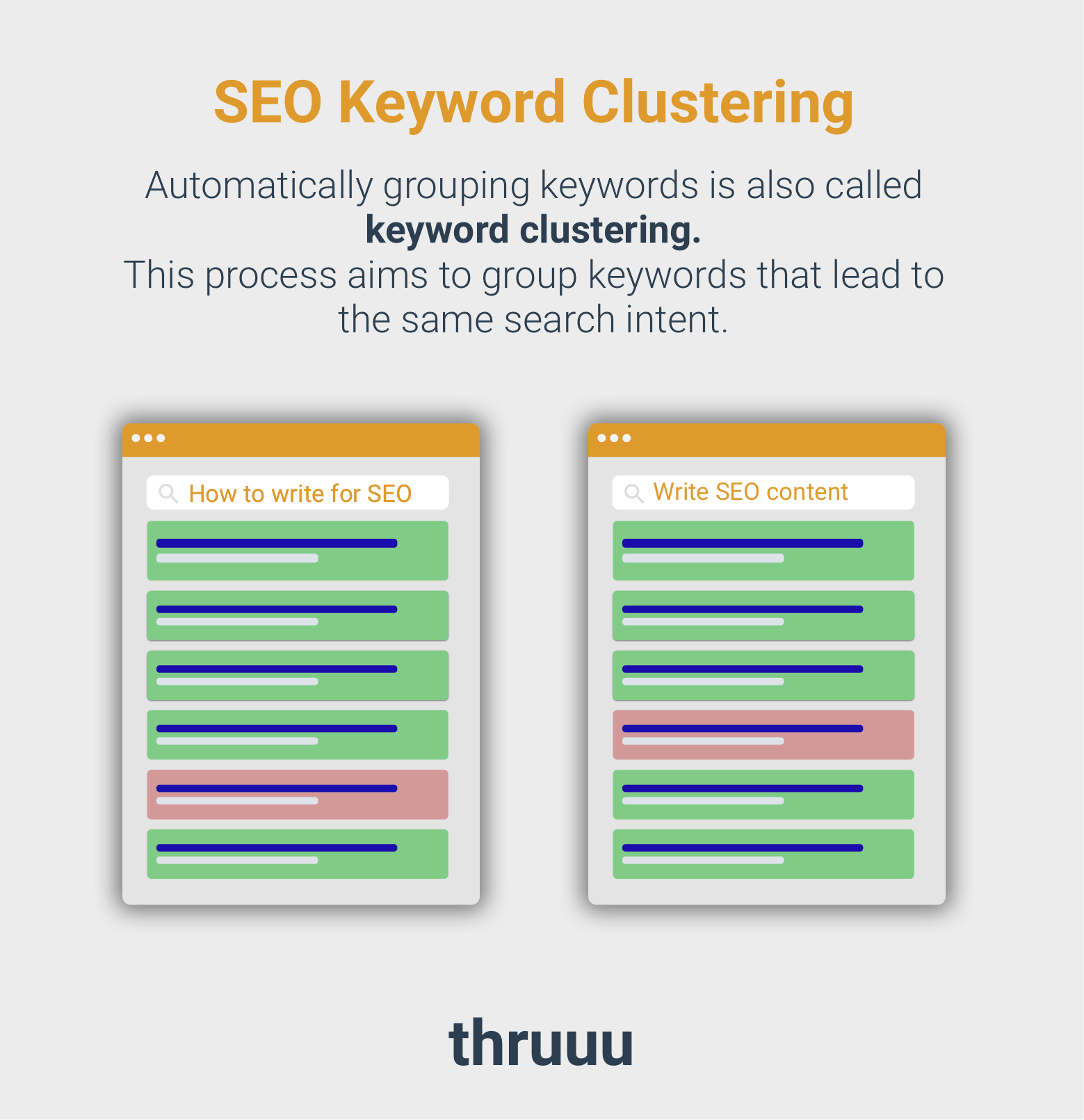
In 2026, the definition of a "keyword" has shifted from simple text strings to complex intent clusters. Modern search engines prioritize semantic relevance and user satisfaction over exact-match phrases. Consequently, a free SEO keyword finder is no longer just a "suggestion box"; it must provide context regarding search intent (informational, navigational, commercial, or transactional) and the likelihood of a "zero-click" result.
Free tools generally fall into three categories: "Freemium" versions of enterprise software, dedicated free utilities provided by search engines themselves, and community-driven or open-source aggregators. While paid tools offer massive database exports and automated tracking, free tools are exceptionally powerful for niche research, content ideation, and early-stage SEO audits.
Essential Free SEO Keyword Finders for 2026
To build a robust keyword list without a budget, you must leverage a combination of different tools. Each serves a specific purpose in the research pipeline, from broad brainstorming to technical difficulty analysis.
1. Google Keyword Planner (GKP)
Despite being a tool primarily for advertisers, Google Keyword Planner remains the most authoritative source for search volume data. Since the data comes directly from Google, it reflects the most accurate (albeit averaged) trends across the globe.
- Best Use Case: Establishing a baseline for search volume and seasonal trends.
- The 2026 Advantage: GKP now integrates more granular data regarding "Search Themes," helping users see how different queries are grouped by Google’s own AI models.
- Limitation: If you do not have an active ad spend, Google often obscures exact search volumes, providing ranges (e.g., 1k–10k) instead of precise numbers.
2. Ahrefs Free Keyword Generator
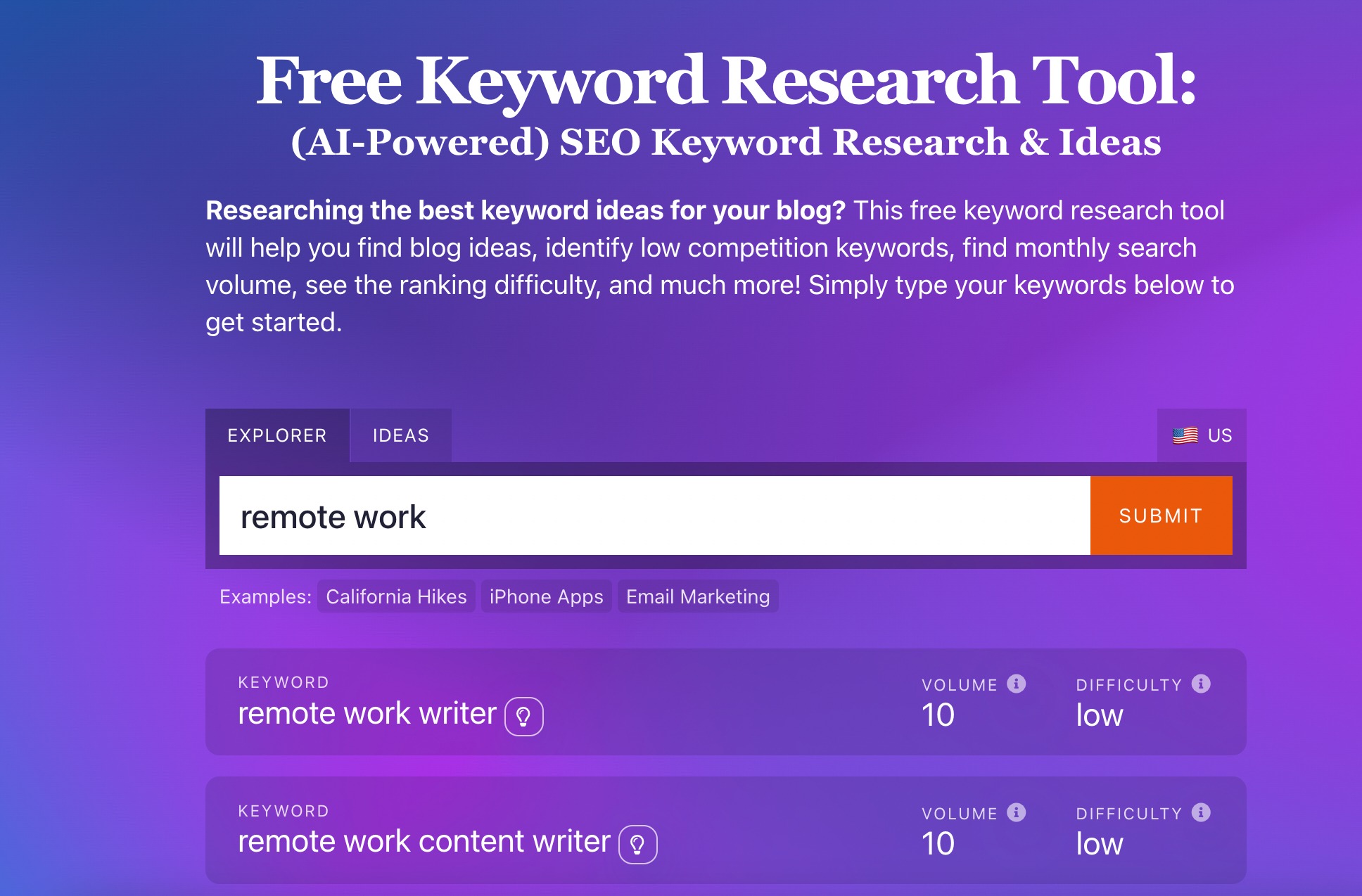
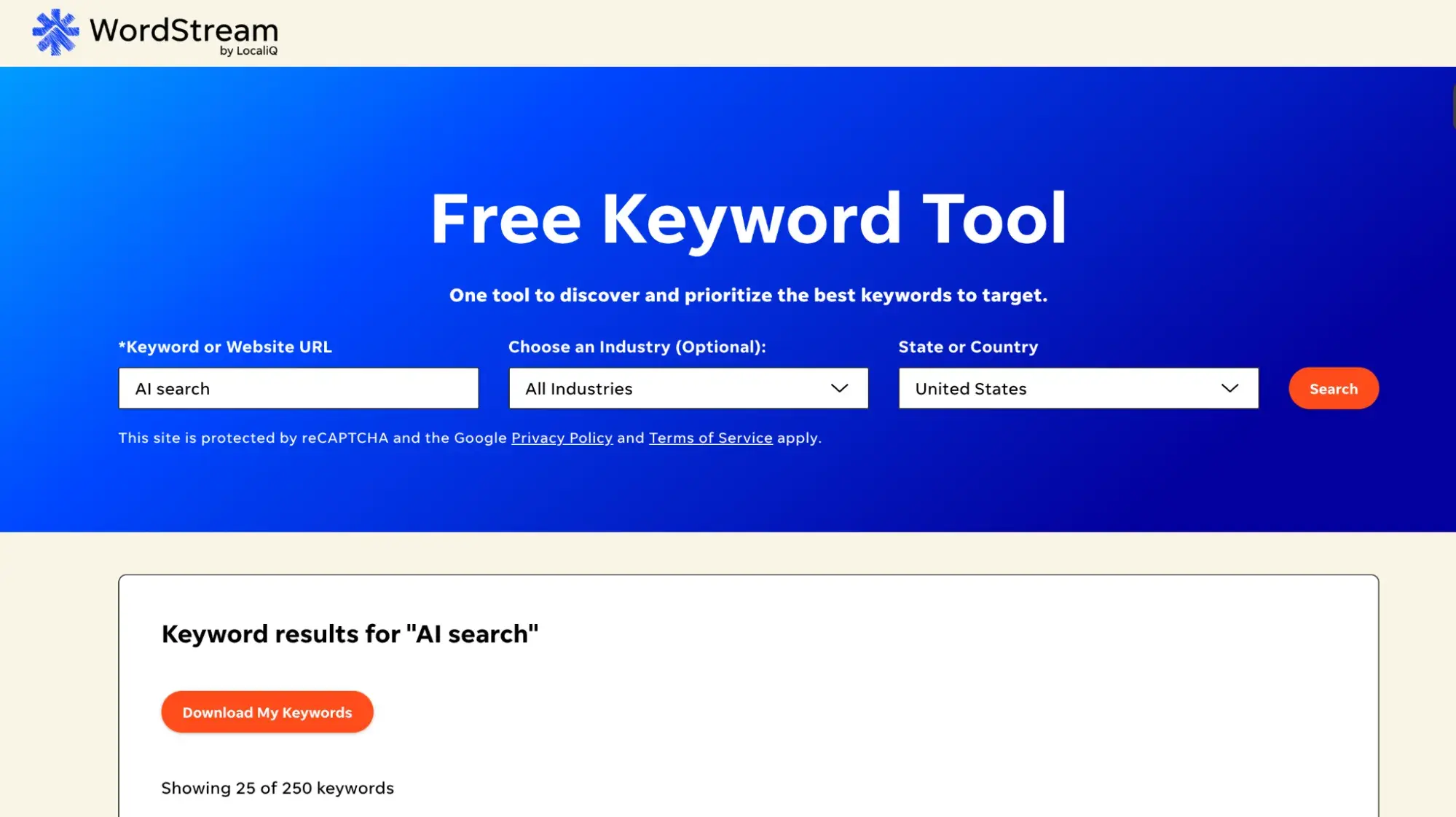
Ahrefs has long been a leader in the SEO industry, and their free suite of tools provides a "window" into their massive link and keyword database. Their free keyword generator allows you to search for a seed term and receive the top 100 keyword suggestions along with their Keyword Difficulty (KD) score.
- Best Use Case: Quickly identifying low-competition "low-hanging fruit" keywords.
- The 2026 Advantage: Their KD algorithm has been updated to account for AI-generated summaries in search results, giving a more realistic view of how hard it is to earn an actual click.
- Limitation: Users are limited to a certain number of searches per day, and you cannot see the full list of 1,000+ suggestions available in the paid tier.
3. Google Search Console (GSC)
While many look for external tools, your own site data is the most valuable "free" finder available. Google Search Console shows you exactly what terms people are currently using to find your website, including terms you might not have intentionally targeted.
- Best Use Case: Finding "striking distance" keywords—terms where you rank on page two or three and only need a minor optimization boost to reach page one.
- The 2026 Advantage: GSC now offers enhanced "In-depth Performance" reports that highlight the impact of rich snippets and interactive elements on your keyword performance.
4. AnswerThePublic (Free Version)
This tool focuses on the "Who, What, Where, When, and Why" of search. It scrapes autocomplete data to create a visual map of questions and prepositions related to your seed keyword.
- Best Use Case: Content ideation for blogs, FAQs, and help centers.
- The 2026 Advantage: It remains the premier tool for capturing long-tail conversational queries used in voice search and AI chat prompts.
Comparing the Top Free SEO Keyword Tools
The following table compares the most effective free tools available in 2026 based on their primary functionality and data constraints.
| Tool Name | Primary Data Source | Best For | Main Limitation | Difficulty Score Provided? |
|---|---|---|---|---|
| Google Keyword Planner | Google Ads | Volume & Trends | Data ranges for non-advertisers | No (uses "Competition" for ads) |
| Ahrefs Free Tool | Ahrefs Database | Competitor gaps & KD | Daily search limits | Yes (Highly accurate) |
| Semrush (Free Account) | Semrush Database | Comprehensive SEO audits | 10 searches per day limit | Yes |
| Google Search Console | Your Website | Real user behavior | Limited to terms you already rank for | No (uses "Position") |
| AnswerThePublic | Autocomplete API | Question-based queries | Limited daily searches | No |
| Google Trends | Real-time Search | Seasonality & News | No absolute volume numbers | No |
How to Conduct Keyword Research Using Only Free Tools
Success in 2026 requires a structured workflow that combines these disparate data sources into a cohesive content plan. Follow these steps to maximize the utility of free resources:
Step 1: Broad Brainstorming and Trend Analysis
Start with Google Trends. Enter your core industry terms to see if the topic is growing or declining. In 2026, it is vital to avoid topics that are being fully answered by AI "Quick Answers" unless you can provide a unique perspective or original data. Look for "Breakout" topics that are too new for large databases to have fully categorized.
Step 2: Generating the Initial List
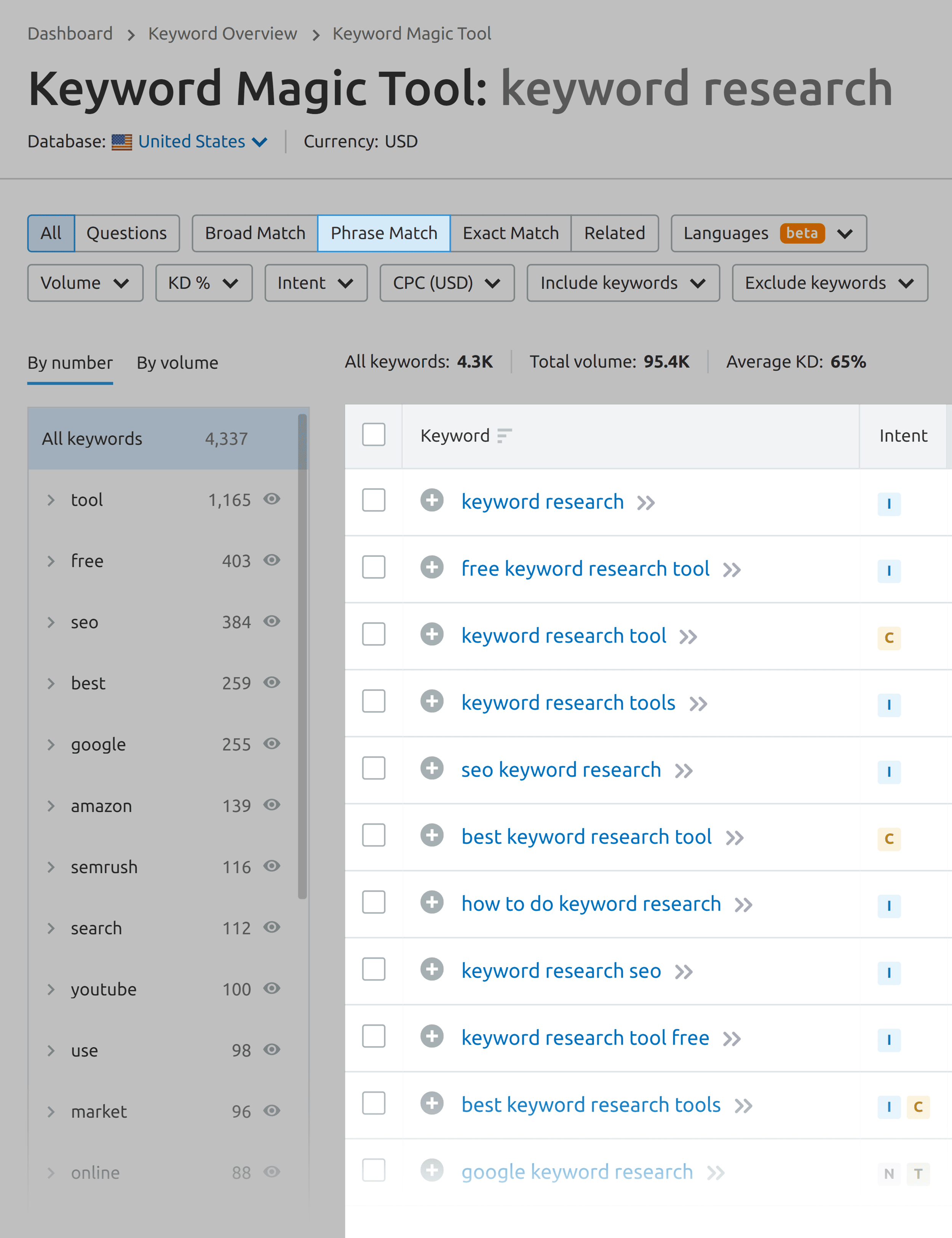
Use the Ahrefs Free Keyword Generator or Semrush Free Account to input your seed keywords. Focus on terms with a KD (Keyword Difficulty) of 30 or lower if you are a newer site. Export or copy the top suggestions that align with your business goals.
Step 3: Mapping the "Question" Landscape
Take your top 5 keywords and run them through AnswerThePublic. This identifies the specific pain points your audience has. For example, if your keyword is "free budget software," AnswerThePublic might reveal that users are specifically asking "Is free budget software safe for bank linking?" This question becomes a high-value H2 heading in your article.
Step 4: Verification via Google Autocomplete
Manually type your chosen keywords into the Google search bar. Observe the "People Also Ask" (PAA) boxes and the related searches at the bottom of the page. This is real-time data on what Google considers semantically related to your topic.
Technical Depth: Understanding Search Intent in 2026
A common mistake when using a free keyword finder is focusing solely on search volume. In the current SEO environment, search intent is the primary ranking factor. Google’s algorithms, specifically those evolved from BERT and MUM, are designed to understand the "why" behind a query.
- Informational Intent: The user wants to learn something (e.g., "how to find keywords for free"). Content should be educational and comprehensive.
- Commercial Intent: The user is researching options (e.g., "best free seo tools 2026"). Content should be comparative and include reviews or lists.
- Transactional Intent: The user is ready to buy or sign up (e.g., "Semrush free trial"). Content should be a landing page with a clear Call to Action (CTA).
- Navigational Intent: The user is looking for a specific brand or site (e.g., "Ahrefs login").
Before committing to a keyword found in a free tool, search for it yourself. If the entire first page consists of video results, your long-form blog post is unlikely to rank, regardless of the keyword's "low difficulty" score.
Common Pitfalls When Using Free Tools
While free SEO keyword finders are powerful, they come with inherent risks that can lead to wasted effort if not managed properly.
- Over-Reliance on Stale Data: Some smaller free tools do not update their databases frequently. Always cross-reference a "hot" keyword with Google Trends to ensure it isn't a dying fad.
- Ignoring Zero-Click Potential: In 2026, many informational queries are answered directly on the SERP by AI overviews. If a keyword has a high volume but the SERP is cluttered with AI summaries, the actual click-through rate (CTR) to your site will be significantly lower than expected.
- Keyword Stuffing: Finding a great keyword is only half the battle. Avoid the outdated practice of repeating the keyword excessively. Focus on LSI (Latent Semantic Indexing) keywords—terms that naturally appear in discussions about your main topic.
- Chasing "High Volume" Only: Beginners often target keywords with 100k+ searches. These are usually dominated by massive corporations. Success with free tools usually comes from targeting "long-tail" keywords (phrases with 3+ words) that have lower volume but much higher conversion rates.
FAQ: Frequently Asked Questions
Can I really rank on page one using only free keyword tools?
Yes. Search engines do not know or care which tool you used to find a keyword. They care about the quality, relevance, and authority of the content you produce. Many successful niche sites are built entirely using Google Search Console and Google Trends. The primary advantage of paid tools is efficiency and scale, not "secret" keywords.
Why do different free tools show different search volumes for the same keyword?
Search volume is an estimate, not an exact count. Different tools use different data sources. Google Keyword Planner uses data from its advertising network, while Ahrefs and Semrush use a mix of clickstream data and proprietary algorithms. It is best to look at the relative popularity between keywords within the same tool rather than comparing raw numbers across different tools.
Is Google Keyword Planner still free in 2026?
Yes, Google Keyword Planner remains free to use for anyone with a Google Ads account. You are not required to run an active campaign or spend money to access the tool, although Google may limit the precision of the data for accounts without an active ad spend.
How many keywords should I target per page?
Ideally, you should target one "Primary Keyword" and 3–5 "Secondary Keywords" (or semantic variations). In 2026, it is more important to cover a topic comprehensively than to hit a specific keyword count. If you answer the user's intent thoroughly, you will naturally rank for dozens of related long-tail queries.
What is the best free tool for local SEO keywords?
For local SEO, Google Keyword Planner is superior because it allows you to filter search volume by specific cities or zip codes. Additionally, observing the "Local Pack" (the map results) for your target terms will show you exactly what local competitors are ranking for.
Practical Next Step
To begin your keyword research today, start by setting up a Google Search Console account for your website. This will provide you with the "seed" data of what is already working. Once you have identified your top-performing themes, use the Ahrefs Free Keyword Generator to find five related long-tail keywords with a difficulty score below 20. Create one comprehensive piece of content for each, focusing on answering a specific question identified in AnswerThePublic.
Image Gallery