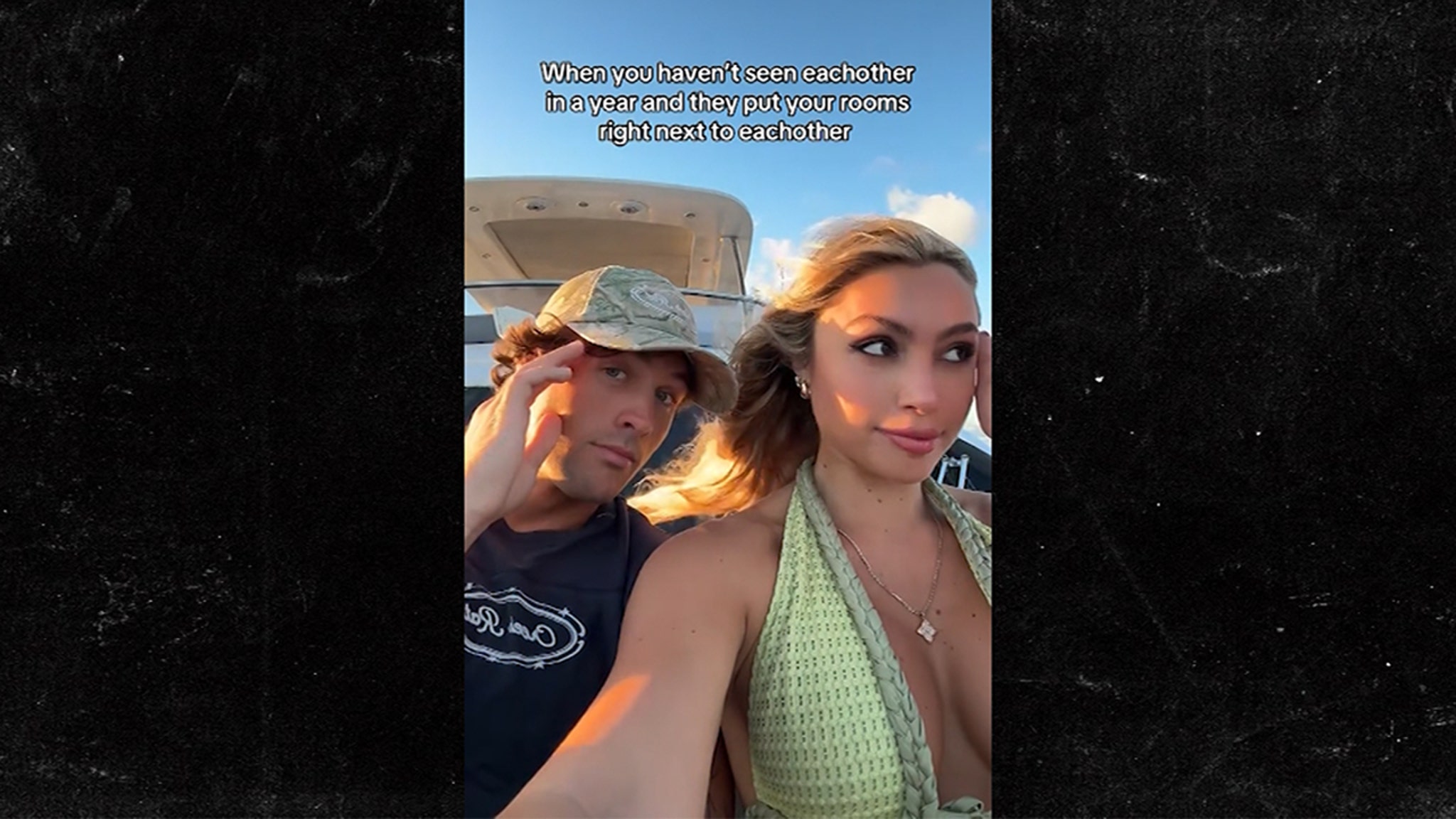
Examining the Social Media Discourse: What Did Andrea Post About Rob?
When users search for information regarding what Andrea posted about Rob, they are typically seeking clarification on a specific public interaction or social media controversy involving high-profile public figures. The search intent ce...
When users search for information regarding what Andrea posted about Rob, they are typically seeking clarification on a specific public interaction or social media controversy involving high-profile public figures. The search intent centers on verifying the content, context, and subsequent fallout of these digital communications, as such posts often become focal points for fan discussion, media speculation, or legal inquiry.
Contents
Understanding the Context of Online Public Communication
In the digital landscape of 2026, the intersection of private lives and public platforms has become increasingly complex. When an individual—specifically one with a significant following or public standing—posts about another individual, the reach of that content is amplified exponentially. Determining what was said is the first step in understanding the broader narrative.
Often, these inquiries arise because a post was deleted, limited to a restricted audience (such as "Close Friends" on Instagram), or shared across platforms where the initial context may have been lost. Disambiguating the relationship between the parties involved is essential. If the "Andrea" and "Rob" in question refer to figures in the entertainment industry, the search often points toward a public dispute, a romantic confirmation, or a professional fallout.
To navigate these events, it is necessary to differentiate between verified statements, screenshots circulated by third-party accounts, and speculative interpretations provided by gossip outlets. Accuracy is paramount, as misrepresenting the content of a private or public post can lead to misinformation regarding the personal lives of the figures involved.
Key Factors in Digital Verification
When verifying what was posted, researchers and interested observers must rely on primary source documentation rather than hearsay. In the age of sophisticated digital manipulation, relying on screenshots that lack timestamps, account verification markers, or URL paths can lead to incorrect conclusions.
| Verification Marker | Description | Importance |
|---|---|---|
| Timestamp | The exact date and time the post went live. | Establishes chronological sequence. |
| URL/Permalinks | Direct links to the original content source. | Provides proof of existence and deletion. |
| Account Metadata | Verified badges and handle consistency. | Confirms the identity of the poster. |
| Platform Context | The specific social environment (e.g., Story vs. Feed). | Determines intended audience scope. |
If the post was a temporary item, such as a 24-hour story or a disappearing message, the verification burden increases. In these cases, one must look for archived reports by credible news organizations that captured the content while it was still available to the public.
Navigating Social Media Disputes
Public posts regarding professional or personal conflicts often follow a predictable lifecycle. Understanding this cycle helps in evaluating the content of the post:
- The Trigger: An event occurs that prompts the initial post. This is often an external development, such as a news report, a public slight, or a contractual disagreement.
- The Initial Statement: The post itself, which may range from a cryptic, vague message to an explicit, detailed critique.
- The Reactionary Phase: How the subject (Rob) or the public responds. This often involves comments sections, follow-up posts, or statements issued by representatives.
- The Deletion/Clarification Phase: Frequently, if a post gains negative traction or legal consequences, it is removed. Later, a formal statement or apology may be issued, which provides the final word on the matter.
It is important to remember that these posts represent a single perspective. When searching for "what did Andrea post about Rob," readers should remain mindful that a singular post rarely captures the entirety of a conflict or professional dynamic.
The Impact of Public Commentary on Personal Reputation
When a post involves naming a specific individual in a critical or controversial light, the implications extend beyond the digital platform. For public figures, such posts can impact brand partnerships, professional reputation, and, in extreme cases, trigger legal actions such as defamation claims or breach of contract notices.
From a sociological perspective, these interactions demonstrate the pressure of performative communication. In 2026, the expectations placed on public figures to address rumors or social dynamics in real-time often lead to rushed or emotionally charged posts that are later regretted. Observers should analyze these posts with a focus on intent: Was this intended to address a private matter, garner public sympathy, or intentionally damage the reputation of the other party?
Frequently Asked Questions
How can I verify if an old post was actually written by the person claimed? Verify the post by checking the account’s verified status and looking for corroboration from reputable news outlets. Avoid relying solely on screenshots, as they can be easily manipulated. Look for links to cached versions of the original post on archive sites.
What should I do if the post has been deleted? If a post has been deleted, it is often documented by screen-capture archives or secondary reporting. Search for the specific date and the involved parties' names within news databases or reputable entertainment journalism archives that track historical social media activity.
Is it possible to interpret the "meaning" of a post objectively? Objectivity is difficult because posts are often subjective. Analyze the language used, the timing, and any subsequent clarifying posts from the author. Focus on what was explicitly stated rather than inferring motivations that are not supported by evidence.
Why do public figures delete posts about others? Posts are often deleted to mitigate public backlash, comply with legal advice, or rectify a misunderstanding that arose after the content was published. Deletion is often an attempt to control the narrative or minimize long-term professional fallout.
Are there legal implications for posting about someone else? Yes. While users have freedom of expression, posting defamatory content, private information (doxxing), or violating non-disclosure agreements can have legal consequences. If a post involves legal action, it will usually be documented in court filings rather than social media threads.
Next Steps for Researching Public Disputes
If you are attempting to uncover the truth behind a specific exchange, start by gathering the timestamps of the original event. Search for the names of both individuals on major social media tracking tools or dedicated archives. If you find conflicting reports, prioritize information released by official representatives or verified news organizations over fan-driven commentary or opinion blogs. Always ensure that the information you are consuming is current and not based on outdated threads that have since been debunked or corrected by the parties involved.
Image Gallery