Understanding the Biggest Issue in Cloud Container Security
The primary challenge in cloud container security today is the proliferation of insecure configurations and the failure to implement a robust, automated "shift-left" security posture. While containerization offers portability and agili...
The primary challenge in cloud container security today is the proliferation of insecure configurations and the failure to implement a robust, automated "shift-left" security posture. While containerization offers portability and agility, the speed at which images are deployed often outpaces the integration of automated vulnerability scanning, resulting in misconfigured orchestration layers that leave internal services exposed to unauthorized lateral movement.
Contents
The Landscape of Containerized Infrastructure
Cloud containers, powered by technologies like Docker and managed by platforms such as Kubernetes, have become the standard for modern application development. By packaging code with its dependencies, organizations achieve consistent performance across development, testing, and production environments. However, the very characteristics that make containers attractive—modularity, rapid scaling, and ephemeral nature—also create a complex, fragmented attack surface.
In 2026, the industry has reached a consensus: the biggest issue is not necessarily a single technical vulnerability in a specific library, but the operational gap between developer velocity and security oversight. This is often referred to as the "security-as-code" deficit. When security policies are manually enforced or applied as an afterthought, the risk of misconfiguration increases exponentially, particularly in high-churn environments where containers are spun up and torn down in seconds.
Root Causes: Why Misconfiguration Dominates
The primary driver of the biggest issue in container security is the complexity of orchestration platforms. Kubernetes, while powerful, requires an intricate understanding of namespaces, role-based access control (RBAC), and network policies.
1. Over-Privileged Service Accounts
Default configurations often grant containers more permissions than they require. If a container is compromised, an attacker can leverage these excessive permissions to probe the cluster, escalate privileges, or access sensitive cloud metadata services. Without enforcing the principle of least privilege at the orchestration layer, a single compromised pod becomes a gateway to the entire cluster.
2. Insecure Registry Practices
Container images frequently contain vulnerabilities that are introduced during the build process. If an organization lacks an automated "gate" to prevent the deployment of images with known vulnerabilities (CVEs) or those originating from untrusted, public repositories, the attack surface expands immediately upon deployment.
3. Ephemeral Visibility Gaps
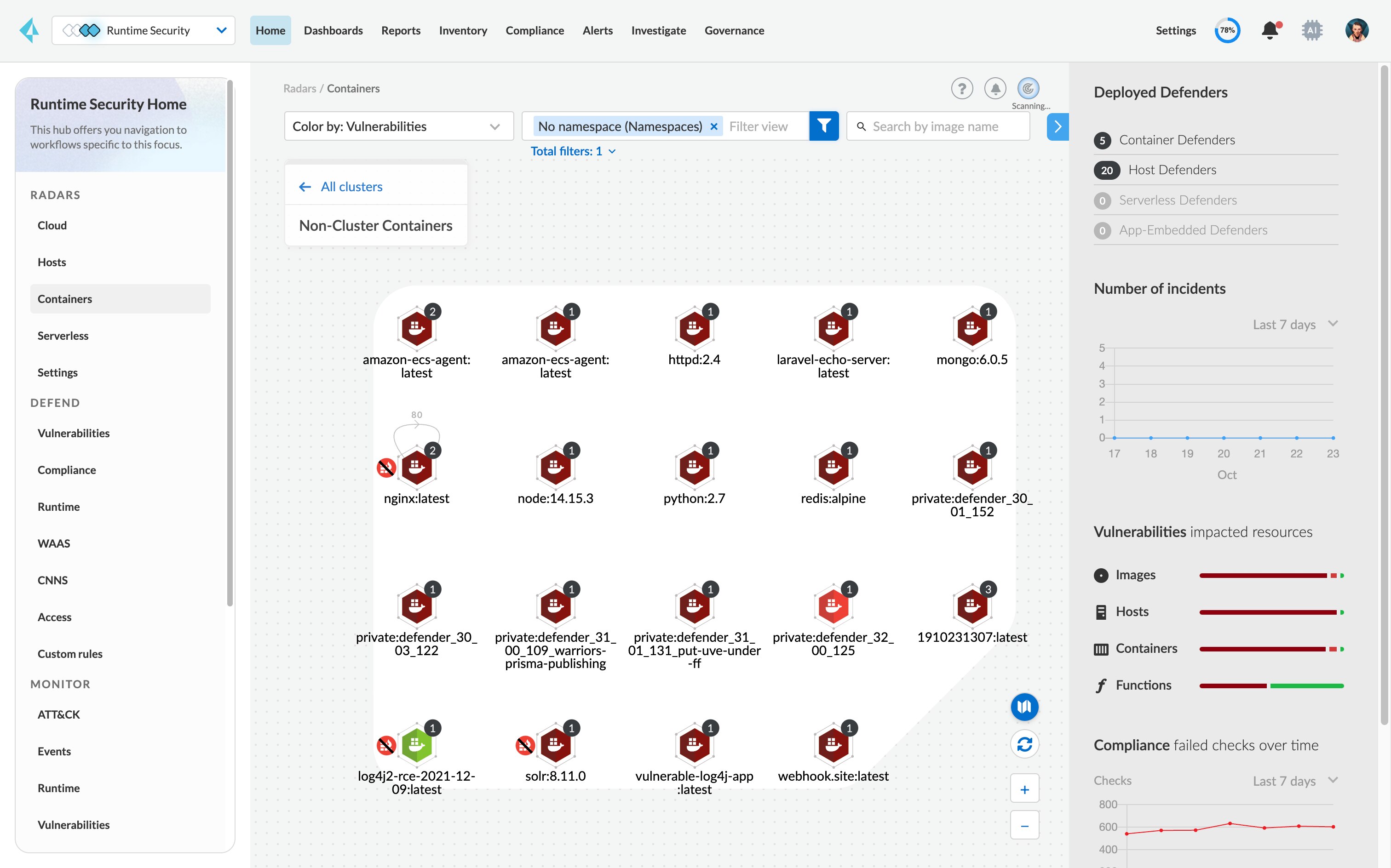
Traditional security tools are built for static virtual machines. Containers, however, are short-lived. A security tool that scans a host only once a day will fail to identify a malicious container that existed for only ten minutes. This lack of runtime visibility is a significant contributor to the current security crisis.
Impact of Container Security Failures
When container security is neglected, the fallout is rarely limited to a single application. Because containers share the host operating system kernel, a breakout vulnerability—where an attacker escapes the container to access the host—can compromise all other containers running on that same node.
| Security Vector | Potential Impact | Mitigation Strategy |
|---|---|---|
| RBAC Misconfiguration | Unauthorized control of cluster APIs | Implement strict identity and access management (IAM) |
| Insecure Image Sources | Deployment of malware/backdoored code | Mandate signed images and private registry use |
| Unrestricted Networking | Lateral movement between services | Define micro-segmentation with Network Policies |
| Kernel Exploits | Total node/host system compromise | Utilize secure container runtimes and patching |
Implementing a "Shift-Left" Security Posture
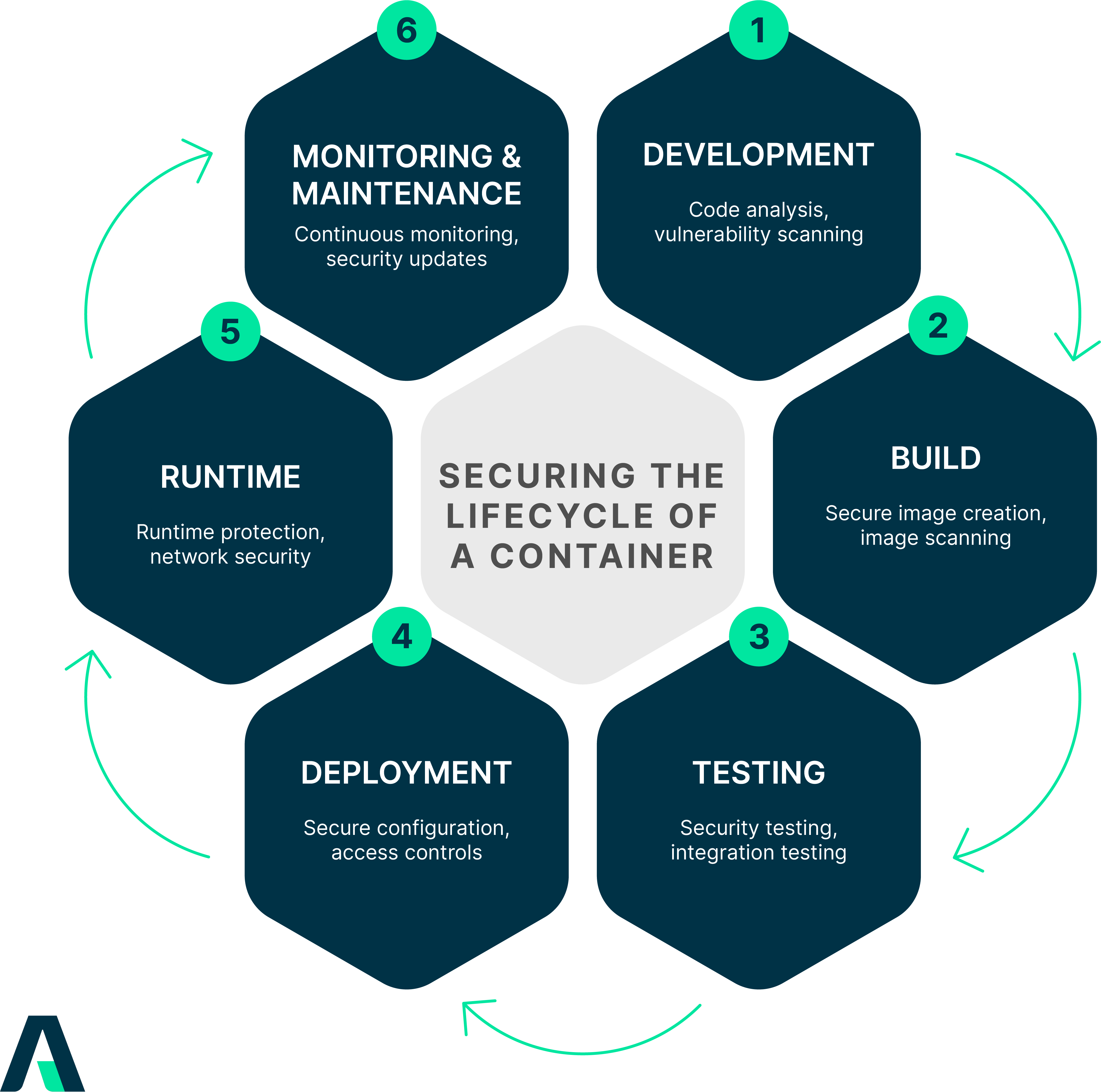
To address the biggest issue in cloud container security, organizations must move security activities earlier in the development lifecycle. This means shifting from reactive, perimeter-based security to proactive, integrated security.
- Static Analysis at Build Time: Developers should use container scanning tools that check Dockerfiles and image layers during the CI/CD (Continuous Integration/Continuous Deployment) process. This ensures that no container reaches a registry unless it meets pre-defined security standards.
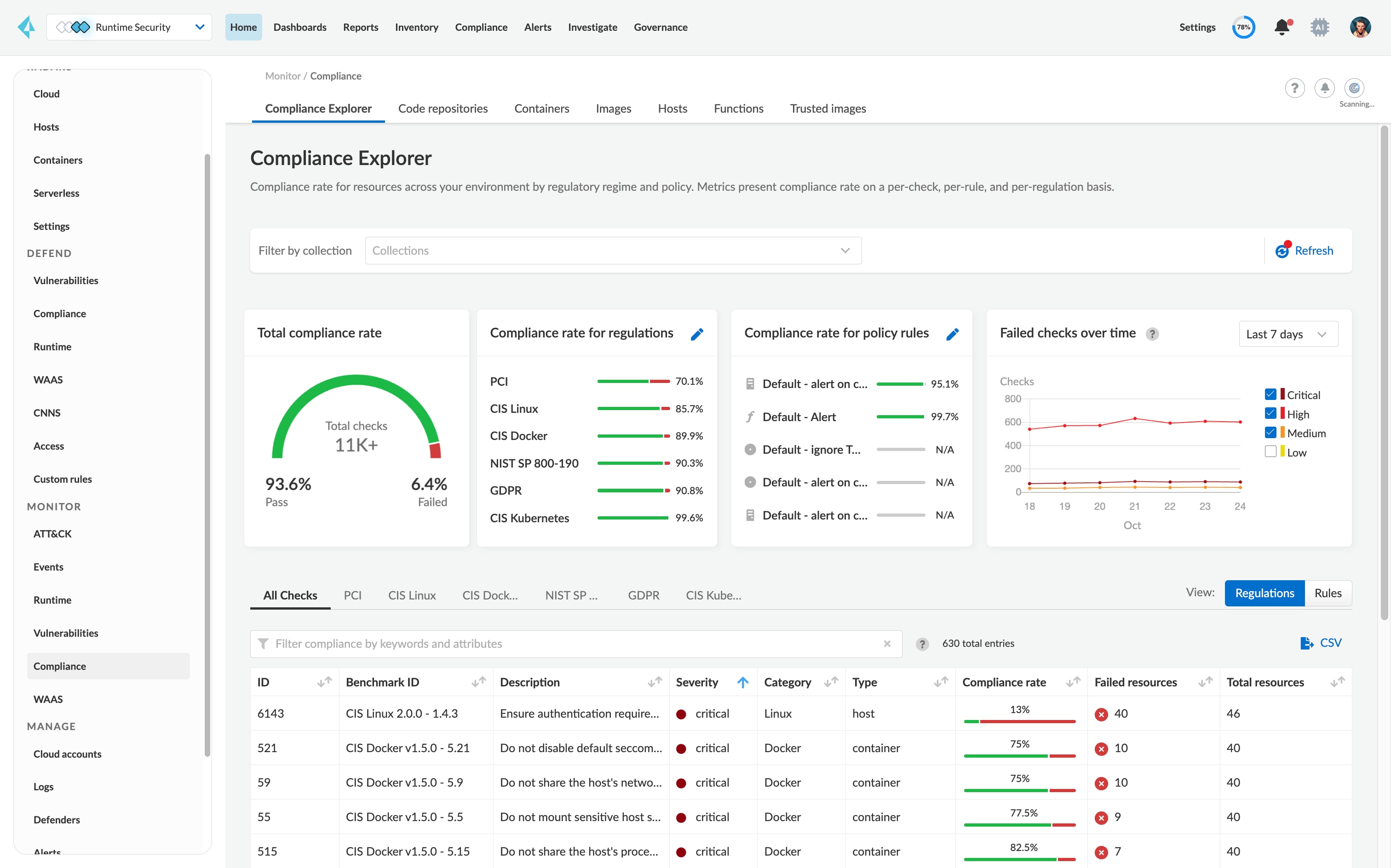
- Infrastructure as Code (IaC) Scanning: Since much of container security depends on the Kubernetes YAML manifest or Helm charts, scanning these files for insecure settings—such as running as "root" or missing resource limits—prevents misconfigurations before they are deployed to the cluster.
- Runtime Security Monitoring: Real-time visibility is non-negotiable. Using tools that monitor system calls, network traffic, and file integrity inside containers allows security teams to detect anomalous behavior that static scans might miss.
Navigating the Human Element
Technology is only half the battle. The biggest issue in container security is often exacerbated by a lack of collaboration between DevOps and Security teams. When security is treated as a roadblock rather than a service, developers are likely to bypass controls. A successful strategy fosters a culture of shared responsibility, where security instrumentation is embedded into the tools developers already use.
Frequently Asked Questions
What is the most effective way to secure container images? The most effective way is to implement a private container registry and use automated scanning tools in your CI/CD pipeline to block images that contain high-severity vulnerabilities. Always pull from trusted base images and minimize the contents of the image to reduce the attack surface.
Does using managed Kubernetes services (like EKS or GKE) solve security issues? Managed services offload the security of the control plane (the master nodes) to the cloud provider, but you remain responsible for the security of your workloads, application configuration, and container images. You still must manage your own network policies and identity access.
How does container security differ from traditional VM security? Traditional VM security relies on securing the guest OS and the network perimeter. Container security focuses on the image build process, the security of the orchestration platform (like Kubernetes), and runtime monitoring of microservices that are constantly shifting.
What is a container breakout? A container breakout occurs when an attacker gains enough privilege within a container to interact with the underlying host kernel. Once this happens, the isolation barrier between containers is lost, allowing the attacker to potentially compromise other containers or the host system itself.
How often should container images be scanned? Images should be scanned at least three times: during the build process, while stored in the registry, and continuously while running in production to detect newly discovered vulnerabilities (CVEs) that emerge after deployment.
Final Recommendation
The "biggest issue" in cloud container security is the reliance on manual processes in an automated, high-velocity environment. To solve this, prioritize automation. Implement automated vulnerability scanning within your CI/CD pipeline and enforce mandatory admission controllers in your Kubernetes clusters to reject any deployment that does not adhere to security policies. By treating security as a mandatory, automated stage of the development process, you can move from a state of constant firefighting to one of predictable, resilient infrastructure.
Image Gallery