Queen Elizabeth II’s Historical Visits to Montreal: A Complete Retrospective
Queen Elizabeth II visited Montreal on several landmark occasions during her 70-year reign, most notably in 1951 (as Princess), 1959, 1967, and 1976. These visits coincided with major international milestones, including the opening of...
Queen Elizabeth II visited Montreal on several landmark occasions during her 70-year reign, most notably in 1951 (as Princess), 1959, 1967, and 1976. These visits coincided with major international milestones, including the opening of the Saint Lawrence Seaway, Expo 67, and the 1976 Summer Olympics, reflecting the city’s evolving status within the Commonwealth.
Contents
Throughout her tenure as the Queen of Canada, Elizabeth II’s relationship with Montreal was characterized by a blend of grand state ceremony and the complex political shifts of Quebec’s Quiet Revolution. While her visits in the 1950s were met with near-universal acclaim, later tours required more sophisticated security and diplomatic navigation as provincial identity evolved. In 2026, looking back at the record of these tours provides a unique lens through which to view Montreal’s mid-century modernization and its historical ties to the British Crown.
The 1951 Royal Tour: A Princess in Post-War Montreal
Before she ascended the throne, then-Princess Elizabeth and the Duke of Edinburgh conducted a cross-country tour of Canada in the autumn of 1951. Representing her father, King George VI, whose health was failing, the 25-year-old Princess arrived in Montreal on October 30, 1951.
The reception was a testament to post-war loyalty. Thousands of Montrealers lined the streets, from the Westmount train station through the downtown core. The royal couple stayed at the Windsor Hotel, which at the time was the premier luxury accommodation in the city. During this visit, the Princess attended a civic banquet at the Chalet du Mont-Royal, overlooking the city skyline.
This visit was significant because it established her personal connection with the city’s institutions. She visited McGill University and the Montreal Children’s Hospital, setting a precedent for the "working" royal visit that would define her later reign. The 1951 tour is often cited by historians as the moment the Canadian public truly embraced Elizabeth as their future monarch, with Montreal playing a central role in that narrative.
The 1959 Tour and the Saint Lawrence Seaway
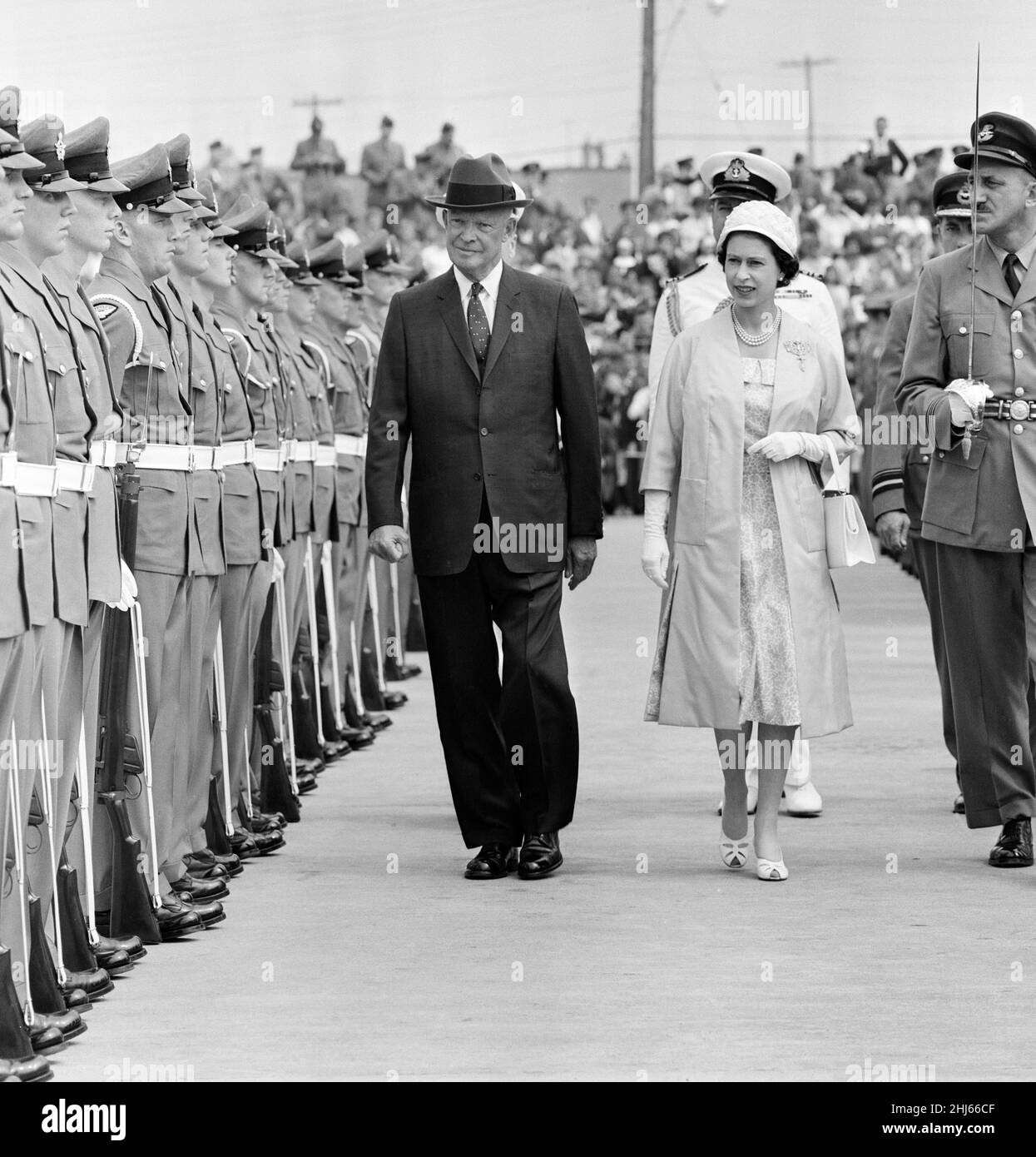
Perhaps the most logistically impressive of all her visits occurred in 1959. This 45-day tour of Canada was the first time a reigning monarch had traveled through every province and territory. A primary objective of the Montreal leg was the official opening of the Saint Lawrence Seaway, a joint Canadian-American engineering marvel that transformed Montreal into a global maritime hub.
On June 26, 1959, Queen Elizabeth II joined U.S. President Dwight D. Eisenhower at the Saint-Lambert Lock. The ceremony was broadcast internationally, highlighting the cooperation between the two nations. The Queen arrived in Montreal aboard the HMY Britannia, the Royal Yacht, which sailed through the locks—a symbolic gesture that marked the first time the vessel had navigated the interior of the continent.
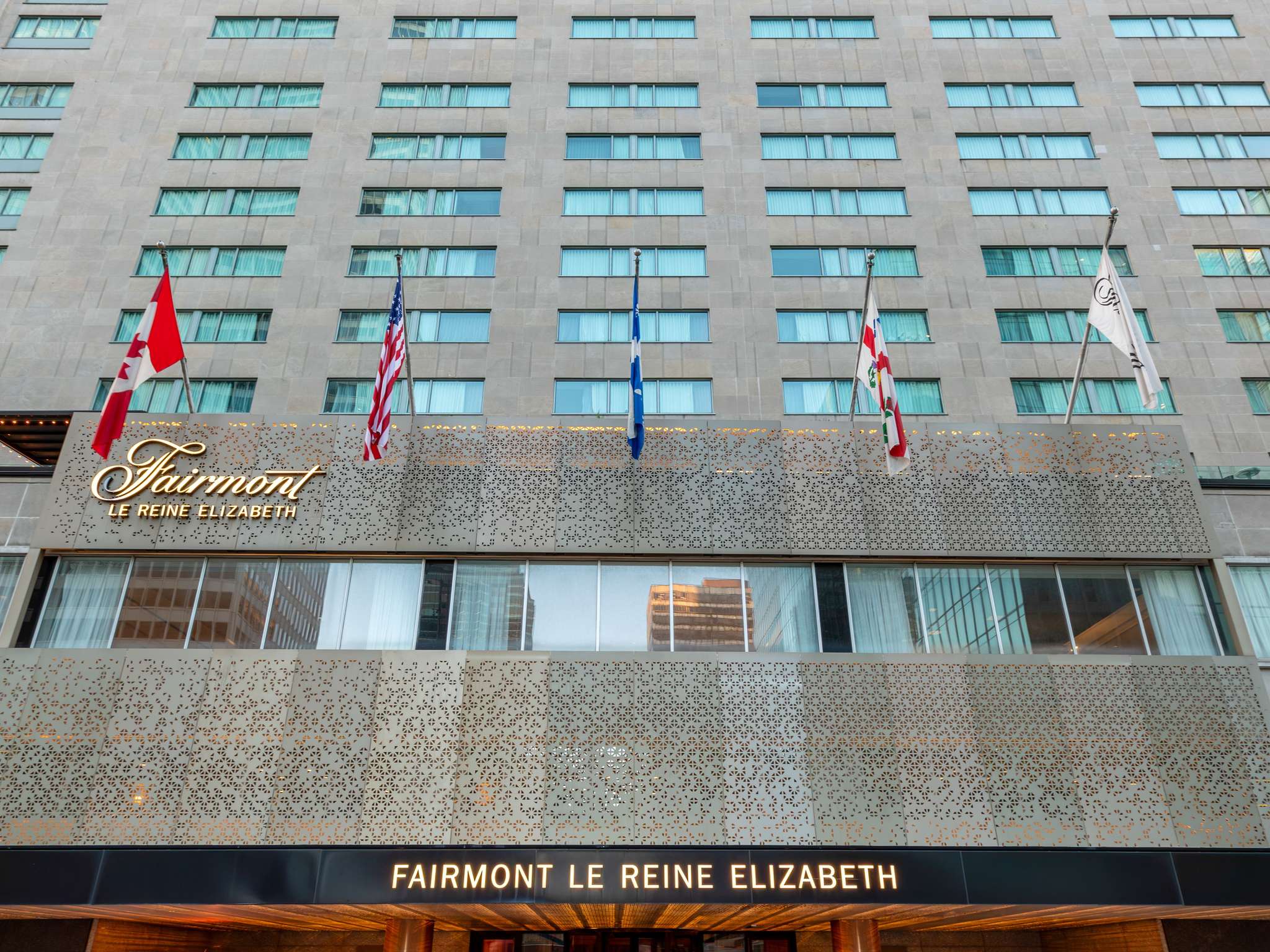
During this stay, the Queen resided primarily on the Britannia, docked at the Port of Montreal. This visit also saw the Royal couple attend a gala performance at the Montreal Forum and host a dinner at the Queen Elizabeth Hotel (Fairmont Le Reine Elizabeth), which had been named in her honor just a year prior. The 1959 visit represented the pinnacle of traditional royal ceremony in Quebec before the social upheavals of the 1960s.
Expo 67: The Centennial Visit
In 1967, Canada celebrated its Centennial, and Montreal was the site of the Universal Exposition, better known as Expo 67. The Queen arrived in Montreal on July 3, 1967, following Canada Day celebrations in Ottawa.
The atmosphere in Montreal during this visit was vastly different from 1959. The city was in the throes of the Quiet Revolution, and nationalist sentiment was rising. Despite the underlying political tension, the Queen’s visit to the Expo site on Île Sainte-Hélène was a major success. She toured the British Pavilion and the Canadian Pavilion, using the new Montreal Metro system—a modern marvel at the time—to traverse the site.
The Queen’s presence at Expo 67 served to validate Montreal’s emergence as a world-class cosmopolitan city. Her speeches during this period often emphasized the "two founding peoples" of Canada, an attempt to acknowledge Quebec’s unique culture within the federal framework.
The 1976 Summer Olympics: A Family Affair
The Queen’s visit in July 1976 was unique because it combined her official duties as Head of State with her personal role as a mother. She traveled to Montreal specifically to open the XXI Olympiad.
On July 17, 1976, at the Olympic Stadium, the Queen officially declared the games open. The event was particularly poignant for the Royal Family because Princess Anne was competing as a member of the British equestrian team. Unlike the formal state dinners of previous decades, the 1976 visit saw the Queen and the Duke of Edinburgh spending significant time at the Olympic venues and the Olympic Village.
Security for the 1976 visit was the most extensive to date, as the provincial government was then led by the Parti Québécois. However, the Queen’s role as the opener of the Olympic Games provided a degree of "political cover," as the focus remained on the international sporting event rather than constitutional debates.
Summary of Major Royal Visits to Montreal
The following table summarizes the primary official visits made by Queen Elizabeth II to the city of Montreal, highlighting the core purpose and key locations of each stay.
| Year | Primary Occasion | Key Locations | Transport/Stay |
|---|---|---|---|
| 1951 | Pre-Accession Tour | Mount Royal Chalet, McGill University | Windsor Hotel |
| 1959 | St. Lawrence Seaway Opening | Saint-Lambert Lock, Queen Elizabeth Hotel | HMY Britannia |
| 1967 | Expo 67 / Centennial | Île Sainte-Hélène, British Pavilion | HMY Britannia |
| 1976 | Summer Olympics | Olympic Stadium, Bromont (Equestrian) | HMY Britannia |
| 1982 | Constitution Act | Mirabel Airport (Brief Stop/Arrival) | Royal Aircraft |
| 2002 | Golden Jubilee | Notre-Dame Basilica, Old Montreal | Fairmont Le Reine Elizabeth |
The Evolution of Logistics and Security
The logistics of Queen Elizabeth’s visits to Montreal underwent a radical transformation between 1951 and her final visits. In the early years, the Royal Train and the HMY Britannia were the primary modes of transport and accommodation. The HMY Britannia, in particular, allowed the Queen to maintain a "floating palace" in the Port of Montreal, providing a secure and neutral territory for hosting dignitaries.
By the 1970s and 80s, the security environment in Quebec required the Royal Canadian Mounted Police (RCMP) and the Service de police de la Ville de Montréal (SPVM) to implement stringent protocols. The 1964 "Sunday of the Truncheons" (a riot in Quebec City during a royal visit) had changed the approach to royal tours in the province forever. Subsequent visits to Montreal were characterized by:
- Reduced Public Motorcades: Shifting from open-top cars to armored vehicles.
- Targeted Engagements: Focusing on specific institutions (hospitals, universities) rather than massive public parades.
- Diplomatic Precision: Ensuring that the Queen’s speeches were meticulously balanced to respect federal and provincial sensitivities.
FAQ: Queen Elizabeth’s Presence in Montreal
Did the Queen ever stay at the Queen Elizabeth Hotel?
Yes, the Queen stayed at the Fairmont Le Reine Elizabeth on several occasions, most notably during her Golden Jubilee tour in 2002. Although the hotel was named in her honor in 1958, there was initial controversy in Montreal regarding the name, as some local groups preferred a French name or a tribute to a French-historical figure. The Queen’s presence there eventually cemented the hotel’s status as the city's primary royal residence.
Why didn't the Queen visit Montreal more often in her later years?
The frequency of royal tours across Canada decreased as the Queen aged, and her later visits (such as in 2010) focused on specific regions or major anniversaries in Ottawa. Additionally, the political climate in Quebec during the 1980s and 90s made royal visits more complicated to arrange, leading to a preference for "low-key" or brief stops rather than the month-long tours of the 1950s.
What was the Queen's role in opening the 1976 Olympics?
As the Head of State of the host nation (Canada), the Queen was required by the International Olympic Committee (IOC) charter to officially open the games. She performed this duty in both English and French. Her involvement was strictly ceremonial, though her daughter’s participation as an athlete made it a significant personal event for the House of Windsor.
Are there any permanent landmarks of her visits in Montreal?
Beyond the Queen Elizabeth Hotel, there are several plaques and sites. The Saint-Lambert Lock features commemorative markers regarding the 1959 opening. Additionally, the Montreal Children's Hospital and McGill University maintain records and occasional displays regarding her patronage and historical visits to their campuses.
How did the Queen handle the French language during her Montreal visits?
Queen Elizabeth II was known for her excellent French. During her Montreal visits, she almost always delivered portions of her speeches in French, which was widely respected by the local population. Her ability to speak the language was a key tool in her "soft power" diplomacy within Quebec, allowing her to connect directly with Francophone citizens.
Final Perspective on the Royal Legacy in Montreal
The history of Queen Elizabeth II’s visits to Montreal reflects the broader history of the city itself. From the industrial optimism of the 1959 Seaway opening to the global spectacle of the 1976 Olympics, her presence often coincided with the moments when Montreal stood on the world stage. For those researching these events, the Archives de Montréal and the Library and Archives Canada provide extensive photographic and documentary evidence of these tours. For a contemporary understanding of the monarchy's current role in Canada, readers may consult the official website of the Canadian Monarchy.
Image Gallery