Jarrod Schulz in 2024 and the Future of Home Tech
In 2024, Jarrod Schulz transitioned away from the high-octane environment of reality television to focus on his long-standing business ventures, including Outlaw Apparel, while navigating a personal shift toward real estate and modern...
In 2024, Jarrod Schulz transitioned away from the high-octane environment of reality television to focus on his long-standing business ventures, including Outlaw Apparel, while navigating a personal shift toward real estate and modern home modernization. This period marked a convergence between his "picking" expertise and the rapid adoption of integrated smart home technologies that prioritize security and automated inventory management.
Contents
The Evolution of Jarrod Schulz: From Storage Wars to 2024 Business Focus
Jarrod Schulz, widely recognized as one of the original "Young Guns" from A&E’s Storage Wars, underwent a significant professional transformation by 2024. Following his departure from the series, Schulz pivoted his attention toward sustaining his retail presence and expanding his interests in property management. While his public profile became more reserved compared to the peak of his reality TV fame, his business acumen remained focused on the niche markets he helped popularize.
By 2024, Schulz’s primary professional outlet, Outlaw Apparel, continued to serve a dedicated fan base through an e-commerce-first strategy. This shift was not merely a reaction to changing media cycles but a strategic alignment with how modern retail operates. The transition from the "Now and Then" brick-and-mortar storefront to a more streamlined digital and event-based sales model mirrored the broader technological shifts occurring in the retail sector.
In the context of home technology, Schulz’s interest in real estate and property renovation became a focal point. Collectors and renovators in 2024 began to see the "value" of a property not just in its square footage or historical charm, but in its digital infrastructure. For a professional like Schulz, who built a career on identifying hidden value, the integration of smart systems became the new "locker" to unlock.
The State of Home Tech in the Mid-2020s
To understand the world Jarrod Schulz navigated in 2024, one must look at the explosive growth of the smart home industry. We are currently in 2026, looking back at 2024 as the "great unification" year for home technology. This was the year when the Matter protocol finally reached maturity, allowing devices from Apple, Google, Amazon, and Samsung to communicate seamlessly.
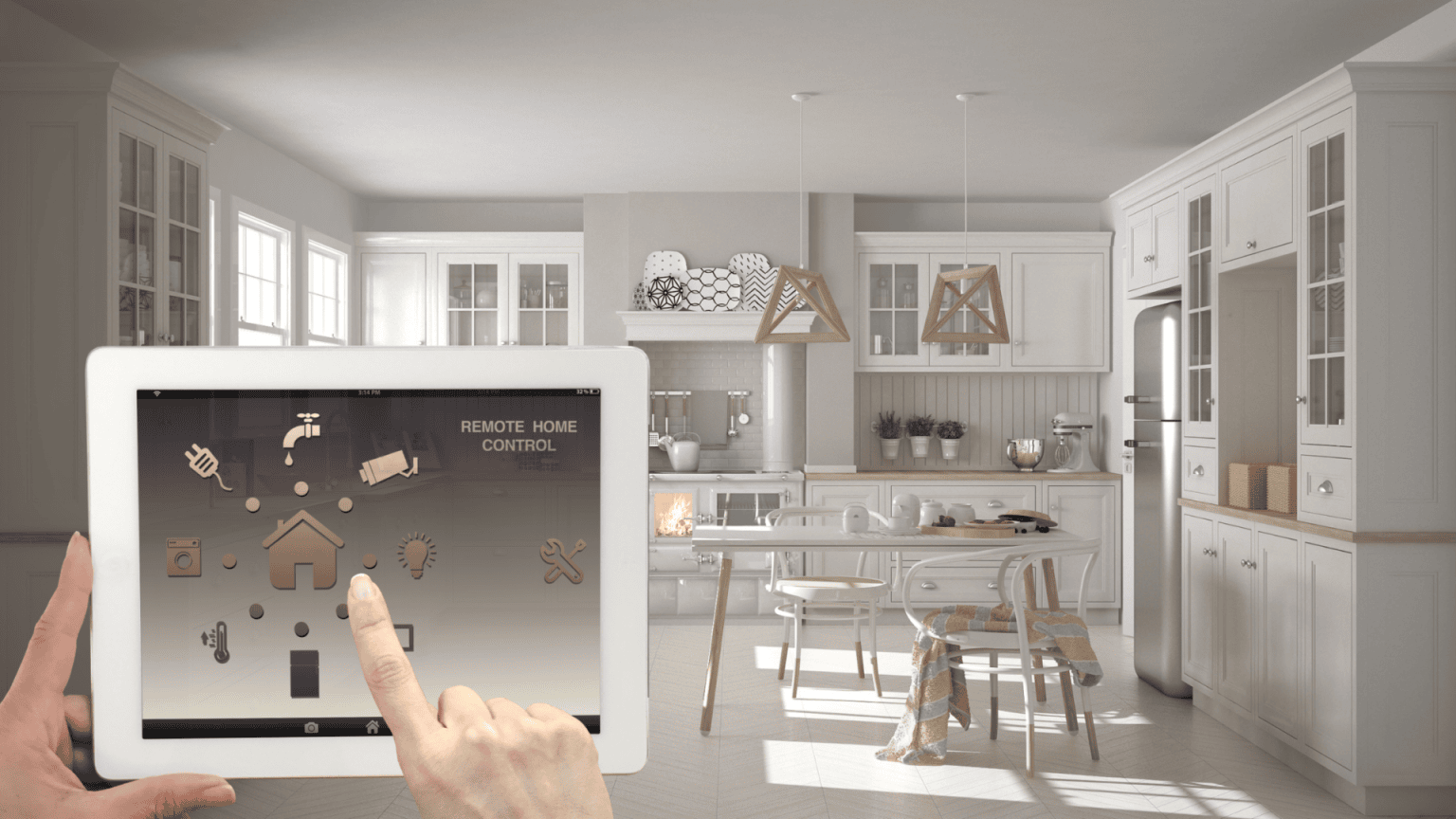
The future of home tech as envisioned in 2024 centered on three pillars: interoperability, proactive security, and AI-driven energy management. For enthusiasts and business owners alike, these advancements changed the way physical spaces were managed.
Interoperability and the Matter Standard
Before 2024, the "smart home" was a fractured ecosystem. If you bought a high-end security camera, it might not talk to your smart locks or your thermostat. By 2024, the industry moved toward a unified standard. This allowed users to build custom environments without being locked into a single manufacturer. For someone managing multiple properties or retail spaces, this meant reduced overhead and simplified maintenance.
AI-Integrated Security
Security technology moved beyond simple motion alerts. In 2024, "Edge AI" became standard. Cameras were no longer just recording video; they were identifying specific objects, recognizing authorized personnel, and even detecting "anomalous behavior" without sending data to the cloud. This provided a level of privacy and speed that was previously unavailable to the average consumer.
Bridging the Gap: Picking, Collecting, and Tech Integration
The intersection of Jarrod Schulz’s expertise and home technology is most evident in asset protection and inventory management. For decades, Schulz relied on instinct and physical organization to manage storage units and retail stock. The "future of home tech" in 2024 introduced tools that automated these legacy processes.
Smart Inventory for High-Value Assets
Collectors began using RFID (Radio Frequency Identification) and AI-powered cataloging apps to track their finds. In a modern "smart" home or warehouse, a collector can scan a room with a mobile device, and AI software will identify items, cross-reference them with historical auction data, and log them into a secure database. This technology directly impacts how modern "pickers" operate, moving the industry from handwritten ledgers to real-time digital asset tracking.
Environmental Controls for Preservation
In 2024, the "future of home tech" also addressed the preservation of collectibles. Smart HVAC systems, integrated with precise humidity and temperature sensors, became essential for anyone storing vintage clothing (like Schulz’s Outlaw Apparel inventory) or antique furniture. These systems use predictive analytics to adjust environments before external weather changes can affect the indoor climate, preventing mold, warping, or fabric degradation.
| Technology Category | 2024 Standard Feature | Impact on Home/Business Management |
|---|---|---|
| Security | Edge AI & Facial Recognition | Instant identification of known vs. unknown visitors; reduced false alarms. |
| Connectivity | Matter 2.0 Protocol | Cross-brand compatibility; simplified setup for complex smart home arrays. |
| Energy | Dynamic Load Balancing | Automatically shifts power usage to off-peak hours to reduce utility costs. |
| Inventory | AI Visual Recognition | Automatically logs and categorizes physical items via camera scans. |
| Privacy | Local Data Processing | Keeps sensitive video and audio data on-site rather than in the cloud. |
The Future Perspective: Looking from 2026 Back to 2024
As we examine the landscape in 2026, the foundations laid in 2024 have become the baseline for modern living. The "future" we discussed two years ago is now our daily reality. For public figures like Jarrod Schulz, the transition into 2024 was about survival and adaptation in a post-television world where digital presence and technical utility outweigh traditional celebrity.
The home tech of 2026 has moved toward Ambient Intelligence. We no longer "program" our homes; our homes learn our patterns and anticipate our needs. For example, the lighting in a modern home office now adjusts not just based on the time of day, but based on the user's circadian rhythm and the specific tasks they are performing.
The Role of Sustainable Tech
A major component of the future of home tech is sustainability. By 2024, solar integration and home battery systems (like the Tesla Powerwall or Enphase IQ) became standard in new renovations. For a business owner like Schulz, who understands the importance of low overhead, these technologies offer a way to "future-proof" properties against rising energy costs.
Technical Specifications of Modern Home Ecosystems
For those looking to replicate a high-end 2024/2025 tech setup, several technical requirements must be met. This is no longer about simply "plugging in a router."
- High-Bandwidth Infrastructure: A modern smart home requires a Wi-Fi 6E or Wi-Fi 7 mesh network to handle the dozens (sometimes hundreds) of concurrent device connections without latency.
- Dedicated Hubs: While Matter reduces the need for multiple bridges, a central "Home Controller" (such as a dedicated local server or high-end smart display) is necessary to manage complex automations.
- Redundant Power: To maintain security and environmental controls, modern systems require Uninterruptible Power Supplies (UPS) or integrated home battery backups.
- Hardware-Level Privacy: The move in 2024 was toward hardware-kill switches on microphones and cameras to ensure that "smart" features don't become privacy liabilities.
Practical Guidance for Navigating the New Tech Landscape
Whether you are a collector like Jarrod Schulz or a homeowner looking to upgrade, the path forward involves a "security-first" mindset. The future of home tech is convenient, but it requires a robust defense against digital intrusion.
- Audit Your Devices: Ensure every device in your home supports the Matter or Thread protocols for long-term viability.
- Segment Your Network: Keep your "Internet of Things" (IoT) devices on a separate guest network to prevent a compromised smart bulb from giving an intruder access to your personal computer.
- Prioritize Local Control: Choose systems that function even if your internet connection goes down. This "local-first" approach is the hallmark of professional-grade home tech in 2024 and beyond.
FAQ: Jarrod Schulz and Home Technology Trends
What happened to Jarrod Schulz's store, Now and Then?The physical "Now and Then" store featured on Storage Wars closed several years ago. Since then, Jarrod has focused on his brand, Outlaw Apparel, and has moved much of his business activity to online platforms and specialized pop-up events.
Is Jarrod Schulz still involved in reality TV in 2024?In 2024, Jarrod Schulz has largely remained away from new reality TV productions. He has focused on private business ventures and maintaining a lower public profile, though his past work continues to air in syndication globally.
What is the "Matter" protocol mentioned in home tech discussions?Matter is a universal communication standard launched by the Connectivity Standards Alliance (CSA). It allows smart home devices from different brands to work together seamlessly, solving the "walled garden" problem where devices were only compatible with specific ecosystems like Alexa or HomeKit.
How does AI help in home security in the 2024-2026 era?Modern AI in security cameras uses "computer vision" to distinguish between pets, vehicles, and people. It can even detect specific events, such as a package being delivered or a stranger loitering for an extended period, significantly reducing the number of false notifications sent to the user.
Can home tech increase the resale value of a property?Yes, as of 2024, "smart-ready" homes often command a premium. Features like integrated smart lighting, energy-efficient climate control, and built-in high-speed networking are highly sought after by modern buyers who want a home that is already optimized for the digital lifestyle.
Next Actions for Smart Home Integration
To align with the tech standards of 2024 and 2026, homeowners should start by upgrading their core infrastructure. Begin with a Thread-border router to ensure your network is ready for the next generation of low-power, high-reliability devices. Following this, focus on energy monitoring tools that provide real-time data on your consumption. Just as Jarrod Schulz looked for the hidden value in a storage unit, the modern homeowner finds value in the data generated by their living space—using it to reduce costs, increase security, and create a more responsive environment.
Image Gallery