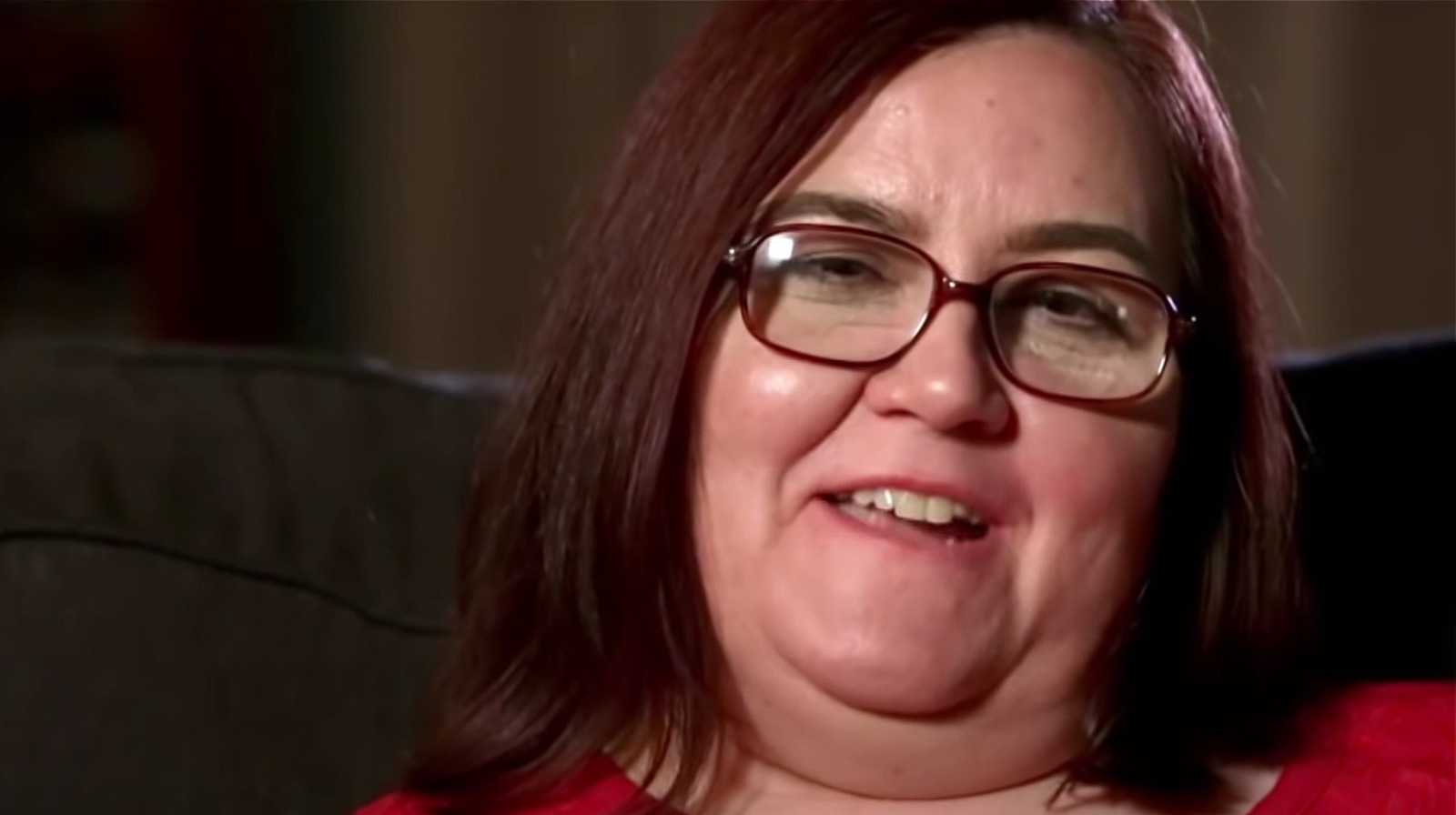
Exploring the Speculation Regarding Danielle Jbali’s Cognitive Health and Reality TV Portrayal
There is no public record or clinical confirmation that Danielle Mullins Jbali from 90 Day Fiancé has a diagnosed intellectual disability or is "mentally challenged." While her emotional outbursts and social struggles on the show fuele...
There is no public record or clinical confirmation that Danielle Mullins Jbali from 90 Day Fiancé has a diagnosed intellectual disability or is "mentally challenged." While her emotional outbursts and social struggles on the show fueled years of internet speculation, her successful completion of nursing school and licensure as an LPN demonstrate significant cognitive and professional capabilities.
Contents
The Origins of the Public Speculation
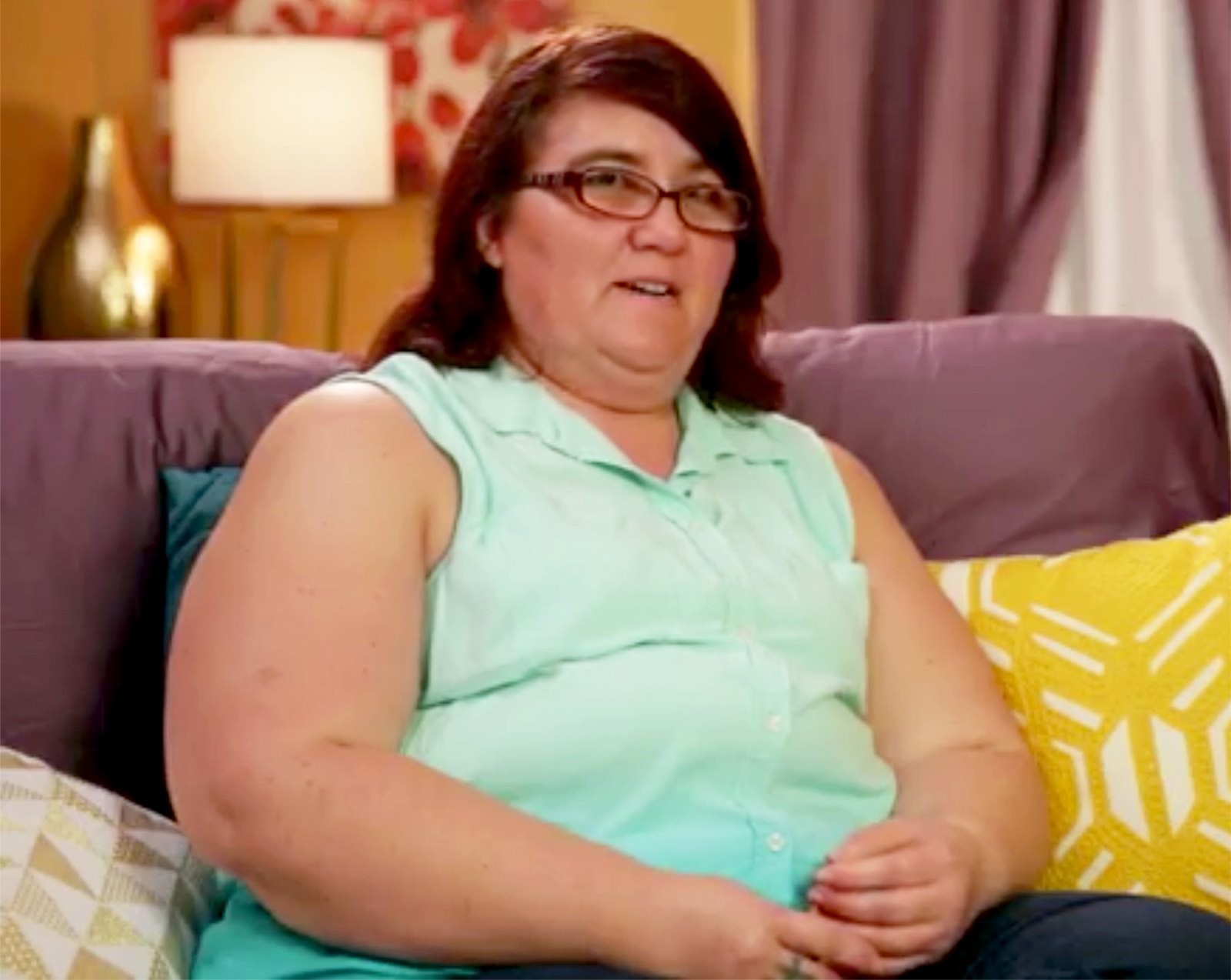
The question of whether Danielle Jbali has an intellectual disability has been a recurring topic within the 90 Day Fiancé fandom since her debut in Season 2. This speculation was primarily driven by her televised behavior, her decision-making processes regarding her relationship with Mohamed Jbali, and the way she processed high-stress social interactions. On reality television, viewers often see a highly edited version of a person’s life, which can amplify certain personality traits while omitting others.
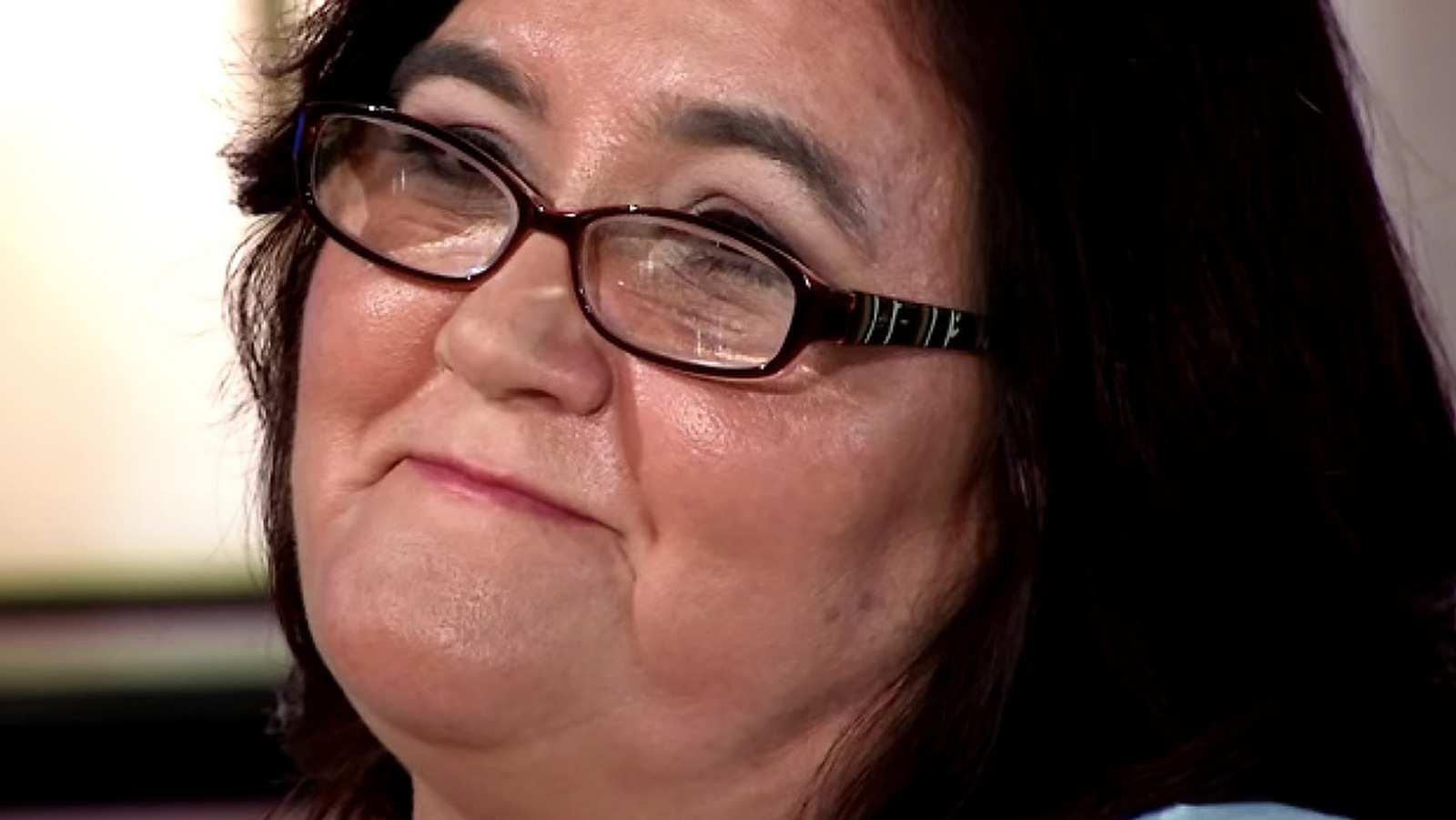
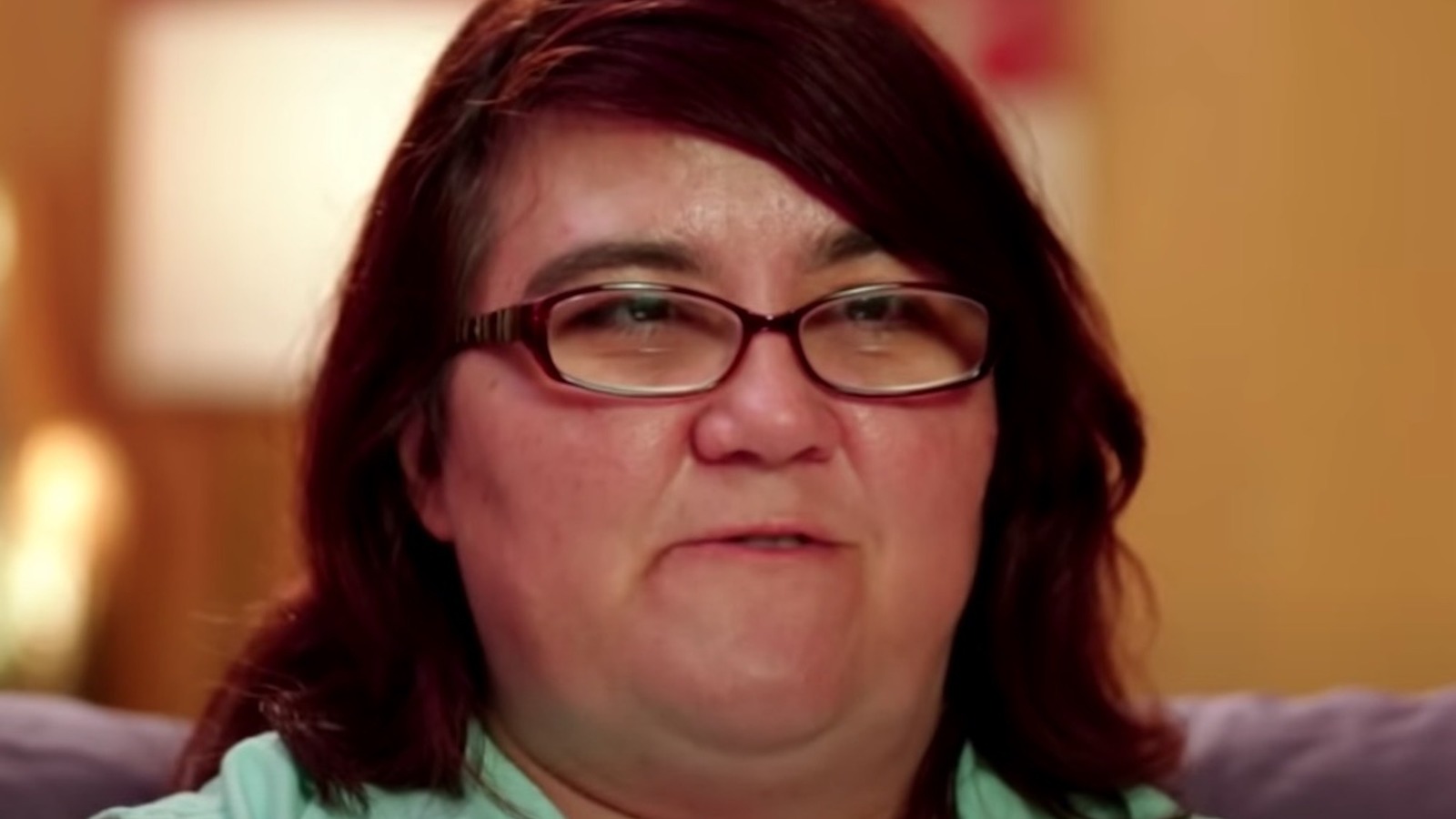
During her early seasons, Danielle was often depicted in a state of emotional distress. Her pursuit of Mohamed, despite numerous red flags and his clear lack of romantic interest, led some viewers to question her ability to discern social cues or understand the complexities of international marriage fraud. This "armchair diagnosis" by fans was further exacerbated by her speech patterns and facial expressions during moments of intense anger or sadness, which some online commenters incorrectly correlated with cognitive impairment.
However, it is essential to distinguish between emotional intelligence, personality quirks, and actual clinical intellectual disabilities. Intellectual disability is characterized by significant limitations in both intellectual functioning (such as learning, problem-solving, and judgment) and adaptive behavior (which covers a range of everyday social and practical skills). Throughout her subsequent appearances on Happily Ever After? and The Single Life, Danielle demonstrated a consistent ability to hold employment, manage her household, and eventually navigate the rigorous academic requirements of a medical education.
Reality Television Editing vs. Authentic Reality
The "villain" or "victim" edits common in reality TV play a significant role in how audiences perceive a cast member's mental health. Production companies like Sharp Entertainment, which produces 90 Day Fiancé for TLC, prioritize dramatic tension and narrative arcs. In Danielle’s case, the narrative focused heavily on her "desperation" and her "obsession" with holding Mohamed accountable, famously symbolized by her "binder of evidence."
When a person is filmed for hundreds of hours and those hours are condensed into forty-minute episodes, the nuance of their character is often lost. Behavior that may be a reaction to extreme stress, sleep deprivation, or the pressure of being filmed can be edited to look like a permanent character trait or a cognitive deficit. Danielle has occasionally spoken out about the stress of filming, noting that the environment often heightened her anxiety.
Furthermore, the power dynamic in her marriage to Mohamed—a much younger man who many perceived as a "scammer"—placed Danielle in a vulnerable position. Vulnerability and being the victim of a "romance scam" do not equate to being mentally challenged. Many individuals, regardless of their IQ or cognitive health, fall prey to such schemes due to loneliness or emotional manipulation.
Danielle’s Educational and Career Journey: The LPN Success
The most significant piece of evidence countering the rumors of a cognitive disability is Danielle Jbali’s educational achievement. In the early 2020s, Danielle enrolled in a nursing program, a feat she documented on social media and during her time on The Single Life. Nursing education is notoriously rigorous, requiring a strong grasp of biology, pharmacology, mathematics, and clinical ethics.
By 2021, Danielle announced she had graduated from her program, and she later successfully passed the NCLEX-PN (National Council Licensure Examination for Practical Nurses). To become a Licensed Practical Nurse (LPN) in the United States, an individual must:
- Complete an accredited nursing program.
- Pass a background check.
- Pass the NCLEX-PN, a standardized exam that tests critical thinking, medical knowledge, and the ability to make life-saving decisions under pressure.
The NCLEX is an adaptive test that is difficult even for those without learning hurdles. Danielle’s ability to study for, sit for, and pass this exam serves as a definitive rebuttal to claims that she lacks the cognitive capacity to function at a high level. As of 2026, her career in healthcare stands as a testament to her persistence and intellectual ability, moving her far beyond the "distressed wife" persona she occupied a decade ago.
The Ethics of Armchair Diagnosis
The tendency for social media users to diagnose reality TV stars with various disorders—ranging from autism and ADHD to intellectual disabilities—is a problematic trend in digital culture. Without a clinical evaluation by a licensed professional, these labels are speculative and often harmful.
In Danielle’s case, using terms like "mentally challenged" to describe her behavior on a TV show from 2014 is not only factually unsupported but also ignores the growth she has shown. Public figures often deal with the "permanence" of their past selves; because her early episodes are still available on streaming platforms, new viewers continue to discover her at her lowest moments, unaware of her subsequent professional development.
It is also important to consider the role of neurodiversity. While there is no evidence Danielle has a specific diagnosis, the conversation around her often ignores the fact that people process information and emotions in diverse ways. Labeling someone as "challenged" simply because their emotional reactions do not align with a viewer's expectations is a simplification of human psychology.
Comparing Reality TV Portrayal vs. Professional Requirements
To better understand why the rumors persisted despite her career success, it is helpful to look at the contrast between how Danielle was presented on television and what her actual life required of her.
| Feature | Reality TV Portrayal (2014-2017) | Professional Reality (LPN Status) |
|---|---|---|
| Decision Making | Often shown making impulsive, emotion-led choices regarding her marriage. | Requires clinical judgment, medication safety, and patient prioritization. |
| Communication | Characterized by high-conflict arguments and emotional outbursts. | Requires professional documentation and clear communication with medical teams. |
| Social Perception | Viewed as easily manipulated or "naive" by the audience. | Requires the ability to navigate complex hospital/clinic hierarchies and patient needs. |
| Academic Standing | Rarely discussed; focus was entirely on her personal drama. | Successfully passed the NCLEX-PN, which requires high-level reading comprehension. |
| Financial Status | Portrayed as struggling or having "money problems" during the divorce. | Maintains steady employment in a skilled, high-demand labor field. |
Danielle Jbali in 2026: A Different Perspective
Looking at Danielle Jbali from the vantage point of 2026, her narrative has shifted from one of a "scammed" reality star to that of a resilient professional. She has largely distanced herself from the high-drama antics of the main 90 Day Fiancé franchise, appearing instead in "Where Are They Now?" segments that highlight her nursing career and her improved self-esteem.
Her journey illustrates a common trajectory for early reality TV stars: an initial period of intense public scrutiny and mockery followed by a period of stabilization and personal rebranding. By focusing on her education and her role in the healthcare sector, Danielle has effectively rewritten the public's perception of her. While the internet may never fully let go of the memes generated by her early seasons, the "mentally challenged" narrative has lost its footing in the face of her documented professional accomplishments.
Frequently Asked Questions
Did Danielle Jbali ever address the rumors about her mental health?
While Danielle has not explicitly addressed the "mentally challenged" label in a clinical sense, she has been very vocal about the toll the show took on her mental health. She has discussed experiencing depression and anxiety due to her divorce and the online bullying she faced. She has consistently maintained that she is a capable adult who was simply in a very bad relationship.
How did Danielle become a nurse if she was portrayed as struggling?
The portrayal on 90 Day Fiancé focused on her personal life, not her academic or professional potential. Danielle worked as a caregiver and in other support roles for years before deciding to pursue her LPN. Her success in nursing school is attributed to her personal determination and the support of her family, proving that her television persona was not a full reflection of her abilities.
Why do people still ask if she has a disability?
The "shelf-life" of reality TV is long. Because 90 Day Fiancé is globally syndicated and available on streaming platforms like Max and Discovery+, new audiences are constantly seeing Danielle’s 2014 storyline for the first time. Without the context of her 2021-2026 career updates, these viewers often repeat the same speculations that were common a decade ago.
What is Danielle Jbali doing now in 2026?
As of 2026, Danielle continues to work in the nursing field. She has used her platform to advocate for student nurses and has remained a part of the TLC extended family through social media and occasional appearances, though she is no longer a primary cast member of the main series. Her focus remains on her family, her career, and her personal well-being.
Final Perspective and Next Steps
When evaluating public figures like Danielle Jbali, it is crucial to rely on verifiable facts rather than edited media narratives. The speculation that she is "mentally challenged" is an example of how reality TV can create a distorted image of an individual's cognitive health. For those interested in the truth of her journey, the most reliable action is to look at her professional certifications and her ability to sustain a career in a high-stakes field like nursing.
If you are a fan of the show or a researcher looking into the effects of reality TV on public perception, consider studying the "editing techniques" used in early seasons of 90 Day Fiancé. Understanding how "frailty" or "confusion" is manufactured through jump-cuts and music can provide a more nuanced view of why these rumors started in the first place.
Image Gallery