The Comprehensive Technical Training Definition: Bridging the 2026 Skills Gap
Technical training is the systematic process of teaching employees the specific skills, tools, and methodologies required to perform specialized tasks within a professional role. Unlike general professional development, it focuses on h...
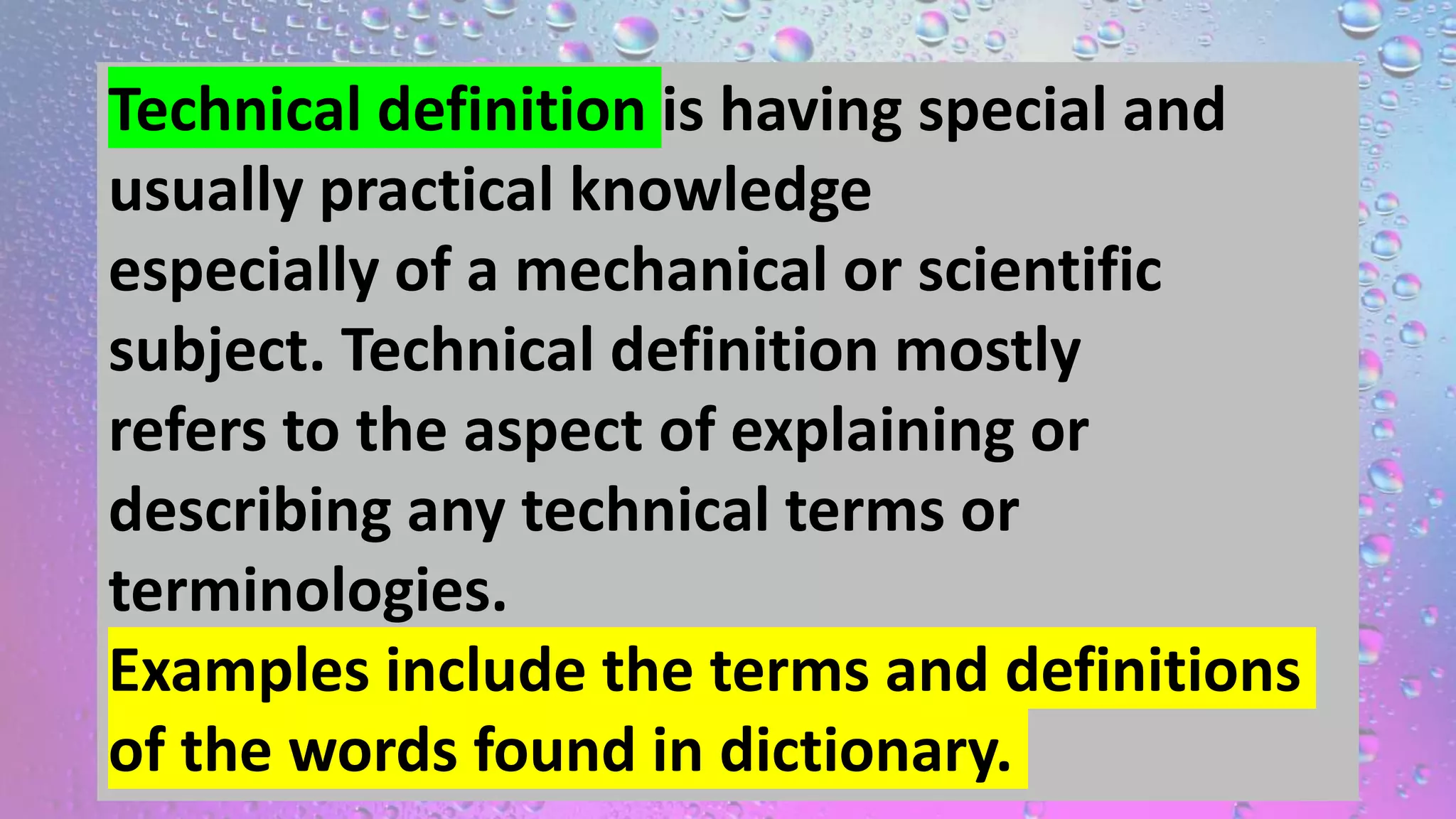
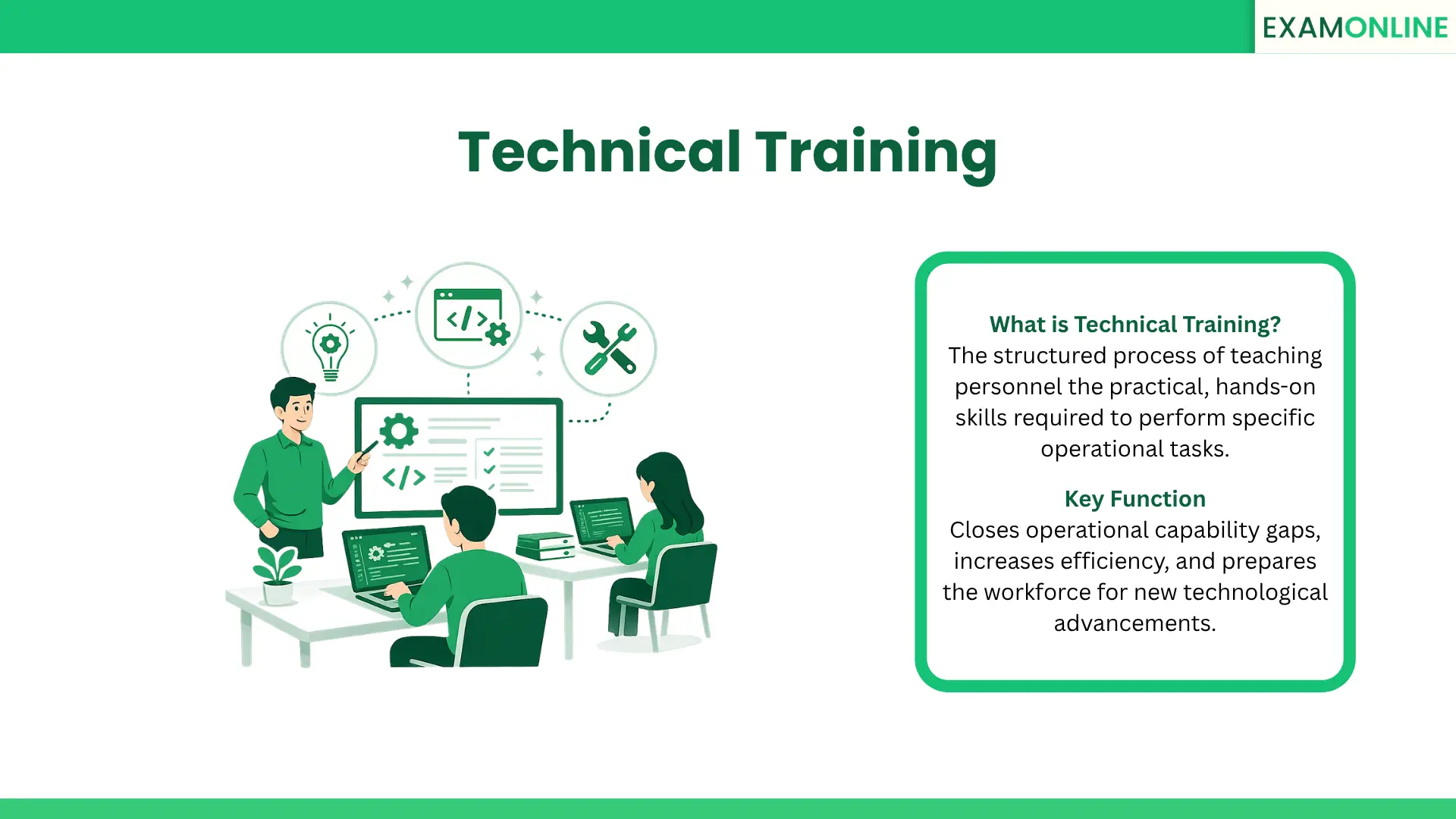
Technical training is the systematic process of teaching employees the specific skills, tools, and methodologies required to perform specialized tasks within a professional role. Unlike general professional development, it focuses on hard, measurable competencies—such as software engineering, industrial machine operation, or data architecture—essential for operational efficiency and the mastery of job-specific technologies.
Contents
Technical training has transitioned from a periodic "nice-to-have" luxury into a core business necessity. As of 2026, the velocity of technological change has reduced the half-life of most technical skills to less than three years. Consequently, the definition of technical training has expanded beyond simple classroom instruction to encompass a continuous, integrated ecosystem of learning that keeps pace with rapid innovation.
The Core Pillars of Technical Training
To understand the technical training definition in a modern context, one must distinguish it from broader educational categories. While "training" is a broad umbrella, technical training is defined by its specificity and its direct application to a technical output.
1. Skill Specificity and Practical Application
The hallmark of technical training is its focus on the "how-to." Whether it is learning a new programming language like Rust or operating a 5-axis CNC mill, the objective is the successful execution of a task. It moves beyond theoretical knowledge (knowing that something works) to functional competence (knowing how to make it work). In the 2026 enterprise environment, this often involves "sandbox" environments where learners can manipulate digital twins of real-world systems without risking actual production assets.
2. Measurable Outcomes
Technical training is highly quantifiable. Success is typically measured through certification, competency-based assessments, or key performance indicators (KPIs) like reduced error rates, faster deployment times, or lower mean time to repair (MTTR). If a training program does not result in a demonstrable change in a technical metric, it likely falls into the category of "awareness" rather than "technical training."
3. Tool and Platform Dependency
Most technical training is centered around a specific stack or platform. For instance, a cloud engineer might undergo technical training specifically for AWS or Azure architecture. A surgeon might receive training on a specific robotic-assisted surgical system. The training is inherently tied to the nuances of the equipment or software being utilized.
Technical Training vs. Soft Skills and Compliance
A common point of confusion is where technical training ends and other forms of professional development begin. In a 2026 corporate strategy, these three categories should be treated as distinct but complementary.
| Feature | Technical Training | Soft Skills Training | Compliance Training |
|---|---|---|---|
| Primary Focus | Hard skills, tools, and methods | Communication, leadership, empathy | Legal, ethical, and safety regulations |
| Measurability | High (exams, output quality) | Moderate (360-feedback, climate surveys) | High (completion rates, audit logs) |
| Duration | Ongoing/Intense | Intermittent/Consistent | Annual/Mandatory |
| Example | Cybersecurity protocols | Conflict resolution | GDPR/Data Privacy |
| 2026 Priority | Critical for innovation | Critical for retention | Critical for risk mitigation |
Why Technical Training is Critical in 2026
The definition of technical training in 2026 is heavily influenced by the "Skills-First" economy. Organizations are moving away from hiring based on degrees and toward hiring based on verified technical competencies.
The Impact of AI and Automation
Artificial Intelligence has not replaced the need for technical training; rather, it has shifted the focus. Technical training now frequently includes "AI Orchestration"—teaching workers how to use generative AI and automated systems to augment their existing technical tasks. For example, a software developer’s technical training in 2026 includes not just syntax, but the effective use of AI-driven code copilots and automated testing frameworks.
The Global Labor Shortage
With a shrinking specialized workforce, companies are using technical training as a tool for "internal mobility." By providing clear technical training pathways, organizations can transition employees from declining legacy roles into high-growth areas like renewable energy management or quantum computing operations.
Methods of Delivering Technical Training
The delivery of technical training has evolved significantly. The days of week-long, off-site seminars are largely over, replaced by more agile and immersive formats.
Virtual Instructor-Led Training (VILT)
VILT combines the benefits of a live instructor with the flexibility of remote access. In 2026, these sessions often incorporate collaborative coding environments or collaborative CAD (Computer-Aided Design) sessions where the instructor can jump into the student's workspace in real-time to troubleshoot errors.
Microlearning and Just-In-Time (JIT) Support
Technical training is increasingly delivered in "bite-sized" increments. When a technician encounters an unfamiliar error code on a piece of equipment, they may access a three-minute high-definition video or an AR (Augmented Reality) overlay that provides the specific technical instruction needed at that exact moment. This is a shift from "learning for the future" to "learning for the immediate task."
Immersive Technology (VR and AR)
For high-risk environments—such as electrical grid repair, deep-sea exploration, or aerospace manufacturing—Virtual Reality (VR) provides a safe space for technical mastery. It allows trainees to fail safely, repeat complex procedures indefinitely, and build muscle memory before touching multimillion-dollar equipment.
Designing an Effective Technical Training Program
Building a program that meets the 2026 definition of "effective" requires a structured approach. Most high-performing organizations follow a modernized version of the ADDIE model (Analysis, Design, Development, Implementation, and Evaluation).
- Needs Analysis: Identify the gap between current employee skills and the skills required for upcoming projects. This involves auditing current certifications and technical output.
- Curriculum Mapping: Technical training must be sequential. Prerequisites must be clearly defined so that advanced concepts are built on a solid foundation of basic principles.
- Environment Setup: Technical training requires a specialized environment. For software, this means a "Dev" environment; for hardware, it means a dedicated lab or shop floor time.
- Implementation: The actual delivery of content. In 2026, this is usually a hybrid of self-paced digital modules and hands-on workshops.
- Verification of Competency: This is the most critical step. Trainees must demonstrate their skills through a "capstone project" or a rigorous practical exam.
Measuring ROI: The Value of Technical Training
The cost of technical training can be substantial, involving instructor fees, software licenses, and employee downtime. Therefore, proving Return on Investment (ROI) is essential.
Direct Productivity Gains
One of the most immediate ways to measure technical training is through productivity metrics. If a team undergoes training on a new project management tool or a new deployment pipeline, the organization should see a measurable decrease in the time it takes to move a product from "concept" to "market."
Reduction in Rework and Waste
In manufacturing and engineering, technical training directly impacts the "scrap rate." Well-trained technicians make fewer errors, leading to less wasted material and fewer hours spent fixing mistakes.
Employee Retention
According to LinkedIn's Workplace Learning Reports, employees are significantly more likely to stay with a company that invests in their technical growth. In the 2026 talent market, technical training is a powerful retention tool, as it ensures the employee's skills remains relevant and marketable.
Common Challenges and Troubleshooting
Even the best-funded technical training programs can fail if they do not address common pitfalls:
- Training Decay: Without immediate application, technical skills can fade within weeks. Organizations must ensure that training is scheduled just before the skill is needed on the job.
- Outdated Material: In 2026, software updates occur weekly. Technical training documentation must be "living documentation" that is updated by Subject Matter Experts (SMEs) in real-time.
- Lack of Leadership Buy-in: If management does not prioritize the time needed for training, employees will view it as a burden rather than an opportunity.
FAQs
What is the difference between technical training and vocational training?
While they overlap, technical training is generally conducted within a corporate or professional context to support specific business goals. Vocational training is typically a broader educational path (often through trade schools) designed to prepare an individual for an entire career field, such as plumbing or welding.
How often should technical training be updated?
In the current 2026 landscape, technical training curricula should be reviewed at least every six months. For rapidly evolving fields like AI, cybersecurity, and cloud architecture, quarterly updates are often necessary to account for new security threats and software releases.
Can technical training be entirely self-taught?
While self-paced learning (via platforms like Coursera, Pluralsight, or O'Reilly) is a significant component of technical training, most complex technical skills require some form of peer review, mentorship, or expert assessment to ensure that the "self-taught" individual has not developed bad habits or misunderstood core safety protocols.
What is "Technical Training as a Service" (TTaaS)?
TTaaS is a 2026 trend where companies outsource their entire technical training department to specialized providers. These providers handle the curriculum updates, the LMS (Learning Management System) hosting, and the certification of employees, allowing the company to focus on its core operations.
Practical Recommendations
To implement a successful technical training strategy in 2026, start by conducting a comprehensive skills audit. Identify the "critical path" technologies your organization relies on and assess the proficiency levels of the staff responsible for those technologies. Prioritize "upskilling" (improving current skills) and "reskilling" (learning entirely new skills) for roles most at risk of automation. Finally, ensure that every hour of technical training is tied to a specific, measurable business outcome to justify the investment to stakeholders.
Image Gallery