The Bleach Franchise Net Worth: A Comprehensive Financial Analysis (2026)
As of 2026, the Bleach franchise net worth is estimated to be approximately $7.5 billion to $8.2 billion. This valuation is driven by over 135 million manga copies sold, the massive global success of the Thousand-Year Blood War anime r...
As of 2026, the Bleach franchise net worth is estimated to be approximately $7.5 billion to $8.2 billion. This valuation is driven by over 135 million manga copies sold, the massive global success of the Thousand-Year Blood War anime revival, high-grossing mobile games like Brave Souls, and extensive international merchandise licensing.
Contents
The journey of Bleach, created by Tite Kubo, from a 2001 manga debut in Weekly Shonen Jump to a multi-billion-dollar global intellectual property (IP) is a masterclass in brand longevity. While the original anime concluded in 2012, the franchise's resurgence in the 2020s has proven that its commercial appeal remains potent among both legacy fans and a new generation of viewers. To understand the current valuation, one must analyze the diverse revenue streams that sustain this titan of the "Big Three."
The Foundation of Value: Manga Sales and Publication
The primary engine behind the Bleach franchise’s net worth remains its literary origin. Tite Kubo’s manga series, which ran for 74 volumes between 2001 and 2016, is one of the best-selling manga series in history.
Domestic and International Circulation
By 2026, Bleach has surpassed 135 million copies in circulation globally. This includes traditional tankobon volumes, digital sales via platforms like Shonen Jump+, and various "Omnibus" or "Full Color" re-releases. The publication revenue is split between Shueisha (the Japanese publisher) and international distributors like Viz Media in North America.
The profitability of the manga is bolstered by its high "collectability" factor. Tite Kubo is widely regarded for his high-fashion character designs and minimalist, high-contrast art style, which has led to specialized art book releases like JET. These premium products carry higher price points and profit margins than standard volumes, contributing significantly to the overall IP value.
The "Burn the Witch" and Novel Expansion
The franchise's worth is not limited to the original 74 volumes. The expansion into light novels, such as the Can’t Fear Your Own World series, has allowed the IP to generate revenue during periods when no anime was airing. Furthermore, Kubo’s spin-off work, Burn the Witch, is intrinsically linked to the Bleach brand, sharing the same universe and boosting cross-promotional sales.
The Anime Renaissance: Streaming and Global Licensing
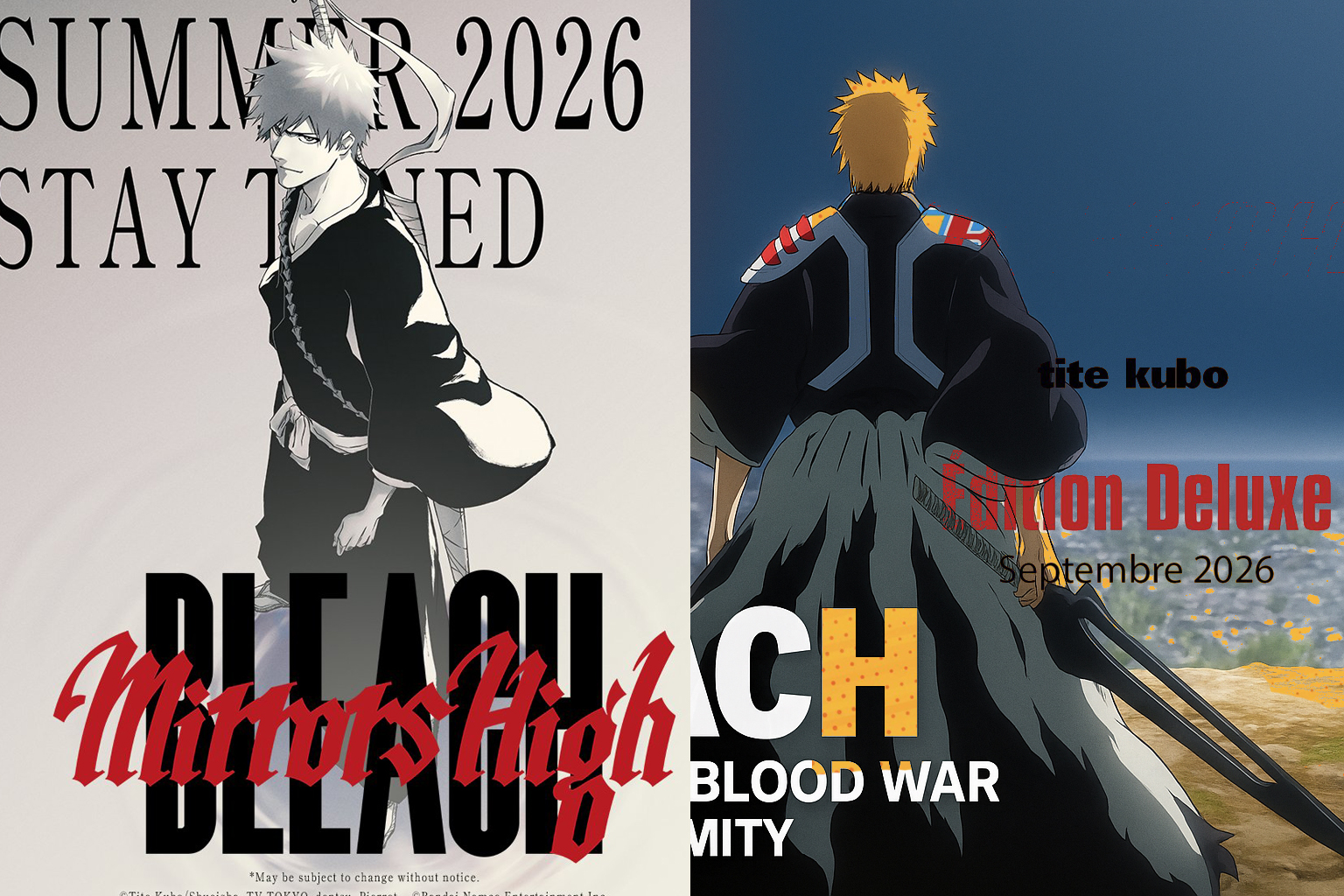
Perhaps the most significant contributor to the spike in the Bleach franchise net worth over the last five years has been the Thousand-Year Blood War (TYBW) anime adaptation.
High-Stakes Licensing Deals
In the modern era of 2026, anime valuation is heavily weighted toward streaming rights. The "streaming wars" between platforms like Disney+, Hulu, and Crunchyroll have driven licensing fees to record highs. When the Thousand-Year Blood War arc was announced, it sparked a bidding war, ultimately resulting in a massive international distribution deal.
Unlike the original 366-episode run, the TYBW arc utilized a high-budget, seasonal format. This approach maximized the "event" nature of the release, allowing for higher advertising rates and premium licensing tiers. The global reach of these platforms has expanded the audience in regions like Latin America, Europe, and Southeast Asia, where the franchise has seen a 40% increase in active viewership compared to the 2010s.
Home Video and Digital Ownership
While streaming is king, the "Bleach" IP continues to earn through Blu-ray and DVD sales, particularly in Japan. Collector’s editions of the TYBW arc, featuring exclusive art and behind-the-scenes content, target the "super-fan" demographic that is willing to spend $200–$500 on physical media.
The Gaming Ecosystem: Gacha and Console Success
A massive portion of the $7.5 billion+ valuation comes from the digital sector, specifically mobile gaming. In the entertainment industry, gaming often provides the highest margins and most consistent cash flow.
Bleach: Brave Souls
Bleach: Brave Souls, developed by KLab Games, has been a cornerstone of the franchise’s financial health since its release in 2015. By 2026, the game has surpassed 80 million downloads. As a "gacha" game—where players spend currency for a chance to unlock characters—it generates hundreds of millions of dollars in annual revenue. The integration of characters from the light novels and the new TYBW anime has kept the player base engaged and spending.
Console and PC Market
In addition to mobile dominance, console titles like Bleach: Rebirth of Souls have re-established the franchise in the "hardcore" gaming market. These titles, often published by Bandai Namco, serve as both revenue generators and marketing tools, keeping the characters relevant to gamers who may not follow the manga or anime closely.
Merchandise and Brand Partnerships
The aesthetic appeal of Bleach makes it a darling of the fashion and collectible industries. Tite Kubo’s emphasis on "cool" factor over traditional tropes has allowed the franchise to penetrate markets that other anime struggle to reach.
- High-End Collectibles: Partnerships with companies like Megahouse, Tsume Art, and Bandai Spirits (SH Figuarts) result in statues and figures that retail from $60 to over $1,000. These products often sell out during pre-order phases.
- Apparel and Streetwear: Bleach has successfully collaborated with global brands like Uniqlo, SuperGroupies, and various high-end streetwear labels. By positioning the brand as "lifestyle" rather than just "cartoon," the franchise captures revenue from the fashion-conscious demographic.
- The Trading Card Game (TCG): While not as dominant as Pokémon or Yu-Gi-Oh!, the various iterations of the Bleach TCG and its inclusion in the Union Arena system have created a steady stream of secondary market activity and retail sales.
Revenue Stream Breakdown (Estimated 2026)
The following table provides an estimated breakdown of where the franchise's total value is concentrated. These figures reflect cumulative historical earnings and current brand valuation.
| Revenue Segment | Estimated Contribution | Key Drivers |
|---|---|---|
| Manga & Publishing | $1.8 Billion | 135M+ copies sold, Artbooks, Light Novels |
| Anime Licensing & Home Video | $2.2 Billion | TYBW Streaming deals, TV syndication, Blu-ray |
| Mobile & Console Gaming | $2.5 Billion | Brave Souls revenue, Rebirth of Souls sales |
| Merchandise & Apparel | $1.2 Billion | Figures, Fashion collabs, Card games |
| Box Office & Other | $0.3 Billion | 4 Animated films, 1 Live-action film |
| Total Estimated Net Worth | $8.0 Billion | Cumulative Brand Valuation |
Comparative Valuation: Bleach in the "Big Three" Context
To understand if $8 billion is a "high" number, one must look at its contemporaries. In the mid-2000s, Bleach, Naruto, and One Piece were dubbed the "Big Three" of Weekly Shonen Jump.
- One Piece: With over 500 million copies sold and a live-action Netflix hit, One Piece sits comfortably above $20 billion in total franchise value.
- Naruto: Including the Boruto era, the Naruto franchise is estimated to be worth between $10 billion and $12 billion.
- Bleach: While slightly behind the other two in total manga volume, Bleach often matches or exceeds them in "revenue per fan" regarding high-end merchandise and mobile game spending. The 2022–2025 revival has closed the gap significantly, revitalizing an IP that many thought had peaked a decade ago.
Factors Influencing Future Growth
As we look toward the late 2020s, several factors will determine if the Bleach franchise net worth continues to climb toward the $10 billion mark.
- The "Hell Arc" Potential: Tite Kubo released a "special one-shot" chapter in 2021 that teased a new story arc centered on the Gates of Hell. If this is serialized into a full manga run, it would trigger a massive new wave of volume sales and anime adaptations.
- Live-Action Expansion: Following the success of other anime-to-live-action adaptations, there is persistent industry rumor regarding a high-budget Western film or series. A successful Hollywood-backed project could triple the franchise's brand awareness in non-traditional markets.
- Expansion of "Burn the Witch": As a sister series to Bleach, any success for Burn the Witch provides a "halo effect" for the main series, leading to cross-over events in games and collaborative merchandise.
Frequently Asked Questions
How much does Tite Kubo make from the Bleach franchise?
While an author's personal net worth is separate from the franchise net worth, Tite Kubo's wealth is estimated at over $50 million. Most of this comes from manga royalties (typically 10% of book sales), character design fees for games, and royalties from merchandise licensing.
Is the Bleach anime more profitable than the manga?
In terms of raw annual revenue in 2026, the anime and gaming segments outperform the manga. However, the manga is the "source material" that requires much lower overhead to produce, making it highly profitable in terms of percentage margins.
Which Bleach game has made the most money?
Bleach: Brave Souls is the undisputed leader. Since its 2015 launch, it has likely generated over $600 million in lifetime revenue through microtransactions, outperforming all console titles combined.
Did the 10-year anime hiatus hurt the franchise's net worth?
Initially, yes, as merchandise and licensing slowed down between 2012 and 2021. However, the hiatus created a "scarcity" and "nostalgia" factor that made the Thousand-Year Blood War revival significantly more valuable when it finally arrived.
Who owns the rights to the Bleach franchise?
The rights are primarily held by Shueisha (publishing), TV Tokyo (broadcast), and Studio Pierrot (animation production). In North America, Viz Media manages most of the licensing rights under the parent company Shogakukan-Shueisha Productions (ShoPro).
Recommendation for Investors and Analysts
For those tracking the business of anime, the Bleach franchise serves as a prime example of "Legacy IP Management." The key takeaway for 2026 is that the franchise has successfully transitioned from a volume-based manga model to a multi-platform digital and lifestyle brand.
If you are looking to engage with the franchise's commercial growth, monitoring KLab Games' financial reports and Shueisha’s licensing announcements regarding the "Hell Arc" is essential. The brand’s ability to maintain high engagement during long periods of inactivity suggests a "sticky" fan base that provides long-term value, making it one of the most stable investments in the entertainment sector.
Image Gallery