The Donovan Hair Transplant Reality: Understanding the Role of Specialized Trichology
The reality of the Donovan hair transplant experience is that Dr. Jeff Donovan, a world-renowned dermatologist, does not actually perform hair transplant surgeries. Instead, his "reality" centers on providing expert medical diagnosis a...
The reality of the Donovan hair transplant experience is that Dr. Jeff Donovan, a world-renowned dermatologist, does not actually perform hair transplant surgeries. Instead, his "reality" centers on providing expert medical diagnosis and non-surgical treatment plans to ensure patients are physically and medically fit for surgery before they visit a surgeon.
Contents
For many individuals suffering from hair loss, the journey toward restoration often leads them to the name Dr. Jeff Donovan. Based in Whistler, British Columbia, Dr. Donovan has established himself as one of the world’s leading experts in hair loss disorders. However, a common misconception persists among prospective patients: the belief that he is a hair transplant surgeon. In 2026, as the hair restoration industry continues to expand with new technologies and global "hair tourism," understanding the distinction between medical trichology and surgical restoration is more critical than ever.
The Distinction Between Medical Trichology and Hair Surgery
To understand the Donovan hair transplant reality, one must first distinguish between a medical hair specialist (dermatologist/trichologist) and a hair transplant surgeon. While both operate within the field of hair restoration, their objectives, tools, and roles in a patient's journey are fundamentally different.
A hair transplant surgeon focuses on the mechanical relocation of hair follicles from a donor site (usually the back of the head) to a recipient site (the thinning or bald area). This is a surgical procedure, whether performed via Follicular Unit Extraction (FUE) or Follicular Unit Transplantation (FUT).
In contrast, Dr. Jeff Donovan is a board-certified dermatologist specializing in the medical diagnosis of the nearly 50 different types of hair loss. His role is to determine why the hair is falling out. The "Donovan reality" is that many patients seeking transplants actually suffer from conditions where surgery would be a catastrophic mistake. By the time 2026 rolled around, the industry saw an increase in "failed" transplants that were actually cases of misdiagnosed inflammatory scalp conditions—the very thing Dr. Donovan’s practice aims to prevent.
Why a Pre-Surgical Evaluation is Essential
Many clinics that perform hair transplants are "surgical-first" operations. Their primary goal is to schedule a procedure. However, the reality of hair loss is that it is often a symptom of an underlying medical issue or a specific type of alopecia that does not respond well to surgery.
Identifying Scarring Alopecia
One of the most significant risks in the hair transplant industry is performing surgery on a patient with Cicatricial Alopecia (scarring alopecia). Conditions such as Lichen Planopilaris (LPP) or Frontal Fibrosing Alopecia (FFA) involve the immune system attacking the hair follicles. If a surgeon places grafts into a scalp affected by active scarring alopecia, the immune system will likely destroy the new grafts, leading to a total loss of the investment and further scarring.
Dr. Donovan’s diagnostic reality involves using high-level trichoscopy and, when necessary, scalp biopsies to ensure the scalp is "quiet" and healthy enough to support a transplant. This medical clearance is the "reality" that saves patients thousands of dollars and permanent disfigurement.
Optimizing the Donor Zone
A successful transplant is limited by the "donor bank"—the amount of permanent hair available for relocation. The Donovan approach often involves medical intervention to stabilize existing hair loss before surgery. By using medications like high-dose minoxidil, finasteride, or newer 2026-standard protocols like JAK inhibitors for specific conditions, a patient can often reduce the area needing coverage, thereby preserving their limited donor hair for the future.
The Diagnostic Process at the Donovan Hair Clinic
Navigating the Donovan hair transplant reality requires understanding his rigorous diagnostic protocol. Patients do not simply walk in and ask for a hairline lowering; they undergo a comprehensive medical review.
- Detailed Clinical History: This includes reviewing the timeline of hair loss, family history, medication use, and previous failed treatments.
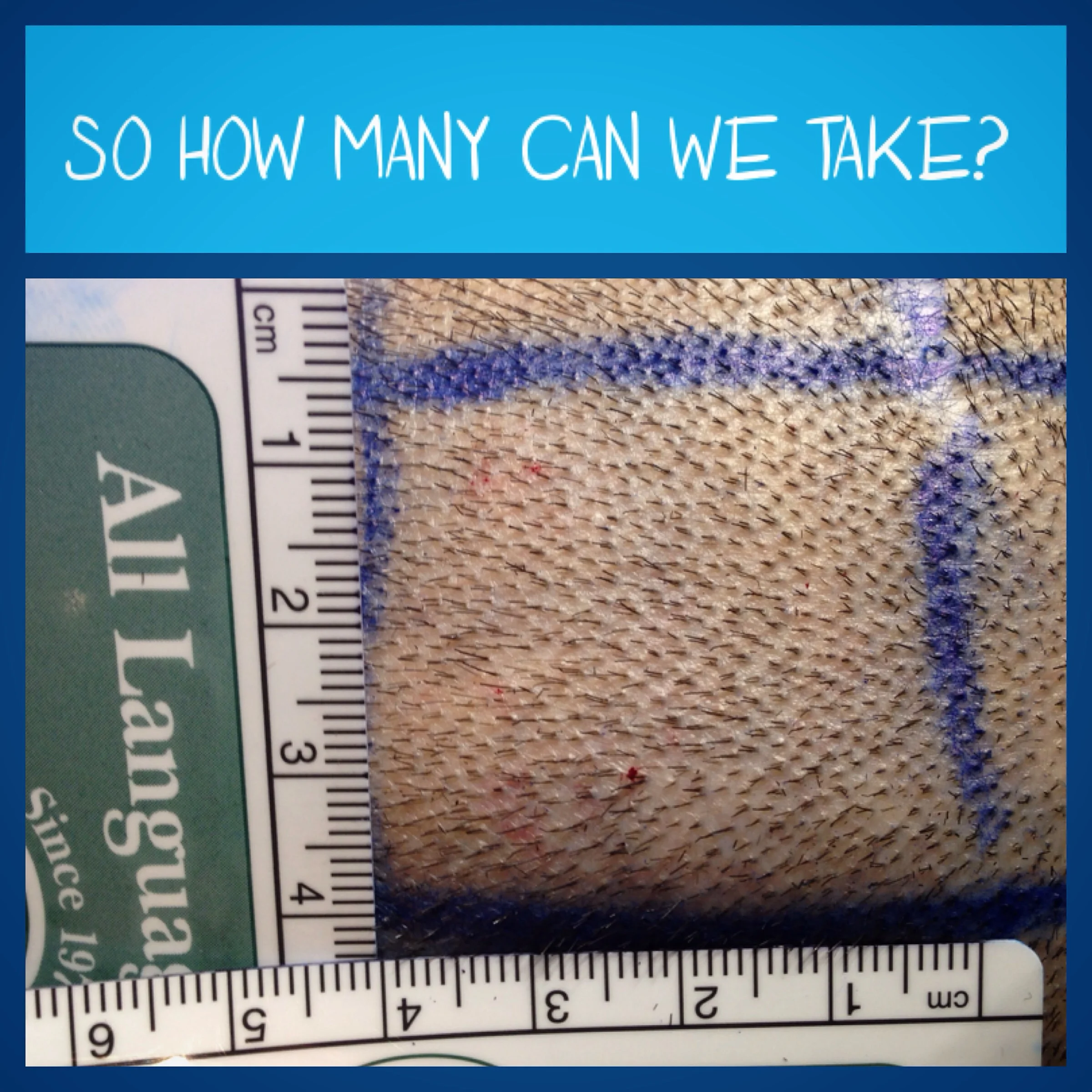
- Macro Photography and Trichoscopy: Using high-magnification digital imaging, Dr. Donovan examines the scalp for signs of inflammation, peripilar casting, and follicle miniaturization.
- Scalp Biopsy: In cases of uncertainty, a small tissue sample is taken and analyzed by a dermatopathologist. This is the gold standard for ruling out autoimmune hair loss.
- Blood Work Analysis: Checking for iron deficiencies, thyroid irregularities, and hormonal imbalances that may be exacerbating androgenetic alopecia.
Once a diagnosis is confirmed, the "reality" for the patient is a detailed report. If the diagnosis is standard Male Pattern Baldness (Androgenetic Alopecia) and the scalp is healthy, Dr. Donovan may then provide a referral or guidance on what to look for in a high-quality surgeon.
Comparing Medical Specialists vs. Surgical Clinics
The following table illustrates the functional differences between the services provided by a medical specialist like Dr. Donovan and a standard hair transplant clinic as of 2026.
| Feature | Medical Hair Specialist (Donovan) | Standard Transplant Clinic |
|---|---|---|
| Primary Goal | Medical Diagnosis & Stabilization | Surgical Hair Relocation |
| Diagnostic Tools | Biopsy, Trichoscopy, Lab Work | Visual Assessment / Gaze |
| Treats Scarring Alopecia? | Yes (Medical Management) | No (Often a Contraindication) |
| Performs FUE/FUT? | No | Yes |
| Focus | Long-term scalp health | Immediate aesthetic change |
| Prescription Capability | Full range of dermatological drugs | Varies (often limited to Fin/Min) |
| Independent Referrals | Yes (Unbiased toward surgeons) | No (Internal sales focus) |
The Reality of Hair Transplant "Failure"
A significant portion of Dr. Donovan's work involves seeing patients who are unhappy with previous transplants. The reality of these failures often falls into three categories:
- Unrealistic Expectations: The patient was never told that a transplant does not stop the progression of natural hair loss. Without medical stabilization, they continue to lose hair behind the transplanted grafts, leading to an "island" effect.
- Poor Graft Survival: This can occur due to poor surgical technique, but it is frequently caused by an undiagnosed inflammatory condition that prevented the grafts from taking root.
- Donor Depletion: Over-harvesting in the donor area leads to a "moth-eaten" appearance in the back of the head. Dr. Donovan evaluates these patients to see if medical treatments can thicken the remaining hair to camouflage surgical mistakes.
Navigating the 2026 Hair Restoration Landscape
As of 2026, the hair restoration market is saturated with low-cost "technician-led" clinics, particularly in international hubs. While the price point is attractive, the Donovan reality emphasizes that the "cheapest" surgery is often the most expensive in the long run if it requires multiple repair procedures.
Dr. Donovan advocates for a "medical-first" philosophy. This means that even if a patient eventually undergoes surgery, they should be on a stabilized medical regimen for at least 6 to 12 months prior. This ensures that the surgeon is working with a stable canvas and that the patient isn't losing "non-transplanted" hair as soon as the surgery is complete.
Common Mistakes When Seeking the "Donovan Reality"
The most frequent mistake patients make is attempting to book a surgery with Dr. Donovan directly. Because he is a specialist physician, his clinic operates on a consultation basis. In 2026, waitlists for top-tier dermatologists specializing in hair remain significant.
Another mistake is viewing a medical consultation as an unnecessary expense. In reality, a $500–$1,000 consultation that tells you that you are a poor candidate for surgery is a massive victory, as it prevents a $15,000 surgical error. The Donovan reality is often one of "calculated restraint"—knowing when not to operate is just as important as knowing how to operate.
Frequently Asked Questions
Does Dr. Jeff Donovan perform FUE or FUT hair transplants?
No. Dr. Donovan is a medical dermatologist and trichologist. He specializes in the diagnosis and medical treatment of hair loss. He does not perform surgical hair restoration but helps prepare patients for surgery and diagnoses those who should avoid it.
Why would I see Dr. Donovan if I just want a hair transplant?
Many types of hair loss are caused by autoimmune or inflammatory conditions. If you have surgery while these conditions are active, the transplant will fail. Dr. Donovan provides the medical clearance and diagnosis necessary to ensure your scalp is healthy enough for a successful procedure.
Can Dr. Donovan help if my hair transplant has already failed?
Yes. A significant part of his practice involves "repair" consultations. He can help determine why a transplant failed—whether it was due to poor surgical technique or an undiagnosed underlying medical condition—and create a plan to stabilize the scalp and improve the appearance of the hair.
What are the "medical treatments" Dr. Donovan uses instead of surgery?
Depending on the diagnosis, treatments may include topical and oral minoxidil, 5-alpha reductase inhibitors (like finasteride or dutasteride), anti-androgens, corticosteroid injections for inflammatory conditions, and in some 2026 protocols, specialized JAK inhibitors or platelet-rich plasma (PRP) therapies.
How do I get a referral to a surgeon from Dr. Donovan?
During a consultation, if Dr. Donovan determines that you are a good candidate for surgery, he can discuss the qualities you should look for in a surgeon and may provide recommendations based on your specific hair type, degree of loss, and geographic location.
Final Recommendation for Prospective Patients
The "Donovan hair transplant reality" is that the best results are achieved through a synergy of medicine and surgery. If you are considering a hair transplant in 2026, the most prudent next step is to secure a medical diagnosis from a board-certified dermatologist specializing in hair loss. Verify that your hair loss is not caused by an active inflammatory condition, stabilize your hair loss through a customized medical plan for at least six months, and only then proceed to a surgical consultation with a reputable, physician-led clinic. Taking this diagnostic-first approach is the only way to ensure that your hair restoration investment yields a lifetime of natural-looking results.
Image Gallery