Which Granite Countertop Style Wins for Your Kitchen
Selecting the ideal granite countertop involves balancing aesthetic preference with the practical realities of your kitchen's daily usage. The "winning" style depends on your specific commitment to maintenance, your kitchen’s light exp...
Selecting the ideal granite countertop involves balancing aesthetic preference with the practical realities of your kitchen's daily usage. The "winning" style depends on your specific commitment to maintenance, your kitchen’s light exposure, and your overall interior design scheme, as granite varies significantly in porosity, pattern density, and mineral composition.
Contents
Understanding Granite as a Natural Material
Granite is a coarse-grained igneous rock formed from the slow crystallization of magma beneath the Earth's surface. Because it is a natural product, every slab is geologically unique. Unlike synthetic quartz, which is engineered for consistency, granite displays variations in veining, color, and spotting that cannot be replicated.
When evaluating styles, you are not choosing a manufactured brand but rather a specific quarry’s output. The "style" of granite is usually categorized by its visual pattern:
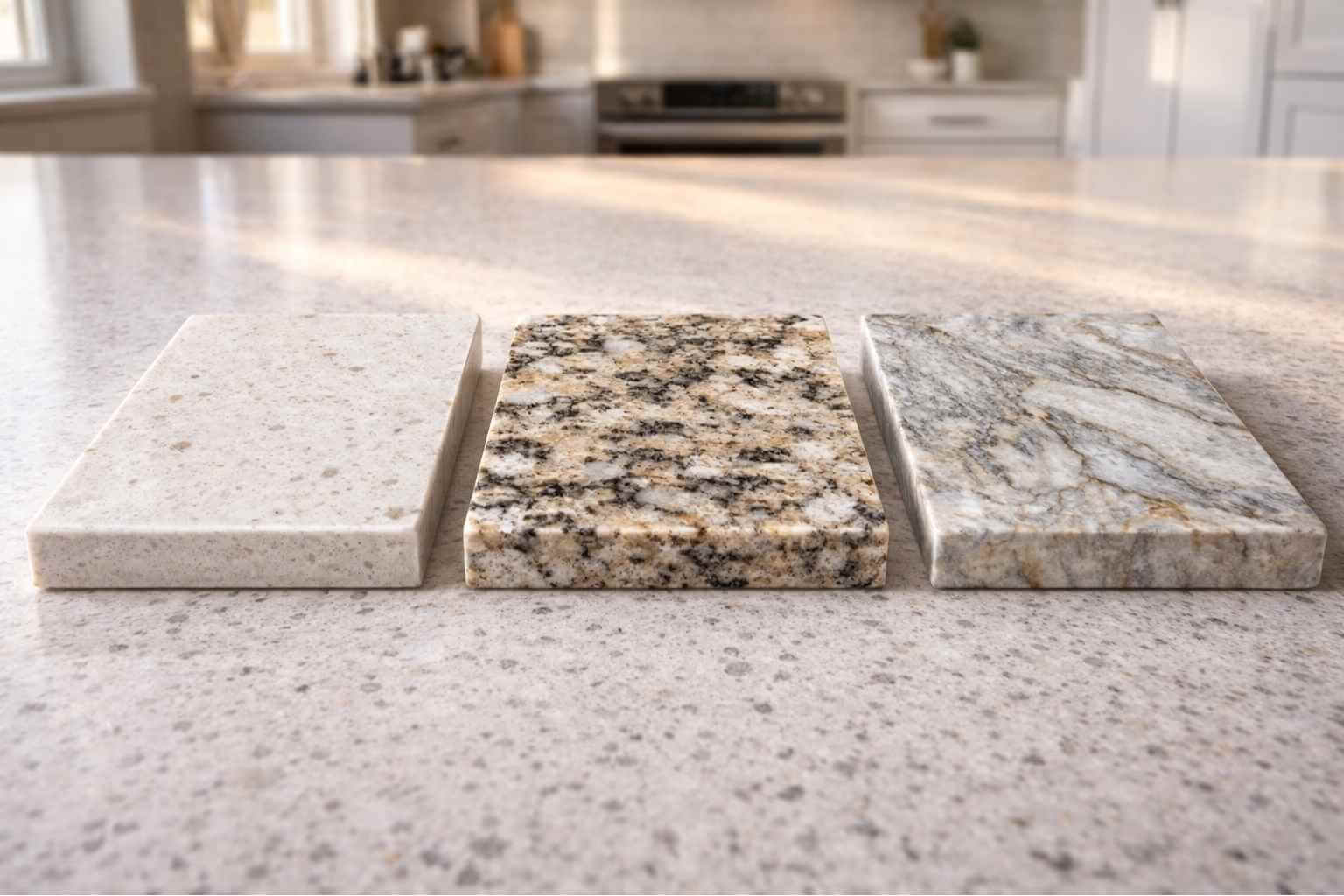
- Solid/Uniform: Minimal movement, consistent color palette.
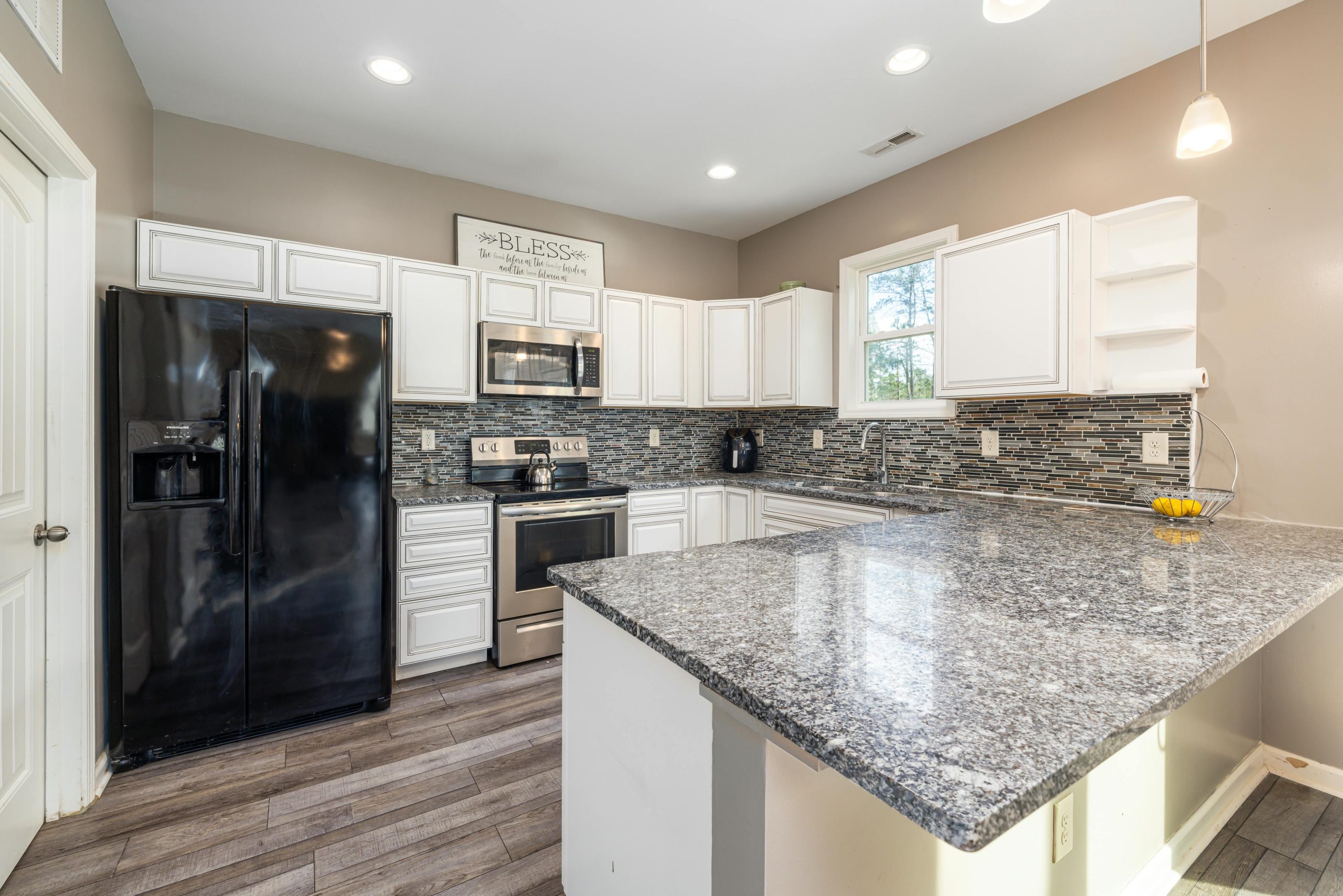
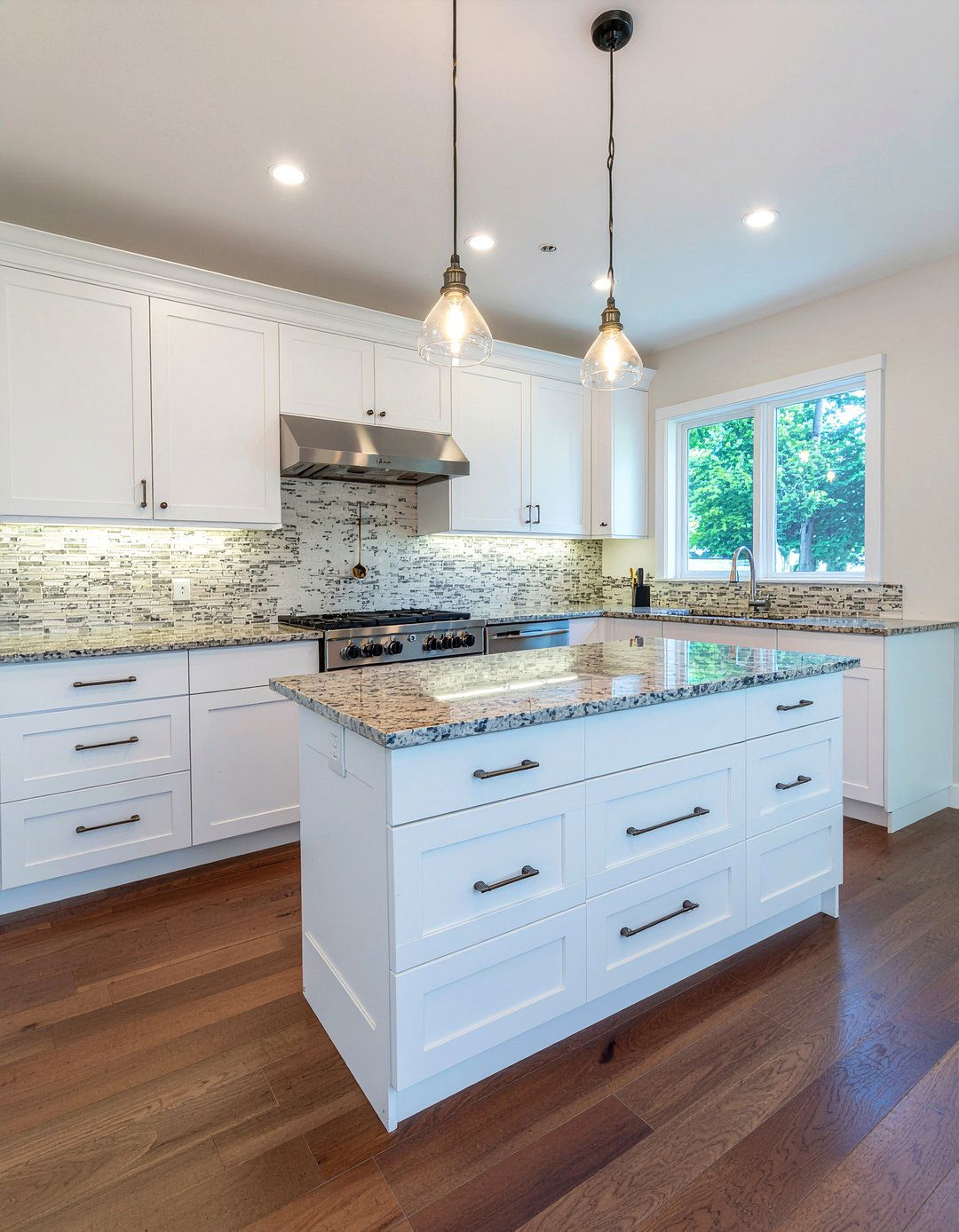
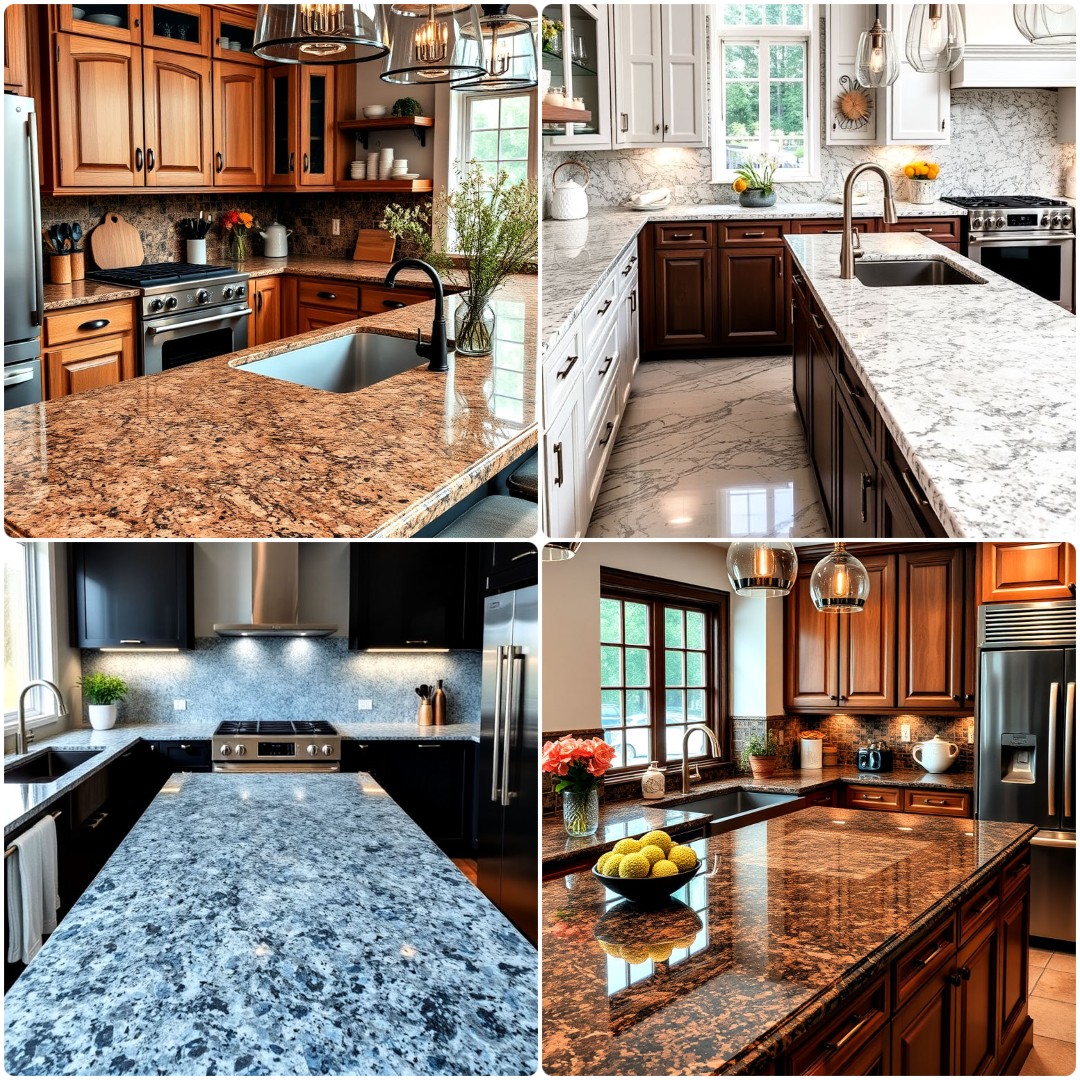
- Speckled: Small mineral deposits distributed evenly across the slab.
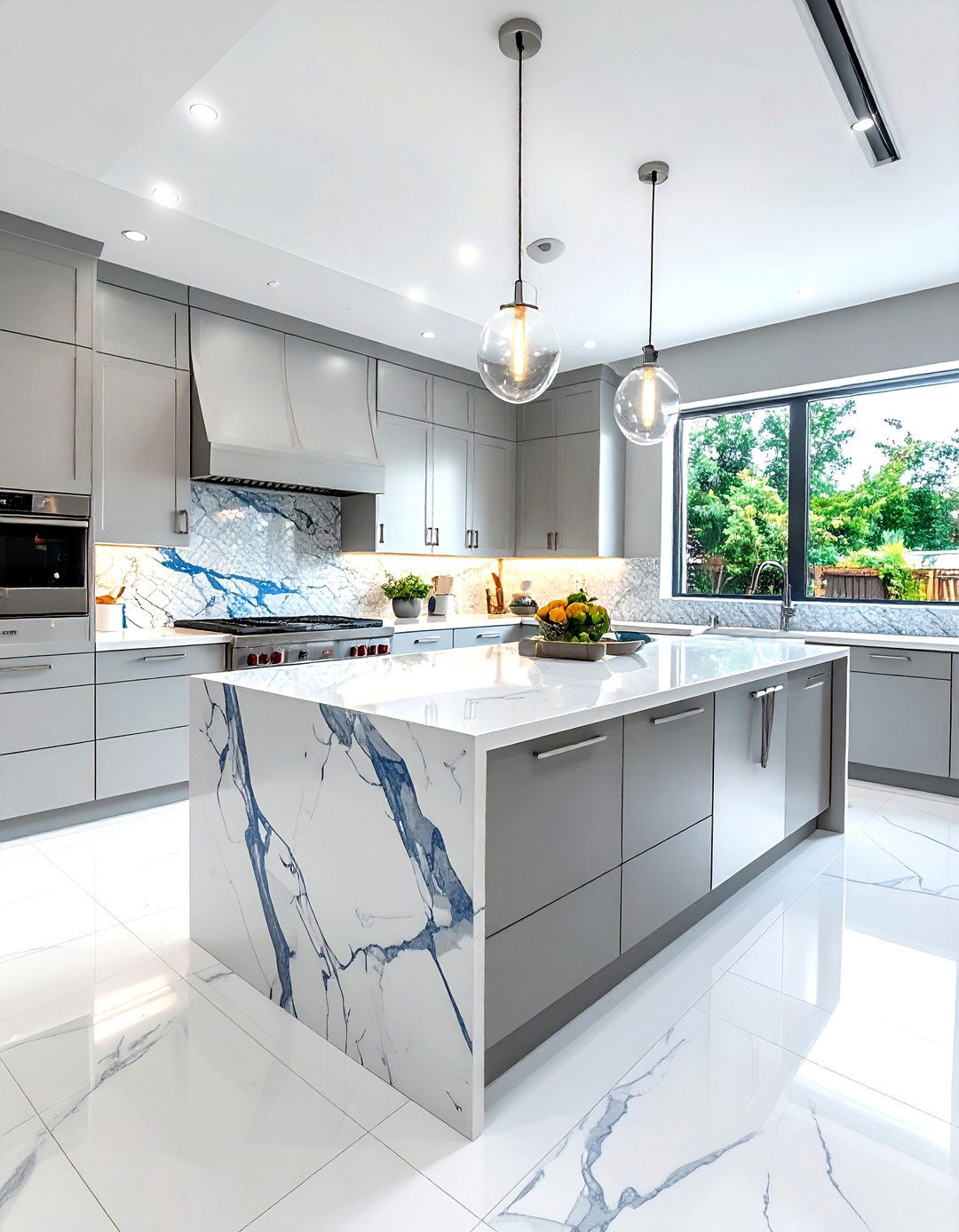
- Marbled/Veined: Large swirls or dramatic streaks, often mimicking the appearance of marble but with significantly higher durability.
Assessing Your Kitchen’s Functional Requirements
The "win" for your kitchen is defined by how well the stone handles your specific habits. Granite is rated on a scale of porosity, and while all granite is hard, some stones are more prone to staining if not sealed properly.
- High-Traffic Kitchens: If you are a frequent cook, prioritize "commercial-grade" or darker, denser granites. These stones generally contain higher concentrations of quartz and feldspar, making them less porous and less likely to show microscopic scratches or etching from acidic liquids like lemon juice or vinegar.
- Low-Maintenance Preference: If you prefer not to manage a regular sealing schedule, steer toward darker granites (such as Absolute Black or Uba Tuba). These are naturally denser and require less frequent sealing than lighter, more porous varieties like Bianco Romano or Kashmir White, which may show oil spots if left unsealed.
The Role of Finishing and Edge Profiles
The "style" of a granite countertop extends beyond the stone’s color. The finish applied to the surface dictates how the stone interacts with light and how it feels to the touch.
- Polished: The industry standard. This finish creates a mirror-like sheen that brings out the deep colors and natural character of the stone. It is the easiest to clean and provides the best seal against liquids.
- Honed: A matte, satin finish that has become increasingly popular in 2026. While it offers a sophisticated, understated aesthetic, a honed surface is more porous than a polished one and requires more diligent sealing to prevent staining.
- Leathered/Brushed: This finish retains the natural, textured feel of the stone. It is excellent at hiding fingerprints and water spots, making it a functional winner for busy households, though the texture can occasionally trap crumbs.
Your edge profile also impacts both aesthetics and maintenance. A beveled edge is classic and easy to wipe down, whereas a bullnose edge provides a rounded, soft profile that is chip-resistant. Avoid complex, ornate edges if you want to keep cleaning time to a minimum, as deep crevices can trap grease over time.
Comparison of Granite Styles
| Style Category | Maintenance Level | Best For | Visual Impact |
|---|---|---|---|
| Dark Uniform | Low | High-traffic cooking | Minimalist / Modern |
| Light Veined | Moderate | Open, airy kitchens | Classic / Sophisticated |
| Multi-Color Speckled | Low | Hiding crumbs/debris | Traditional / Rustic |
| Honed Matte | High | Low-traffic, design-focused | Modern / Industrial |
Common Challenges and Verification
Before finalizing your purchase, you must verify the structural integrity of your chosen slab. Because granite is natural, it can contain fissures—natural hairline cracks that are part of the stone’s formation. These are not defects, but they should be inspected to ensure they are stable and do not pose a risk of spreading.
The "Test" Procedure: When you visit the stone yard, bring a sample of the granite home if possible. Perform a simple test: leave a small amount of water or cooking oil on the surface for several hours. If the stone darkens significantly after wiping it away, the slab is highly porous and will require professional-grade sealing and potentially more frequent maintenance cycles throughout the year.
FAQ: Choosing the Right Granite
Does granite require professional sealing in 2026? While many modern sealers are user-friendly, professional sealing ensures an even, comprehensive barrier. Most granite should be resealed every 12 to 24 months, depending on use.
Is granite more expensive than quartz? Pricing is highly variable based on rarity and origin. Generally, common granite colors are more affordable than mid-to-high-tier quartz, but "exotic" granite slabs can command significantly higher prices.
Can I put hot pots directly on granite? Yes, granite is heat-resistant. It is one of the few countertop materials that can handle hot pans without scorching, though it is still recommended to use a trivet to protect the integrity of the sealant over time.
Do granite seams show? Yes, seams are inevitable in almost every kitchen layout. However, a skilled fabricator will color-match the epoxy to make the seam nearly invisible. Discuss seam placement with your installer before the slab is cut.
How do I clean granite daily? Use a pH-neutral stone cleaner. Avoid bleach, vinegar, or abrasive scrubbers, as these can strip the sealant and dull the polished surface over time.
Final Recommendation for Your Kitchen
If you prioritize longevity and low maintenance, the "winner" is a darker, polished granite with a speckled or uniform pattern. This style minimizes the visibility of imperfections and requires the least amount of chemical maintenance. Conversely, if your kitchen design goal is a bright, airy aesthetic, opt for a white or light-veined granite, but ensure you have a firm plan for periodic sealing to maintain its pristine appearance. Always visit the supplier to view your specific slab; never purchase based on a small sample, as the movement and veining of the stone can vary wildly across a full kitchen layout.
Image Gallery