Inside the Architecture and Design of Roger Federer’s Residences
Roger Federer, the legendary Swiss tennis icon, has maintained a high-profile real estate portfolio that reflects his global stature and preference for privacy. His primary residence, a sophisticated, modern glass-and-stone mansion loc...
Roger Federer, the legendary Swiss tennis icon, has maintained a high-profile real estate portfolio that reflects his global stature and preference for privacy. His primary residence, a sophisticated, modern glass-and-stone mansion located in Rapperswil-Jona, Switzerland, serves as the central hub for his family. This estate is renowned for its architectural ambition, expansive lake views, and integration of cutting-edge smart home technology, providing a secure and serene environment for the former world number one.
Contents
The Architectural Vision of the Rapperswil-Jona Estate
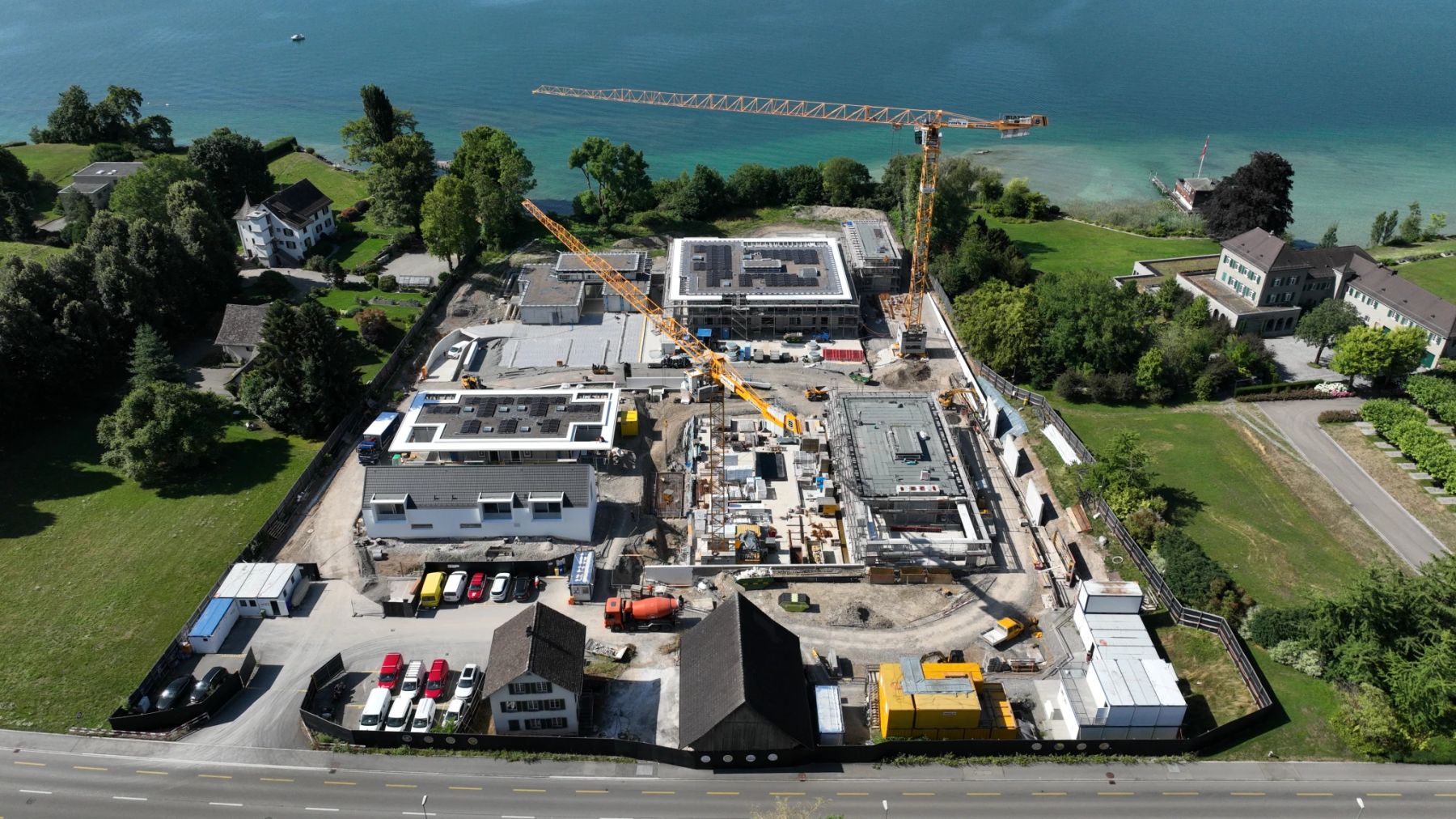
The centerpiece of Federer’s residential holdings is his estate on the shores of Lake Zurich. Completed after several years of construction and complex permitting processes, the property—often referred to as "The Residence"—is defined by its floor-to-ceiling glass walls, which prioritize natural light and unobstructed views of the surrounding Swiss landscape.
Architecturally, the home leans heavily into modern minimalism. By utilizing a neutral color palette and high-end materials such as concrete, glass, and local timber, the residence achieves a balance between luxury and understated elegance. The design is not merely aesthetic; it is highly functional, featuring massive sliding glass panels that dissolve the boundary between the interior living spaces and the exterior terrace areas. This design choice is common in high-end contemporary Swiss architecture, where the goal is to bring the serene nature of the lakefront into the home.
Beyond the main structure, the estate encompasses several smaller, interconnected pavilions. These sections were designed to accommodate the complex requirements of a professional athlete's household, including a dedicated wellness wing, a swimming pool, and significant privacy features to shield the family from public view.
Security and Privacy Requirements
For a global celebrity of Federer's status, the primary requirement for any residence is absolute privacy. The Rapperswil-Jona property utilizes several layers of security, both digital and physical. The site’s elevation and the strategic placement of trees and landscaping serve as natural barriers, preventing prying eyes from accessing the interior courtyard.
Technological integration at the estate includes:
- Biometric Access Controls: Sophisticated systems that manage entry to sensitive areas of the property.
- Perimeter Surveillance: A silent, comprehensive monitoring network that covers the entirety of the lakefront and street-side perimeters.
- Smart Climate and Systems Management: Advanced building management systems (BMS) that control the internal environment, lighting, and security, often accessible remotely by the homeowner.
Understanding the Swiss Real Estate Market for High-Net-Worth Individuals
For individuals looking to understand the mechanics of property ownership in Switzerland—such as those interested in how estates like Federer’s are acquired and maintained—it is essential to recognize the stringent regulations involved. Switzerland has specific laws, such as the Lex Koller, which restricts the acquisition of real estate by non-residents. However, as a Swiss national, Federer operates within the standard framework of domestic property rights, though local zoning laws in municipalities like Rapperswil-Jona are notoriously rigorous regarding construction impact on historical or environmental sites.
The following table summarizes the key considerations for luxury property ownership in the region where the Federer estate is situated:
| Feature | Consideration | Significance for Homeowners |
|---|---|---|
| Zoning Laws | High restrictions on height/style | Ensures aesthetic harmony with surroundings. |
| Energy Standards | Minergie certification common | Mandates high energy efficiency for heating/cooling. |
| Privacy Regulations | Strict local ordinances | Protects against unauthorized photography/drones. |
| Location Value | Lake Zurich proximity | Significant impact on long-term property appreciation. |
Technical Considerations in Luxury Residential Development
Constructing a residence of the magnitude of Federer’s estate involves more than just architectural design; it requires a deep understanding of civil engineering and environmental compliance. In the canton of St. Gallen, where Rapperswil-Jona is located, developers must adhere to strict environmental impact reports. This includes managing water runoff near the lake and ensuring that construction does not disturb local wildlife habitats.
The technical depth of such a project extends to:
- Geotechnical Engineering: Given the proximity to the lake, the foundation of the house must be reinforced to prevent soil liquefaction and ensure stability.
- Thermal Regulation: Swiss winters require high-performance insulation. The use of triple-glazed, structural glass is standard, not just for the view, but to maintain the Minergie standards of energy efficiency.
- Smart Home Interoperability: Integrating systems from different manufacturers into one central interface requires a dedicated server room, which is a standard feature in luxury estates of this scale.
The Role of Real Estate as a Long-Term Asset
While media attention often focuses on the aesthetics and size of the Roger Federer house, from a wealth management perspective, such properties are significant assets that require active oversight. Unlike liquid investments, a property of this scale is illiquid and requires constant capital expenditure to maintain its value, technological relevance, and physical integrity.
The upkeep of such a property involves:
- Landscape Management: Regular care of mature gardens and specialized vegetation that provides privacy.
- Structural Maintenance: Periodic updates to the building envelope and glass seals to prevent degradation from changing weather conditions.
- Asset Protection: Utilizing structures such as private foundations or holding companies to manage the liability associated with high-value real estate.
Common Questions Regarding Federer’s Residences
Where is Roger Federer’s primary home located? Roger Federer’s main residence is situated in Rapperswil-Jona, a municipality on the shores of Lake Zurich in the canton of St. Gallen, Switzerland. It is widely recognized for its modern architectural design.
Is the residence open to the public? No, the property is a strictly private residence. It is not open for public tours, and security measures are in place to ensure the privacy of the Federer family.
Does Federer own other properties? Federer has held interests in other properties over the years, including vacation homes in locations like the Swiss Alps (Lenzerheide) and potentially other international investments, though he has kept these largely out of the public eye to maintain personal security.
What is the "Minergie" standard mentioned in relation to Swiss homes? Minergie is a Swiss building standard for new and refurbished buildings. It focuses on high energy efficiency and a high quality of life through better thermal insulation and constant fresh air ventilation.
Why are Swiss building permits so difficult to obtain? Switzerland employs a federalist system where local municipalities (Gemeinden) have significant power over zoning and aesthetics. Any project that significantly alters the landscape or historical character of a town faces intense scrutiny from local planning boards and neighbors.
Recommendation for Property Planning
For those aspiring to develop or acquire high-value estates, the primary lesson from the development of the Federer residence is the importance of pre-planning. Engaging with local zoning authorities long before the architectural phase begins is critical. Furthermore, prioritize sustainable energy systems; in high-cost-of-living regions like Switzerland, a home that meets or exceeds current energy standards is not only environmentally responsible but also highly valuable for future marketability.
Image Gallery