10 Creative Futon Bedroom Ideas for Modern Living
Transforming a bedroom with a futon is a versatile strategy that maximizes limited square footage while maintaining a polished, intentional aesthetic. By selecting the right frame material, mattress density, and complementary storage s...
Transforming a bedroom with a futon is a versatile strategy that maximizes limited square footage while maintaining a polished, intentional aesthetic. By selecting the right frame material, mattress density, and complementary storage solutions, you can create a multifunctional space that serves as a comfortable sleeping area by night and a refined lounge or office by day without sacrificing style or ergonomics.
Contents
1. The Minimalist Zen Sanctuary
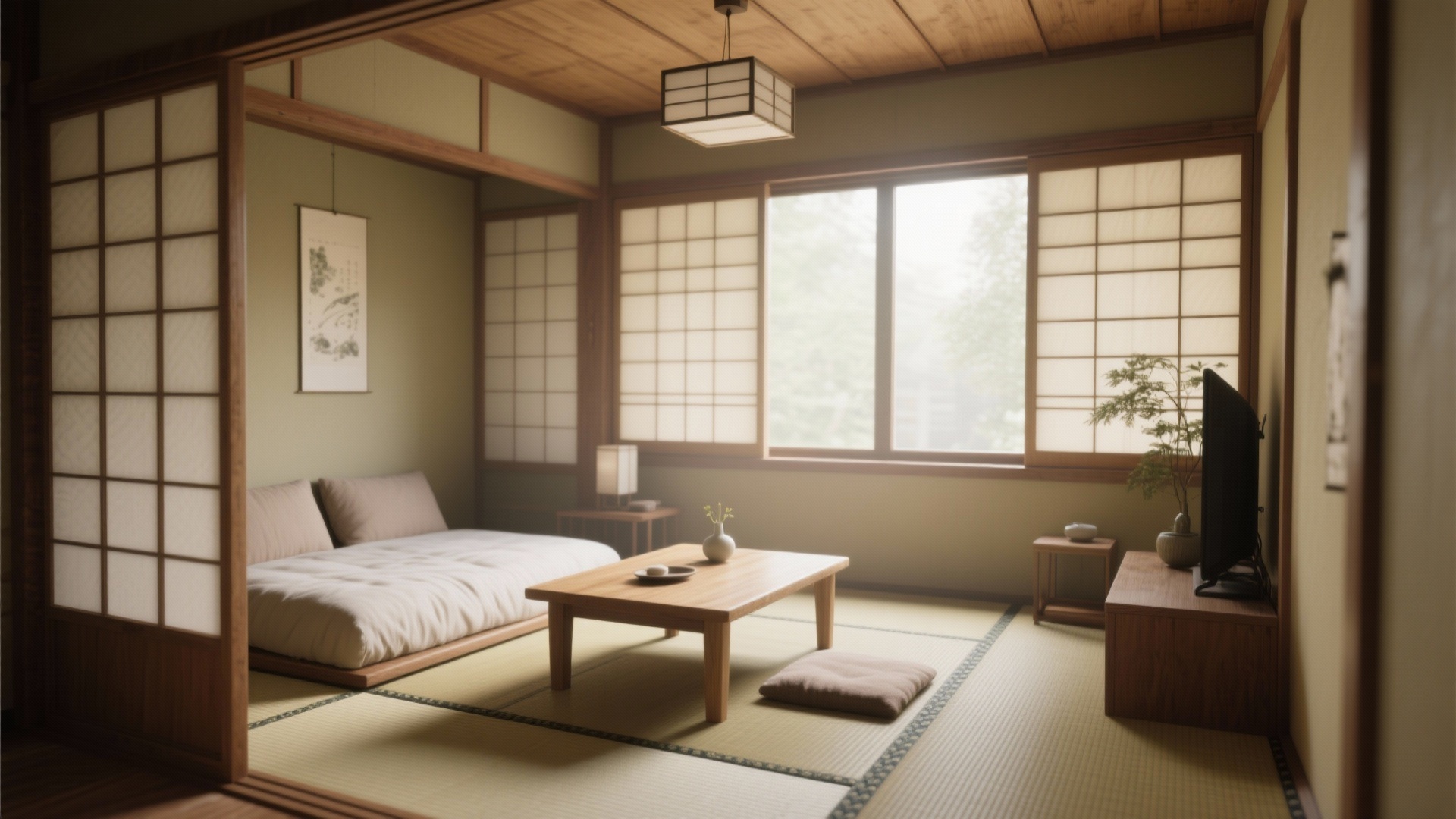
The minimalist approach relies on low-profile furniture to create a sense of openness. For this bedroom idea, pair a natural wood platform futon frame with a low-density, high-quality mattress in a neutral linen cover. Keep the color palette strictly monochromatic—think creams, soft greys, or muted earth tones. By minimizing clutter and utilizing wall-mounted sconces rather than floor lamps, you maintain clear sightlines that make even a small room feel significantly larger.
2. The Integrated Home Office Conversion
For those who need a home office during the day, a futon is superior to a traditional bed because it frees up the center of the room. Choose a futon with a professional, sofa-like appearance rather than a camping-style frame. Position the futon against a feature wall and add a slim console table or floating desk behind it. When the futon is folded, the room functions as a productive workspace; when folded flat, it provides a dedicated guest bedroom.
3. Scandinavian Hygge Cozy Corner
Embrace the concept of "Hygge" by layering textures. Start with a solid, Scandinavian-style oak futon frame. To ensure the piece feels like a permanent bed, invest in a high-resiliency foam mattress and top it with a thick wool throw, a sheepskin rug, and an array of oversized knit pillows. This setup works exceptionally well in attic bedrooms or rooms with sloped ceilings, where low-profile furniture is a functional necessity to navigate limited vertical clearance.
4. The Industrial Studio Aesthetic
In an urban apartment with exposed brick or metal structural elements, choose a futon with a black powder-coated steel frame. This industrial look pairs beautifully with leather or faux-leather upholstery. To soften the harsh lines of the metal, incorporate warm lighting, oversized indoor plants like a Fiddle Leaf Fig, and rugged textiles. The steel frame is highly durable and often features a faster transition mechanism, ideal for high-traffic studios.
5. Mid-Century Modern Sophistication
A futon with tapered wooden legs and tufted upholstery can mimic the design language of iconic 1950s furniture. Look for frames featuring rich walnut finishes and bold, jewel-toned fabric covers such as navy, emerald, or burnt orange. This setup elevates the futon from a budget-friendly compromise to a deliberate interior design statement. Pair it with a statement area rug to ground the space and visually separate the "sleeping" zone from the rest of the room.
6. The Elevated Guest Suite
If your primary goal is hosting, treat your futon as a premium guest bed. The secret here is the mattress topper. Standard futon mattresses can sometimes feel too firm; adding a 2-to-3-inch memory foam topper turns the futon into a plush, hotel-quality sleeping surface. Store the topper and extra linens in a nearby ottoman or under-bed storage bin to ensure they are accessible but out of sight when the futon is in its upright position.
7. Creative Vertical Storage Integration
Maximize small bedroom dimensions by installing floor-to-ceiling shelving on either side of the futon. By framing the futon with cabinetry, you create an "alcove" effect that adds architectural interest. This is particularly effective in studio layouts where you want the sleeping area to feel private. The shelves can house books, decor, or pull-out bins for clothing, effectively replacing the need for a bulky dresser.
8. The Boho-Chic Relaxation Zone
Layering is key for a bohemian bedroom. Use a futon frame with a more relaxed profile and cover it with a colorful, patterned kantha quilt or kilim-style throw. Surround the space with rattan accents, macramé wall hangings, and varied light sources—including floor-level lanterns or string lights—to create a warm, inviting environment that doubles as a reading nook.
9. Smart Zoning with Room Dividers
In an open-plan living situation, use the back of a futon to delineate space. A well-designed, finished-back futon can act as a natural room divider. Place an open-backed bookshelf behind the futon to create a physical barrier between the sleeping area and the living or workspace. This provides both privacy for sleep and functional storage that is accessible from both sides of the room.
10. The Monochromatic Architectural Statement
Focus on architectural unity by choosing a futon that matches the color of the wall it sits against. If your walls are matte white, choose a white or light-grey futon. This "blending" technique tricks the eye into seeing the furniture as part of the room’s architecture rather than an object taking up space. It is a sophisticated way to manage a tight room layout without making it feel crowded.
Comparison of Futon Frame Types
| Feature | Wood Platform Frame | Metal Click-Clack Frame | Bifold Metal Frame |
|---|---|---|---|
| Durability | High | Medium | High |
| Space Efficiency | Low | High | Medium |
| Aesthetic | Warm, Traditional | Industrial, Modern | Functional, Basic |
| Ease of Use | Moderate | High | Moderate |
Frequently Asked Questions
Are futons comfortable for daily use? Yes, provided you prioritize the quality of the mattress over the frame. Modern futon mattresses often feature inner-springs or high-density memory foam that rival traditional mattresses. The key is to select a mattress with a minimum thickness of 8 inches for adequate support.
How do I make a futon look like a regular bed? Use a fitted sheet designed for the specific dimensions of your futon mattress. To hide the frame, use a tailored bed skirt or a long throw blanket that drapes over the sides. Adding a headboard—either wall-mounted or attached to the frame—significantly increases the "regular bed" appearance.
Can I use a regular mattress on a futon frame? Generally, no. Most futon frames are engineered to fold at specific points; a standard innerspring mattress is too rigid and will likely be damaged or prevent the frame from locking into the upright position. Always check manufacturer specifications for "bi-fold" or "tri-fold" compatibility.
How often should I rotate a futon mattress? To prevent sagging, you should rotate your futon mattress every three months. If your mattress is double-sided, flip it over during these intervals to ensure even wear across all surfaces.
What is the best way to clean a futon cover? Most modern futons come with removable, machine-washable covers. Always check the care label; if the cover is not removable, use an upholstery cleaner or a mild soap-and-water solution with a soft brush to spot clean. Avoid saturating the foam core, as it may retain moisture and harbor mildew.
Practical Next Steps
To begin your bedroom transformation, first measure your available floor space both when the futon is closed and when it is extended to its full sleeping length. Factor in at least 24 inches of clearance around the foot of the bed for movement. Once you have your dimensions, prioritize a frame that matches your lifestyle—metal for frequent transitions, wood for stationary aesthetics—and allocate a larger portion of your budget toward a high-density, multi-layer mattress for long-term comfort.
Image Gallery