Understanding the Cost of Texas Foundation Repair in 2026
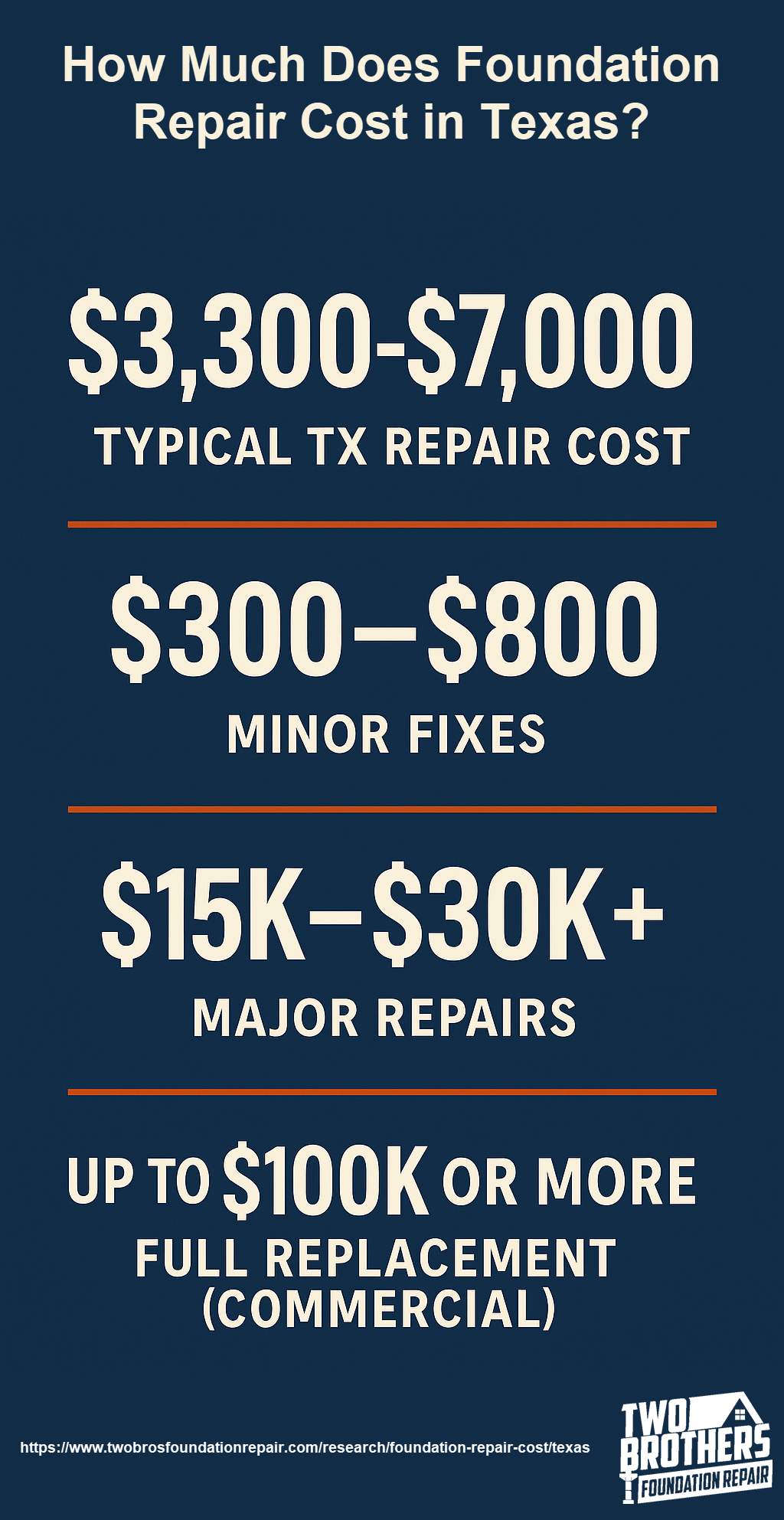
Foundation repair costs in Texas for 2026 typically range from $3,500 to $15,000, with most homeowners spending an average of $6,800. Total expenses depend on the number of supports (piers) required, the chosen repair method, and neces...
Foundation repair costs in Texas for 2026 typically range from $3,500 to $15,000, with most homeowners spending an average of $6,800. Total expenses depend on the number of supports (piers) required, the chosen repair method, and necessary secondary services like hydrostatic plumbing tests or root barrier installations.
Contents
Texas presents a unique challenge for residential and commercial structures due to its diverse and often volatile geology. From the heavy "Blackland Prairie" clays of North and Central Texas to the alluvial silts of the Gulf Coast, the soil is rarely static. Understanding the financial requirements of foundation repair requires a deep dive into the technical methods used to stabilize these shifting soils and the specific regional factors that drive labor and material pricing.
The Impact of Texas Geology on Foundation Stability
To understand the cost, one must first understand the "Active Zone" of Texas soil. A significant portion of the state sits atop expansive clay, which acts like a sponge. During the frequent droughts seen in recent years, this clay shrinks and pulls away from the foundation. Conversely, during heavy rain cycles, the soil expands with immense upward force, known as "heave."
The depth of this active zone determines how deep repair piers must be driven to reach stable soil or bedrock. In regions like Dallas or Austin, stable strata might be reached at 15 to 25 feet. In parts of Houston, you might not hit truly stable soil for 40 to 60 feet. The deeper the repair must go, the higher the cost in terms of material and man-hours. In 2026, engineering standards have become increasingly stringent, requiring more precise soil testing before a repair plan is even drafted, adding an initial professional fee ranging from $500 to $800 for an independent structural engineer’s report.
Primary Repair Methods and Their 2026 Pricing
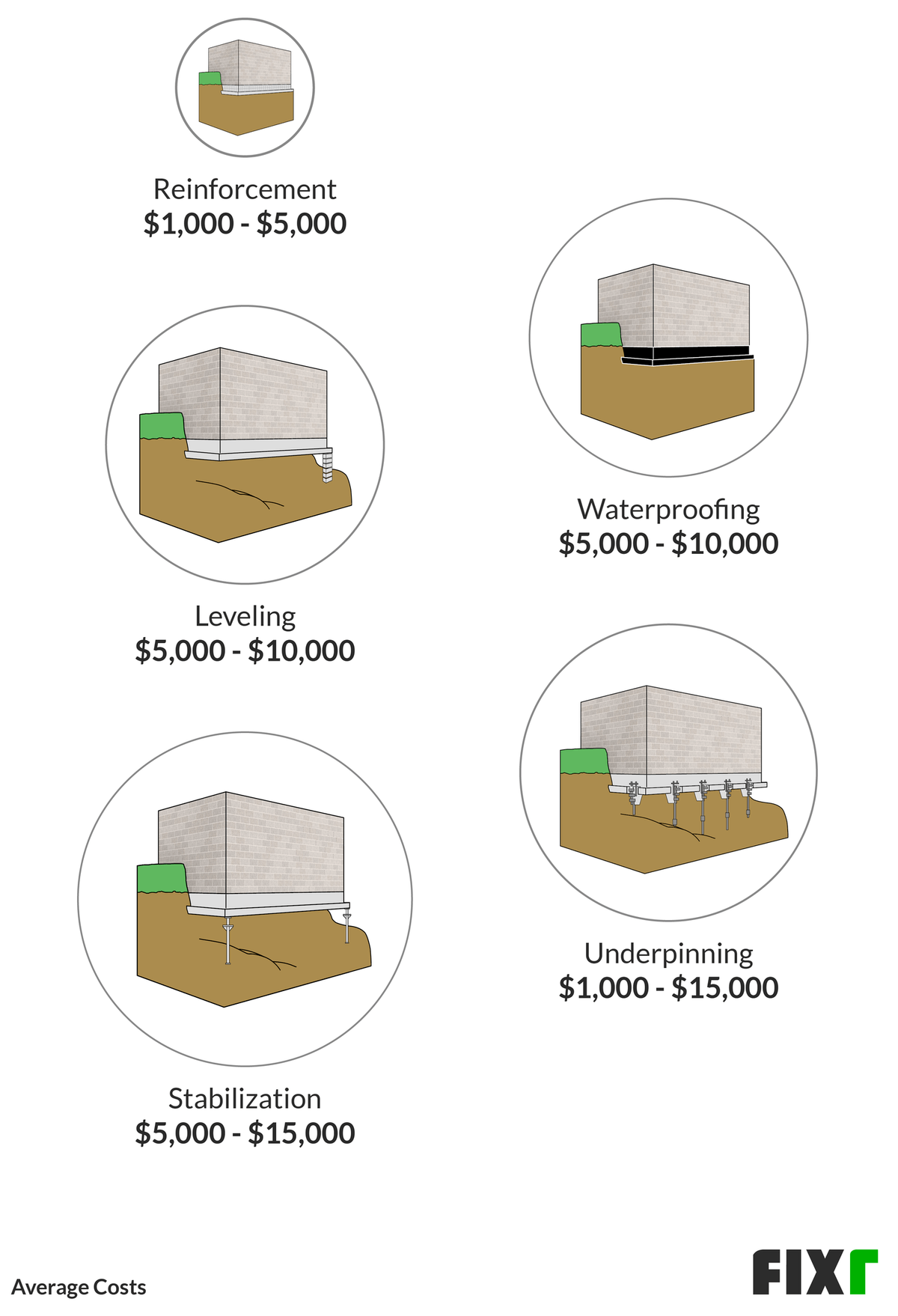
The method chosen is the most significant variable in your total invoice. Texas contractors primarily use three types of underpinning, each with a different price point and longevity profile.
Pressed Concrete Pilings
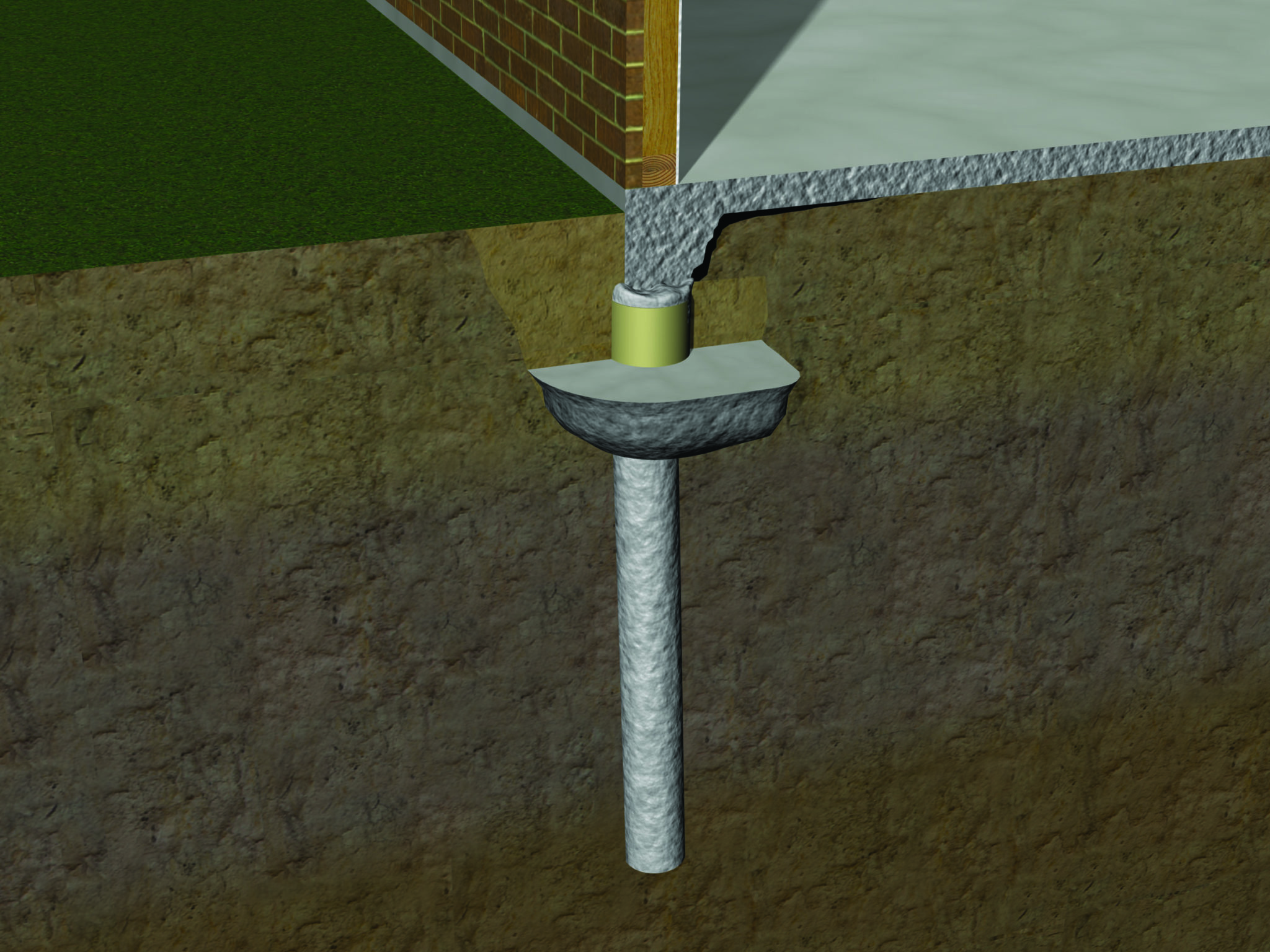
This remains the most common method in Texas due to its balance of cost and effectiveness. Pre-cast concrete cylinders are driven into the ground using the weight of the house as a hydraulic ram.
- Estimated Cost: $350 to $500 per pier.
- Why it costs this much: The material is relatively inexpensive, but the labor is intensive. These are best suited for deep clay environments where the weight of the structure is sufficient to drive the pilings to the point of refusal.
Steel Piers
Steel piers are considered the "gold standard" for Texas foundation repair. These consist of interlocking steel pipe segments driven until they hit load-bearing strata or bedrock.
- Estimated Cost: $800 to $1,200 per pier.
- Why it costs this much: Steel is subject to global commodity pricing, which has remained high through 2026. However, steel piers have a much smaller footprint, causing less friction as they are driven, which allows them to reach greater depths than concrete. They are often the only permanent solution for homes built on very deep or unstable "fill" dirt.
Helical Piers
Helical piers feature screw-like plates at the base and are literally screwed into the ground. They are particularly useful for lighter structures like porches or for areas where the soil has very low load-bearing capacity.
- Estimated Cost: $900 to $1,400 per pier.
- Why it costs this much: The installation requires specialized hydraulic machinery and high-grade galvanized steel to prevent corrosion in the moist Texas subsoil.
Comparison of Texas Foundation Repair Methods (2026 Estimates)
| Repair Method | Cost Per Pier | Typical Warranty | Best Use Case |
|---|---|---|---|
| Pressed Concrete | $350 - $500 | Lifetime (Transferable) | Standard residential slab-on-grade |
| Steel Piers | $800 - $1,200 | Lifetime | High-value homes; deep bedrock |
| Helical Piers | $900 - $1,400 | 25 - 50 Years | Low-load areas or sandy soils |
| Polyurethane Injection | $2,500 - $6,000 (Total) | 5 - 10 Years | Garage floors, driveways, minor slab lift |
Factors Influencing the Total Project Scope
A common mistake homeowners make is multiplying the "per pier" cost by the number of piers and assuming that is the final price. In reality, several auxiliary factors can inflate the budget by thousands of dollars.
The Number of Piers
Most Texas residential repairs require between 10 and 20 piers to stabilize a single corner or an entire side of a home. If the interior of the home is sagging (known as an "interior drop"), the cost increases significantly. Interior piers require workers to break through the floor inside the house, which adds labor for debris removal and floor protection.
Hydrostatic Plumbing Tests
When a house is leveled, the movement can cause rigid plumbing pipes beneath the slab to crack or separate. Most reputable Texas contractors and municipal codes now require a hydrostatic pressure test after the lift. In 2026, these tests usually cost between $400 and $600. If a leak is detected, the cost of under-slab plumbing repair can range from $2,000 to $10,000, depending on the location of the break.
Landscape and Concrete Removal
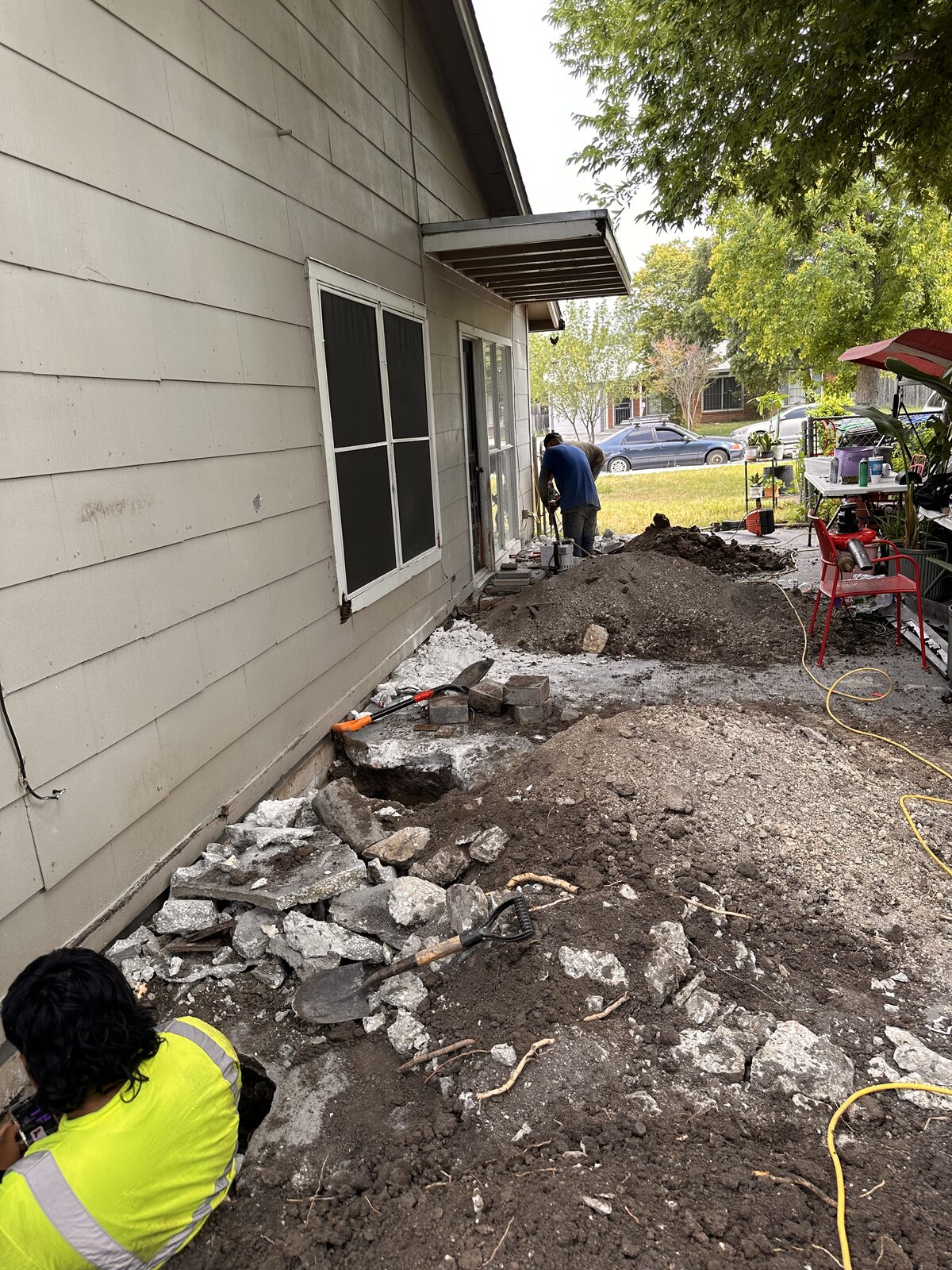
If the repair area is covered by a concrete patio, walkway, or expensive landscaping, the contractor must charge for "break-and-patch" services. Removing a section of a concrete driveway to install a pier typically adds $150 to $300 per hole for labor and fresh concrete pouring.
Regional Pricing Variations Across Texas
Costs are not uniform across the Lone Star State. Local demand, soil depth, and municipal permit fees create distinct pricing ecosystems.
- Dallas-Fort Worth (DFW): Home to the most aggressive expansive clays. Competition among contractors is high, which keeps per-pier prices competitive, but the high number of piers usually required means total project costs often hover around $7,500.
- Houston & Gulf Coast: The soil is often softer and deeper. Contractors here frequently use "bell-bottom" piers or extra-long pressed pilings. Due to the high water table, many projects also require advanced drainage solutions, which can add $2,000 to $4,000 to the bill.
- Austin & San Antonio: These areas often feature shallow bedrock. While piers don't have to go as deep, the labor is harder because workers must often jackhammer through limestone. Costs here are often 10-15% higher than the state average due to the sheer physical difficulty of the excavation.
Warranty and Long-Term Value Considerations
In 2026, the value of a foundation repair is largely tied to its warranty. Most Texas companies offer a "Lifetime Transferable Warranty." However, it is essential to read the fine print regarding "adjustment fees." Even a stabilized house can shift if the soil continues to move. Many warranties cover the labor for future adjustments but require the homeowner to pay a fee per pier (often $100 to $200) for the mobilization of equipment.
The Texas Real Estate Commission (TREC) requires foundation repairs to be disclosed during property sales. A professionally repaired foundation with a transferable warranty can actually maintain or even increase a home's value by removing the "uncertainty" factor for buyers. Conversely, an unaddressed foundation issue typically results in a price reduction far exceeding the actual cost of the repair.
Frequently Asked Questions
Does Texas homeowners insurance cover foundation repair?
Generally, no. Most standard policies in Texas exclude "settlement" or "earth movement." Coverage is usually only triggered if the foundation damage was the direct result of a "covered peril," such as a major plumbing burst that washed out the soil. Always check your specific policy for a "Foundation/Water Backup" rider, which some 2026 insurers offer as an add-on.
How long does the average repair take?
For a standard residential project requiring 12 to 15 piers, the work is usually completed in 2 to 4 days. This includes excavation, pier driving, lifting, and the initial cleanup. If interior piers or extensive plumbing repairs are needed, the timeline can extend to 7 or 10 days.
Should I get an engineer's report before the repair?
Yes. While many foundation companies offer "free estimates," they have a vested interest in selling piers. Hiring an independent structural engineer (P.E.) provides a neutral, third-party assessment of what actually needs to be done. The American Society of Civil Engineers (ASCE) Texas Section provides guidelines that many engineers follow to ensure repairs meet safety and longevity standards.
What are the signs that I need foundation repair?
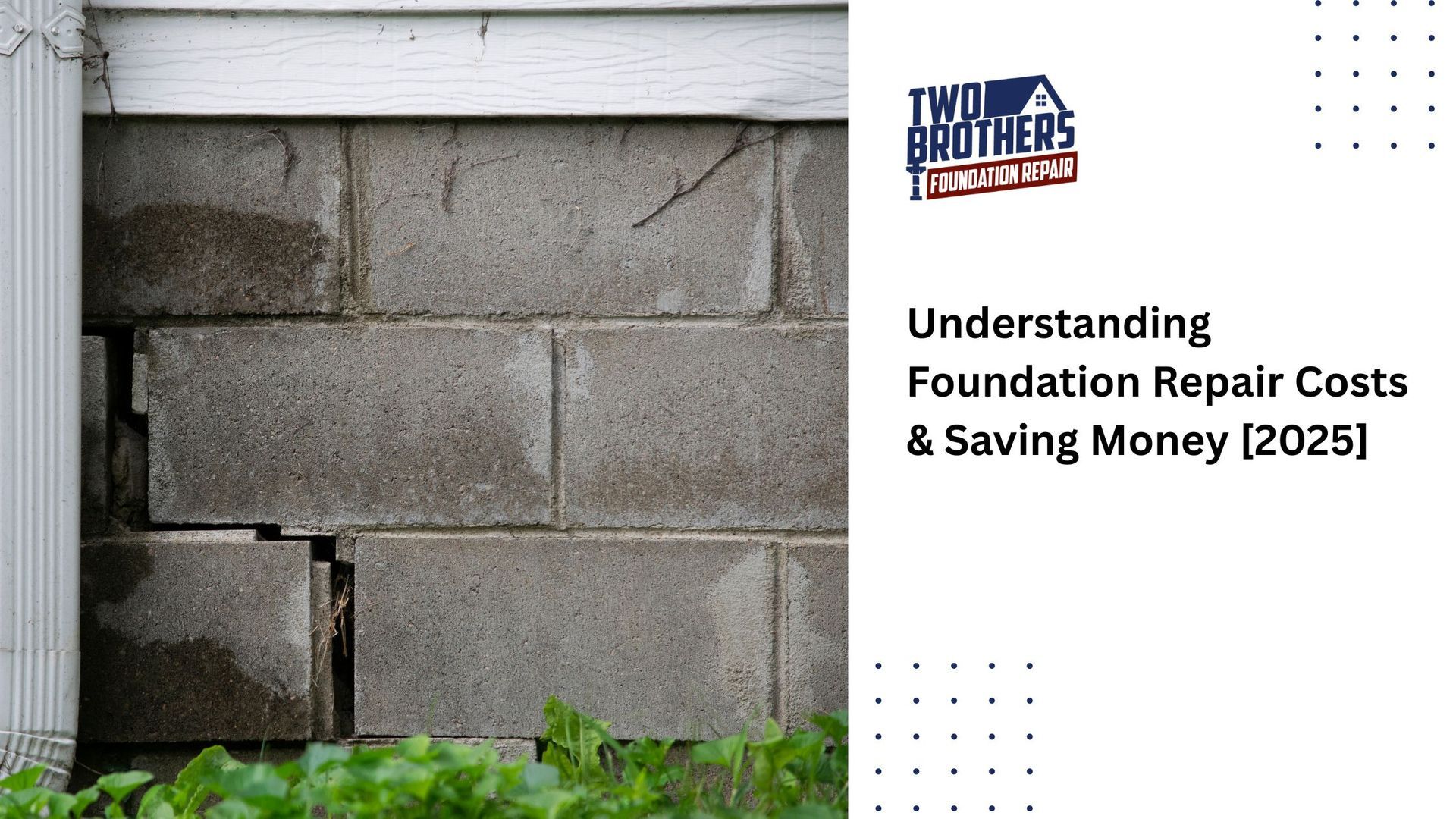
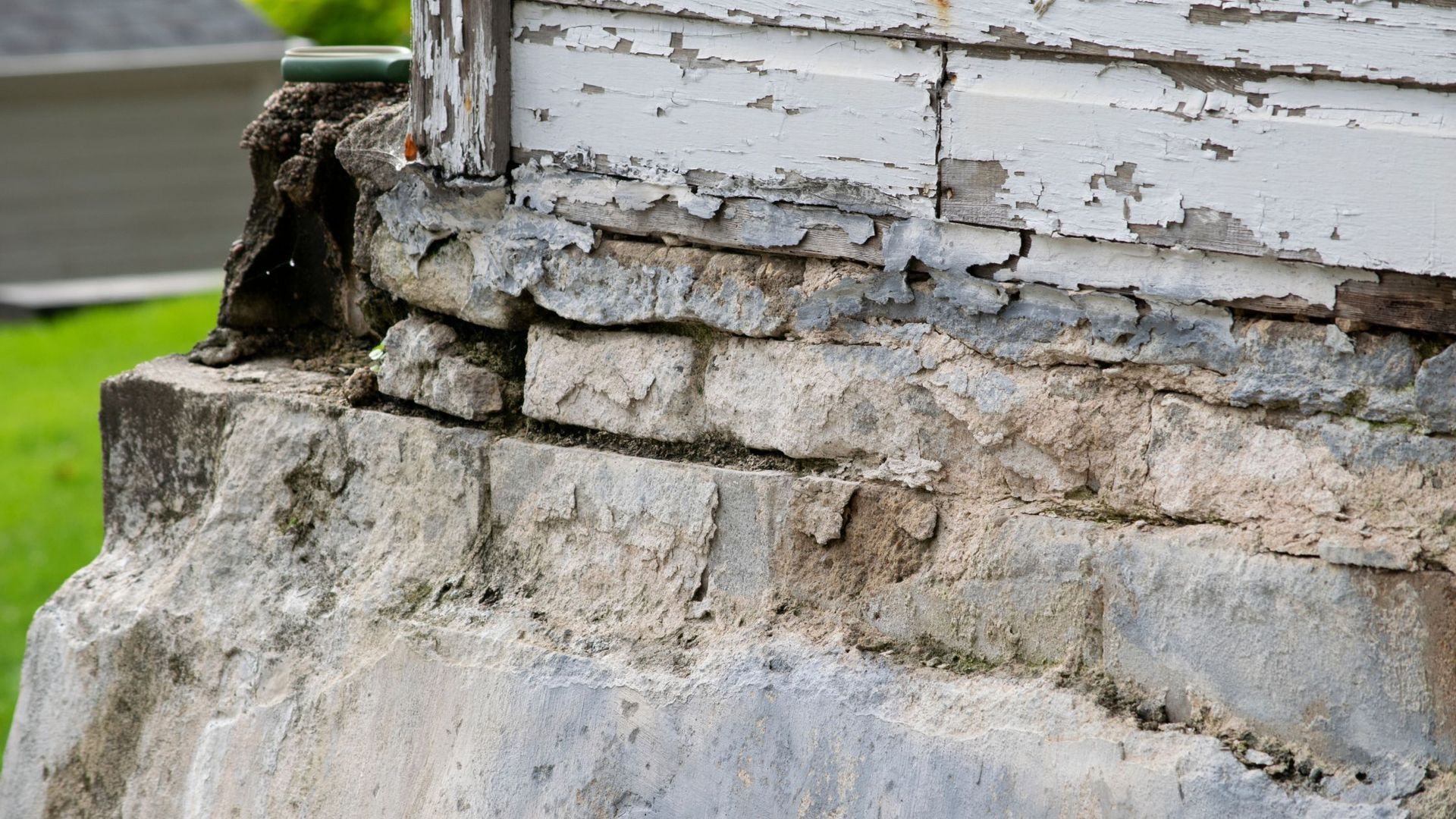
Common indicators in Texas homes include "stair-step" cracks in exterior brickwork, doors that no longer latch or are sticking, large gaps between the window frames and the wall, and uneven or sloping floors. If you notice cracks in the drywall that originate from the corners of door frames, it is time for an inspection.
Is mudjacking still a viable option in 2026?
Mudjacking (pumping a slurry of sand and cement under the slab) has largely been replaced by polyurethane foam injection for minor leveling. While mudjacking is cheaper, the slurry is heavy and can actually cause further settlement in weak Texas soils. Polyurethane is preferred because it is lightweight, waterproof, and cures in minutes.
Practical Recommendations for Texas Homeowners
If you suspect foundation movement, your first step should be to document the cracks. Use a ruler to measure the width of cracks and take photos every three months to determine if the movement is "active" or "seasonal."
Before signing a contract, ensure the company is a member of the Foundation Repair Association (FRA) and has a solid rating with the Better Business Bureau. In 2026, avoid any contractor who refuses to pull municipal permits or suggests skipping the post-repair plumbing test. The most cost-effective repair is the one that only has to be done once; cutting corners on pier depth or soil testing almost always leads to more expensive remedial work within five to ten years.
Image Gallery