Why Selecting the Right Solar Panel Installation Kit Matters for Homeowners in 2026
Choosing the right solar panel installation kit ensures that your residential energy system is safe, efficient, and compliant with current building codes. A high-quality kit guarantees component compatibility—matching panels, inverters...
Choosing the right solar panel installation kit ensures that your residential energy system is safe, efficient, and compliant with current building codes. A high-quality kit guarantees component compatibility—matching panels, inverters, and racking—which prevents electrical failures, optimizes energy harvest, and protects your home's structural integrity over a 25-year lifespan.
Contents
As we move through 2026, the transition to renewable energy has shifted from a niche luxury to a standard home improvement. However, the complexity of solar technology means that a "one size fits all" approach often leads to sub-optimal performance or, worse, safety hazards. A solar panel installation kit is not merely a collection of hardware; it is a precision-engineered system designed to convert sunlight into usable AC power while withstanding decades of environmental stress.
Understanding the Anatomy of a Modern Solar Installation Kit
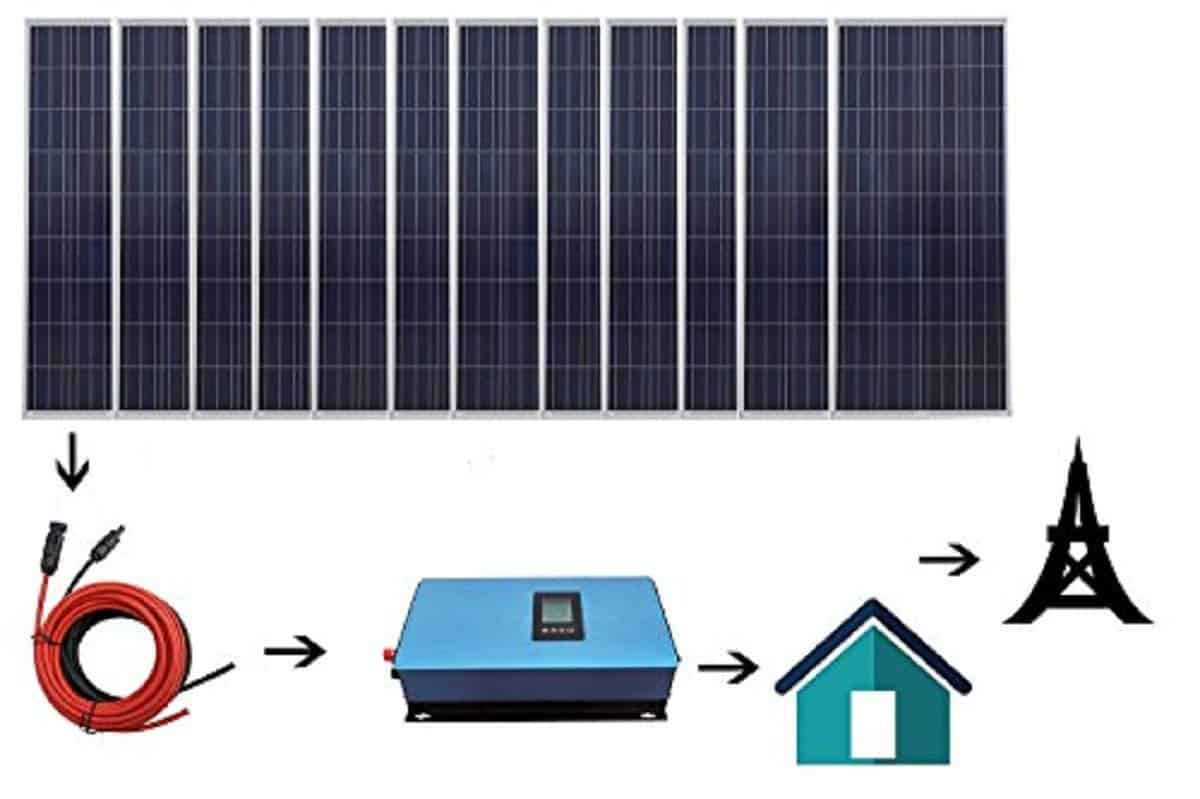
A comprehensive solar kit provides the primary components needed to generate and manage electricity. While specific contents vary based on the system type—grid-tied, off-grid, or hybrid—most residential kits in 2026 include several core categories of hardware.
Photovoltaic (PV) Modules
The panels are the most visible part of the kit. Modern kits typically feature high-efficiency N-type monocrystalline cells or bifacial panels. The right kit ensures that the panels provided have a linear power warranty and are rated for the specific climatic loads (wind and snow) of your region.
Power Inverters and Optimizers
The inverter is the brain of the system, converting Direct Current (DC) from the panels into Alternating Current (AC) for your home. Kits generally come with either a centralized string inverter (often paired with DC power optimizers) or individual microinverters. The choice of inverter in a kit dictates how the system handles shading and how easily it can be monitored via smartphone apps.
Racking and Mounting Systems
Often undervalued, the racking system secures the panels to your roof or the ground. A kit designed for your specific roof type—be it asphalt shingle, standing seam metal, or flat tile—is essential for maintaining a watertight seal. In 2026, many kits feature "railless" mounting systems that reduce the weight on the roof and improve the aesthetic profile of the installation.
Balance of System (BoS) Components
This category includes the "glue" that holds the system together: MC4 connectors, UV-rated wiring, junction boxes, conduits, and circuit breakers. High-quality kits include BoS components that meet the latest National Electrical Code (NEC) standards for rapid shutdown and arc-fault protection.
The Critical Role of Component Compatibility
One of the primary reasons homeowners should invest in a pre-engineered kit rather than sourcing parts piecemeal is electrical compatibility. Solar components operate within specific voltage and current ranges. If the panels’ output voltage does not align with the inverter’s input window, the system will either fail to start or operate at significantly reduced efficiency.
Voltage Matching and String Sizing
In string inverter systems, the number of panels connected in a series (a "string") must be calculated based on the maximum and minimum temperatures at the installation site. Cold weather increases voltage, while heat decreases it. A professionally curated kit does this math for you, ensuring that the inverter’s maximum input voltage is never exceeded on the coldest day of the year, which could otherwise lead to permanent hardware damage.
Power Ratio Optimization
The "Inverter Loading Ratio" (ILR) or DC-to-AC ratio is another technical nuance. It is common to "overclock" an inverter by providing more DC capacity than the AC rating (e.g., 8kW of panels for a 6kW inverter). The right kit balances this ratio to ensure you maximize energy production during low-light hours without excessive "clipping" (losing power) during peak midday sun.
Structural Integrity and Roof Longevity
A solar array is a heavy, wind-catching sail attached to your home. Selecting a kit with the correct racking is a matter of structural safety. Improperly matched mounting hardware can lead to two catastrophic failures: structural collapse or water ingress.
Wind and Snow Load Ratings
In many jurisdictions, building permits require proof that the racking system can withstand local wind speeds (often 120–150 mph) and snow loads. Kits from reputable manufacturers provide PE-stamped (Professional Engineer) documentation. This ensures that the spans between roof attachments are safe and that the fasteners are long enough to penetrate the center of the roof rafters.
Flashing and Waterproofing
Every point where a solar mount attaches to the roof is a potential leak. High-quality kits include integrated flashing or advanced chemical sealants. For example, modern "top-down" mounting kits often use elevated water seals that divert rain away from the penetration point. Using a generic or mismatched kit may force installers to "DIY" a solution that voids your roof warranty.
Safety Compliance and the NEC 2026 Standards
Safety is the most compelling reason to prioritize the right installation kit. Electrical fires in solar systems are rare, but when they occur, they are often traced back to improper connectors or lack of required safety features.
Rapid Shutdown Requirements
As of the current 2026 standards, almost all rooftop solar installations must have a "rapid shutdown" mechanism. This allows first responders to de-energize the solar array at the module level with the flip of a switch, reducing the risk of electrocution during firefighting. A compliant kit includes the necessary microinverters or string-level transmitters to meet these legal safety requirements.
Arc-Fault and Ground-Fault Protection
The DC electricity produced by solar panels is prone to "arcing"—a high-temperature spark that can jump between loose connections. Quality kits use factory-crimped connectors and inverters with built-in DC Arc-Fault Circuit Interrupters (AFCI). These systems can detect the specific electrical signature of an arc and shut down the system before a fire starts.
Economic Implications: ROI and Warranty Protection
While bargain-hunting is tempting, the financial "why" behind the right kit is rooted in long-term Return on Investment (ROI). A system that underperforms by just 5% due to mismatched components can cost a homeowner thousands of dollars in lost energy savings over 20 years.
| Feature | Low-Cost/Mismatched Kit | Premium/Engineered Kit |
|---|---|---|
| Average Efficiency | 17% - 19% | 21% - 23%+ |
| Warranty Coverage | Split between 5+ manufacturers | Unified or coordinated |
| Labor Costs | Higher (more troubleshooting) | Lower (plug-and-play design) |
| Lifespan | 10 - 15 years (potential failures) | 25 - 30 years |
| Monitoring | Basic or none | Per-module granular data |
| Safety Compliance | May require additional parts | Fully integrated |
Unified Warranty Support
When you buy a curated kit, the components are often covered under a coordinated warranty. If the system fails, you avoid "finger-pointing" where the panel manufacturer blames the inverter company, and the inverter company blames the racking manufacturer. Many top-tier kit providers in 2026 offer a single point of contact for technical support, which is invaluable for long-term peace of mind.
Common Pitfalls in Kit Selection
Homeowners often make mistakes when choosing a kit by focusing on the wrong metrics. Understanding these pitfalls can prevent a costly "re-do" of the project.
- Ignoring the "Balance of System": Many homeowners focus on the panel brand but ignore the quality of the wires and mounts. Inferior plastics in junction boxes can degrade under UV exposure in as little as five years.
- Mismatched Connector Brands: Not all MC4-style connectors are cross-compatible. Mixing different brands can lead to high-resistance connections and eventual melting. A proper kit ensures all connectors are from the same manufacturer.
- Underestimating Future Needs: In 2026, many homeowners are adding Battery Energy Storage Systems (BESS) or Electric Vehicle (EV) chargers. Choosing a kit with a "battery-ready" hybrid inverter now is significantly cheaper than replacing a standard inverter three years later.
Expert Recommendation for Homeowners
When evaluating solar panel installation kits, prioritize certifications. Look for kits that explicitly state compliance with UL 1703 or UL 61730 (for panels) and UL 1741 (for inverters). Furthermore, ensure the racking system is UL 2703 certified for grounding and bonding.
For those planning to install the system themselves, a "Pre-Wired" kit is highly recommended. These kits come with the internal components of the power center already mounted and wired on a backboard, reducing the technical difficulty and the likelihood of wiring errors during the final installation phase.
Frequently Asked Questions
Can I mix different brands of panels in one kit?
It is not recommended. While it is technically possible, panels with different electrical characteristics (Vmp and Imp) will cause the entire string to perform at the level of the weakest panel. Furthermore, it complicates the mounting process, as panel dimensions and frame thicknesses vary, potentially making the racking insecure.
Does the kit include the permits and engineering stamps?
Standard kits usually include the hardware and the manufacturer's spec sheets. However, some premium kit providers offer "Permit Packages" as an add-on. These packages include the site-specific electrical diagrams and structural calculations needed to secure a building permit from your local authority.
What is the difference between a grid-tied kit and an off-grid kit?
A grid-tied kit is designed to work in tandem with your utility company; it does not usually require batteries and will shut down during a power outage for safety. An off-grid kit is a standalone system that requires a large battery bank and a charge controller to manage power, as there is no utility grid to "sink" excess energy into.
Are DIY solar kits legal to install?
In most jurisdictions, it is legal for a homeowner to install their own solar kit, provided they obtain the necessary electrical and building permits. However, the final connection to the utility grid almost always requires a licensed electrician to perform the "commissioning" and sign off on the safety of the system.
How much maintenance does a high-quality kit require?
The right kit requires very little maintenance. Because the components are high-quality and properly matched, the primary task is keeping the panels clean from debris and checking the monitoring app for alerts. High-end kits include monitoring that can alert you to a specific failed component, saving hours of manual troubleshooting.
Next Steps for Homeowners
To move forward, begin by calculating your annual kilowatt-hour (kWh) usage from your past 12 months of utility bills. Use this data to determine the size of the kit you need. Once you have a size in mind (e.g., 6.5kW or 10kW), compare kits based on their "LCOE" (Levelized Cost of Energy) rather than just the upfront price. Choosing an engineered kit today is the best way to ensure your transition to clean energy is a one-time, successful investment that adds value to your property for decades.
Image Gallery