Variable Life Insurance: Advantages and Disadvantages
Variable life insurance is a permanent policy that combines a death benefit with a separate investment account. Unlike traditional whole life insurance, the cash value in a variable policy is linked to sub-accounts—similar to mutual fu...
Variable life insurance is a permanent policy that combines a death benefit with a separate investment account. Unlike traditional whole life insurance, the cash value in a variable policy is linked to sub-accounts—similar to mutual funds—allowing the policyholder to participate in market growth. However, this structure shifts investment risk to the owner and requires ongoing management to prevent the policy from lapsing.
Contents
Understanding the Structure of Variable Life Insurance
To understand the advantages and disadvantages of variable life insurance, one must first recognize its unique architecture. It is a type of permanent life insurance, meaning it is designed to provide coverage for the policyholder’s entire life, provided that sufficient premiums are paid.
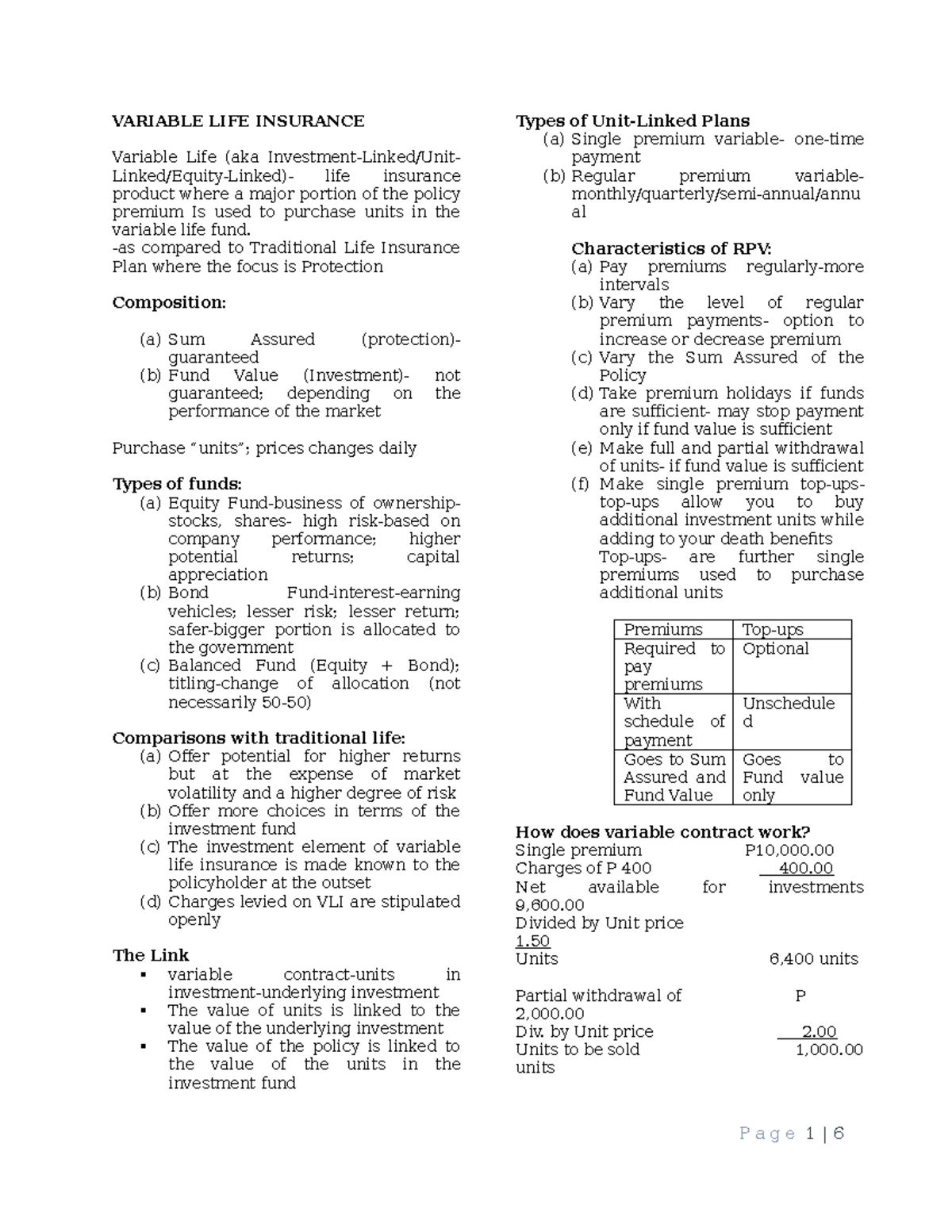
The defining characteristic of variable life is the "variable" nature of its cash value component. When you pay your premium, a portion of it—after the insurer deducts costs for insurance, administrative expenses, and fees—is placed into a separate account. You choose how to allocate these funds among various sub-accounts, which typically include portfolios of stocks, bonds, or money market instruments. Because these accounts are tied to market performance, the cash value of your policy will fluctuate based on the success of your chosen investments.
Advantages of Variable Life Insurance
For certain policyholders, the features of variable life insurance provide benefits that fixed-income insurance products cannot match.
Potential for Long-Term Capital Growth
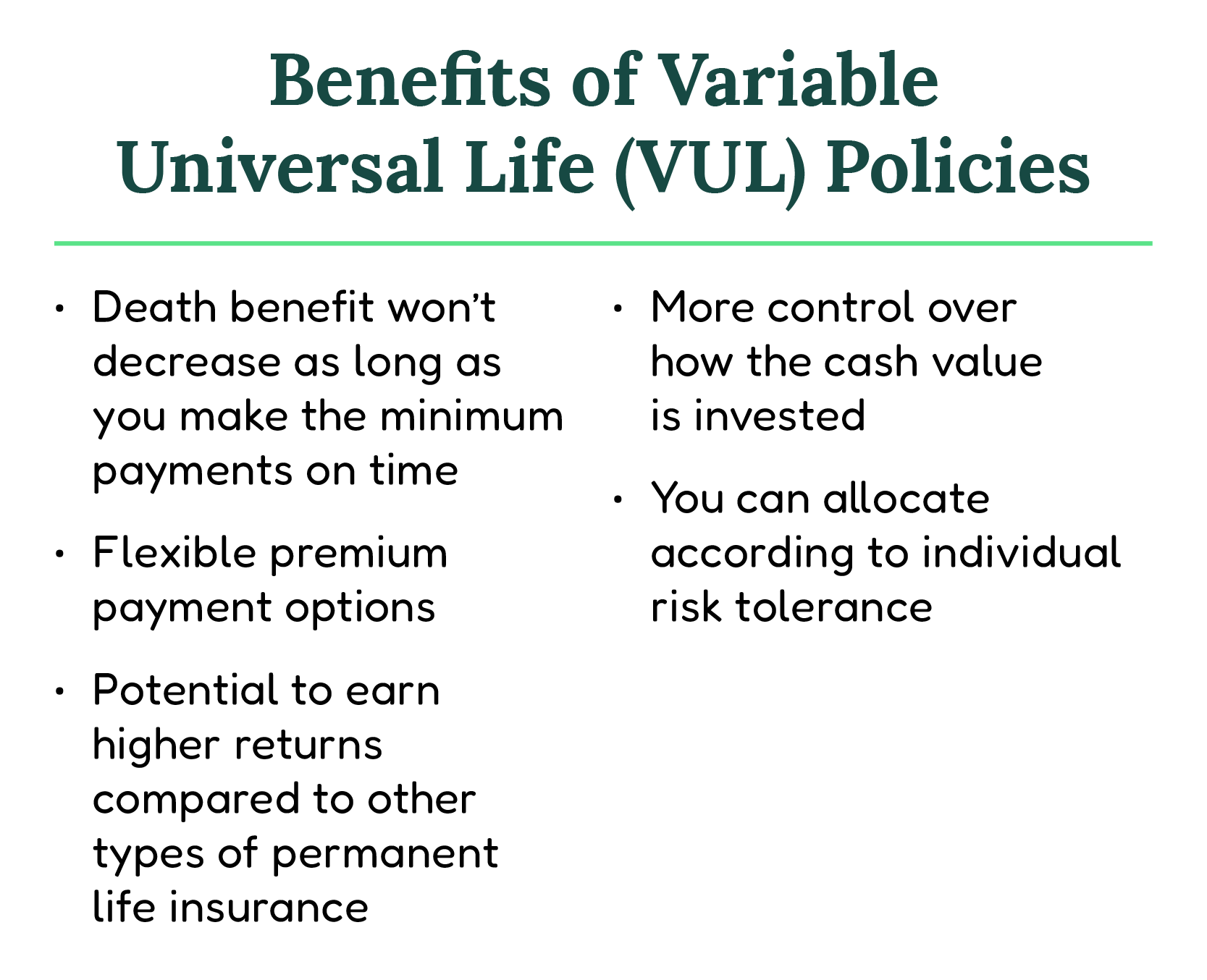
The primary appeal of variable life insurance is the potential for higher returns compared to the guaranteed, low-interest environment of a traditional whole life policy. If the sub-accounts you select perform well over several decades, the cash value can grow significantly. This can create a source of liquid capital that can be used for various financial needs later in life, such as supplementing retirement income or funding education expenses.
Tax-Deferred Accumulation
The growth within the sub-accounts of a variable life policy is tax-deferred. As long as the earnings remain inside the policy, you do not pay annual capital gains or income taxes on the growth of the investments. This allows the cash value to compound more effectively over time compared to a taxable investment account where gains are reported and taxed annually.
Death Benefit Flexibility
Many variable life insurance policies offer a flexible death benefit. While the death benefit is guaranteed as long as the policy is in force, some policies allow you to choose a level death benefit or an increasing death benefit. An increasing benefit adds the accumulated cash value to the base amount, which can be an effective way to hedge against inflation and ensure that the legacy left to beneficiaries keeps pace with rising costs.
Estate Planning Utility
Variable life insurance is frequently used in high-net-worth estate planning. Because the death benefit is generally paid out income-tax-free to beneficiaries, it can provide liquidity to cover estate taxes or to equalize inheritances among heirs without forcing the sale of illiquid assets, such as real estate or business interests.
Disadvantages and Risks of Variable Life Insurance
While the potential for growth is attractive, the risks inherent in variable life insurance are significant and require careful consideration before purchase.
Market Risk and Potential for Loss
Unlike whole life or universal life policies, which often feature fixed interest crediting, variable life insurance exposes the policyholder to full market risk. If the underlying sub-accounts perform poorly, the cash value can decline significantly. In extreme cases, if the cash value drops too low and is insufficient to cover the policy’s internal costs of insurance, the policyholder may be required to pay additional, often substantial, premiums to keep the policy from lapsing.
High Fees and Expenses
Variable life insurance policies are notorious for their complex fee structures. Policyholders must pay for the cost of the insurance (which increases as they age), asset management fees for the underlying sub-accounts, administrative charges, and mortality and expense risk charges. These costs can significantly eat into investment gains, making it harder for the policy to achieve superior net performance compared to a "buy term and invest the difference" strategy.
Lapse Risk
The most dangerous risk for a policyholder is a policy lapse. If market performance is poor and the cash value is depleted, the policy may lose its status as a permanent contract. If the policy lapses, the owner may lose the entire death benefit, and any loans taken against the policy could suddenly trigger a large, unexpected income tax bill, as they become taxable upon the termination of the policy.
Complexity and Oversight
Managing a variable life policy requires active monitoring. You must decide on asset allocation, track sub-account performance, and ensure that premium payments are sufficient to sustain the policy based on current market conditions. This is not a "set it and forget it" financial product, and it requires a high degree of financial literacy or the assistance of a licensed financial advisor.
Comparison of Life Insurance Options
| Feature | Whole Life Insurance | Variable Life Insurance |
|---|---|---|
| Cash Value Growth | Fixed, guaranteed rate | Variable based on market |
| Risk Profile | Low (Insurer takes risk) | High (Owner takes risk) |
| Fees | Predictable/Fixed | High and variable |
| Premium Flexibility | Fixed payments | Typically fixed (or flexible) |
| Primary Goal | Guaranteed protection | Growth potential + protection |
Frequently Asked Questions
1. Is variable life insurance a good investment? Variable life insurance is primarily a death benefit product, not an investment vehicle. While it offers investment components, the high internal costs often mean that an investor would achieve better net growth by investing in low-cost index funds outside of an insurance wrapper. It is generally best suited for those who need permanent death benefit coverage and are comfortable with market volatility.
2. What happens if the stock market crashes and my cash value drops? If the cash value in your sub-accounts drops, your policy may no longer have enough value to cover the monthly "cost of insurance." When this happens, your insurance company will send a notice indicating that you must pay additional premiums to maintain the death benefit. If you fail to pay these premiums, the policy will lapse.
3. Can I lose the money I invested in a variable life policy? Yes. Unlike a savings account or a fixed annuity, the cash value of a variable life policy is not guaranteed by the insurance company’s general account. If your sub-account selections perform poorly, the value of those investments can decrease, and those losses are passed directly to you as the policyholder.
4. Are the gains from variable life insurance tax-free? Growth inside the policy is tax-deferred. You can access the cash value through policy loans, which are generally not taxed as income. However, if you surrender the policy or let it lapse, any gain (the amount of cash value exceeding your total premium payments) is subject to ordinary income tax.
5. How do I minimize the fees associated with these policies? To minimize the impact of fees, focus on policies with lower mortality and expense charges and prioritize sub-accounts with lower expense ratios (such as passively managed index funds). Regularly review your policy’s annual statement to understand exactly how much is being deducted in administrative and management fees.
Recommendation
Before committing to a variable life insurance policy, perform a comprehensive review of your financial goals. If your primary objective is long-term family protection, consider if a term life insurance policy combined with an independent brokerage account provides a more transparent and cost-effective solution. If you choose to proceed with a variable life policy, ensure you have a long-term time horizon and the liquidity to sustain premium payments even during market downturns. Consult with a fee-only financial advisor who does not earn a commission on the sale of insurance to obtain an unbiased assessment of your specific needs.
Image Gallery