Foundation Repair in Morris Plains NJ: Essential Methods, Costs, and Regulations
Foundation repair in Morris Plains, NJ, requires a structured approach involving professional assessment, adherence to local building codes, and selection of appropriate stabilization techniques such as helical piers or carbon fiber re...
Foundation repair in Morris Plains, NJ, requires a structured approach involving professional assessment, adherence to local building codes, and selection of appropriate stabilization techniques such as helical piers or carbon fiber reinforcement. Homeowners must prioritize securing proper municipal permits through the Morris Plains Building Department to ensure structural integrity and compliance with New Jersey’s residential construction standards.
Contents
Understanding Foundation Vulnerability in Morris Plains
Morris Plains, located within Morris County, features a diverse geological landscape characterized by glacial till and various soil types that can be prone to moisture retention. As seasons shift, the freeze-thaw cycles common in Northern New Jersey exert significant hydrostatic pressure on foundation walls. Over time, this pressure causes cracks, bowing, and settling that demand professional intervention.
Recognizing the early warning signs of foundation distress is critical for preventing catastrophic structural failure. Homeowners should look for:
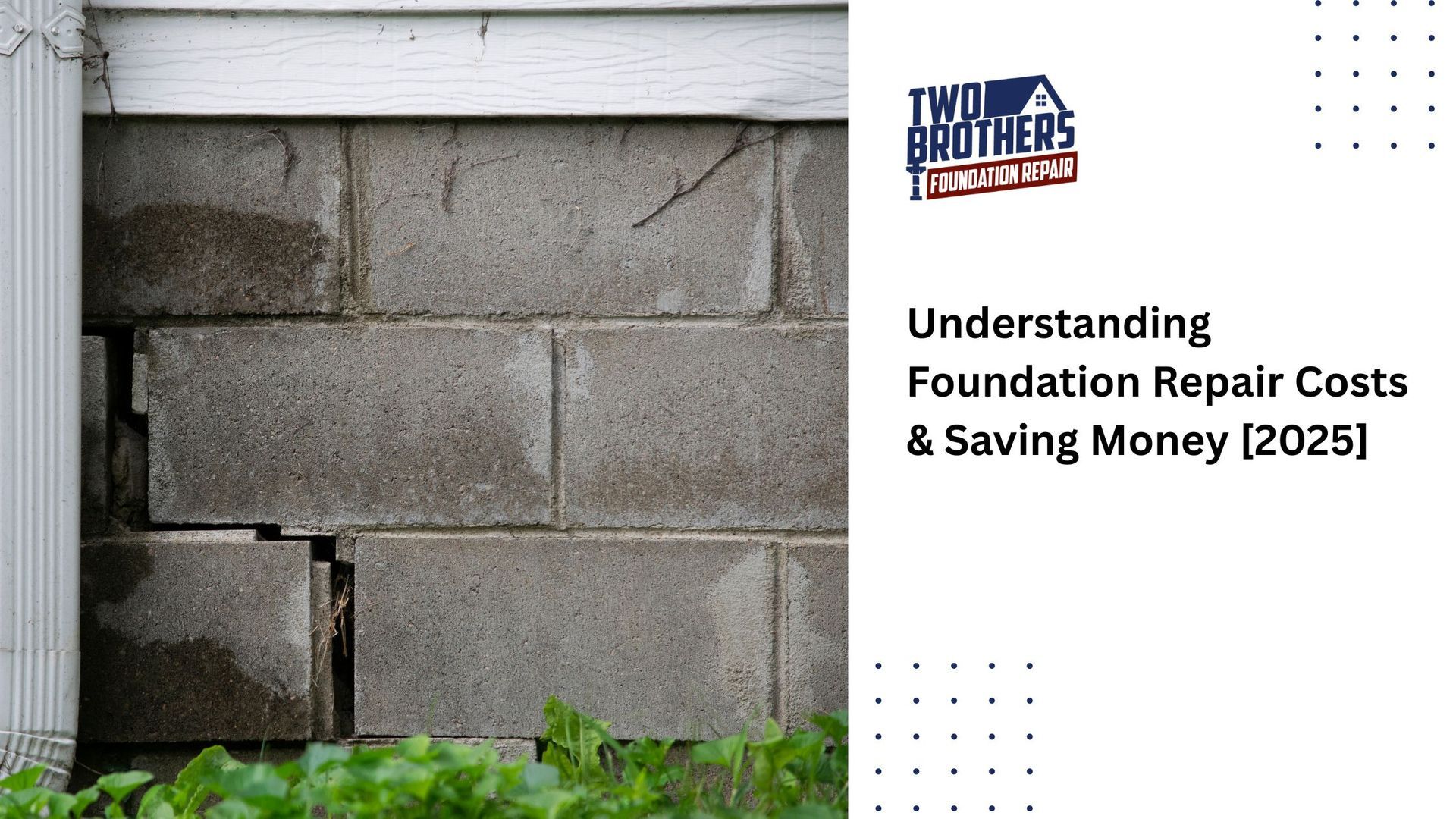
- Horizontal or diagonal stair-step cracks in poured concrete or masonry block walls.
- Bowing or bulging walls caused by lateral earth pressure.
- Sticking doors and windows that indicate shifting of the building frame.
- Pooling water in basements or crawl spaces, which often signals a compromise in the foundation's drainage perimeter.
Standard Foundation Repair Methods
Choosing the correct repair method depends on the nature of the damage and the underlying soil conditions. Contractors in the Morris Plains area typically employ one of the following engineered solutions:
1. Helical Piering (Underpinning)
When a home’s foundation settles unevenly, helical piers—essentially large steel screws—are driven into stable, load-bearing soil beneath the foundation. This method effectively "re-levels" the structure and transfers the building's weight to deeper, more competent strata. This is the preferred method for addressing vertical movement or subsidence.
2. Carbon Fiber Reinforcement
For walls that are bowing but not yet structurally compromised by severe shifting, carbon fiber straps provide a high-tensile strength solution. These straps are bonded to the interior of the wall using industrial-strength epoxy, preventing further inward movement. This method is minimally invasive and does not require extensive excavation.
3. Wall Plate Anchors
Wall plate anchors are used to stabilize walls that have moved significantly. This involves installing steel plates on the interior of the foundation wall and connecting them via high-strength rods to earth anchors buried deep in the soil outside the home. By tightening the rods, contractors can gradually straighten or stabilize the wall against further pressure.
4. Interior/Exterior Drainage Systems
Often, foundation issues are exacerbated by poor water management. Implementing a French drain system or an interior perimeter drain, combined with a high-capacity sump pump, reduces hydrostatic pressure against the foundation, preventing future wall movement and water intrusion.
Regulatory Compliance and Permitting in Morris Plains
In New Jersey, structural foundation repairs are strictly regulated under the Uniform Construction Code (UCC). Before any repair work commences, homeowners and their contractors must navigate the local regulatory environment.
Permit Requirements: Any repair that involves structural modification or the stabilization of a load-bearing wall requires a building permit from the Borough of Morris Plains. This process ensures that the proposed repair methods meet safety standards established by the state.
The Inspection Process: Once a permit is issued and the work is completed, a municipal inspector will verify that the installation matches the approved engineering plans. For significant stabilization projects, local authorities may require a sealed letter or report from a New Jersey-licensed Professional Engineer (PE). This documentation serves as legal verification that the repair has mitigated the identified structural hazard.
Financial Considerations: Costs and Estimates
Repairing a foundation is a significant capital investment. As of 2026, costs in the Morris Plains area fluctuate based on the severity of the damage, the accessibility of the site, and the specific engineering requirements of the project.
| Repair Method | Estimated Cost Range (Per unit/foot) | Typical Application |
|---|---|---|
| Carbon Fiber Straps | $800 – $1,500 per strap | Minor bowing |
| Helical Piers | $2,000 – $4,500 per pier | Severe settlement |
| Wall Plate Anchors | $600 – $1,200 per anchor | Moderate wall leaning |
| Interior Drainage | $50 – $100 per linear foot | Water intrusion issues |
Note: These figures are estimates. Total project costs often include fixed fees for engineering consultations, permitting, and site preparation, which can add $2,000 to $5,000 to the overall invoice.
Selecting a Qualified Foundation Specialist
Given the potential impact on property value and safety, homeowners should exercise due diligence when selecting a contractor.
- Verify Licensing: Ensure the contractor holds a valid New Jersey Home Improvement Contractor (HIC) registration.
- Request Engineering Credentials: For complex settlement issues, prioritize firms that work directly with or employ professional structural engineers.
- Check Local References: Request examples of completed projects within Morris County or similar northern New Jersey climates.
- Review Warranty Terms: High-quality repairs should come with a comprehensive, transferable warranty. Understand the difference between "product warranties" and "workmanship warranties."
Frequently Asked Questions
Do I need a structural engineer for minor wall cracks? Not always. Small, non-structural hairline cracks are common due to concrete shrinkage. However, if cracks are wider than 1/8 inch or show signs of movement over time, a structural engineer is necessary to determine if the repair requires simple masonry patching or invasive structural stabilization.
Can foundation repairs be performed during the winter in Morris Plains? Yes, most interior foundation repairs, such as carbon fiber installation or drainage system upgrades, can be performed year-round. However, exterior work like helical piering or wall anchors may be delayed if the ground is frozen, as it complicates excavation and equipment access.
Will my homeowners' insurance cover foundation repairs? Generally, homeowners' insurance policies cover foundation damage only if it is caused by a "covered peril," such as a burst pipe. Damage resulting from soil settlement, earth movement, or poor drainage is typically excluded. Review your specific policy for "earth movement" exclusions.
How long does the permitting process take? In Morris Plains, the permit review timeframe depends on the complexity of the engineering plans. Once a complete application—including the contractor’s credentials and the engineer’s drawings—is submitted, you can generally expect a response within the statutory window provided by the New Jersey UCC.
Is it safe to live in a house while the foundation is being repaired? For most standard stabilization projects, such as installing interior piers or straps, residents can safely occupy the home. However, if the project requires extensive excavation that compromises the footing or floor joists, your contractor may advise temporary relocation during the most invasive phases of construction.
Next Steps for Homeowners
If you suspect foundation distress, your first action should be to document the issues with dated photographs. Next, consult with a qualified foundation repair specialist to perform a site assessment. If the assessment confirms structural concerns, hire an independent structural engineer to create a repair plan before signing a contract with a repair firm. This separation of design and installation ensures that the proposed solution is objectively the most appropriate for your home's unique needs.
Image Gallery