A Complete Guide to The NBC The Voice Judges and Their Roles
The NBC reality singing competition The Voice centers its format on the "blind audition" process, where a rotating panel of acclaimed musical artists—known as the judges or coaches—select and mentor aspiring talent based solely on voca...
The NBC reality singing competition The Voice centers its format on the "blind audition" process, where a rotating panel of acclaimed musical artists—known as the judges or coaches—select and mentor aspiring talent based solely on vocal performance. These coaches serve as industry mentors, providing professional guidance and strategic team management to lead their contestants through the competition, ultimately aiming to produce a viable recording artist.
Contents
The Evolution of the Coaching Panel
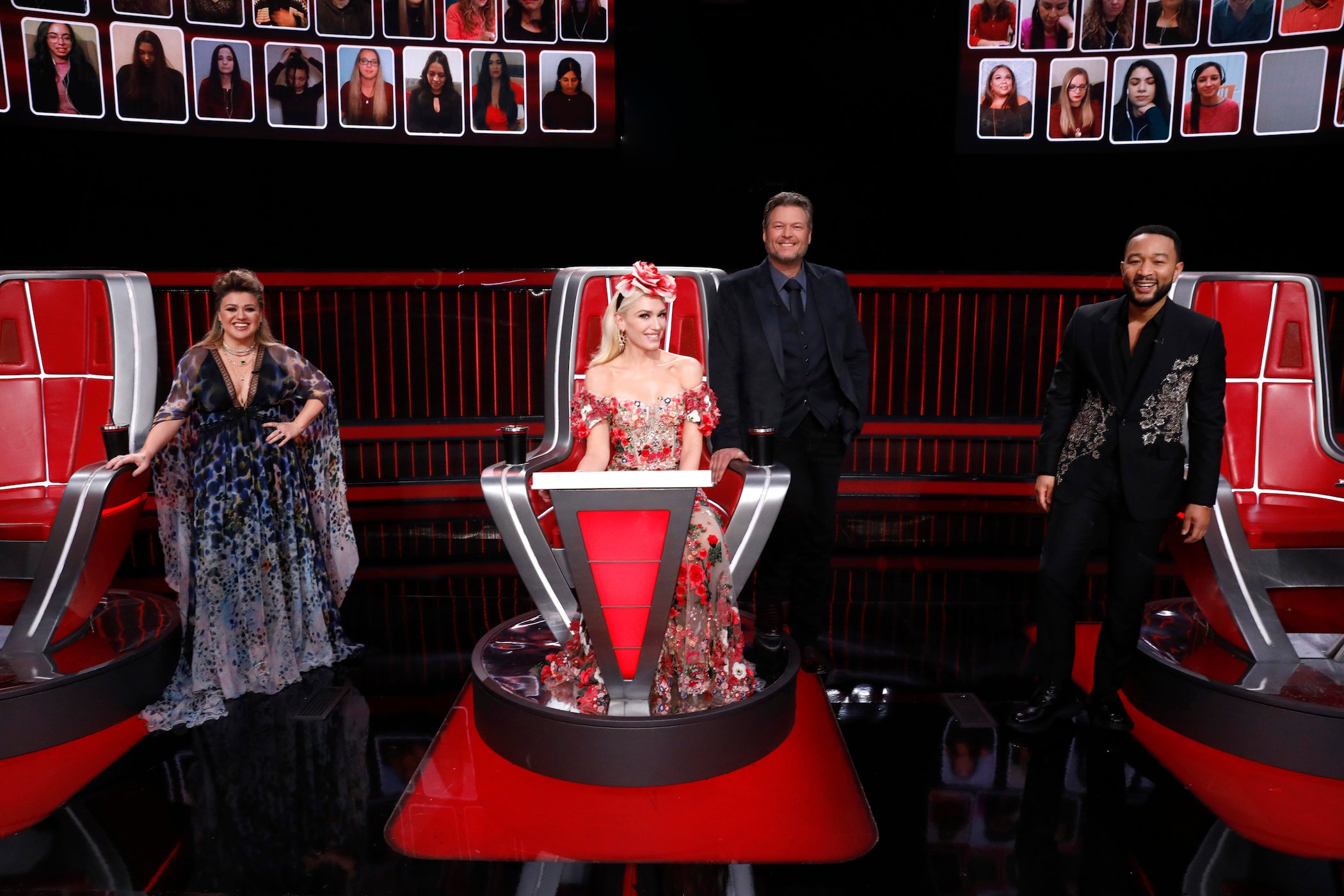
Since the American debut of The Voice on NBC in 2011, the show has maintained a signature format featuring four coaches. While the show is fundamentally a singing competition, the "judge" component functions differently than in traditional talent shows. In The Voice, coaches are tasked with building a team of artists during the initial blind auditions, where they sit with their backs turned to the stage, relying entirely on the singer’s voice to decide whether to spin their chair around.
This dynamic creates a competitive environment among the coaches, who frequently vie to convince specific contestants to join their respective teams. Once teams are finalized, the relationship shifts from competition to mentorship. Coaches participate in rehearsals, provide arrangement advice, and select songs that best suit their team members’ vocal range and stylistic strengths. This mentorship phase is the core technical differentiator of the program, distinguishing it from formats that prioritize public criticism over development.
How Coaches Are Selected and Their Industry Role
The selection of coaches for The Voice is a strategic effort by the network and the production team to cover a broad spectrum of the modern music industry. Typically, the panel is composed of artists who represent diverse genres such as pop, country, R&B, rock, or soul. This diversity is intentional, as it ensures that contestants from various musical backgrounds can find a mentor whose expertise aligns with their personal artistic goals.
Coaches generally sign contracts for one or more seasons, and it is common for the lineup to rotate to keep the viewer experience fresh and to allow for the professional touring schedules of the featured artists. Over the years, the panel has featured industry titans such as Adam Levine, Blake Shelton, Christina Aguilera, and Pharrell Williams, among many others. The presence of these high-profile figures serves two purposes: it lends the competition immediate industry credibility and provides contestants with access to professional networks that are otherwise difficult to penetrate.
Technical Responsibilities of a Coach
The role of a coach extends well beyond the televised performances. During the production schedule, which takes place over several months, coaches engage in a structured workflow:
- Blind Auditions: The coach listens to live performances without visual bias to identify technical vocal potential.
- The Battles and Knockouts: The coach makes critical decisions about vocal arrangements, stage presence, and song selection. They must pair contestants from their own team to compete directly against one another, requiring the coach to choose who advances and who is eliminated.
- Mentorship Sessions: Between episodes, coaches and their guest advisors conduct technical rehearsals. They provide feedback on pitch accuracy, breath control, stage dynamics, and performance confidence.
- Strategic Management: Coaches often act as brand managers for their contestants, guiding them on how to navigate the pressure of a televised platform while maintaining an authentic musical identity.
Comparing Coach Contributions and Dynamics
The chemistry between the coaches is a primary driver of the program's narrative. Because they are tasked with selecting artists, their individual tastes often clash, leading to "blocking" tactics where one coach can prevent another from acquiring a specific contestant. The following table provides a breakdown of how the coaching role functions in comparison to traditional competition judges.
| Feature | The Voice Coach | Traditional Talent Show Judge |
|---|---|---|
| Primary Objective | Developing a specific artist to win | Providing critical feedback on performance |
| Engagement | Actively mentors team members | Observes and critiques from a distance |
| Selection Criteria | Vocal tone and commercial potential | Overall entertainment value |
| Conflict Style | Competitive recruitment for teams | Subjective criticism of the performance |
| Outcome Responsibility | Directly invested in the team's success | No formal investment in contestant growth |
Strategic Constraints and Production Rules
The role of a coach is defined by rigid production rules that govern the competition. For example, coaches are not allowed to influence the voting public directly, though they can advocate for their team members during the live shows. Furthermore, the number of "steals" allowed—where a coach can recruit a contestant dropped by another coach—is strictly limited to ensure that team sizes remain balanced throughout the season.
These constraints ensure that the competition remains fair, despite the varying star power or industry experience of the individuals sitting in the chairs. While a coach’s name recognition may attract contestants during the initial rounds, the long-term success of the contestant relies heavily on the quality of the technical guidance provided during the rehearsal periods.
Frequently Asked Questions
How are the coaches for each season chosen? The production team selects coaches based on a mix of their current chart success, historical influence in their respective genres, and their demonstrated ability to mentor other artists. The goal is to create a panel that provides a balanced perspective, ensuring that participants from diverse musical backgrounds receive relevant advice.
Can a coach change their mind after a chair turn? Once a coach turns their chair, they have officially signaled their intent to mentor that artist. If multiple coaches turn, the artist chooses their coach. Coaches cannot "retract" a turn once the performance is over, as this would violate the established integrity of the blind audition process.
What happens if a coach has a scheduling conflict? Because the filming of The Voice spans several months, coaches with ongoing tours or recording obligations must plan their schedules well in advance. In instances where a coach cannot fulfill their commitment, the production team typically cycles in a new coach for the following season to maintain continuity and schedule stability.
Do coaches get paid for their participation? Yes, coaches are professional contractors. Compensation varies significantly based on the artist’s profile, career history, and tenure on the show. These agreements are private commercial contracts handled between the talent’s management and the production company.
Are the coaches involved in the song selection process? Yes, the selection of songs is a collaborative process. While producers often provide a list of cleared, licensing-friendly songs, the coaches work with their contestants to select tracks that best demonstrate the contestant’s range and style. This is one of the most critical aspects of the mentorship phase.
Next Steps for Aspiring Contestants
If you are considering auditioning for The Voice, your primary focus should be on vocal preparation and understanding the specific requirements of the show’s digital submission process. Official casting calls are conducted periodically through the program’s official website. Ensure that your audition materials are high-quality, clearly demonstrate your vocal strengths, and reflect the unique identity you would bring as a potential team member. Focus your energy on refining your technique, as the blind auditions require a standout vocal performance that can command the attention of the coaches within seconds.
Image Gallery