Understanding the Factors Behind the Seven-Person Boat Crash
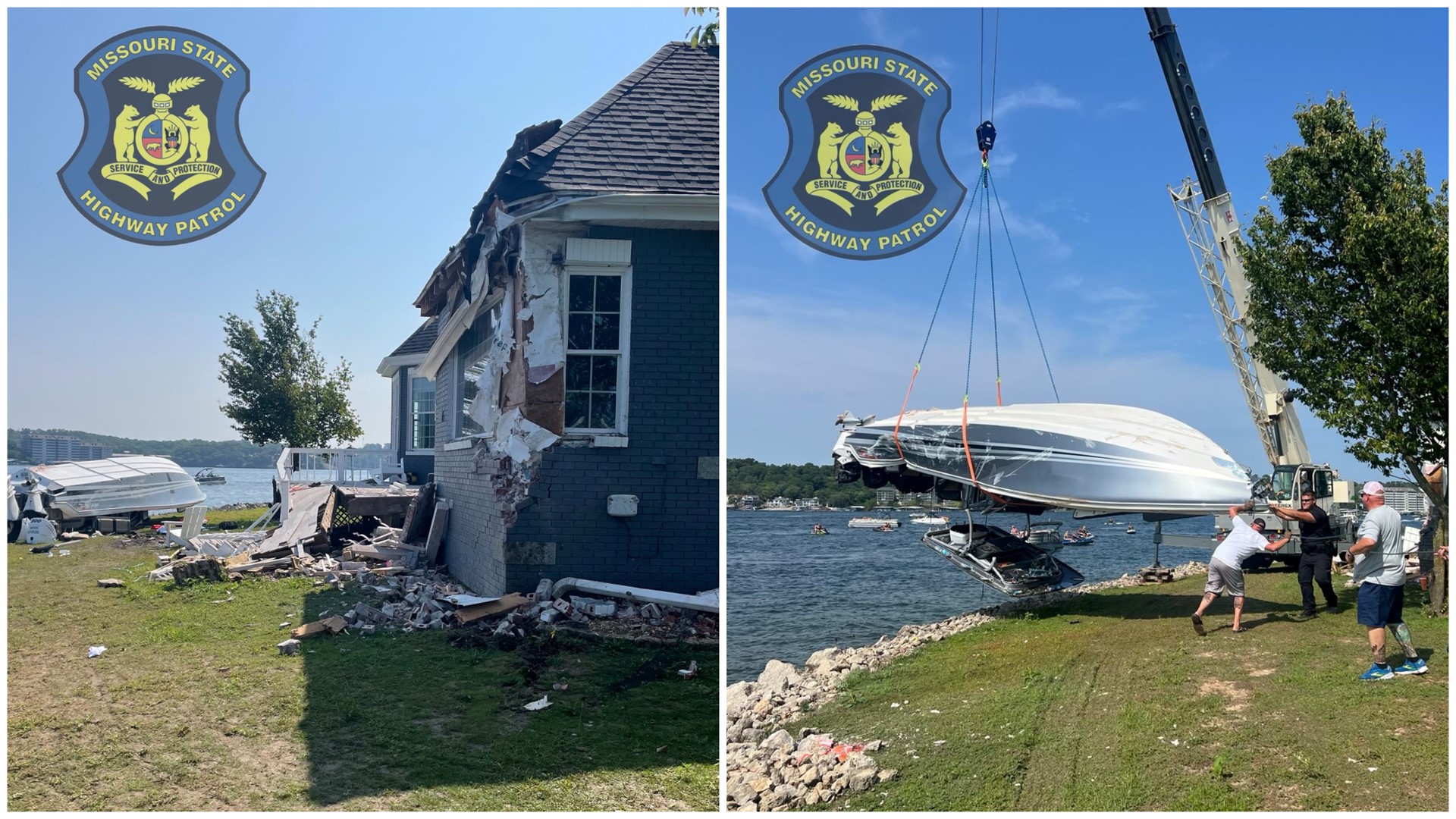
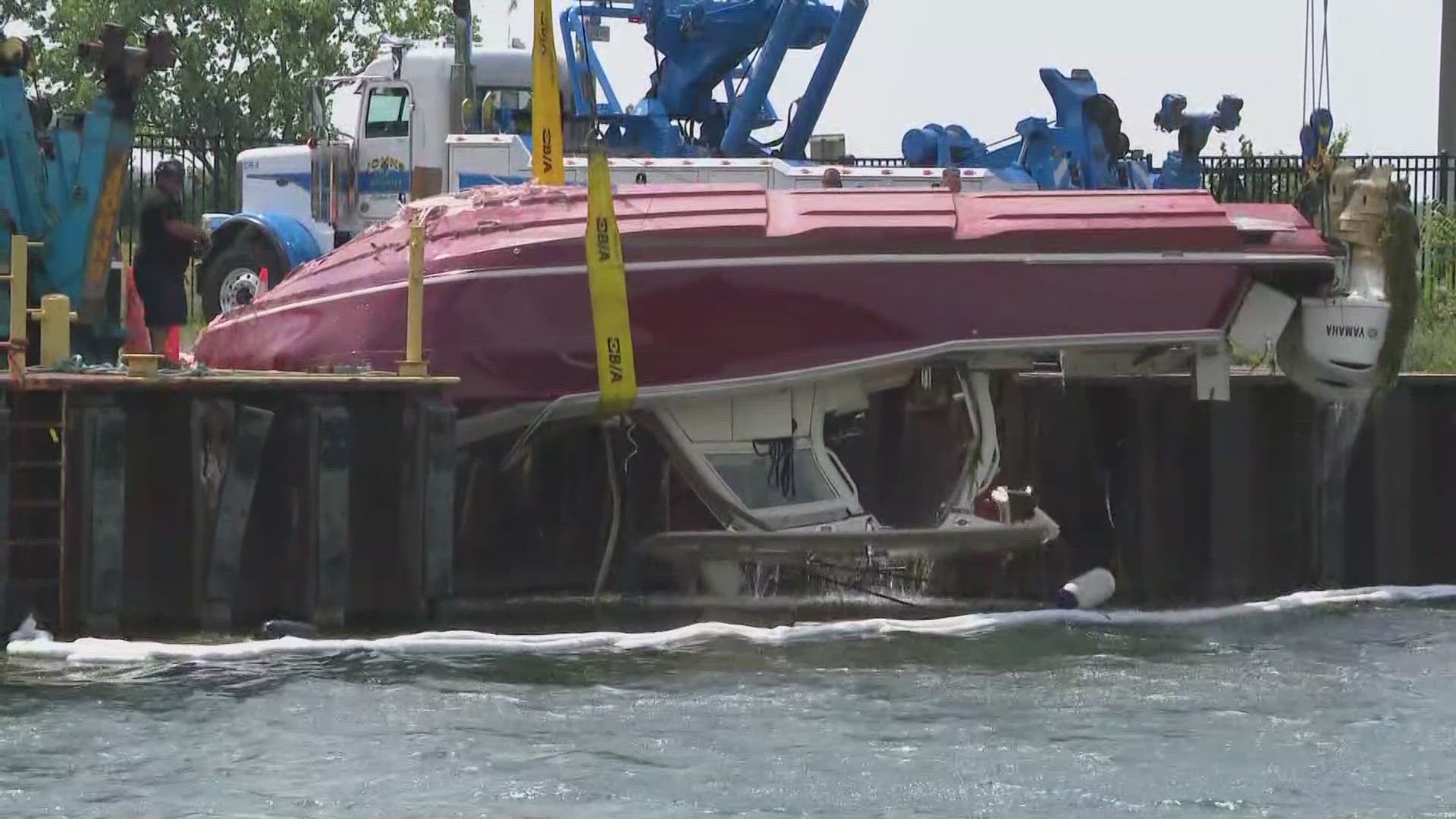
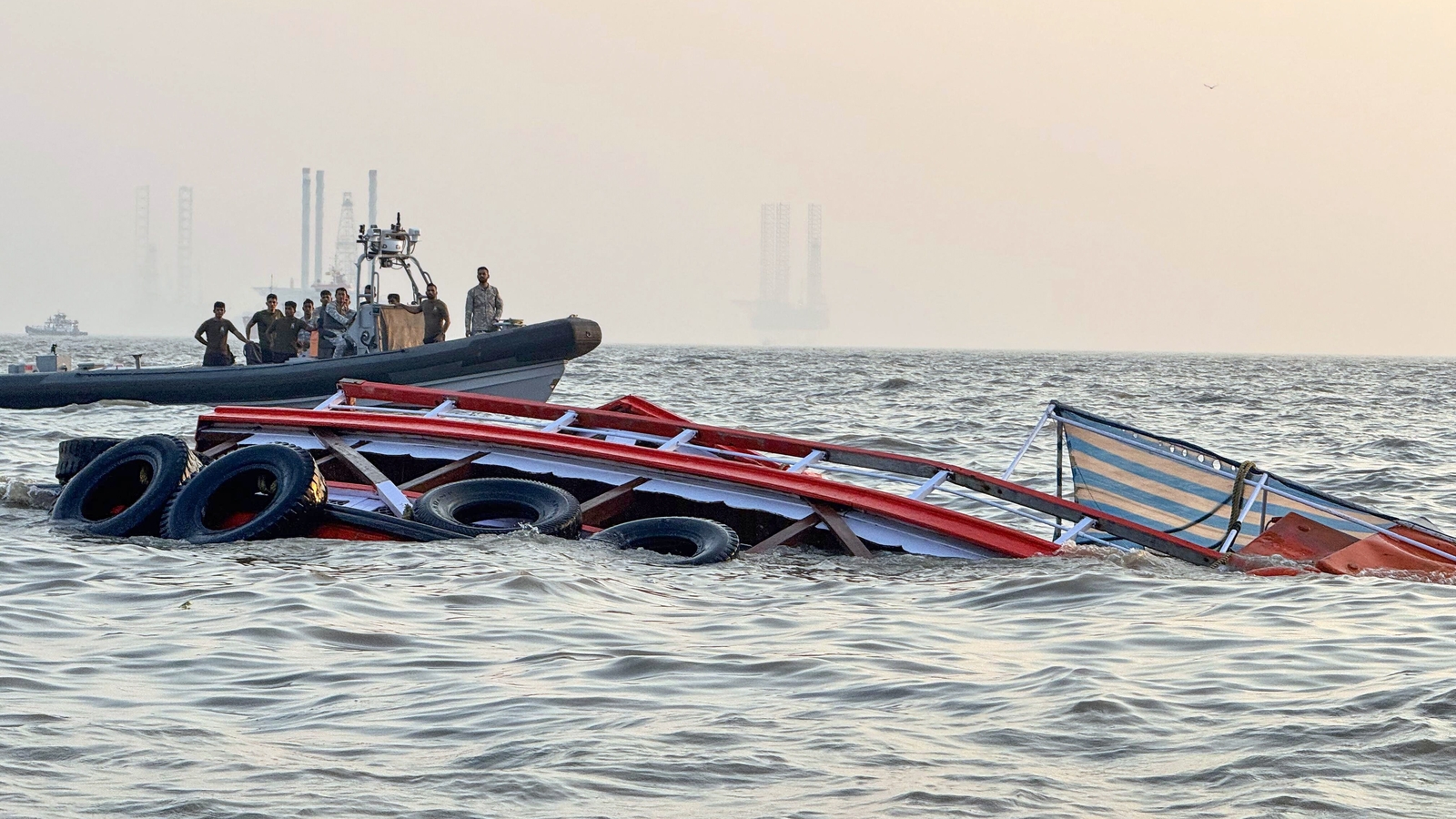
The seven-person boat crash refers to a tragic maritime incident involving a recreational vessel carrying seven occupants that resulted in a collision or capsizing event. Investigations into such accidents typically highlight a converg...
The seven-person boat crash refers to a tragic maritime incident involving a recreational vessel carrying seven occupants that resulted in a collision or capsizing event. Investigations into such accidents typically highlight a convergence of factors including excessive passenger loading, operator inattention, adverse environmental conditions, and mechanical failures, which collectively overwhelm the vessel’s stability and safety margins.
Contents
The Role of Vessel Capacity and Overloading
A primary factor in many recreational boating accidents involving multiple passengers is the violation of the manufacturer’s Maximum Capacity Plate. Most small recreational crafts are rated for a specific number of people and total weight in pounds. When a vessel is occupied by seven individuals, it is often approaching or exceeding the design limits of standard runabouts or center-console boats.
When a boat is overloaded, its center of gravity shifts significantly higher, and the freeboard—the distance from the waterline to the top of the hull—decreases. This reduction in freeboard makes the vessel highly susceptible to swamping, especially if passengers move suddenly to one side or if a wake from another vessel strikes the boat. In a seven-person scenario, even minor shifting of weight by passengers can lead to a rapid loss of lateral stability, turning a routine excursion into a capsizing event.
Operator Error and Situational Awareness
Operational negligence remains the leading cause of maritime accidents according to data from the United States Coast Guard and international maritime authorities. In incidents involving a full load of seven passengers, the operator faces increased distractions. Managing seven individuals often leads to "social distraction," where the pilot is focused on conversation rather than navigational hazards, channel markers, or approaching weather fronts.
Common operator errors that contribute to these crashes include:
- Failure to Maintain a Proper Lookout: Being distracted by passengers often results in the failure to spot debris, shallow water, or other vessels.
- Excessive Speed: Navigating at high speeds with a full load reduces the reaction time required to avoid collisions.
- Improper Trim: Failing to distribute weight evenly or adjusting the motor trim can lead to "porpoising" or instability during sharp turns, which is magnified when the boat is carrying a maximum passenger load.
Environmental Variables and Visibility
Maritime environments are inherently dynamic. A seven-person boat crash is often exacerbated by external variables that the operator may be ill-equipped to handle. These include high-frequency wakes from larger vessels, shifting tides that create unpredictable currents, and sudden changes in visibility.
For example, when a boat is fully loaded, it sits deeper in the water, making it less responsive to quick throttle adjustments. If an operator encounters a large swell or wake while carrying seven people, the increased mass of the vessel means it will not crest the wave as effectively as a lightly loaded craft. This can lead to "bow stuffing," where the bow of the boat dips into the oncoming wave, flooding the cockpit instantly and destabilizing the vessel.
Mechanical and Maintenance Factors
Beyond human error and environmental stress, mechanical failure plays a significant role in boat crashes. With seven passengers on board, the strain on the propulsion system and steering components is at its peak.
- Steering Failure: Cables that have not been properly lubricated or inspected can seize under the load of a heavily occupied boat during a maneuver.
- Engine Cut-out: If an engine stalls while in a high-traffic area, a fully loaded boat becomes a "dead in the water" hazard, vulnerable to being struck by other vessels or pushed into fixed hazards like piers or jetties.
- Bilge Pump Malfunction: In many instances, the crash itself is not the end of the emergency; it is the sinking that follows. If a boat takes on water and the bilge pump fails due to poor maintenance, the boat will sink significantly faster, complicating rescue efforts for the seven occupants.
Comparative Analysis of Boating Risks
The following table compares the risk factors associated with passenger load and operational awareness in typical recreational boating environments.
| Risk Factor | Impact on Stability | Primary Hazard | Mitigation Strategy |
|---|---|---|---|
| Overloading | High (Shifts Center of Gravity) | Capsizing | Verify Capacity Plate |
| Speeding | Moderate (High Kinetic Energy) | Collision | Follow "Slow-No-Wake" rules |
| Distraction | High (Cognitive Load) | Collision/Grounding | Appoint a dedicated lookout |
| Poor Weather | High (Dynamic Loading) | Swamping | Monitor VHF weather updates |
Legal and Regulatory Implications
In the aftermath of a seven-person boat crash, investigations are conducted by relevant authorities (such as the Coast Guard or local marine patrols) to determine if negligence occurred. These investigations focus on whether the operator was under the influence of alcohol or drugs, whether the vessel was legally registered, and if required safety equipment—such as Life Jackets (PFDs)—was accessible to all seven passengers.
Statistically, a significant percentage of boating fatalities are linked to the absence of life jackets. In a crowded boat with seven people, finding and donning life jackets after a sudden collision or capsize is nearly impossible. Legal standards emphasize that PFDs must be readily available and, in many jurisdictions, children and non-swimmers are required to wear them at all times while the boat is in motion.
The Role of Safety Training
The importance of formal boating safety education cannot be overstated. Many operators assume that boating experience in one type of vessel translates to another; however, the handling characteristics of a boat with seven occupants are vastly different from those of a vessel with two.
Safety courses teach operators how to conduct a "pre-departure checklist," which is the most effective tool for preventing accidents. This includes inspecting the hull for damage, checking the steering fluid, confirming the fuel levels, and ensuring that the communication equipment is operational. By following these structured protocols, operators can identify potential mechanical or structural issues before they ever leave the dock.
Common Misconceptions Regarding Boat Safety
Many recreational boaters operate under the false assumption that because they have "years of experience," they are immune to common accidents. Statistics show that the majority of boating accidents occur in calm, sunny conditions, suggesting that complacency is a greater risk than turbulent weather.
Another common misconception is that "the boat is small enough that it doesn't need a formal safety plan." Regardless of size, if a vessel is carrying seven people, it is carrying seven lives. The responsibility of the captain remains the same, requiring constant vigilance and a clear understanding of the vessel's performance limits.
Frequently Asked Questions
Why does a boat carrying seven people handle differently than one with two? A boat carrying seven people has a significantly higher total displacement and a higher center of gravity. This makes the boat less responsive to throttle input, slower to plane, and more susceptible to rolling if passengers shift weight or if the vessel encounters waves from the side.
What should an operator do immediately after a collision? The priority is to account for all seven passengers and ensure everyone is wearing a PFD. If the boat is taking on water, call for emergency assistance via VHF radio or cell phone, and activate the bilge pump. Do not attempt to abandon the vessel unless it is actively sinking, as the boat provides a larger visual target for rescuers.
How do I find my boat’s maximum capacity? Look for the "Capacity Plate," usually found near the helm or the transom of the boat. This plate is mandated by the U.S. Coast Guard for most monohull vessels under 20 feet and explicitly lists the maximum number of people, the maximum weight capacity, and the maximum horsepower for the engine.
Are there legal penalties for overloading a boat? Yes. Overloading is a violation of maritime safety laws. If an accident occurs and it is determined that the boat was overloaded, the operator can face significant civil liability, fines, and potentially criminal charges for reckless operation of a vessel.
What is the most common cause of death in boating accidents? According to maritime safety data, the most common cause of death is drowning, and the vast majority of victims were not wearing a life jacket. In multi-person crashes, the chaos of the event often prevents passengers from retrieving stored PFDs.
Recommendations for Safe Boating
To ensure the safety of all passengers, every operator should adhere to a strict "Safety-First" policy. Before departure, verify that your vessel is not carrying more than the weight limit specified by the manufacturer. If you are near your maximum capacity, exercise extreme caution regarding speed and sharp maneuvers.
Ensure that every passenger—especially those who are not strong swimmers—knows the location of life jackets and how to secure them. Finally, maintain a "no-distraction" policy at the helm. By treating the operation of your vessel with the same seriousness as driving an automobile, you significantly reduce the risk of incidents that can lead to injury or loss of life.
Image Gallery