Understanding the Work of Conan O’Brien: A Career of Comedy Evolution
Understanding the work of Conan O’Brien requires looking beyond his role as a late-night host to recognize him as a pivotal architect of modern alternative comedy. Over a career spanning more than four decades, O’Brien has transitioned...
Understanding the work of Conan O’Brien requires looking beyond his role as a late-night host to recognize him as a pivotal architect of modern alternative comedy. Over a career spanning more than four decades, O’Brien has transitioned from a writer for iconic satirical programs to a boundary-pushing performer, a podcasting pioneer, and a digital content innovator who redefined the relationship between a comedian and their audience.
Contents
The Foundation: Writing for Television
Before O’Brien became a household name, he was a student of the craft. His early professional years were defined by his tenure as a writer for Saturday Night Live (SNL) and The Simpsons. These experiences were instrumental in shaping his specific comedic voice, which often juxtaposes high-brow intellectualism with self-deprecating absurdity.
At Saturday Night Live, O’Brien honed his ability to write "desk pieces" and recurring sketches that relied on repetition and escalation—techniques that would later become staples of his own shows. His time at The Simpsons during the early 1990s, particularly his work on episodes like "Marge vs. the Monorail," demonstrated his mastery of narrative pacing and character-driven humor. In these environments, he learned that the most effective comedy often arrives when a character’s internal logic remains consistent even while the external situation spirals into chaos.
The Late-Night Era: Disrupting the Format
O’Brien’s career shifted significantly in 1993 when he was chosen to succeed David Letterman on Late Night. This era is characterized by his commitment to "anti-talk show" tropes. Because he was an unknown entity at the time of his hiring, he leaned into the awkwardness of his situation.
His work during this period is best categorized by several key pillars:
- Absurdist Digital Shorts: Long before the era of viral video, O’Brien used his platform to create surreal, low-budget segments that defied the conventions of mainstream television.
- The "Remote" Segment: O’Brien elevated the "man on the street" interview into a character study, often casting himself as an inept or overly enthusiastic outsider.
- Collaborative Chemistry: His reliance on long-time bandleader Max Weinberg and sidekick Andy Richter established a workplace dynamic that felt more like an improvisational troupe than a rigid broadcast production.
Navigating Transition: The Tonight Show and TBS
O’Brien’s brief tenure as the host of The Tonight Show in 2009 and 2010 represents a critical pivot point in modern media history. The controversy surrounding his departure from the network highlighted the tension between traditional broadcast gatekeepers and the rising digital-native demographic that supported O’Brien.
His move to TBS marked the beginning of "Conan," a show that allowed for more creative freedom and a more global reach. During this phase, O’Brien began his Conan Without Borders series. These travel specials represent a fundamental evolution in his work; rather than relying on a studio audience and celebrity guests, he focused on immersive, unscripted engagement with local cultures. These segments showcased his ability to facilitate human connection through comedy, moving away from the "desk-based" interview format toward documentary-style travelogues.
The Podcast and Digital Renaissance
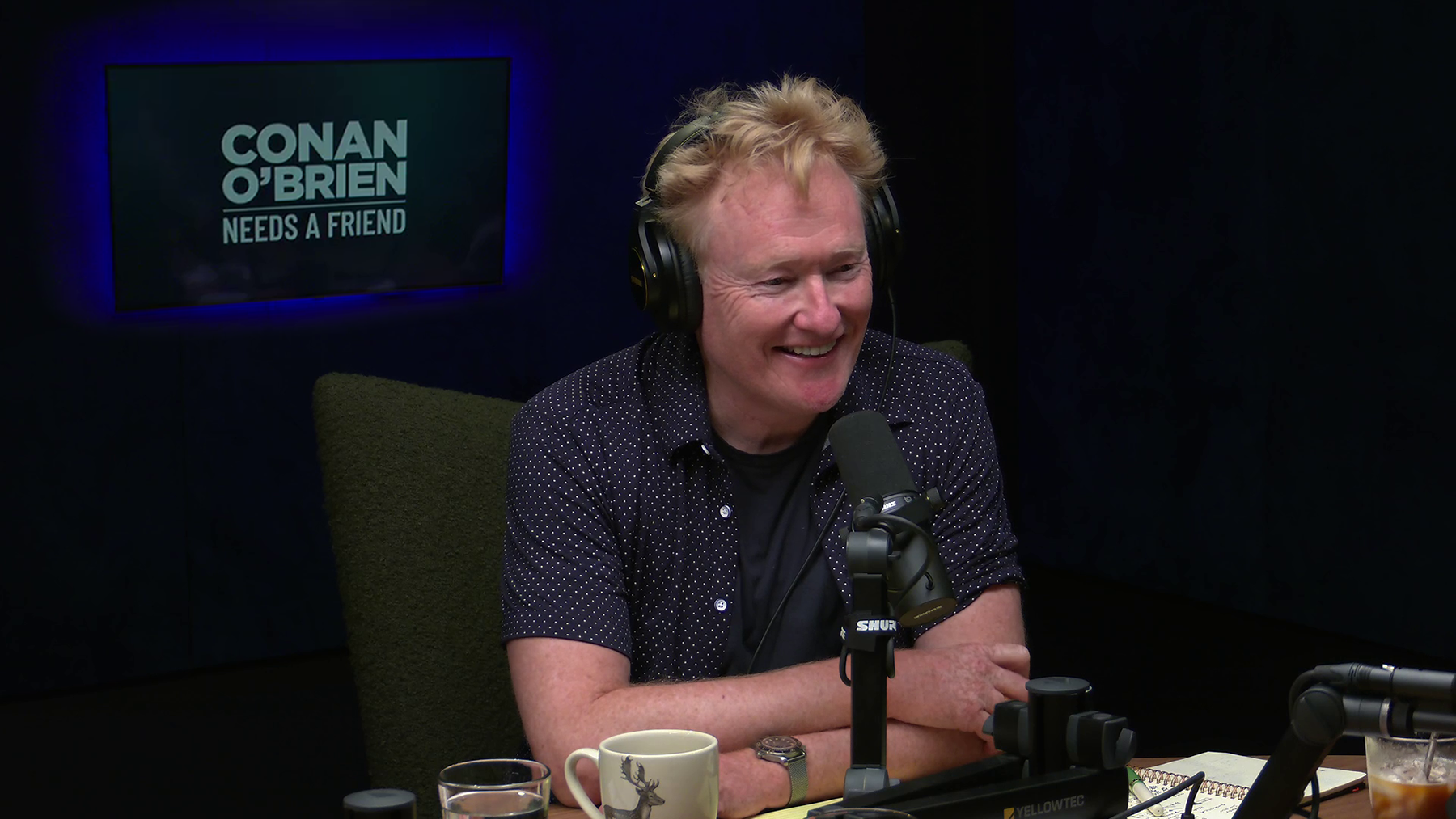
As of 2026, O’Brien’s work has transitioned almost entirely away from traditional linear television. His podcast, Conan O’Brien Needs a Friend, launched in 2018, serves as the primary vessel for his comedic output. This platform changed the nature of his celebrity interviews, removing the pressure of promotional agendas and allowing for long-form, candid conversations.
This shift underscores a major realization in O’Brien’s career: the audience is less interested in the high-gloss, rehearsed interview and more interested in the "behind-the-scenes" humanity of the host and guest. By moving into the audio-first space, O’Brien effectively bypassed the limitations of network television budgets and schedules, creating a sustainable, audience-funded model that prioritizes personality over production scale.
Comparing O’Brien’s Career Phases
| Era | Primary Platform | Key Characteristic | Content Strategy |
|---|---|---|---|
| Writing Era (1980s-90s) | SNL / The Simpsons | Structured Satire | Scripted narrative and character jokes |
| Late Night (1990s-2000s) | NBC | Absurdist Improvisation | Desk bits and recurring characters |
| TBS/Borders (2010s) | Cable Television | Global/Immersive | Unscripted travel and documentary humor |
| Podcast/Digital (Present) | Audio/Streaming | Conversational Intimacy | Long-form, unscripted interviews |
Analysis of O’Brien’s Comedic Methodology
To truly understand his work, one must identify the three core principles he employs across all formats:
- The "Tall, Pale, and Awkward" Persona: O’Brien has spent decades refining the image of the bumbling, slightly out-of-touch authority figure. By positioning himself as the butt of the joke, he creates a power dynamic where he is perpetually vulnerable to the chaos happening around him.
- Repetition as Rhythm: Whether it is a recurring character like "The Masturbating Bear" or a running gag about his own physical features, O’Brien uses repetition to build a shared language with his audience. This creates a sense of "inside-baseball" exclusivity that fosters long-term fan loyalty.
- High-Low Contrast: His work frequently pairs intellectual, literary references with slapstick or crude humor. This duality allows him to appeal to a broad demographic, effectively capturing viewers who might appreciate a sophisticated literary nod as much as a pratfall.
Prerequisites for Appreciating His Body of Work
For those looking to explore his vast library of content, it is helpful to note that his humor is heavily reliant on context. Starting with his early Late Night episodes provides the necessary baseline to understand the inside jokes that persist in his current podcasting work.
Recommended paths for exploration:
- For Narrative Humor: Review early episodes of The Simpsons where O’Brien served as lead writer.
- For Experimental Comedy: Search for segments from his 1993-2009 era involving remote locations and absurd physical stunts.
- For Human Connection: Listen to the early episodes of Conan O’Brien Needs a Friend to understand the evolution of his conversational style.
Common Questions About His Work
Why did O’Brien move from television to podcasting? The transition was driven by a desire for creative autonomy. Podcasting allows for longer segments, a lack of content censorship, and a direct relationship with the listener, unencumbered by the demands of network advertisers or television programming blocks.
Is his humor considered improvisational or scripted? It is a hybrid. While his desk segments are heavily scripted, his interaction with guests and his travel specials rely heavily on his background in improv, allowing him to react to unpredictable environments and personalities in real-time.
What is the defining trait of his interview style? O’Brien uses "aggressive warmth." He often adopts an over-the-top, sycophantic, or mock-adversarial persona with his guests to disarm them, which often leads to more candid, less guarded responses than traditional press-junket interviews.
How does he maintain relevance after so many years? By consistently adapting his format to the medium of the time. He did not fight the shift to digital; he embraced it by utilizing platforms like YouTube and later creating a standalone audio brand that moved with the audience.
What is the "Conan" brand? The brand is built on sincerity wrapped in absurdity. Despite the silliness of his content, O’Brien’s underlying work ethic and his clear affection for his collaborators and guests remain the constant, grounding elements of his public persona.
Conclusion: The Legacy of a Media Adaptor
The work of Conan O’Brien is a masterclass in adaptation. His career proves that a performer’s success is not dependent on a specific stage, but on the strength of their voice and their ability to pivot alongside technological shifts. Whether he is writing a cartoon script or hosting a digital podcast, O’Brien’s commitment to self-deprecation and human connection remains the hallmark of his success. The next step for any fan is to view his career not as a series of unrelated shows, but as one long, evolving conversation with an audience that has grown up alongside him.
Image Gallery