Understanding Long-Term Disability Insurance: What the Meaning Means for Your Financial Future
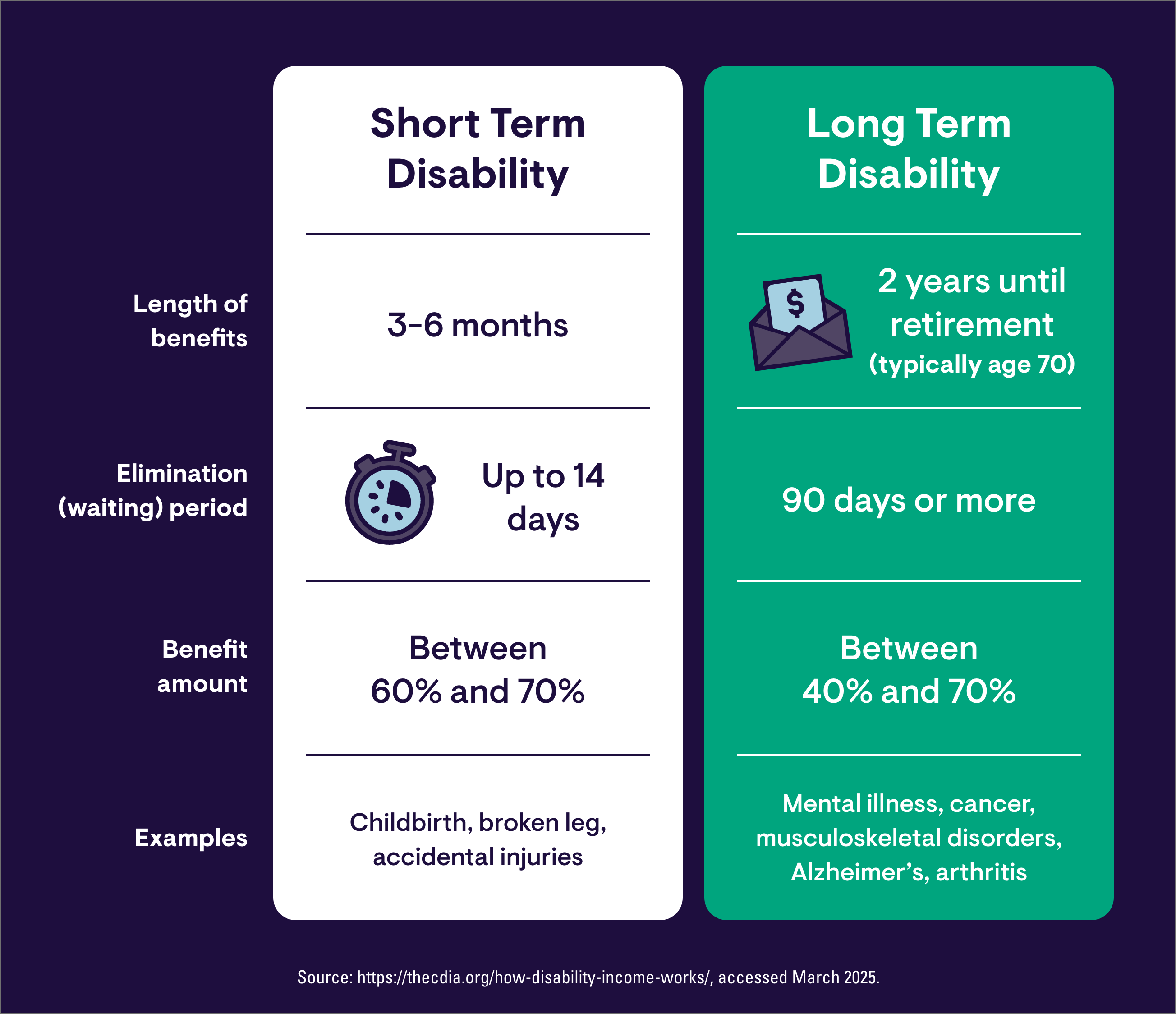
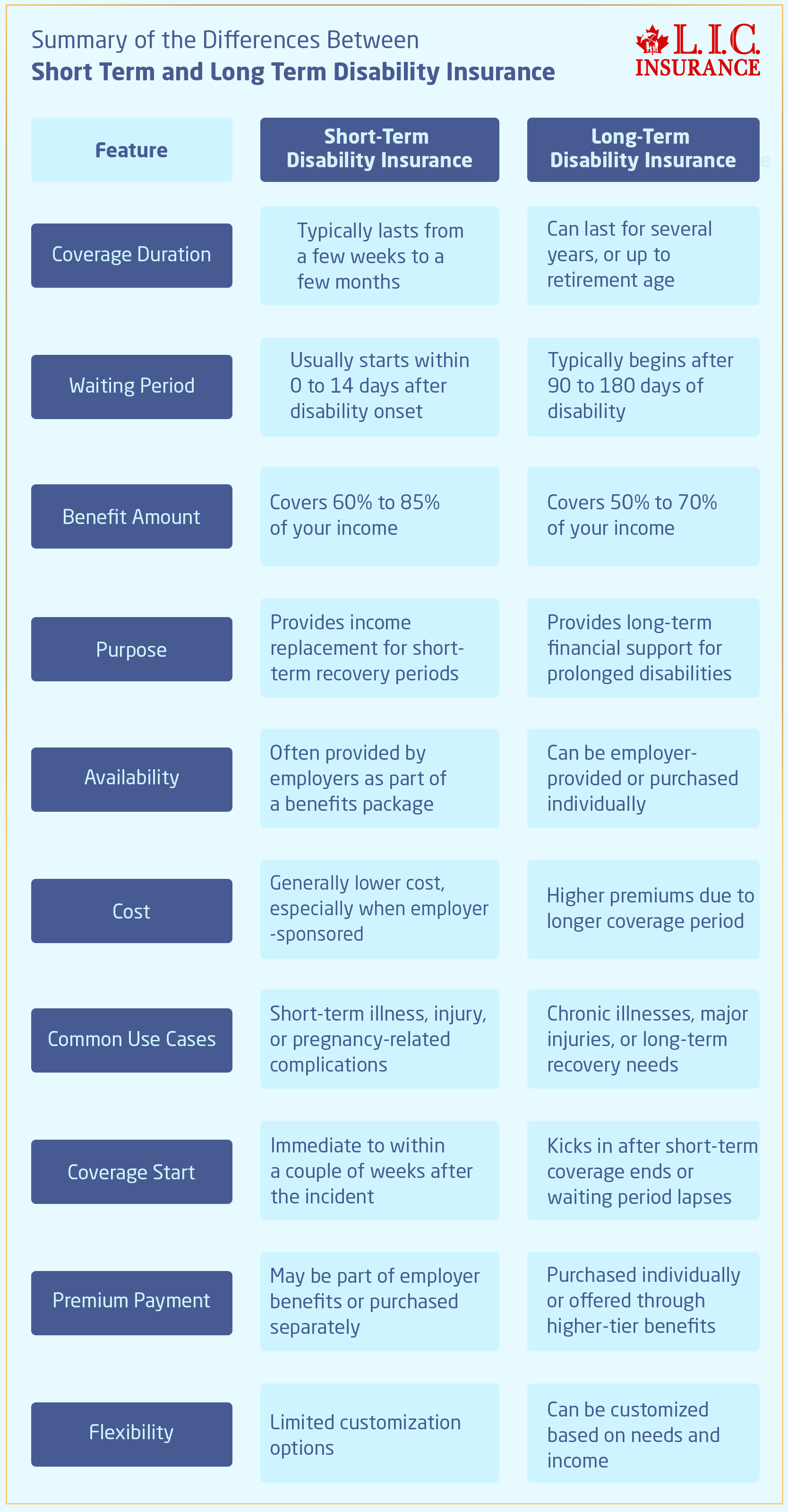
Long-term disability (LTD) insurance is a protective financial product designed to replace a significant portion of your income—typically 50% to 70% of your gross earnings—if a chronic illness or serious injury prevents you from workin...
Long-term disability (LTD) insurance is a protective financial product designed to replace a significant portion of your income—typically 50% to 70% of your gross earnings—if a chronic illness or serious injury prevents you from working for an extended period. It acts as a bridge to cover essential living expenses when you are no longer able to collect a regular paycheck.
Contents
For most working professionals in 2026, your greatest asset is not your home or your investment portfolio; it is your ability to earn an income. If that ability is suddenly removed due to a neurological condition, a physical injury, or a debilitating illness, the financial repercussions can be catastrophic. Understanding the specific meaning of long-term disability insurance and how it applies to your unique career path is the first step in constructing a resilient financial plan.
Defining the Scope: Long-Term vs. Short-Term Disability
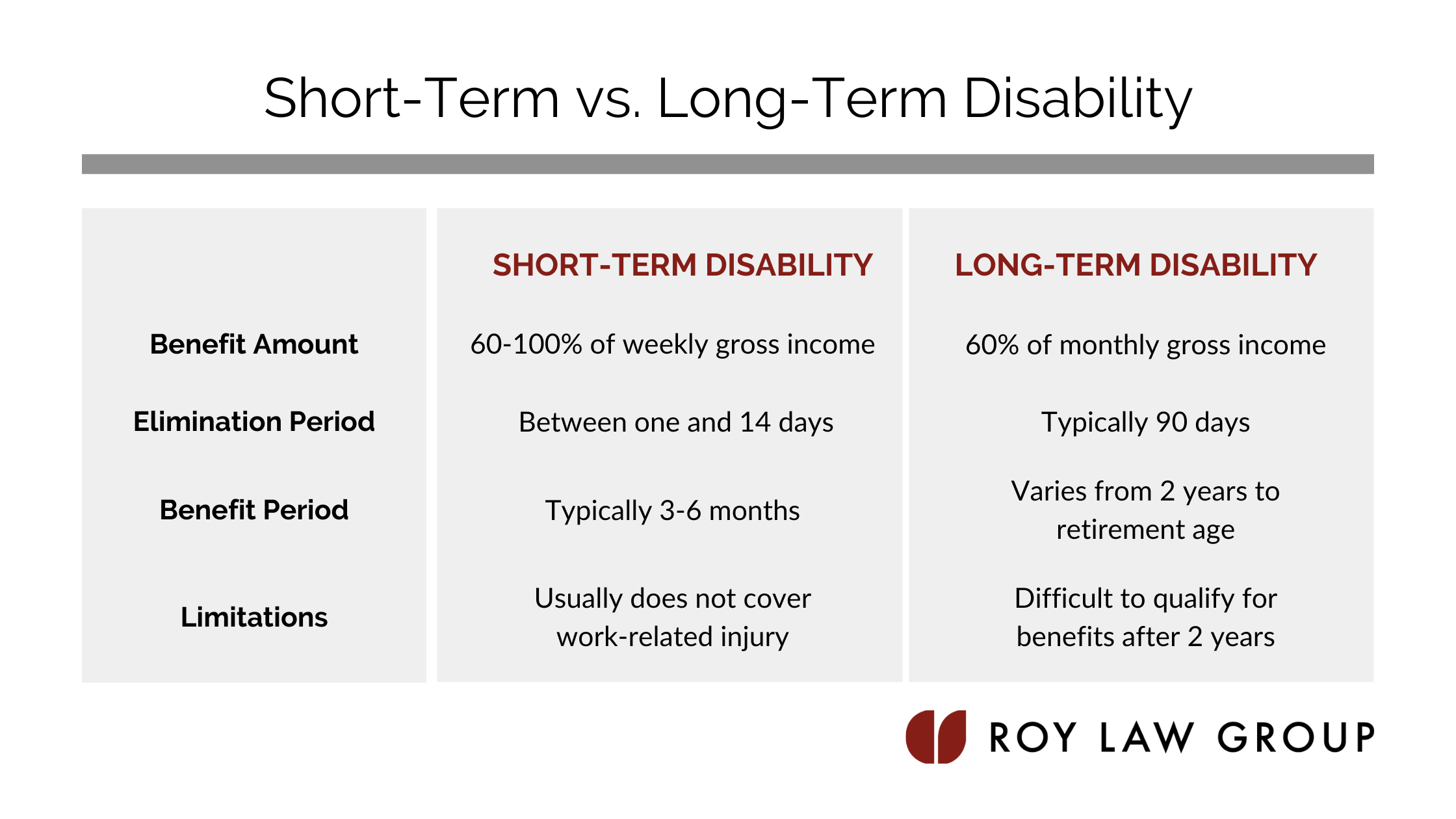
To understand what long-term disability means for you, it is essential to distinguish it from its short-term counterpart. Short-term disability (STD) usually covers the first few weeks or months of an illness or injury, often with a "waiting period" of zero to 14 days and a maximum benefit duration of six months.
Long-term disability insurance, however, is built for the long haul. Most LTD policies begin only after a significant "elimination period," which is the time you must be disabled before benefits start. This period is commonly 90 or 180 days. Once the benefits kick in, they can last for two years, five years, ten years, or even until you reach the Social Security Normal Retirement Age (SSNRA), which for most workers today is 67.
The "meaning" of this insurance for you is stability. While STD helps you through a recovery from a minor surgery or a brief illness, LTD is what prevents home foreclosure or the liquidation of retirement accounts in the event of a permanent or multi-year life change.
The Critical Distinction: Own-Occupation vs. Any-Occupation
The most important technical detail in any long-term disability policy is the "definition of disability." This definition dictates exactly what must happen to your health before the insurance company is required to pay you.
Own-Occupation Coverage
This is the gold standard of LTD insurance. If you have an "Own-Occupation" policy, you are considered disabled if you cannot perform the specific duties of the job you held at the time of the disability. For example, if a specialized surgeon develops a hand tremor, they may be unable to perform surgery but could still teach medical school. Under an Own-Occupation policy, they would still receive their full disability benefits because they cannot perform their specific "own occupation."
Any-Occupation Coverage
This definition is much stricter and generally less expensive. Under "Any-Occupation," the insurer will only pay benefits if you are unable to perform any job for which you are reasonably suited by education, training, or experience. Using the previous example, the surgeon with the hand tremor might be denied benefits because the insurer argues they could work as a consultant or a teacher, even if those roles pay significantly less than surgery.
Many employer-sponsored (group) plans use a "hybrid" model. They may provide Own-Occupation coverage for the first 24 months of a claim and then switch to an Any-Occupation definition for the remainder of the benefit period. Understanding this transition is vital for your long-term planning.
How the Elimination Period and Benefit Duration Affect You
When selecting or reviewing a policy in 2026, you must balance the elimination period against your emergency savings. If you have a 90-day elimination period, you must have enough liquid cash to cover three months of mortgage payments, utilities, and food before the first insurance check arrives.
The benefit duration is equally consequential. While a five-year benefit period might seem like a long time, it is insufficient if you suffer a permanent disability at age 40. For the majority of professionals, a policy that pays until age 65 or 67 provides the most comprehensive protection. This ensures that the gap between your working years and your retirement years is fully bridged.
Tax Implications: Pre-Tax vs. Post-Tax Premiums
The "meaning" of your disability benefit changes significantly based on how the premiums are paid. This is a common area of confusion that can lead to a 30% reduction in expected income if not understood.
- Employer-Paid (Pre-Tax): If your employer pays your LTD premiums as a tax-deductible business expense, or if you pay them via payroll deduction using pre-tax dollars, the benefits you receive later will be considered taxable income by the IRS. If your policy replaces 60% of your income, you might only see 40-45% after taxes.
- Individual-Paid (Post-Tax): If you pay the premiums yourself using post-tax dollars (income that has already been taxed), the benefits you receive are generally tax-free. In this scenario, a 60% benefit feels much closer to your previous take-home pay.
Comparing Long-Term Disability Options
The following table compares the three primary ways individuals access long-term disability protection.
| Feature | Group (Employer) LTD | Individual Private LTD | Social Security (SSDI) |
|---|---|---|---|
| Cost | Often free or very low cost | Higher premiums (1-3% of salary) | Paid through FICA taxes |
| Portability | Usually ends when you leave the job | Stays with you regardless of employer | Stays with you |
| Definition | Usually transitions to "Any-Occ" | Often "Own-Occ" | Extremely strict "Any-Occ" |
| Taxation | Benefits are usually taxable | Benefits are usually tax-free | May be taxable based on total income |
| Benefit Amount | Capped (e.g., $5,000/month) | Customizable based on income | Low (based on lifetime earnings) |
The Role of Riders: Customizing Your Protection
A "meaningful" policy is one that adapts to your life over time. Insurance companies offer "riders"—optional add-ons—that can enhance your coverage.
- Cost of Living Adjustment (COLA): This rider increases your monthly benefit every year you are on claim to keep pace with inflation. In a 2026 economic environment, where inflation can erode purchasing power, a COLA rider is highly recommended.
- Future Increase Option (FIO): This allows you to increase your coverage amount as your salary grows without having to undergo a new medical exam. This is essential for young professionals whose income is expected to rise significantly.
- Residual/Partial Disability: This ensures you receive a portion of your benefit if you can still work part-time but have lost a significant percentage of your income due to your condition.
- Student Loan Rider: Some modern policies include a specific provision to pay off or cover student loan installments while you are disabled, preventing default during a health crisis.
Common Exclusions and Limitations
Long-term disability insurance does not cover every possible scenario. Most policies include specific exclusions for disabilities resulting from:
- Self-inflicted injuries.
- Injuries sustained while committing a felony.
- Active participation in a riot or war.
- Pre-existing conditions (usually defined as a condition treated within 3-12 months before the policy began).
Furthermore, many policies place a 24-month limit on benefits for "mental and nervous" disorders or substance abuse issues. If you are seeking coverage specifically for mental health protection, you must verify if your policy includes a mental health limitation or if you can buy a rider to extend that coverage.
Frequently Asked Questions
Does long-term disability cover pregnancy?
Standard long-term disability insurance typically does not cover normal pregnancy or childbirth, as these are usually handled by short-term disability. However, LTD may kick in if there are severe complications that prevent you from working for longer than the elimination period (e.g., 90+ days), such as extreme postpartum depression or physical complications requiring extended bed rest.
How much does long-term disability insurance cost in 2026?
Generally, you should expect to pay between 1% and 3% of your annual gross income for a high-quality, individual long-term disability policy. Factors influencing the cost include your age, health status, tobacco use, and the "riskiness" of your occupation. A software engineer will likely pay less than a commercial roofer for the same amount of coverage.
Can I have both group and individual LTD policies?
Yes, and many financial advisors recommend this strategy. An individual policy can "wrap around" a group policy. Since group policies often have monthly caps (e.g., they won't pay more than $5,000/month), high-income earners often use a private policy to cover the remaining gap in their income needs.
Is Social Security Disability Insurance (SSDI) enough?
For most people, SSDI is an insufficient safety net. The Social Security Administration uses a very strict definition of disability, requiring that you be unable to do any work and that your condition is expected to last at least a year or result in death. Furthermore, the average monthly payment from SSDI is often near the poverty line, which is rarely enough to maintain a middle-class lifestyle.
What happens to my LTD if I change jobs?
If you have a group policy through your employer, the coverage typically ends on your last day of employment. If you have a private individual policy, it is "portable," meaning it stays with you regardless of where you work, as long as you continue to pay the premiums.
Final Recommendation: Securing Your Income
What the meaning of long-term disability insurance means for you is essentially income security. To ensure you are protected, your next step should be to request a "Summary Plan Description" (SPD) from your HR department if you are employed, or to contact an independent insurance broker if you are self-employed.
Compare the "Definition of Disability" in your current coverage against your actual job duties. If you find that your coverage is "Any-Occupation" or has a low monthly cap, consider supplementing it with a private, non-cancelable Own-Occupation policy. In the landscape of 2026, where the cost of living remains a primary concern, ensuring your most valuable asset—your earning potential—is fully insured is the most prudent financial move you can make.
Image Gallery