How Many People Have Gone to Space? Total Count and Historical Statistics
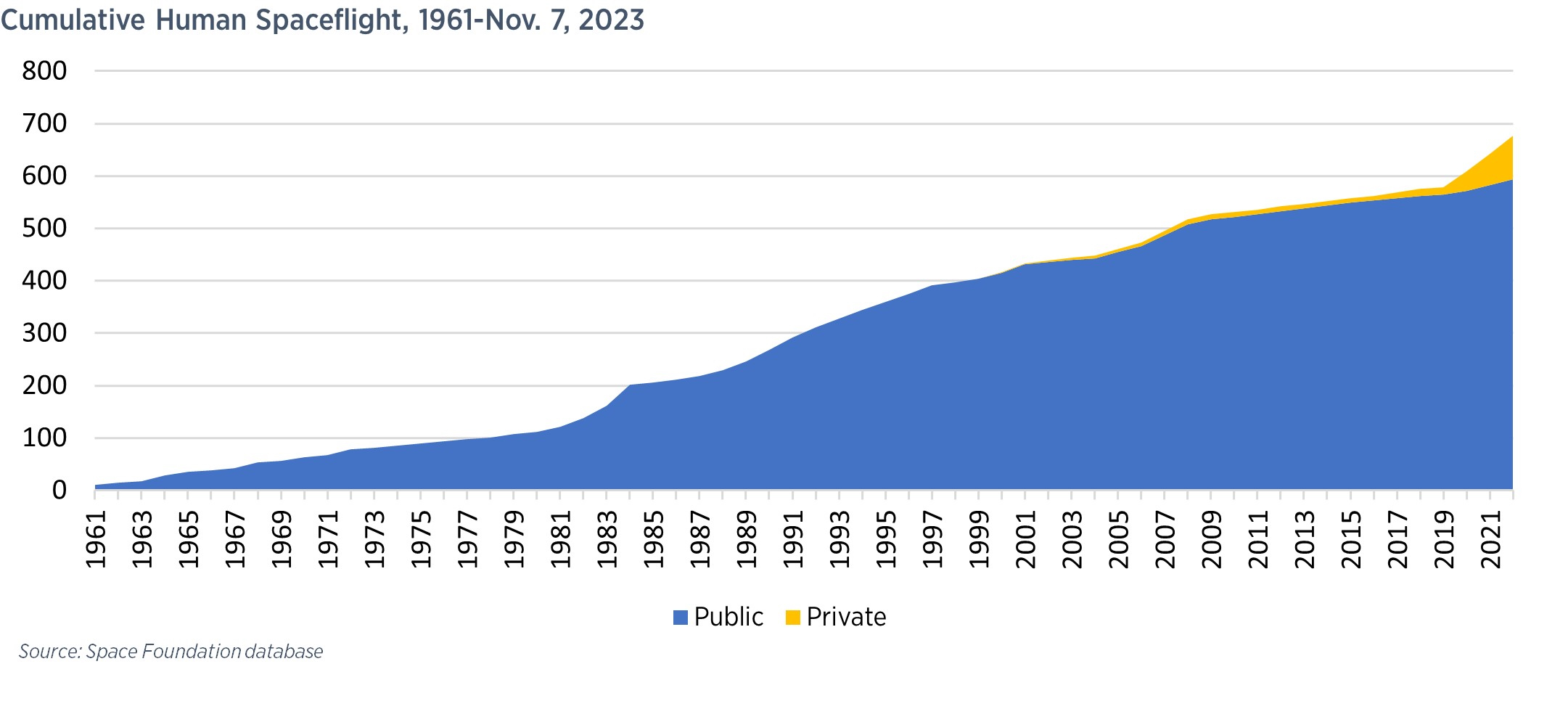
As of early 2026, approximately 742 individuals have reached the internationally recognized boundary of space, known as the Kármán line (100 kilometers). This total includes government astronauts, commercial researchers, and private ci...
As of early 2026, approximately 742 individuals have reached the internationally recognized boundary of space, known as the Kármán line (100 kilometers). This total includes government astronauts, commercial researchers, and private citizens. The count increases to over 800 if utilizing the United States' lower 50-mile (80-kilometer) altitude threshold for spaceflight.
Contents
Defining the Boundary: Where Does Space Begin?
To answer how many people have gone to space, one must first establish where the atmosphere ends and the cosmos begins. This is not a matter of settled physics but rather a combination of aeronautical tradition and regulatory standards. There are two primary definitions used by various agencies and international bodies.
The Kármán line, positioned at 100 kilometers (approximately 62 miles) above mean sea level, is the definition favored by the Fédération Aéronautique Internationale (FAI), the world governing body for air sports and astronautic records. The line is named after Theodore von Kármán, a Hungarian-American engineer who calculated that at this altitude, the atmosphere becomes too thin to support aeronautical flight, requiring a vehicle to travel at orbital velocity to derive lift. For most of the world, crossing this line is the requirement to be counted as a "space traveler."
Conversely, the United States—specifically NASA, the Federal Aviation Administration (FAA), and the Department of Defense—recognizes 80 kilometers (50 miles) as the edge of space. This discrepancy stems from early research into high-altitude flight and the transition from aerodynamic control surfaces to reaction control systems. Because of this lower threshold, many pilots from the X-15 program and passengers on Virgin Galactic flights are officially recognized as astronauts by the U.S. government, even if they do not meet the 100-kilometer FAI criteria.
The Evolution of Human Spaceflight Eras
The total number of humans in space has grown through distinct historical phases, each characterized by different technologies, geopolitical motivations, and levels of accessibility.
The Pioneer and Cold War Era (1961–1975)
This era began on April 12, 1961, when Yuri Gagarin became the first human to orbit the Earth aboard Vostok 1. Shortly after, Alan Shepard became the first American in space, though his flight was suborbital. The count during this period was low, restricted to highly trained military test pilots. The Apollo program significantly increased the numbers, sending 24 men to the vicinity of the Moon, 12 of whom walked on its surface. By the mid-1970s, fewer than 100 people had been to space.
The Space Shuttle and Mir Era (1981–2011)
The introduction of the reusable Space Shuttle by NASA transformed the statistics. Unlike the small capsules of the 1960s, the Shuttle could carry up to eight people at a time. This era saw a diversification of the astronaut corps, including the first female astronauts from the U.S., scientists, and international mission specialists. Parallel to this, the Soviet (later Russian) station Mir provided a continuous presence in orbit, contributing to a steady rise in the total count. By the end of the Shuttle program in 2011, the number of space travelers had surpassed 500.
The International Space Station and Commercial Era (2011–2026)
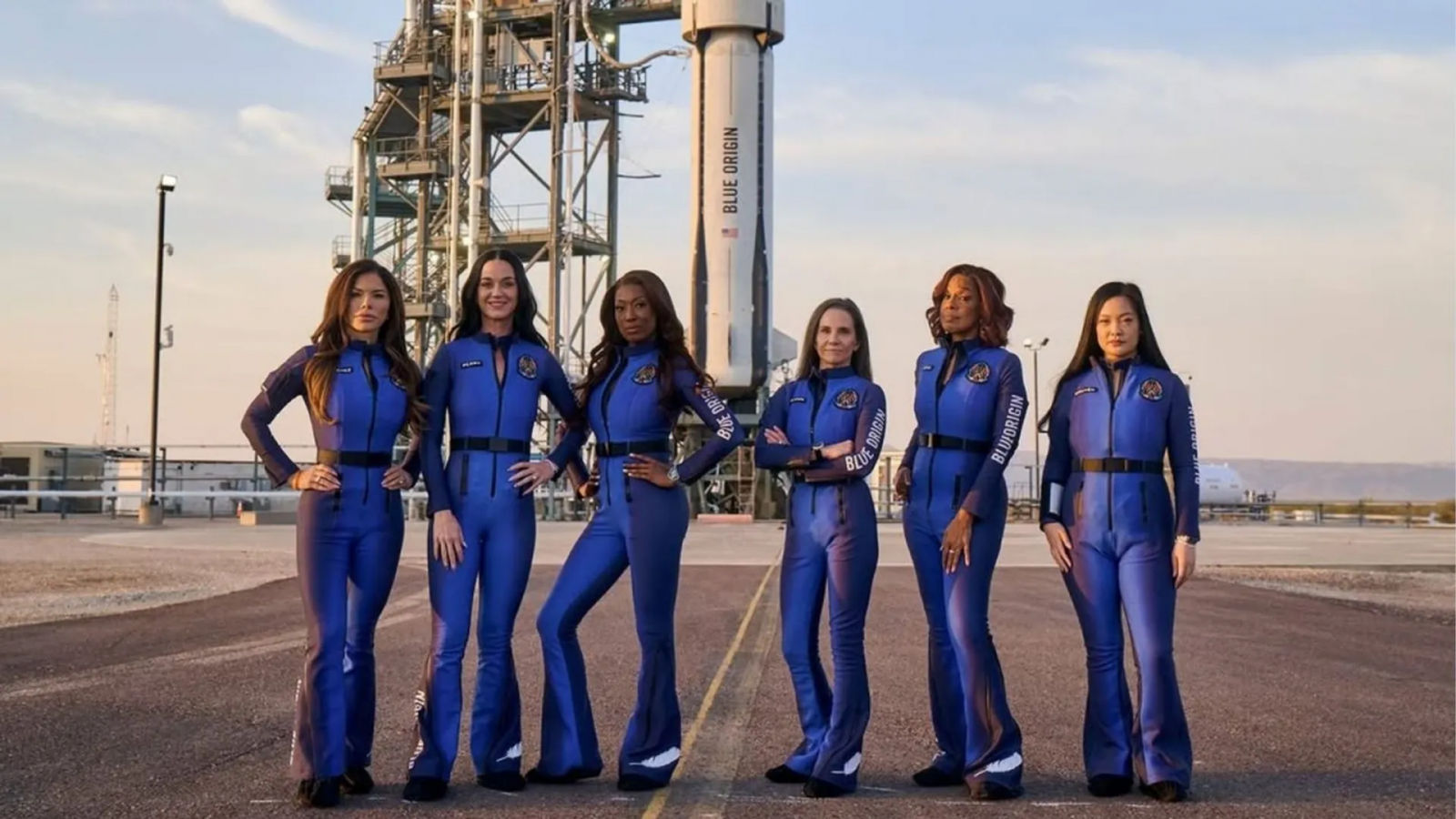
Since the retirement of the Shuttle, the International Space Station (ISS) has been the primary destination for orbital flight. However, the last five years have seen an unprecedented spike in the count due to the rise of Commercial Crew and Space Tourism. Companies like SpaceX, Blue Origin, and Virgin Galactic have moved spaceflight from a purely government-funded endeavor to a commercial market. Missions like Polaris Dawn and the Axiom (Ax) series have allowed private citizens and sovereign astronauts from nations without independent launch capabilities to reach orbit.
Statistical Breakdown of Space Travelers
Understanding the composition of the people who have gone to space requires looking at demographics, mission types, and duration.
| Category | Approximate Count (as of 2026) | Key Notes |
|---|---|---|
| Total (Kármán Line - 100km) | 742 | Internationally recognized total. |
| Total (US Definition - 80km) | 815 | Includes suborbital pilots and tourists. |
| Women in Space | 98 | Represents roughly 13% of all travelers. |
| Lunar Travelers | 24 | All occurred during the Apollo program (1968-1972). |
| Space Tourists/Private Citizens | 115 | Rapidly growing segment via Blue Origin and SpaceX. |
| Nationalities Represented | 42 | Includes guest cosmonauts and commercial passengers. |
Gender and Diversity
For decades, the population of space travelers was overwhelmingly male. It was not until Valentina Tereshkova in 1963 and later Sally Ride in 1983 that the demographic began to shift. In the current 2026 landscape, the Artemis program and commercial missions have placed a higher priority on diversity. The number of women who have flown in space is approaching 100, a milestone that reflects broader changes in the selection processes of NASA, ESA, and the private sector.
Suborbital vs. Orbital Flights
It is vital to distinguish between those who go "to" space and those who "stay" in space.
- Suborbital flyers: These individuals (mostly on Blue Origin’s New Shepard or Virgin Galactic’s SpaceShipTwo) cross the boundary of space but do not achieve the speed necessary to orbit the Earth. They experience several minutes of weightlessness before returning.
- Orbital flyers: These astronauts (on the ISS, Tiangong, or SpaceX Crew Dragon) travel at approximately 17,500 mph (28,000 km/h). This allow them to stay in space for days, months, or even a year. The majority of historical "astronauts" are orbital flyers.
The Role of Private Enterprise in Current Numbers
In the 2020s, the "gatekeeper" model of space exploration has dissolved. Previously, one had to be a government employee with years of military or scientific training. Today, there are three primary paths for private individuals to be counted in the total:
- Space Tourism: Individuals paying for suborbital hops. While these flights are short, they contribute significantly to the total number of people who have technically "gone to space."
- Private Orbital Missions: Missions like Axiom Space flights to the ISS or the Inspiration4 mission. These involve full orbital training and multi-day stays in space.
- Commercial Research: Corporations and research institutions now send their own employees to perform experiments in microgravity, bypassing traditional space agency selection.
This shift is why the number of people in space has grown more in the last six years than in the previous twenty. The frequency of launches from SpaceX and the increasing cadence of the Chinese Space Agency (CNSA) have created a "conveyor belt" of human spaceflight.
Notable Milestones and Records
As the number of travelers grows, the records they set provide context for the depth of human experience beyond Earth.
- Longest Single Stay: Valery Polyakov held the record for decades (437 days), but recent missions by NASA and Roscosmos have seen multiple astronauts approaching the one-year mark to study the effects of long-term radiation.
- Most Spaceflights: Several astronauts, including Jerry Ross and Franklin Chang-Díaz, have flown seven times. In the commercial era, this record is likely to be challenged by professional "private" astronauts who fly repeatedly on commercial transport.
- Total Man-Hours: The cumulative time humans have spent in space now exceeds 100,000 person-days. This vast dataset is what makes future missions to Mars scientifically feasible.
Frequently Asked Questions
Who was the first person in space?
Yuri Gagarin, a Soviet cosmonaut, was the first human to reach space. On April 12, 1961, his Vostok 1 capsule completed one orbit of the Earth. The flight lasted 108 minutes and reached an altitude of 327 kilometers.
How many people are in space right now?
The number varies daily but typically ranges between 7 and 14. This usually includes the crew of the International Space Station (ISS) and the crew of the Chinese Tiangong Space Station. During "handover" periods when one crew arrives before another departs, or during private missions, this number can spike to 19 or more.
How many people have walked on the moon?
Exactly 12 people have walked on the lunar surface. All were part of the NASA Apollo missions between 1969 and 1972. No human has returned to the lunar surface since Apollo 17, though the Artemis program aims to increase this number by the end of the 2020s.
What is the difference between an astronaut, a cosmonaut, and a taikonaut?
These terms essentially describe the same role but reflect the country that trained the traveler. "Astronaut" is used by the US and its partners; "Cosmonaut" is used by Russia; and "Taikonaut" is the term often used in English to describe Chinese space travelers.
Can anyone go to space in 2026?
Technically, yes, though "access" remains limited by cost or physical health. Private companies offer suborbital flights for prices ranging from $450,000 to $1 million, while orbital seats can cost upwards of $50 million. All passengers must pass a medical screening to ensure they can handle the G-forces of launch and reentry.
Future Outlook: Predicting the 1,000th Traveler
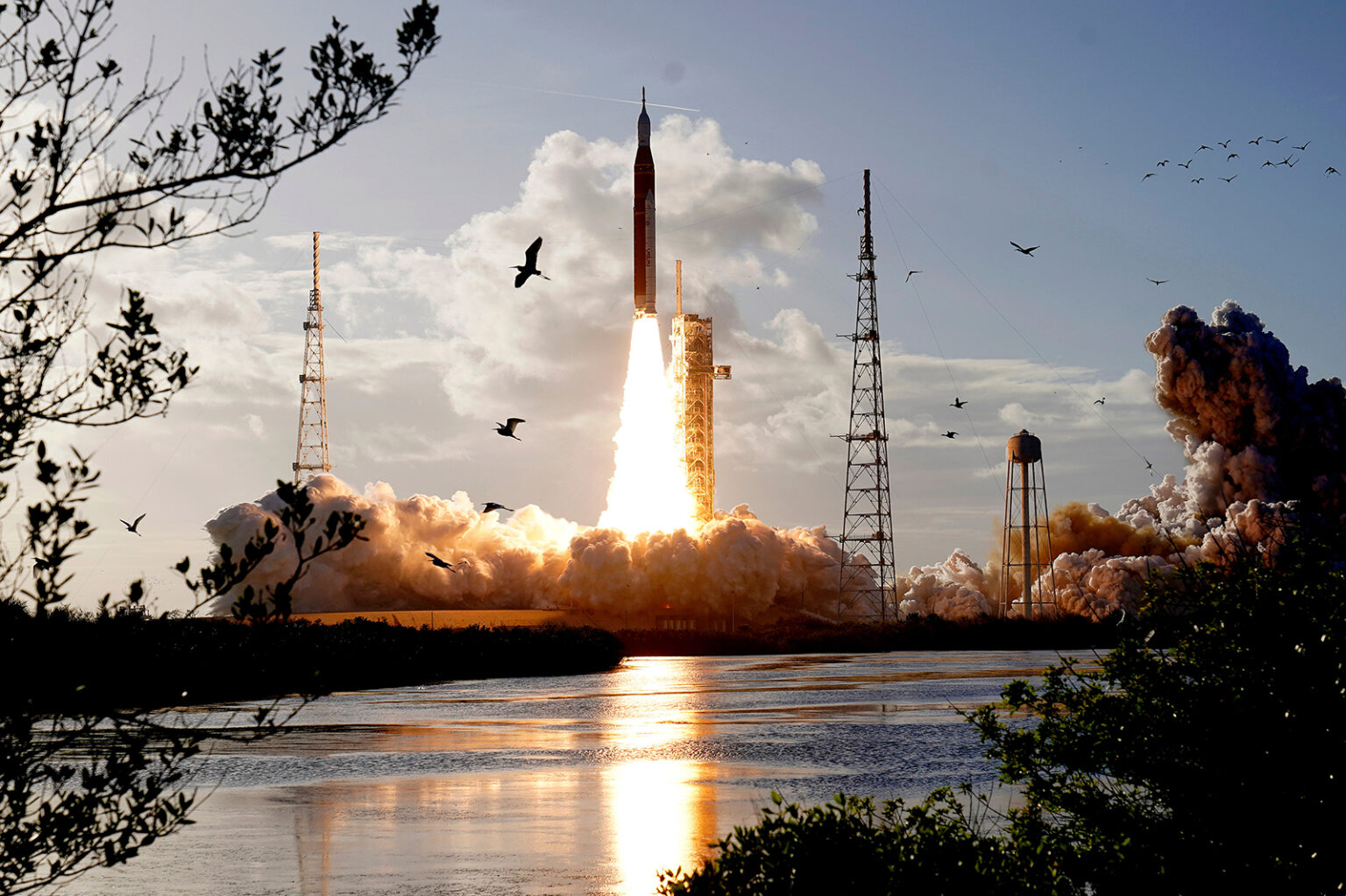
Given the current trajectory of commercial spaceflight and the expansion of the Chinese space program, the 1,000th person is expected to reach space before the end of the decade. The upcoming Artemis III mission, which intends to land humans on the Moon again, and the development of the SpaceX Starship as a high-capacity transport, suggest that the "total count" will soon transition from a list of names to a massive database of travelers.
For those interested in tracking these numbers in real-time, the Center for Astrophysics | Harvard & Smithsonian maintains "Jonathan’s Space Report," which provides the most rigorous technical verification of spaceflight statistics available.
Image Gallery