Commercial Auto Insurance Without Liability Coverage: Rules and Risks for 2026
Commercial auto insurance without liability coverage is generally illegal for vehicles operated on public roads, as nearly every jurisdiction requires minimum liability limits to protect the public. However, businesses can obtain "comp...
Commercial auto insurance without liability coverage is generally illegal for vehicles operated on public roads, as nearly every jurisdiction requires minimum liability limits to protect the public. However, businesses can obtain "comprehensive-only" or "storage" coverage for vehicles that are non-operational, protecting against theft or weather damage while the vehicle is parked off-road.
Contents
In the 2026 insurance market, the distinction between operational and non-operational status is the primary factor determining whether a business can legally carry a policy without liability components. For any vehicle registered for use on public highways, liability coverage—which includes bodily injury and property damage—is the foundational legal requirement. Attempting to circumvent this requirement not only leads to severe legal penalties but also exposes a business to catastrophic financial loss in the event of an accident.
The Legal Framework of Commercial Liability Requirements
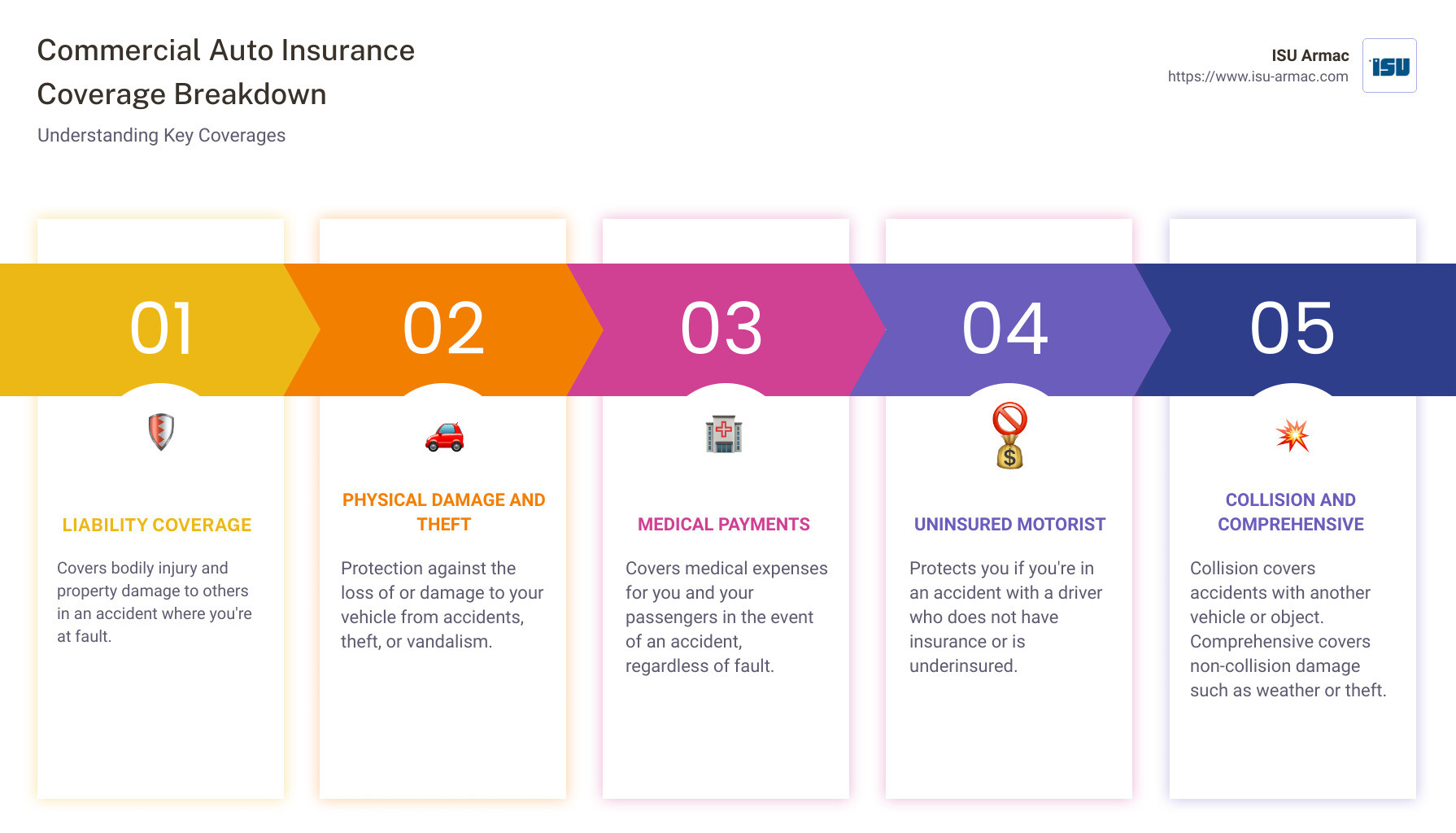
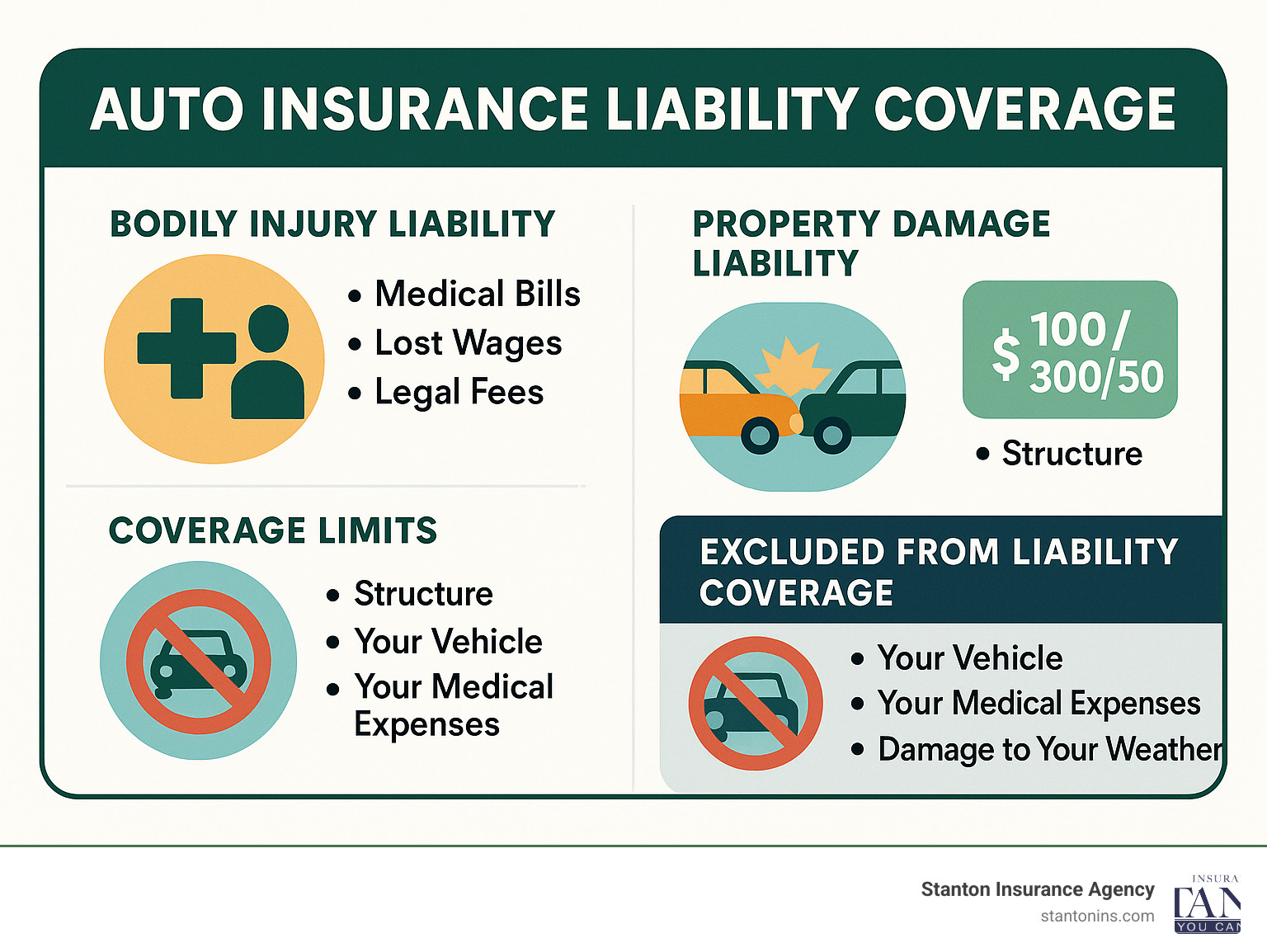
As of 2026, the financial responsibility laws in the United States and most other regions remain strict. Liability coverage is designed to pay for the damages your business vehicle causes to others. It is split into two primary components: Bodily Injury (BI), which covers medical expenses and lost wages for third parties, and Property Damage (PD), which covers repairs to other vehicles or structures.
Because the potential cost of a commercial accident often exceeds the liquid assets of a small to medium-sized enterprise, governments mandate this coverage to ensure that victims are compensated. If you are caught operating a commercial vehicle without these protections, you face the immediate suspension of vehicle registrations, heavy fines, and the potential permanent revocation of your commercial operating authority. Furthermore, the Federal Motor Carrier Safety Administration (FMCSA) maintains strict "interstate" requirements for any vehicle crossing state lines, often demanding significantly higher liability limits than state minimums.
Why Liability is Non-Negotiable for Active Fleets
For an active fleet, liability insurance is the "entry fee" for participating in the economy. In 2026, the average cost of a commercial litigation settlement has continued to rise, making "self-insuring" against liability nearly impossible for any entity without massive capital reserves. Most states require a formal filing (such as an SR-22 or an MCS-90 for motor carriers) to prove that the liability coverage is in place. If the insurance company cancels the liability portion of the policy, they are often legally required to notify the Department of Motor Vehicles (DMV) or the relevant regulatory body immediately, triggering an automatic suspension of the vehicle’s tags.
Comprehensive-Only Coverage: The "Storage" Exception
The only legitimate scenario where a business might carry commercial auto insurance without liability coverage is when a vehicle is taken out of service. This is commonly referred to as comprehensive-only coverage or a lay-up period endorsement.
This type of policy is designed for seasonal businesses—such as landscaping companies in the winter or snow removal companies in the summer—that park their specialized trucks for months at a time. By removing the liability, collision, and medical payments portions of the policy, the business owner only pays for protection against non-collision events.
What Comprehensive-Only Covers:
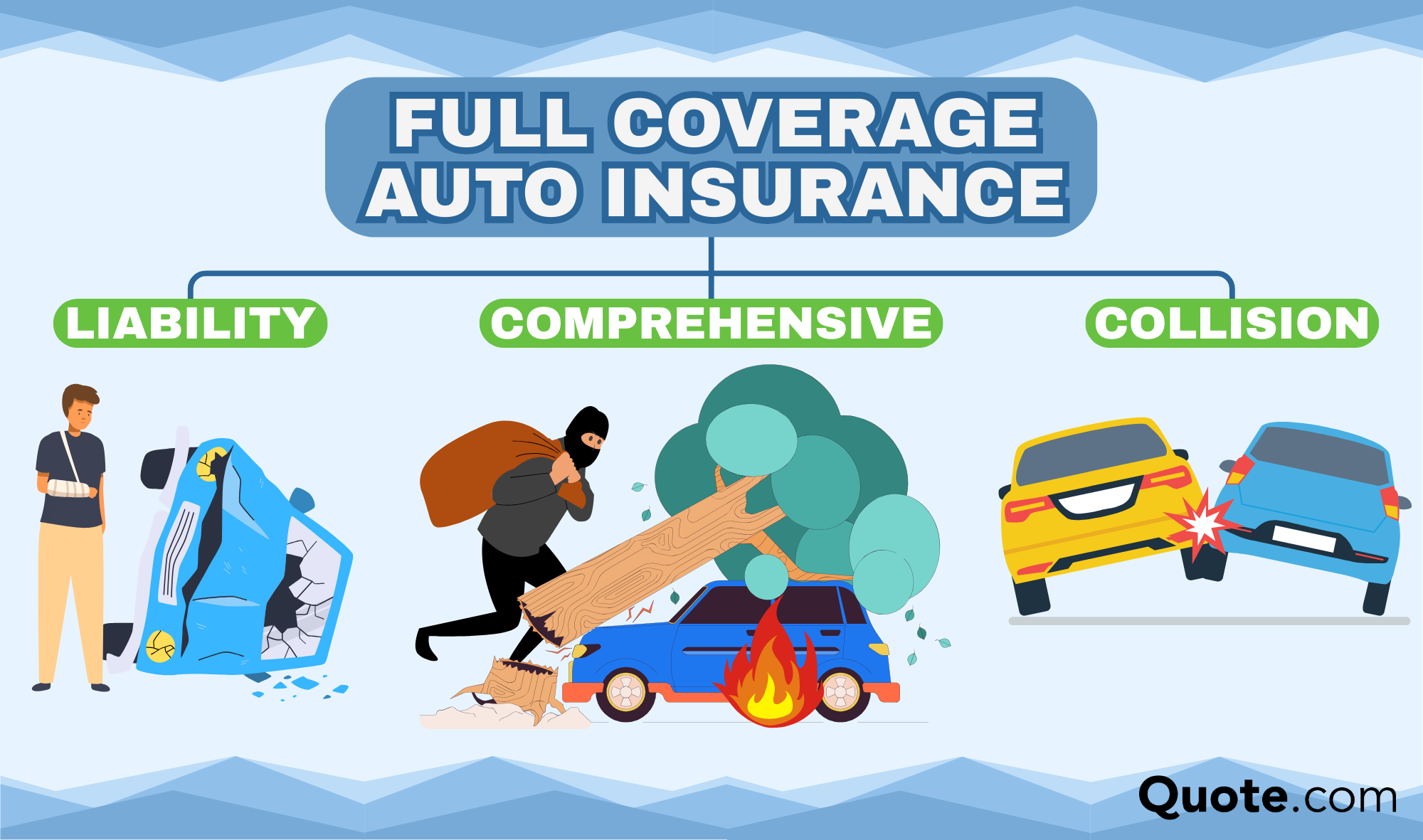
- Theft and Vandalism: Protection if the vehicle is stolen or defaced while in a storage lot.
- Weather Damage: Coverage for hail, windstorms, or falling branches.
- Fire: Protection if a garage fire or brush fire destroys the parked asset.
- Animal Damage: Coverage for rodent infestations that ruin wiring or other mechanical components.
When a vehicle is under comprehensive-only coverage, it cannot be driven under any circumstances, even for a short trip to the mechanic or a fuel station. To do so would be driving uninsured, and any accident occurring during that trip would be 100% the financial responsibility of the business owner.
The Danger of Coverage Gaps
One of the most significant risks of dropping liability coverage, even for a stored vehicle, is the creation of a "coverage gap." In the 2026 insurance landscape, underwriters look at a business’s insurance history to determine risk levels. A lapse in liability coverage—even a legal one—can result in significantly higher premiums when you attempt to re-activate the vehicle.
Insurance companies view continuous coverage as a sign of stability. When you stop your liability coverage, you lose your "loyalty" or "continuous coverage" discounts. Some insurers may even refuse to provide a quote if there has been a gap of more than 30 days without an active liability policy. Therefore, businesses must weigh the monthly savings of dropping liability against the long-term cost of a premium spike when the vehicle returns to the road.
Comparing Commercial Auto Coverage Tiers
To understand where "no liability" fits into the broader spectrum of business protection, it is helpful to compare the different levels of coverage available in 2026.
| Coverage Type | Includes Liability? | Road Legal? | Primary Protection Purpose | Cost Level |
|---|---|---|---|---|
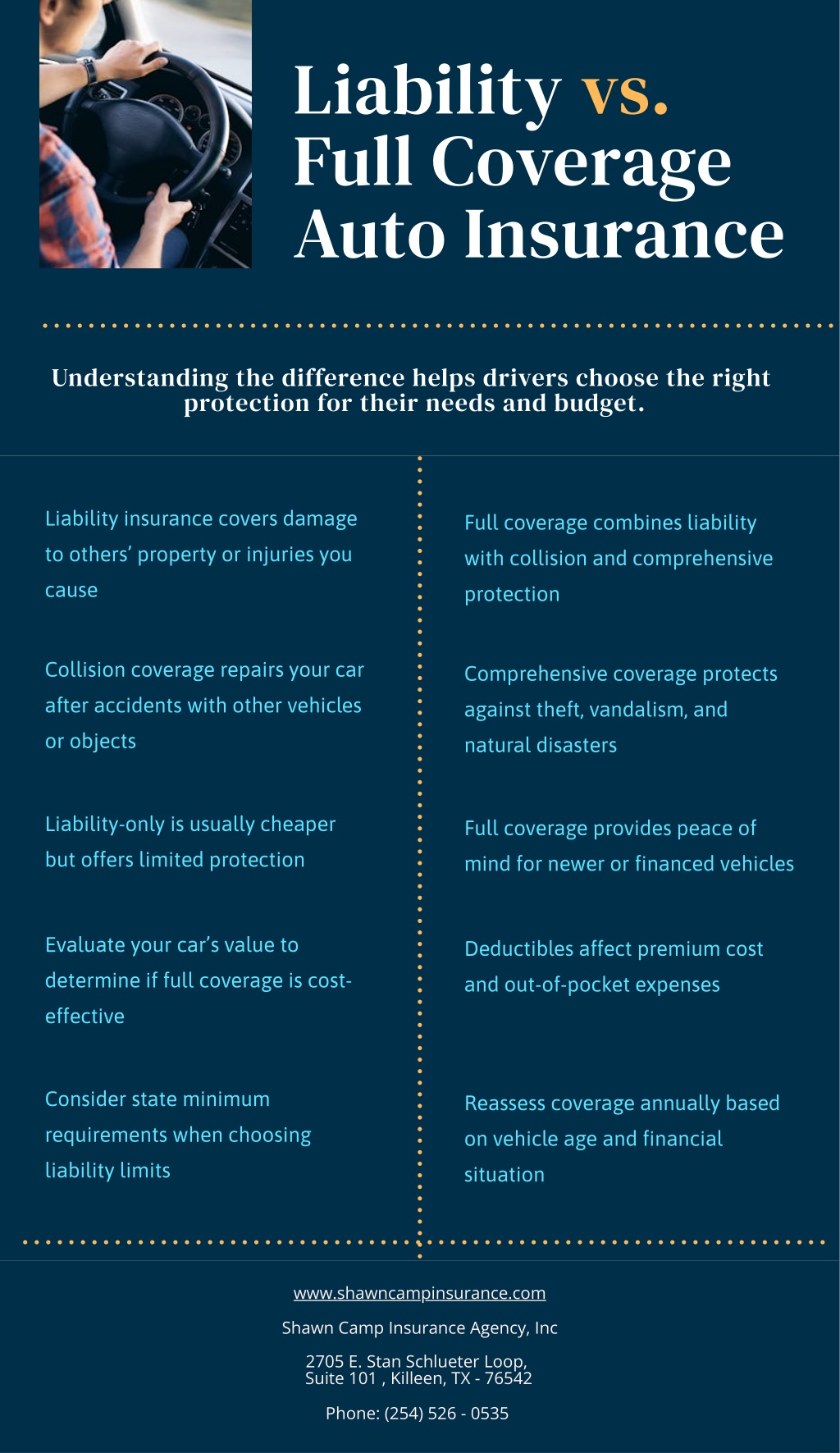
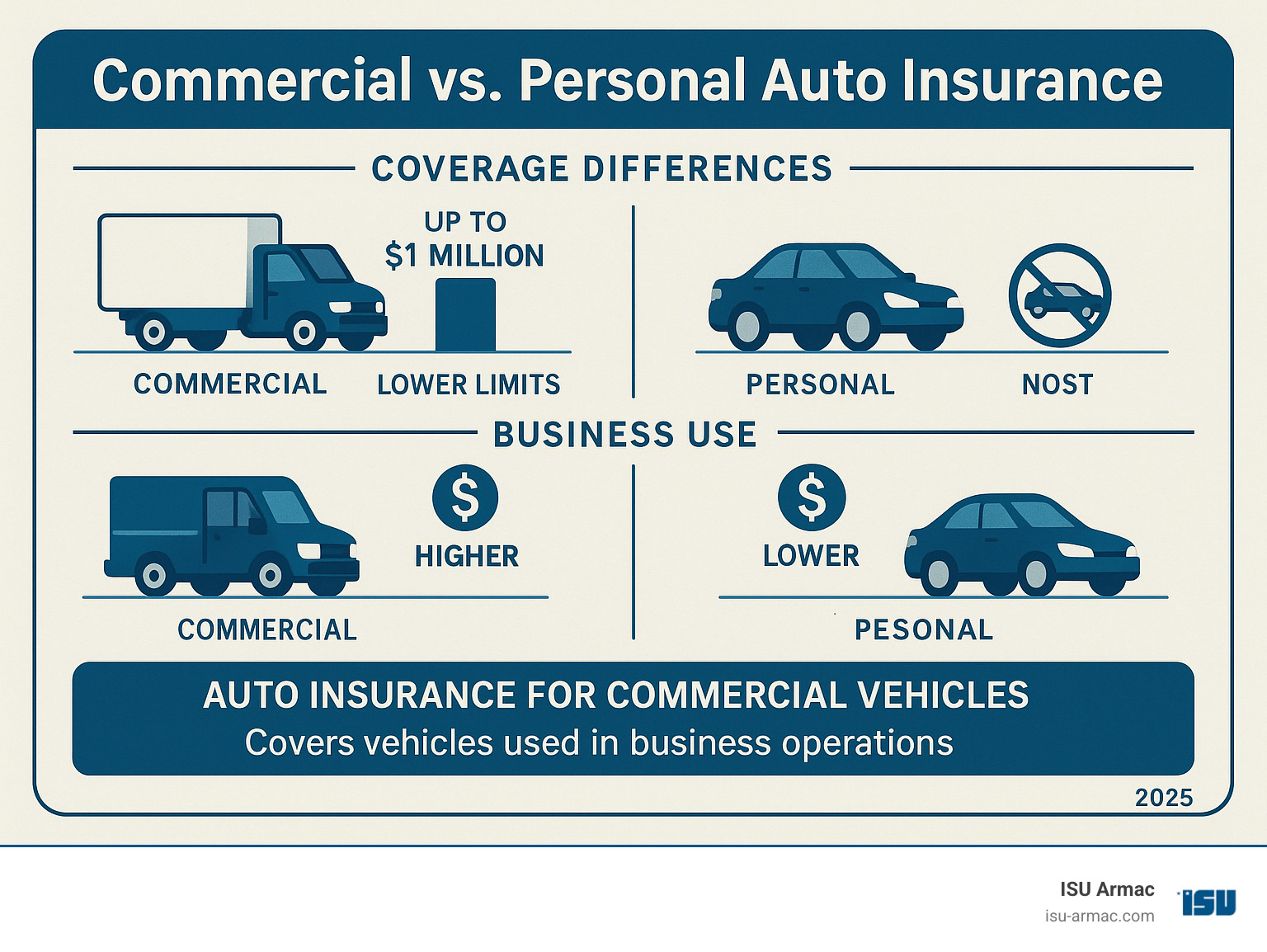
| Full Coverage | Yes | Yes | Total protection (Liability + Collision + Comp) | High |
| Liability Only | Yes | Yes | Third-party damages only (Legal minimum) | Moderate |
| Comprehensive Only | No | No | Theft, fire, and weather for stored vehicles | Low |
| Hired/Non-Owned | Yes | Yes | Liability for employees using personal cars | Moderate |
Alternatives to Dropping Liability Entirely
If the goal is to reduce costs without the legal risks of dropping liability, businesses have several strategic options in 2026. Instead of seeking a "no liability" policy, consider these alternatives:
1. Seasonal Policies
Some specialized insurers offer policies that automatically transition between full coverage and storage coverage based on the calendar. This ensures you are never "uninsured" in the eyes of the law, but you aren't paying for road risks during the months the fleet is idle.
2. Increasing Deductibles
Rather than removing liability, you can increase your deductibles on collision and comprehensive coverage. While this doesn't remove the liability mandate, it significantly lowers the monthly premium while keeping the vehicle road-legal for occasional use.
3. Usage-Based Insurance (UBI)
By 2026, telematics and UBI have become the standard for commercial fleets. These policies track actual mileage. If a vehicle sits idle for three weeks, the premium for that period drops automatically because the "risk hours" are lower. This provides the cost-saving benefits of a storage policy without the hassle of changing your coverage limits with an agent.
4. Suspending vs. Canceling
If you must take a vehicle off the road, ask your agent about suspending the liability portion rather than canceling the policy. Suspending often maintains the "continuous coverage" status in the insurer's database, protecting your future rates while providing immediate relief from high premiums.
Common Pitfalls and Troubleshooting
Many business owners mistakenly believe that if they own a vehicle outright (no lienholder), they can choose any coverage they want. While it is true that a bank requires collision and comprehensive, it is the state that requires liability. Even a vehicle you own "free and clear" must have liability insurance if it has a valid license plate.
Steps to safely transition to comprehensive-only coverage:
- Verify Local Laws: Contact your DMV to see if you must surrender your license plates before dropping liability.
- Notify the Insurer: Ensure the change is documented as a "storage" or "lay-up" period.
- Physical Security: Store the vehicle in a locked, fenced, or monitored area, as "comprehensive-only" claims may be scrutinized if the vehicle was left in a high-risk public area.
- Log the Odometer: Record the mileage at the start of the storage period to prove the vehicle was not being driven if a claim or dispute arises.
FAQ
Can I buy a commercial vehicle and drive it home without liability insurance?
No. You must have a binder or an active policy including at least the state-minimum liability coverage before driving any vehicle on public roads. Even a "delivery trip" requires liability protection.
Does "Comprehensive-Only" cover my tools inside the truck?
Generally, no. Comprehensive auto insurance covers the vehicle itself. To protect tools, equipment, or cargo inside the vehicle while it is stored, you typically need an Inland Marine policy or a specific property endorsement.
What happens if an employee drives a truck that is on "Storage Only" coverage?
If an accident occurs, the insurance company will deny the claim because the policy specifically excludes road use. The business would be liable for all damages, and the driver could face criminal charges for operating an uninsured vehicle.
Is liability required for vehicles only used on private property?
If a vehicle never touches a public road (such as a farm truck or a warehouse yard-mule), you may not be legally required by the state to carry liability insurance. However, general business liability insurance is still highly recommended to cover accidents that could occur on your premises.
Can I get liability-only insurance without comprehensive or collision?
Yes. This is the "minimum" legal requirement to drive. It is much more common than the reverse. It protects others from your actions but provides zero financial help to repair or replace your own vehicle if it is damaged or stolen.
Final Recommendation for 2026
For business owners in 2026, the only safe and legal way to hold commercial auto insurance without liability coverage is through a formal comprehensive-only storage policy for non-operational vehicles. If your vehicle is intended for any road use—even occasionally—maintaining liability coverage is a mandatory legal and financial safeguard. Before making any changes, consult with a licensed commercial insurance agent to ensure that your "storage" status doesn't inadvertently trigger a registration suspension or a permanent increase in your insurance premiums due to a coverage lapse.
Image Gallery