How to Perform Dumbbell Lateral Raises Safely: A Technical Guide to Shoulder Health
To perform dumbbell lateral raises safely, stand with feet shoulder-width apart, holding weights at your sides with a neutral grip. Lean slightly forward and lift the dumbbells out to your sides within the scapular plane (30 degrees fo...
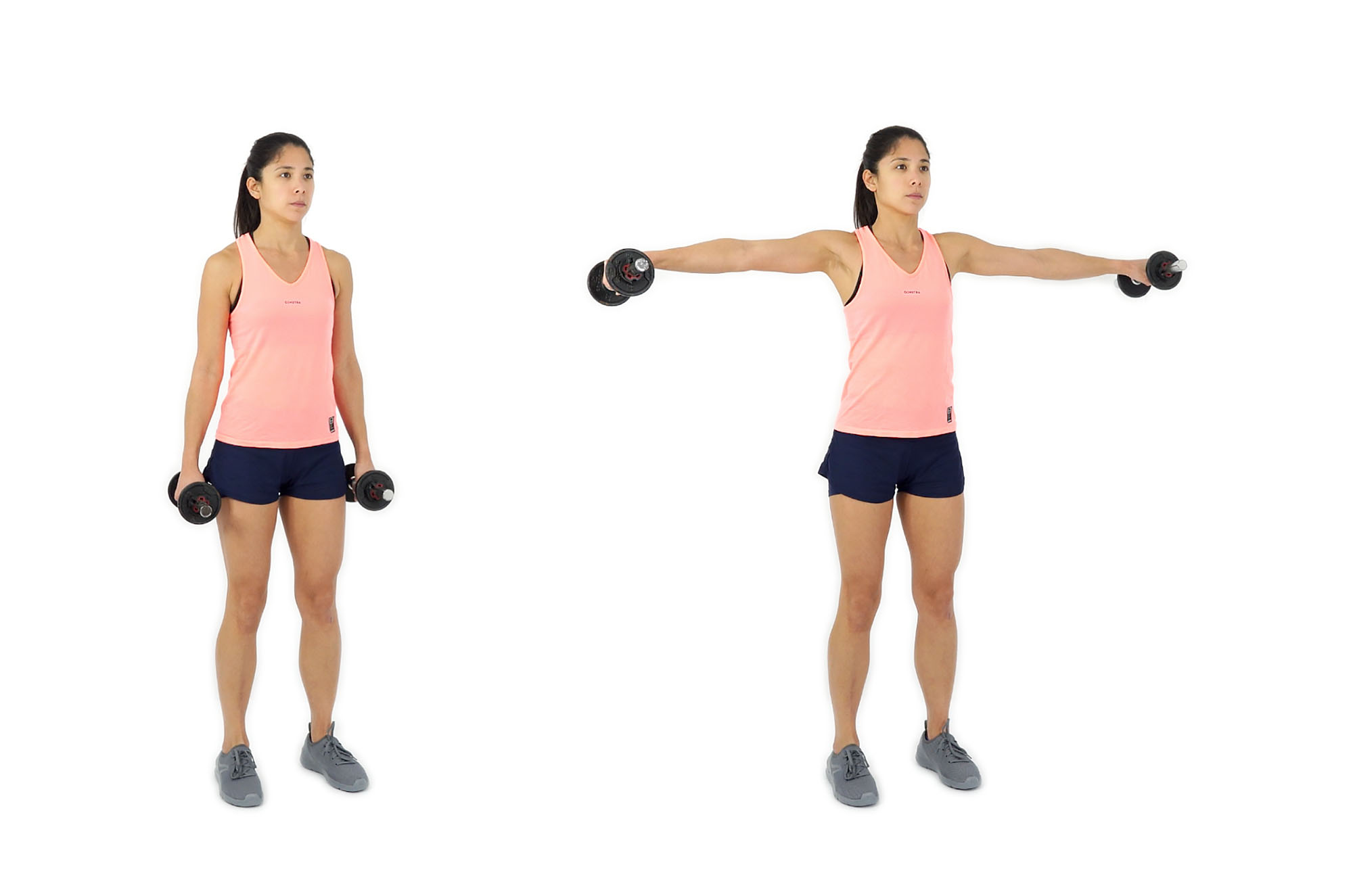
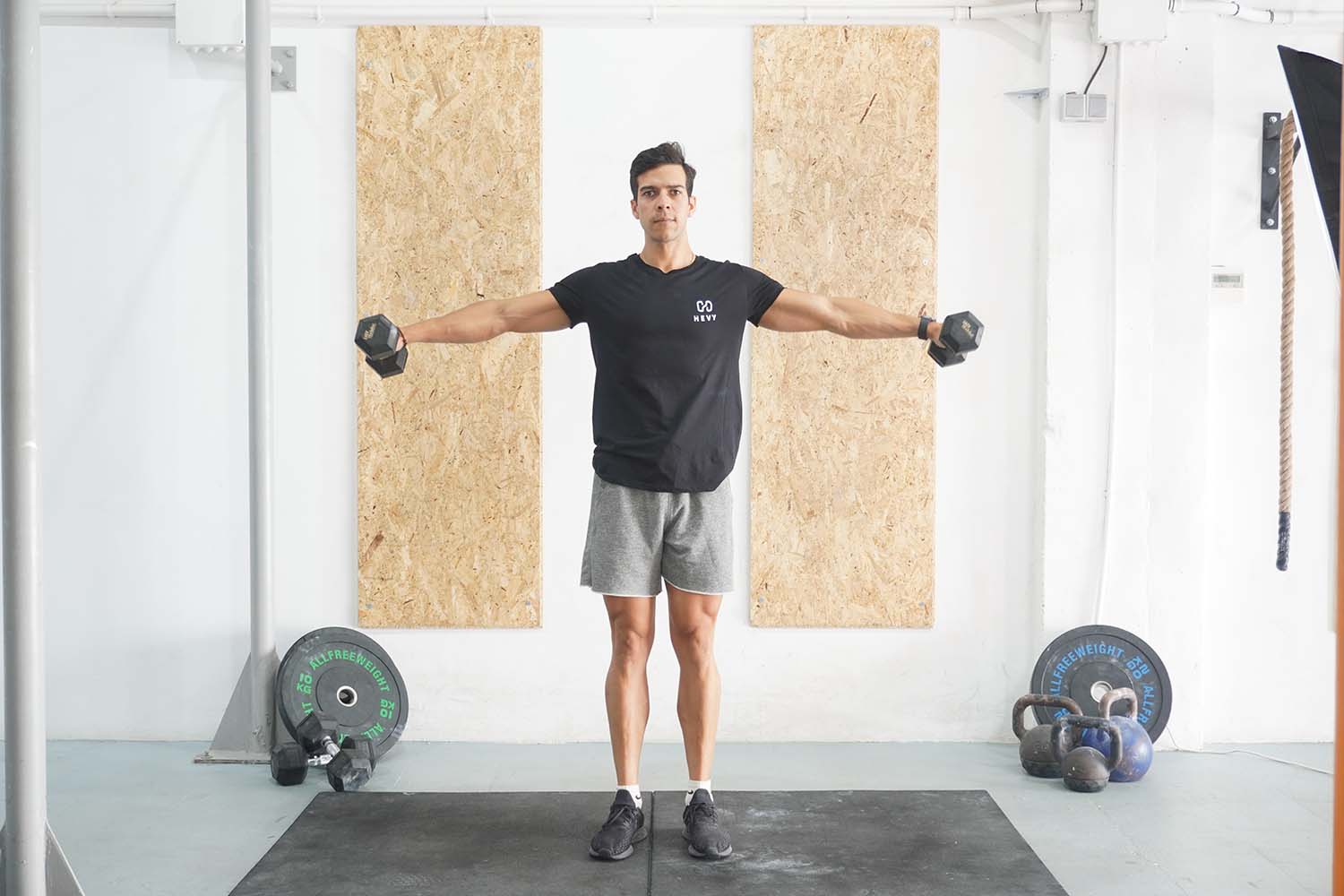
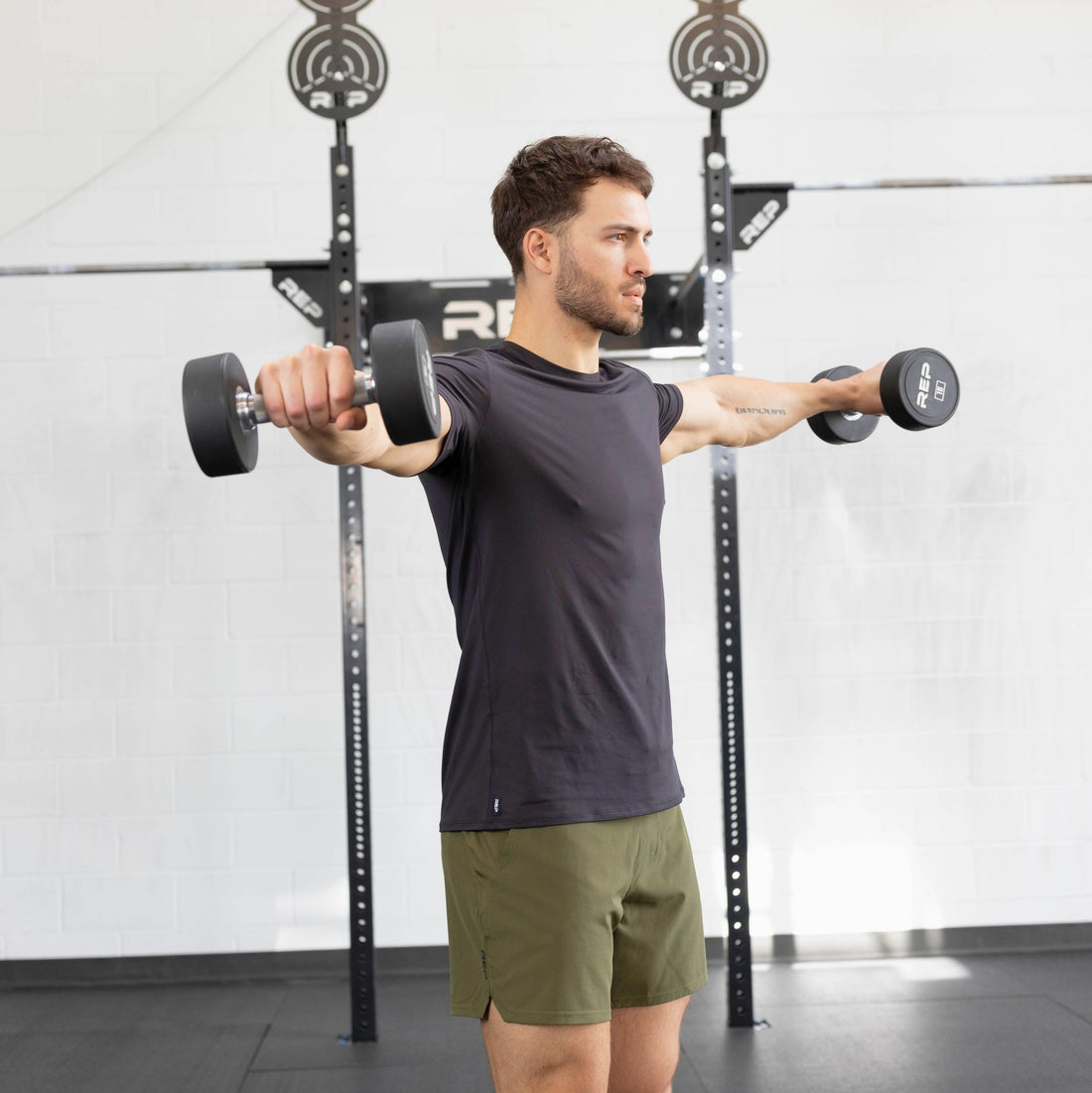
To perform dumbbell lateral raises safely, stand with feet shoulder-width apart, holding weights at your sides with a neutral grip. Lean slightly forward and lift the dumbbells out to your sides within the scapular plane (30 degrees forward), keeping a slight bend in your elbows. Stop at shoulder height to avoid impingement, and lower the weights under strict control.
Contents
The dumbbell lateral raise is a fundamental isolation exercise designed to target the lateral (medial) head of the deltoid. When executed correctly, it creates the "width" in the shoulders that many athletes and fitness enthusiasts desire. However, the shoulder is the most mobile and least stable joint in the human body. Improper form during lateral raises can lead to subacromial impingement, rotator cuff strain, and chronic inflammation. In 2026, sports medicine consensus continues to emphasize the "scapular plane" as the gold standard for safety in overhead and lateral movements.
The Anatomy of the Shoulder During Lateral Abduction
Understanding the musculoskeletal mechanics of the shoulder is the first step toward safety. The deltoid consists of three distinct heads: the anterior (front), medial (lateral/middle), and posterior (rear). The lateral raise primarily isolates the medial deltoid.
During the movement, the humerus (upper arm bone) lifts away from the midline of the body—a process called abduction. This movement is initiated by the supraspinatus, one of the four rotator cuff muscles, for the first 15 to 30 degrees. Once the arm moves beyond that point, the medial deltoid becomes the primary mover.
Safety concerns arise because of the subacromial space, a narrow corridor between the top of the humerus and the acromion (a bony process on the shoulder blade). If the humerus is rotated internally while lifting, the greater tuberosity of the humerus can pinch the tendons of the rotator cuff and the subacromial bursa against the acromion. This is why "pouring the water" (turning your thumbs down at the top) is no longer recommended by modern physical therapists and strength coaches.
The Scapular Plane: The Foundation of Safety
The most significant technical adjustment you can make for safety is moving the weights within the scapular plane. Most beginners attempt to lift the dumbbells directly out to their sides, 180 degrees across the body (the frontal plane). This forces the shoulder into an unnatural position that increases the risk of impingement.
The scapular plane sits approximately 20 to 30 degrees forward of the frontal plane. By lifting the dumbbells slightly in front of your torso rather than perfectly out to the side, you align the humerus with the natural angle of the shoulder blade (scapula). This position maximizes the space in the shoulder joint, allowing the tendons to glide freely and reducing the risk of wear and tear on the labrum and rotator cuff.
Step-by-Step Technical Execution
To ensure maximum safety and muscle recruitment, follow this systematic approach to the dumbbell lateral raise.
1. The Setup and Stance
Stand with your feet hip-width apart. Maintain a "soft" bend in the knees to prevent lower back strain. Engage your core by pulling your navel toward your spine, which stabilizes the torso and prevents the "rocking" motion common in ego-lifting. Hold the dumbbells at your sides with a neutral grip (palms facing your thighs).
2. The Slight Hip Hinge
Do not stand perfectly vertical. Instead, hinge slightly at the hips (about 5 to 10 degrees). This minor forward tilt allows the medial deltoid to be positioned directly against the line of gravity at the start of the movement. It also helps guide the weights naturally into the scapular plane.
3. The Initiation (The "Sweep")
Initiate the lift by imagining you are pushing the dumbbells away from your body toward the walls, rather than pulling them "up." This "sweeping" cue helps minimize the involvement of the upper trapezius muscles. Keep a fixed, slight bend in the elbows (about 10 to 15 degrees) throughout the entire range of motion.
4. The Peak and Hand Orientation
Stop the movement once your elbows reach shoulder height. Going higher than parallel to the floor offers no additional benefit to the medial deltoid but significantly increases the risk of joint compression. Ensure your pinky finger is not higher than your thumb. A neutral grip or a grip where the thumb is slightly higher than the pinky is the safest orientation for the rotator cuff.
5. The Controlled Descent (Eccentric Phase)
The eccentric, or lowering, phase is where much of the muscle growth occurs and where most injuries are prevented. Resist the urge to let the weights drop. Lower them over a count of two to three seconds. This maintains tension on the muscle and ensures the joint is supported by active muscular engagement rather than hanging on the ligaments.
Common Safety Mistakes and How to Fix Them
Even experienced lifters often fall into traps that compromise their shoulder health. Identifying these errors early is vital for long-term training consistency.
- The Trap Shrug: Many lifters subconsciously shrug their shoulders toward their ears as they lift. This shifts the load from the deltoids to the upper trapezius and levator scapulae. To fix this, depress your shoulder blades (pull them down) before you begin the lift and keep them there.
- Excessive Momentum (The Swing): Using the legs or lower back to "jerk" the weights up indicates the weight is too heavy. This reduces the time under tension for the deltoid and places sudden, shear force on the lumbar spine and the shoulder capsule. If you cannot hold the weights at the top for a split second, reduce the load.
- Leading with the Hands: If your hands rise higher than your elbows, you are likely using your anterior deltoids and forearm extensors to cheat the movement. Ensure your elbows and wrists move as a single unit, with the elbow remaining the highest point of the arm (or level with the wrist).
Comparison of Lateral Raise Variations for Joint Safety
Not all variations are created equal. Depending on your injury history or biomechanics, one of these versions may be safer for you.
| Variation | Primary Benefit | Safety Consideration |
|---|---|---|
| Standing Dumbbell | Core engagement and functional stability. | High risk of using momentum/swinging. |
| Seated Dumbbell | Eliminates leg drive; isolates the deltoid. | Requires strict upright posture to avoid lower back rounding. |
| Cable Lateral Raise | Provides constant tension throughout the arc. | Generally safer for the rotator cuff as the resistance profile is smoother. |
| Chest-Supported | Total isolation; zero momentum possible. | Excellent for those with lower back issues or "ego-lifting" tendencies. |
| Leaning (Single Arm) | Increases the range of motion at the bottom. | Places higher demand on the stabilizing side of the joint; use caution. |
Programming for Longevity
In 2026, the shift in strength training has moved toward "quality over quantity," especially for isolation movements. For dumbbell lateral raises, the goal is not to lift the heaviest weight possible. The medial deltoid responds exceptionally well to higher repetition ranges and metabolic stress.
- Repetition Range: Aim for 10 to 20 repetitions per set. Lifting in the 5-rep range for lateral raises often leads to form breakdown and joint irritation.
- Frequency: The deltoids recover relatively quickly. You can safely perform lateral raises 2 to 3 times per week, provided you are not experiencing joint "clicking" or sharp pain.
- Load Progression: Increase the weight only when you can perform 15-20 reps with "perfect" tempo and zero momentum. Moving from 15lb to 20lb dumbbells is a 33% increase in load; consider using micro-plates or increasing reps/sets before jumping to a heavier dumbbell.
Frequently Asked Questions
Why does my shoulder click when I do lateral raises?
Clicking or popping (crepitus) without pain is often the sound of tendons moving over bone. However, if it is accompanied by discomfort, it usually suggests that the humerus is rubbing against the acromion. Ensure you are lifting in the scapular plane (30 degrees forward) and avoid an internal rotation ("thumbs down") grip.
Can I do lateral raises if I have a history of impingement?
If you have a history of impingement, consult a physical therapist first. Generally, the cable lateral raise is preferred over dumbbells because the resistance is more consistent. You should also consider "polishing the floor" variations or floor-supported raises that limit the range of motion to a pain-free arc.
Is it safer to lift the weights in front of my body or at my sides?
Lifting slightly in front of your body (the scapular plane) is significantly safer than lifting directly out to the sides. This alignment reduces the "pinching" of the rotator cuff tendons and allows for more natural movement of the shoulder blade.
How high should I lift the dumbbells?
You should stop when your arms are parallel to the floor (shoulder height). Lifting the arms higher than 90 degrees engages the trapezius more heavily and narrows the subacromial space, which increases the risk of impingement without providing significant extra benefit to the medial deltoid.
Should I use a thumbless (suicide) grip?
A thumbless grip is not necessary for lateral raises and can decrease your grip stability. A standard neutral grip (thumb wrapped) provides better control of the dumbbell’s path, which is crucial for maintaining the scapular plane throughout the set.
Final Recommendation
To master the dumbbell lateral raise safely, prioritize control and mechanics over the amount of weight on the rack. Begin your next shoulder session by performing 2 sets of 15 repetitions with a weight lighter than you usually use, focusing exclusively on staying within the scapular plane and maintaining a 3-second descent. If you experience any sharp pain in the front or side of the shoulder, stop immediately and re-evaluate your arm angle or consult a professional to screen for underlying rotator cuff issues.
Image Gallery