Understanding When Whole Life Insurance Matures in New Mexico
In New Mexico, whole life insurance matures when the insured individual reaches the age specified in the policy contract, which is traditionally age 100 or, in more modern policies, age 121. At this maturity date, the policy's cash val...
In New Mexico, whole life insurance matures when the insured individual reaches the age specified in the policy contract, which is traditionally age 100 or, in more modern policies, age 121. At this maturity date, the policy's cash value equals the death benefit, and the insurance provider pays this amount to the policy owner, effectively ending the coverage.
Contents
Whole life insurance is often marketed as "permanent" coverage, but technically, every policy has an expiration point known as the maturity date. For residents of New Mexico, understanding this timeline is critical for long-term financial planning, estate management, and tax preparation. As we navigate the financial landscape of 2026, many policyholders with older contracts are approaching the traditional maturity age of 100, while those with newer policies are looking toward a horizon of 121.
The Definition of Maturity in Life Insurance
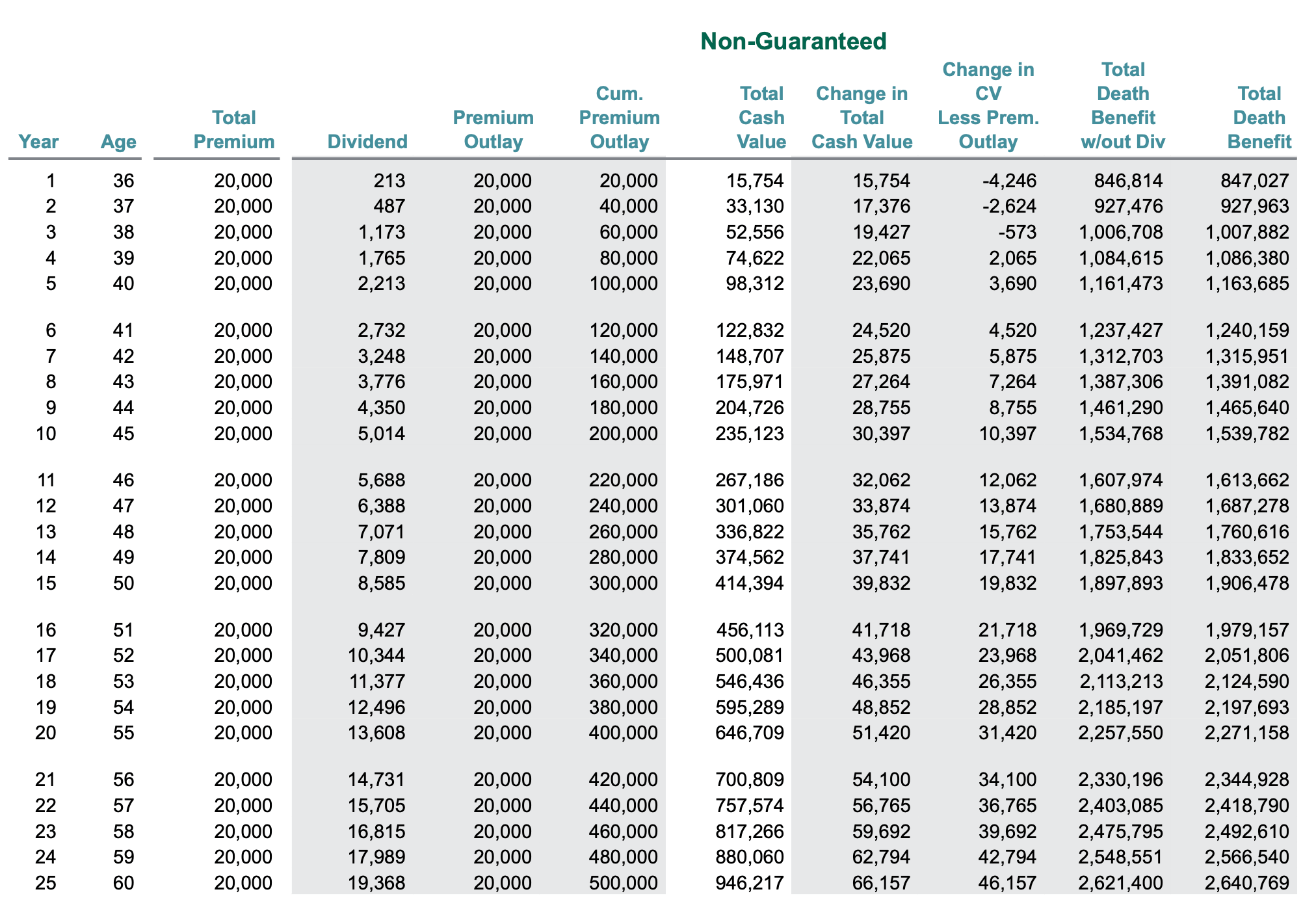
Maturity is the specific point in a life insurance contract where the insurance company is no longer required to provide a death benefit because the policyholder has outlived the statistical probability of death used to calculate the premiums. In a whole life policy, the "cash value" is designed to grow over time through guaranteed interest and potential dividends.
By the time the policy matures, the internal cash accumulation is mathematically scheduled to equal the face amount (the death benefit) of the policy. Because the insurance company is now holding the full amount they would have paid out upon your death, the "insurance" element disappears, and the contract simply becomes a payout of the accumulated equity.
Historical Maturity (Age 100) vs. Modern Maturity (Age 121)
For decades, the standard maturity age for whole life insurance in the United States, including New Mexico, was 100. This was based on the 1980 Commissioners Standard Ordinary (CSO) Mortality Table. However, as medical advancements and lifestyle improvements increased life expectancy, more individuals began outliving their policies.
In response, the insurance industry shifted to the 2001 CSO Mortality Table, which moved the maturity age to 121. Most policies issued after 2004 reflect this later date. If you purchased your policy in Albuquerque or Santa Fe in the 1980s or 90s, it likely matures at age 100. If you purchased it more recently, it likely matures at 121.
New Mexico Regulations and Policy Oversight
Insurance in New Mexico is regulated by the New Mexico Office of Superintendent of Insurance (OSI). While the maturity age is a contractual feature determined by the insurer and federal tax laws, the OSI ensures that companies operating within the state follow the New Mexico Insurance Code (Chapter 59A).
The state requires that all life insurance policies sold to New Mexico residents include specific "non-forfeiture" provisions. These provisions protect your cash value if you decide to stop paying premiums before the policy matures. Furthermore, the New Mexico Life and Health Insurance Guaranty Association provides a safety net for policyholders if an insurance company becomes insolvent, though there are specific limits on coverage amounts (typically up to $300,000 for life insurance death benefits).
The Impact of Community Property Laws
New Mexico is one of a handful of community property states. This can complicate the maturity process if the policy was funded with community funds during a marriage. When a policy matures and pays out to the owner, the proceeds may be considered community property regardless of whose name is on the check. It is often advisable for New Mexico residents to consult with a local estate attorney to ensure that the maturity payout aligns with their broader estate plan.
What Happens at the Moment of Maturity?
When the clock strikes midnight on the anniversary of your birth reaching the maturity age, several technical and financial events occur simultaneously.
- Termination of Coverage: The insurance company is no longer liable for a "death benefit." If the insured passes away one day after the maturity date, the beneficiaries do not receive a tax-free death benefit; instead, the estate receives the maturity payout.
- The Payout: The insurer issues a check or electronic transfer to the policy owner (not the beneficiaries) for the full face amount of the policy plus any accumulated dividends or additions, minus any outstanding policy loans.
- End of Premiums: You are no longer required to pay premiums. The contract is considered "fully performed."
The Tax Consequence of Maturity
This is the most critical area for New Mexico policyholders to monitor. Unlike a death benefit, which is generally received income tax-free by beneficiaries under IRS Code Section 101(a), a maturity payout is treated differently.
The IRS views the maturity of a policy as a "surrender." You are taxed on the "gain" in the policy. The gain is calculated as the total maturity payout minus your "cost basis" (the total amount of premiums you paid over the years, minus any tax-free dividends received). This gain is taxed as ordinary income, not capital gains, which could push a policyholder into a significantly higher tax bracket in the year of maturity.
Comparison of Whole Life Maturity Scenarios
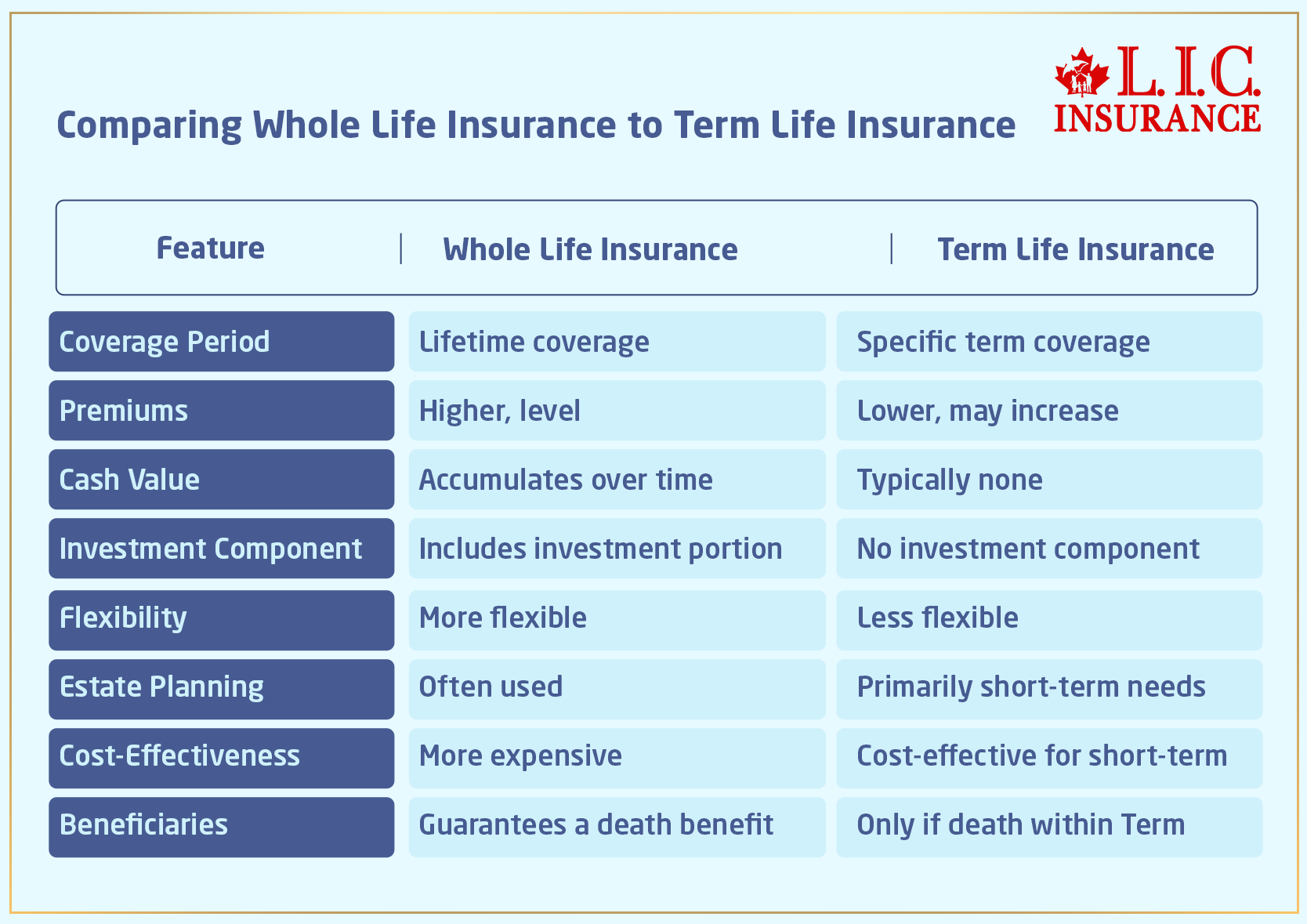
| Feature | Policy Matures at Age 100 | Policy Matures at Age 121 | Death Before Maturity |
|---|---|---|---|
| Recipient | Policy Owner | Policy Owner | Named Beneficiaries |
| Amount Paid | Face Amount + Additions | Face Amount + Additions | Face Amount + Additions |
| Tax Status | Taxable on gains above basis | Taxable on gains above basis | Generally Income Tax-Free |
| Common Policy Era | Pre-2004 | Post-2004 | Any Era |
| Action Required | Administrative Payout | Administrative Payout | Claim Filing |
Extending Maturity: The Maturity Extension Rider
Recognizing the tax burden that maturity can place on the "super-centenarians" of New Mexico, many insurance companies now offer Maturity Extension Riders (MER). These riders allow the policy to continue beyond the stated maturity age.
When a maturity extension is triggered:
- The death benefit remains in force.
- The cash value continues to earn interest.
- The policy avoids the "constructive receipt" of the cash value, thereby deferring the tax bill.
- Most importantly, the eventual payout remains a tax-free death benefit for the beneficiaries rather than a taxable maturity payout for the owner.
If you hold a policy approaching age 100 in 2026, you should contact your insurer to see if an extension is possible. New Mexico law generally permits these extensions as long as they are filed according to the terms of the original contract or through a formal policy amendment.
Managing Outstanding Loans Before Maturity
In New Mexico, it is common for policyholders to use their whole life cash value as a "personal bank," taking out loans for business opportunities or retirement income. However, if a policy matures while a loan is outstanding, the results can be financially damaging.
At maturity, the insurance company will deduct the outstanding loan balance from the payout. However, the IRS treats the forgiven loan as part of the total distribution. If the loan plus the remaining cash payout exceeds your basis, you may owe taxes on money you already spent years ago. This is often referred to as a "tax bomb."
Steps to Mitigate Maturity Issues:
- Audit the Basis: Request a "cost basis report" from your insurer to see exactly how much you have paid in premiums versus the current cash value.
- Evaluate 1035 Exchanges: If your policy is nearing maturity and you do not need the immediate cash, you may be able to perform a Section 1035 exchange into an annuity or a newer life insurance policy with a maturity age of 121, thereby deferring the taxes.
- Review the Beneficiary Designations: Even though maturity pays the owner, keeping beneficiaries current is essential in case the insured passes away just months or weeks before the maturity date.
Common Mistakes to Avoid in New Mexico
Many policyholders in the Land of Enchantment make the mistake of ignoring their annual statements as they age. A common error is assuming that the "permanent" nature of the policy means it will stay in place forever without intervention.
Another mistake is failing to account for New Mexico’s state income tax. Since New Mexico taxes ordinary income on a graduated scale, a large maturity payout can result in a significant state tax liability in addition to federal taxes. In 2026, staying proactive by consulting with a New Mexico-based Certified Financial Planner (CFP) can help you decide whether to surrender the policy early, let it mature, or seek an extension.
Frequently Asked Questions
Can I change my maturity date from 100 to 121?
Generally, you cannot simply "change" the date on an existing contract. However, many insurers allow for a Maturity Extension Rider to be added, or you may be able to exchange the policy for a newer version through a tax-free 1035 exchange. This usually requires the policy to be in good standing and may involve new underwriting if you are increasing the death benefit.
What happens if I live past age 121?
Modern actuarial tables currently stop at 121. If you were to outlive this age, the policy would have already matured and paid out. The insurance company essentially considers the probability of living past 121 to be near zero for the purposes of contract design.
Does the New Mexico government tax my maturity payout?
Yes. New Mexico treats the gain from a matured life insurance policy as part of your adjusted gross income. Because the gain is taxed as ordinary income at the federal level, it flows through to your New Mexico state tax return.
Is the maturity payout different from the "Cash Surrender Value"?
At the moment of maturity, the Cash Surrender Value and the Face Amount (Death Benefit) become the same number. Before maturity, the cash surrender value is typically lower than the death benefit. Maturity is the point where these two values converge.
What if I have a "Term" policy instead of "Whole Life"?
Term insurance does not mature; it expires. If you have a term policy in New Mexico and you reach the end of the term (e.g., 20 years), the coverage simply ends, and there is no payout. Only "permanent" policies like whole life or universal life have a maturity component.
Final Recommendation for Policyholders
If you own a whole life insurance policy in New Mexico, your first step should be to locate your original policy document and identify the "Maturity Date" or "Maturity Age" listed on the specifications page. If you are within ten years of that date, request a "Maturity Projection" from your insurance carrier. This document will estimate the final payout and help you calculate the potential tax liability. Given New Mexico's specific community property and tax rules, early intervention is the best way to ensure that your "permanent" coverage doesn't result in an unexpected financial burden in your golden years.
Image Gallery