Comprehensive Guide to Understanding the GEICO Insurance Car Accident Process
The GEICO car accident process involves four primary stages: reporting the claim via the GEICO Mobile app or website, undergoing a damage assessment (often through Easy Photo Estimate or an ARX facility), liability investigation by an...
The GEICO car accident process involves four primary stages: reporting the claim via the GEICO Mobile app or website, undergoing a damage assessment (often through Easy Photo Estimate or an ARX facility), liability investigation by an assigned adjuster, and finally, the settlement or repair payment. Policyholders can track every stage in real-time through the online GEICO Claims Center.
Contents
Navigating the aftermath of a vehicle collision is inherently stressful, but understanding the specific procedural framework used by Government Employees Insurance Company (GEICO) can significantly reduce uncertainty. As of 2026, GEICO has further streamlined its digital-first approach, prioritizing mobile interface interactions to accelerate the timeline from the initial impact to final restitution. Whether you are a policyholder or a third party filing a claim against a GEICO-insured driver, the roadmap follows a standardized sequence designed to verify coverage, determine fault, and quantify damages.
Immediate Steps: Safety and Initial Documentation
Before engaging with the insurance bureaucracy, the immediate physical environment requires attention. The actions taken in the first thirty minutes following an accident often dictate the success of the insurance claim.
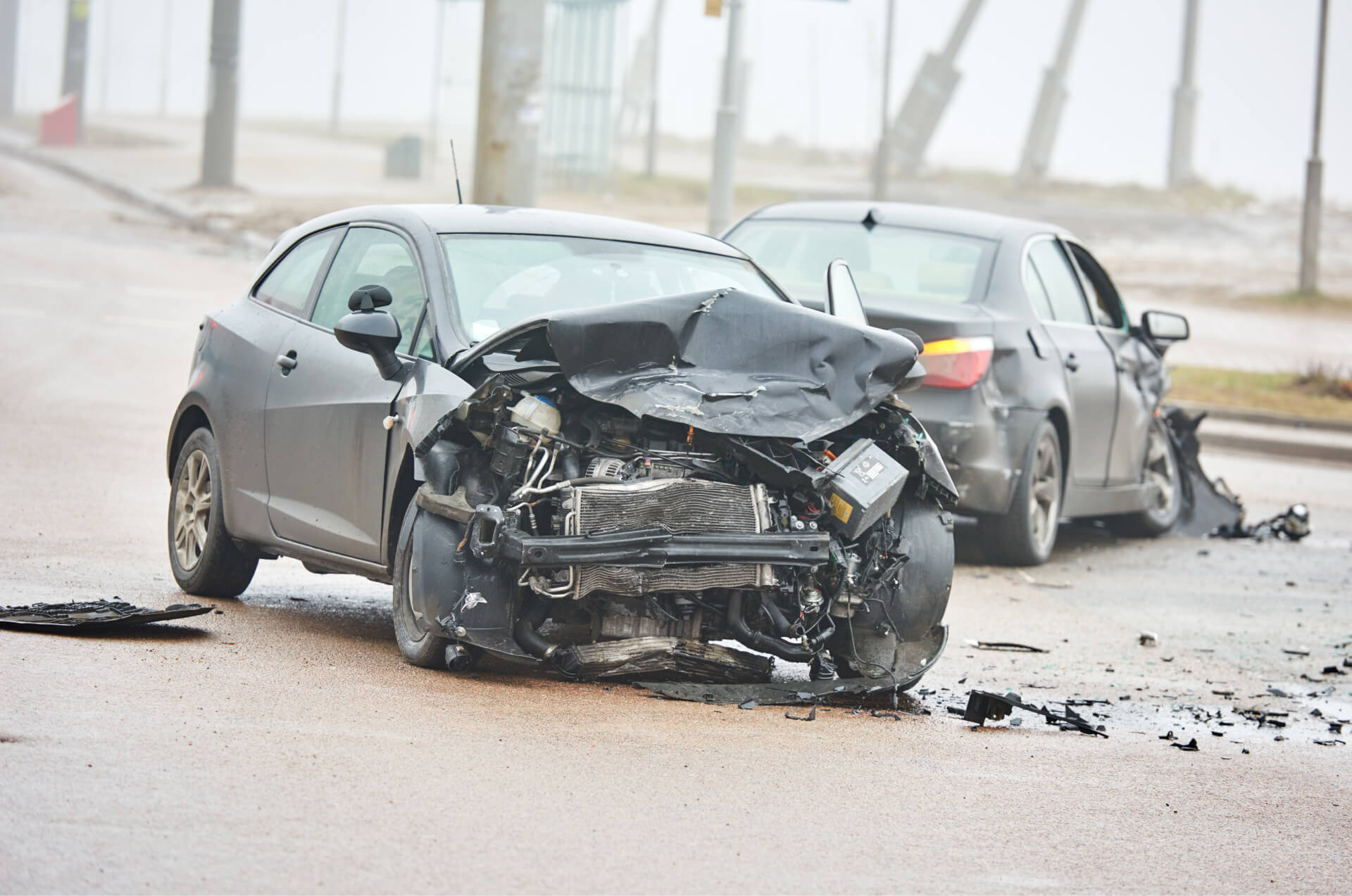
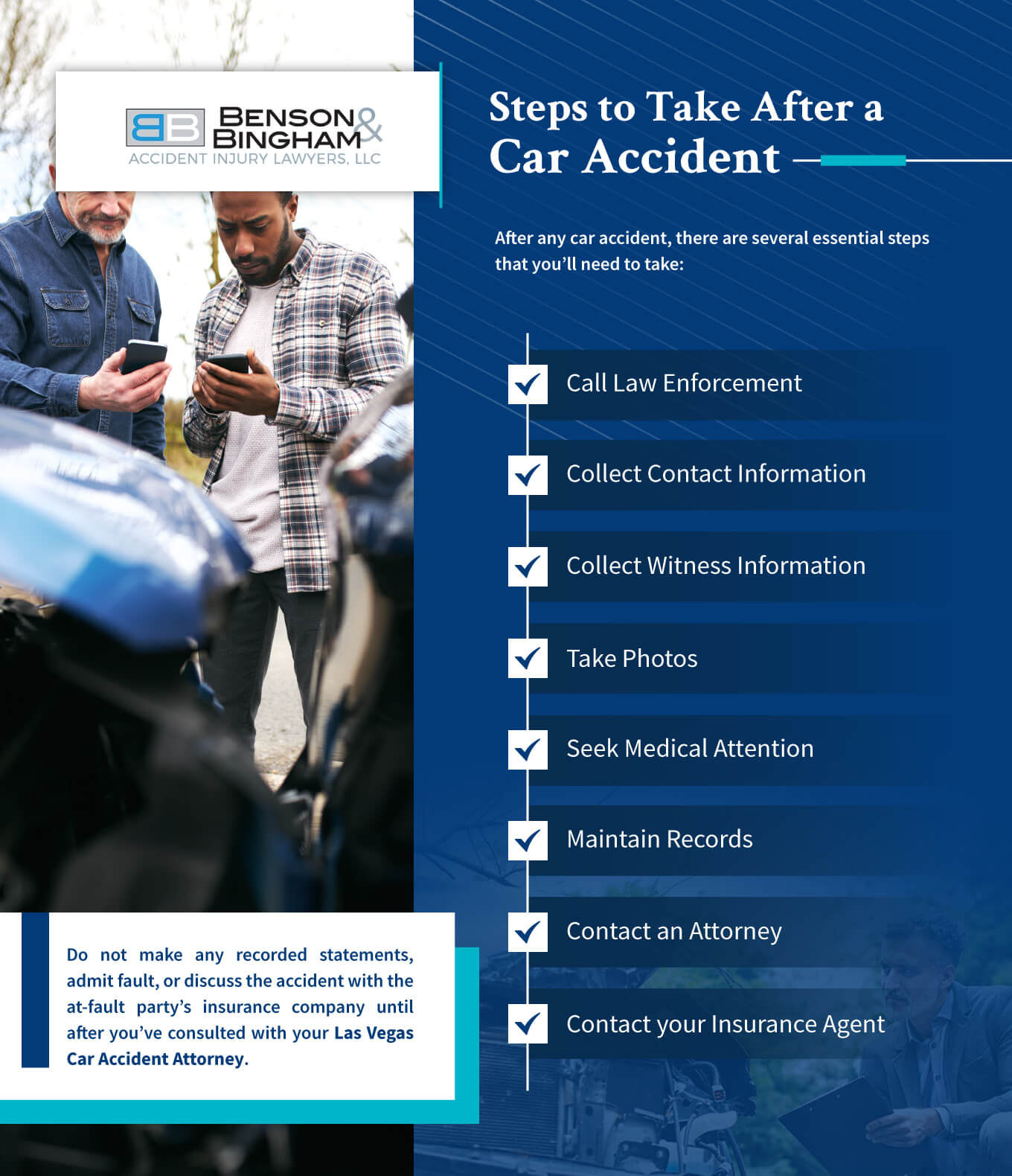
First, ensure the safety of all parties and move vehicles out of the flow of traffic if possible. Under most state jurisdictions, failing to move a functional vehicle that is obstructing traffic can result in a citation. Once safe, contact local law enforcement. Even in minor "fender benders," a police report serves as a neutral third-party account that GEICO adjusters use to resolve conflicting statements between drivers.
Documentation is the currency of the insurance process. Use your smartphone to capture high-resolution images of the following:
- The position of all vehicles involved relative to the roadway.
- Close-up shots of the damage to all vehicles.
- The license plates of all involved parties.
- Street signs or landmarks to establish the exact location.
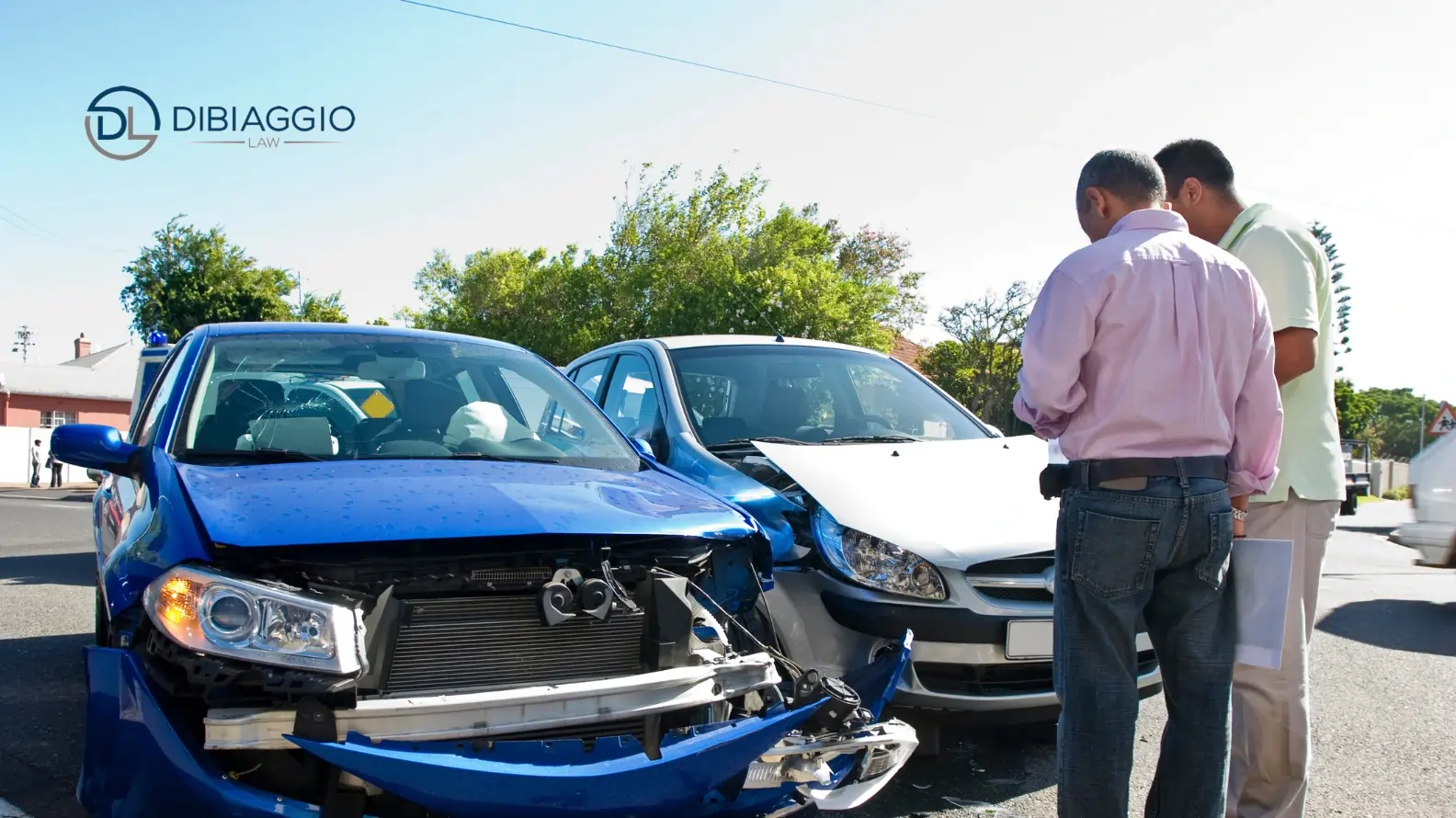
- The insurance ID cards and driver’s licenses of other motorists.
Avoid discussing fault at the scene. Statements like "I'm sorry" or "I didn't see you" can be interpreted as admissions of liability during the GEICO investigation phase. Instead, stick to the facts when speaking with the other driver and the reporting officer.
Reporting the Claim: The Digital-First Approach
In 2026, GEICO encourages all claimants to initiate the process via the GEICO Mobile app. This platform is integrated with the company's internal claim management system, allowing for the fastest possible assignment of a claims adjuster.
Filing via the Mobile App
When you open the app to report a claim, you will be prompted to enter the date, time, and location of the incident. The app uses GPS data to pin the location accurately. You will then describe the accident by selecting from pre-defined scenarios (e.g., rear-end collision, side-swipe, or hitting a stationary object). The app allows you to upload the photos you took at the scene directly into the claim file.
Filing via Web or Phone
If you prefer not to use the app, the GEICO Claims Center on their official website provides a similar interface. For those who require human interaction or have complex questions immediately, GEICO maintains a 24/7 claims hotline at 1-800-841-3000. However, be prepared for longer wait times during peak hours or following regional weather events.
Once the claim is filed, GEICO generates a unique claim number. This number is your primary identifier for all future correspondence, repair authorizations, and medical billing.
The Role of the GEICO Claims Adjuster
Within 24 to 48 hours of filing, GEICO assigns a claims adjuster to the case. This individual is your primary point of contact and is responsible for two main objectives: coverage verification and liability determination.
Coverage Verification: The adjuster reviews your policy to ensure the premium was paid and the specific type of loss is covered. For example, if you have liability-only coverage and were at fault in a single-car accident, GEICO will not pay for your vehicle repairs, though they would cover damages to third-party property.
Liability Determination: The adjuster collects evidence to decide who is financially responsible for the accident. They will review the police report, interview both drivers, and potentially speak with witnesses. In states with comparative negligence laws, the adjuster may assign a percentage of fault to each driver (e.g., you are 20% at fault for speeding, while the other driver is 80% at fault for failing to yield). This percentage directly impacts the final payout.
Damage Evaluation and the ARX Program
GEICO utilizes a tiered system for assessing vehicle damage, ranging from AI-assisted photo tools to physical inspections at certified facilities.
Easy Photo Estimate
For minor to moderate cosmetic damage, GEICO often suggests the Easy Photo Estimate tool. Through the app, you are guided to take specific angles of the damage. GEICO’s internal software and human estimators then calculate a repair quote based on local labor rates and parts pricing. If you accept this estimate, a payment is often issued via direct deposit within hours.
Auto Repair Xpress (ARX)
For more significant damage, GEICO promotes its Auto Repair Xpress program. ARX facilities are third-party body shops that have entered into a rigorous partnership with GEICO. Using an ARX shop offers several advantages:
- On-site Adjusters: Many ARX locations have a GEICO adjuster stationed on the premises to approve repairs instantly.
- Lifetime Guarantee: GEICO guarantees the repairs performed at ARX shops for as long as you own the vehicle.
- Streamlined Rentals: If you have rental reimbursement coverage, GEICO often coordinates with Enterprise or Hertz to have a vehicle waiting for you at the ARX shop.
You are not legally required to use an ARX shop; you have the right to take your vehicle to any repair facility. However, if you choose an independent shop, GEICO will only pay the "prevailing competitive price" for repairs, and they cannot guarantee the quality of the work performed by that shop.
Understanding Total Loss Settlements
If the cost to repair your vehicle exceeds a certain percentage of its Actual Cash Value (ACV)—typically between 70% and 80%, depending on state regulations—GEICO will declare the vehicle a total loss.
In a total loss scenario, GEICO does not pay you the amount you originally paid for the car or the amount required to buy a brand-new version. Instead, they determine the ACV by looking at the local market value of a vehicle of the same make, model, year, and condition immediately prior to the crash.
If you have an outstanding car loan, GEICO pays the lienholder first. If the settlement is less than what you owe on the loan, you are responsible for the "gap" unless you have specifically purchased Gap Insurance. Once the settlement is agreed upon, you must sign over the vehicle's title to GEICO, and they will take possession of the salvage.
Managing Medical Claims and PIP
If the accident resulted in injuries, the process diverges into the medical claims stream. Depending on your state of residence, you may deal with Personal Injury Protection (PIP) or Medical Payments (MedPay) coverage.
In "no-fault" states, your own GEICO policy pays for your medical bills regardless of who caused the accident, up to the limits of your PIP coverage. In "at-fault" states, the medical bills are typically submitted to the insurance company of the driver who caused the accident.
GEICO requires medical providers to submit "HCFA" or "UB" billing forms along with treatment notes. It is crucial to seek medical attention immediately after the accident, as adjusters often view delays in treatment as evidence that the injuries were either non-existent or unrelated to the collision.
The Subrogation Process
If you were not at fault but chose to have GEICO pay for your repairs (to speed up the process), GEICO will enter a phase called subrogation. During subrogation, GEICO seeks reimbursement from the at-fault driver's insurance company.
If GEICO is successful in recovering the funds, they will also recover your deductible and return it to you. This process can take several months, as it often involves inter-company arbitration. You can track the status of subrogation through your online GEICO account.
Comparison of GEICO Claim Filing Methods
| Feature | GEICO Mobile App | Online Claims Center | Phone Support (1-800) |
|---|---|---|---|
| Speed of Initiation | Fastest (Instant) | Fast | Moderate (Wait times apply) |
| Photo Upload | Direct Integration | Manual Upload | Not Available via Phone |
| Real-time Tracking | Push Notifications | Login Required | Must speak to Adjuster |
| Rental Coordination | Integrated Booking | Integrated Booking | Manual Coordination |
| Best For | Routine Accidents | Detailed Documentation | Complex/Multi-car issues |
Frequently Asked Questions
Will my insurance rates go up after a GEICO claim?
Generally, if you are found to be more than 50% at fault for an accident that results in a payout over a certain threshold (often $500–$1,000 depending on the state), your premium may increase at the next renewal. However, GEICO offers "Accident Forgiveness" to certain eligible policyholders, which prevents a rate hike after your first at-fault accident.
How long does GEICO have to settle my claim?
Timelines vary by state law, but most states require insurance companies to acknowledge a claim within 15 days and make a decision on payment within 30 to 45 days after receiving the final proof of loss. GEICO typically aims to resolve simple property damage claims within 7 to 10 business days.
What if I disagree with GEICO’s repair estimate?
If your chosen repair shop identifies damage that GEICO’s initial estimate missed, the shop will submit a supplemental request. GEICO will send an adjuster to verify the additional damage and issue a secondary payment to the shop. You should never pay for these differences out of pocket without consulting your adjuster first.
Does GEICO cover a rental car while mine is being repaired?
GEICO only pays for a rental car if you have Rental Reimbursement coverage on your policy at the time of the accident. This coverage typically has a daily limit (e.g., $30/day) and a maximum number of days (usually 30). If you were not at fault, you may be able to claim rental costs from the other driver's insurance.
How do I handle a claim if the other driver is uninsured?
If you are hit by an uninsured driver, you will file a claim under your Uninsured Motorist Property Damage (UMPD) or Uninsured Motorist Bodily Injury (UMBI) coverage. The process remains the same, but GEICO effectively steps into the shoes of the other driver's insurance to compensate you.
Final Recommendations for a Smooth Process
To ensure the GEICO car accident process moves as quickly as possible, remain proactive rather than passive. Check the GEICO Mobile app every 48 hours for updates or requests for additional documentation. If an adjuster requests a recorded statement, ensure you are in a quiet place and have your own notes ready so your account remains consistent.
Finally, keep a dedicated folder—either physical or digital—containing your claim number, the names of all adjusters you speak with, repair receipts, and medical records. This organized approach prevents delays and provides the necessary evidence if you need to dispute a settlement offer. For official guidance and to start a claim, visit the GEICO Claims Center.
Image Gallery