How to Choose a VoIP Server for Home Design Professionals in 2026
Choosing the right VoIP server for a home design business requires balancing high-fidelity communication with seamless integration into project management and CAD workflows. In 2026, the ideal solution typically involves a cloud-hosted...
Choosing the right VoIP server for a home design business requires balancing high-fidelity communication with seamless integration into project management and CAD workflows. In 2026, the ideal solution typically involves a cloud-hosted PBX for maximum mobility or a dedicated local server if you require deep integration with smart home automation and high-resolution video conferencing systems.
Contents
Understanding the Role of VoIP in Modern Home Design
In the landscape of 2026, the home design industry—comprising interior designers, architects, and residential consultants—has moved beyond simple voice calls. Communication now serves as the backbone for sharing heavy architectural files, hosting virtual walkthroughs, and managing complex vendor relationships. A Voice over Internet Protocol (VoIP) server acts as the central brain of this communication network, converting voice signals into digital data packets.
For a home design professional, the "server" isn't just a box in a closet; it is the platform that manages your business identity. Whether you are on a construction site or in your studio, the VoIP server ensures that your office line follows you, records vital instructions from contractors, and integrates with your design software to log billable hours automatically.
Identifying Your Deployment Model: Cloud vs. On-Premise
The first technical hurdle is deciding where your VoIP server will live. This choice dictates your upfront costs, ongoing maintenance requirements, and the level of control you have over your data.
Cloud-Hosted VoIP (UCaaS)
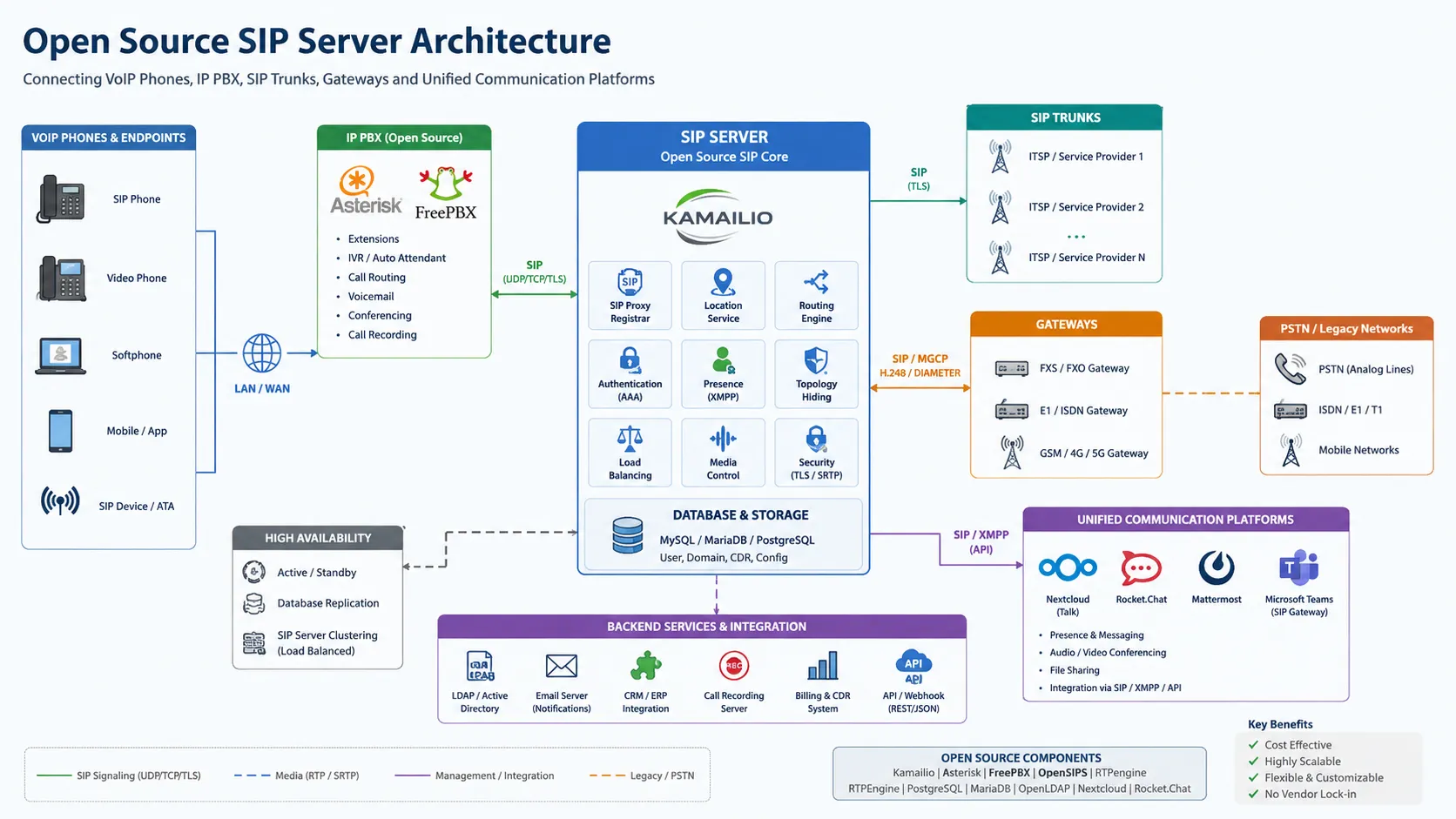
Most small-to-medium home design firms in 2026 opt for Unified Communications as a Service (UCaaS). In this model, the VoIP server is managed by a third-party provider (such as RingCentral, 8x8, or Zoom Phone).
- Pros: Minimal hardware investment, automatic updates, and enterprise-grade security.
- Cons: Monthly subscription fees per user and reliance on the provider's uptime.
- Suitability: Best for designers who work solo or in small teams and prefer a "set it and forget it" approach.
On-Premise VoIP Servers
For larger design firms or those operating out of a dedicated "smart" studio, an on-premise server (using software like 3CX, FreePBX, or Asterisk) offers unparalleled customization.
- Pros: No monthly per-user licensing fees after initial setup, complete privacy of call recordings, and direct integration with local local-area network (LAN) resources.
- Cons: Higher upfront cost for hardware (like a dedicated server or a high-end NAS) and the need for technical expertise to manage security and updates.
- Suitability: Ideal for firms that handle high-security government contracts or those who want to integrate their office phones with home automation systems like Control4 or Crestron.
Critical Features for Design Professionals
When evaluating a VoIP server, you must look beyond dial tones. The specific needs of the design industry require features that support visual and collaborative work.
High-Definition (HD) Voice and Video
In 2026, standard-definition audio is insufficient. Ensure the server supports the G.722 codec or higher. This provides "Wideband audio," which is essential when discussing material textures or color palettes with clients where every nuance matters. Furthermore, if you are conducting virtual consultations, the server must support 4K video throughput without significant latency.
Integration with Design Ecosystems
Your VoIP server should not exist in a vacuum. The most efficient systems in 2026 integrate directly with:
- CRM and Project Management: Tools like Houzz Pro, Ivy, or Monday.com. When a client calls, their project history, active mood boards, and current budget should automatically pop up on your screen.
- AutoCAD/Revit Add-ins: Some advanced VoIP servers allow for voice-annotated notes that attach directly to timestamps on digital blueprints.
Mobile Twinning and Softphone Support
Home design is rarely a desk job. You are often at showrooms or job sites. The server must offer a robust "Softphone" application for iOS and Android. Mobile Twinning ensures that when your office number is dialed, your smartphone and desk phone ring simultaneously, allowing you to switch between devices mid-call without the client noticing.
Technical Specifications and Requirements
To ensure a jitter-free experience, your home or studio network must meet specific technical thresholds. Even the best VoIP server will fail on a sub-par network.
- Bandwidth Allocation: While voice packets are small, 2026 video standards are demanding. Allocate at least 5 Mbps of dedicated upload/download speed per simultaneous HD video call.
- Latency and Jitter: Your network latency should remain below 150 milliseconds (ms), and jitter (the variation in packet arrival time) should be under 30ms. High jitter results in "choppy" audio that can appear unprofessional to clients.
- Quality of Service (QoS): Your router must be configured to prioritize VoIP traffic. This prevents a large file upload (like a 2GB 3D render) from killing your call quality.
Comparing VoIP Server Options for 2026
| Feature | Cloud-Hosted (UCaaS) | Self-Hosted (On-Premise) | Hybrid Model |
|---|---|---|---|
| Initial Cost | Low (Subscription based) | High (Hardware + Licenses) | Moderate |
| Maintenance | Handled by Provider | User-managed | Shared |
| Scalability | Instant (Add users online) | Limited by Hardware | Flexible |
| Customization | Standardized | Infinite (Open Source) | High |
| Data Privacy | Subject to Provider Policy | Full Internal Control | Shared Responsibility |
| Best For | Freelance Designers | Architectural Firms | Multi-office Studios |
Step-by-Step Selection Process
1. Audit Your Current Workflow
Track your calls for one week. Are you mostly on your mobile? Do you do a lot of international sourcing? If you deal with overseas furniture vendors, look for a server that offers low-cost SIP (Session Initiation Protocol) trunking for international zones.
2. Evaluate Your Hardware
Do you want physical "status symbol" phones on your desk, or are you comfortable using a headset with your laptop? Ensure the server you choose is compatible with SIP-compliant hardware from manufacturers like Poly, Yealink, or Cisco.
3. Verify Security Protocols
Home design involves proprietary floor plans and client financial data. Ensure the VoIP server supports SRTP (Secure Real-time Transport Protocol) and TLS (Transport Layer Security). These protocols encrypt the data stream, preventing "man-in-the-middle" attacks where hackers might intercept sensitive project discussions.
4. Test the Support Infrastructure
For cloud providers, check their 2026 Service Level Agreements (SLAs). You should look for "five-nines" (99.999%) uptime. For on-premise solutions, ensure you have a local IT partner or a robust community support forum for the software you choose.
Common Pitfalls to Avoid
One of the most frequent mistakes in 2026 is overcomplicating the setup. A solo interior designer does not need a rack-mounted Asterisk server. Conversely, a firm with ten architects will quickly find "consumer-grade" VoIP (like basic Google Voice or Skype) lacking in call-handling features like Auto-Attendants (digital receptionists) and call queuing.
Another pitfall is ignoring the Power over Ethernet (PoE) requirement. Most professional IP phones are powered through the data cable. If you are choosing an on-premise server, ensure your network switch supports PoE, or you will end up with a mess of power adapters cluttering your design aesthetic.
Frequently Asked Questions
Can I use my existing home internet for a professional VoIP server?
Yes, provided you have a stable fiber or high-speed cable connection. In 2026, most residential gigabit plans are more than sufficient. However, you must use a router with robust QoS settings to ensure that your household's streaming or gaming doesn't interfere with your professional calls.
Do I need a physical server box in my home?
Not necessarily. You can run a VoIP server as a virtual machine on a computer you already own, or use a "cloud-hosted" server where the physical hardware lives in a data center. The latter is generally recommended for home-based designers to save on electricity and cooling costs.
How does a VoIP server handle emergency calls (E911)?
Modern VoIP servers must be registered with a physical address for E911 services. If you are using a mobile softphone, the system typically uses your phone's GPS, but the server's primary registration must be kept up to date to ensure emergency services can find your studio.
Is it difficult to port my existing business number to a new VoIP server?
In 2026, the "Local Number Portability" (LNP) process is highly regulated and usually takes 3 to 7 business days. Most VoIP providers will handle the paperwork for you. Do not cancel your current service until the port is confirmed as successful.
Can a VoIP server integrate with my smart home lighting or doorbell?
Yes, if you choose an on-premise server or a high-end hybrid system. Many designers use this to have their studio lights flash when a VIP client calls or to see a video feed of a delivery person directly on their desk phone's screen.
Final Recommendation
For the vast majority of home design professionals in 2026, a hosted 3CX or RingCentral instance is the most logical choice. It provides the high-definition video necessary for visual presentations and the mobile flexibility required for site visits without the technical burden of hardware maintenance. However, if your design work involves high-end smart home integration or if you demand absolute data sovereignty, investing in a Synology NAS-based FreePBX server offers the best long-term value and customization. Begin by testing a mobile softphone app from a provider to see if their interface aligns with your design workflow before committing to a full hardware rollout.
Image Gallery