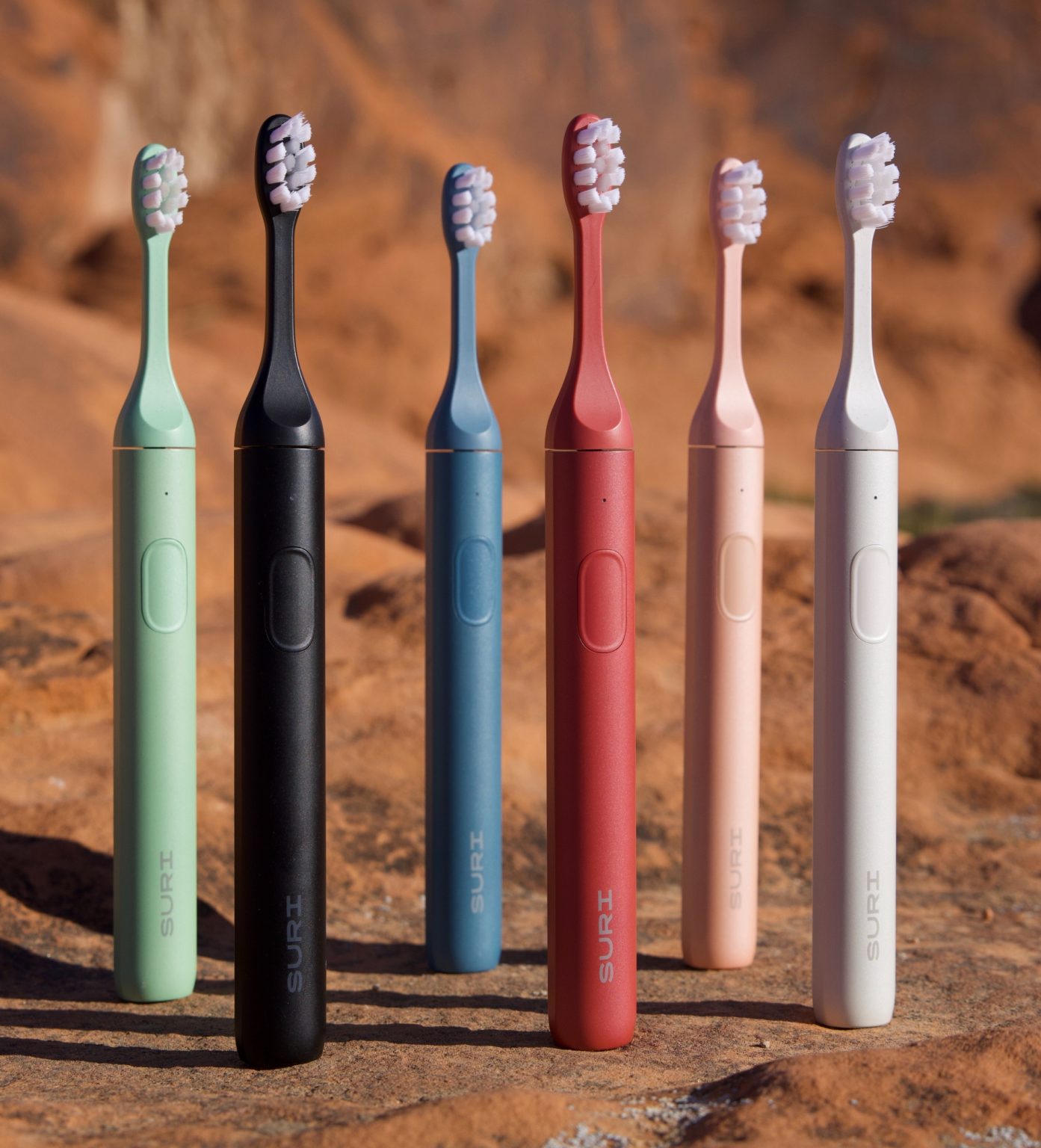
What Makes a Toothbrush Expensive: Breaking Down the Costs of Oral Care Technology
The price difference between a standard manual toothbrush and a high-end electric model often stems from advanced motor engineering, integrated sensors, smart connectivity features, and premium materials. While basic brushes serve a pr...
The price difference between a standard manual toothbrush and a high-end electric model often stems from advanced motor engineering, integrated sensors, smart connectivity features, and premium materials. While basic brushes serve a primary hygiene function, expensive models incorporate research-backed mechanical innovations and proprietary electronics designed to standardize brushing technique and improve diagnostic data collection.
Contents
The Evolution of Toothbrush Pricing
To understand why a toothbrush might cost $200 in 2026 compared to $3 for a manual alternative, one must look at the shift from simple nylon filaments to complex mechatronic systems. The "expensive" tier of the market is largely defined by the inclusion of sonic or oscillating-rotating technology.
A manual toothbrush is a commodity. Its cost is derived from material logistics and manufacturing volume. In contrast, an electric toothbrush is a consumer electronic device. The price floor is set by the cost of rechargeable lithium-ion batteries, circuit boards, Bluetooth modules, and motors capable of maintaining thousands of strokes per minute under the pressure of viscous toothpaste and water exposure.
Engineering and Motor Technology
The most significant cost driver in premium electric toothbrushes is the motor assembly. There are two primary types of high-end movement: sonic vibration and oscillating-rotating action.
- Sonic Motors: These utilize high-frequency electromagnetic pulses to vibrate the bristles at rates often exceeding 30,000 to 60,000 movements per minute. Engineering a motor that can sustain this frequency without degrading, while remaining waterproof and safe for oral use, requires precision components and rigorous quality control.
- Oscillating-Rotating Motors: These systems use a gear-driven mechanism to move the brush head in a circular, back-and-forth motion. The mechanical complexity of these gearboxes—which must be compact, quiet, and durable enough to withstand daily submersion—is a major R&D expense for manufacturers.
The "premium" experience often involves balancing high power with noise reduction and vibration dampening, which necessitates more expensive housing materials and internal mounting structures.
The Rise of Smart Sensors and Connectivity
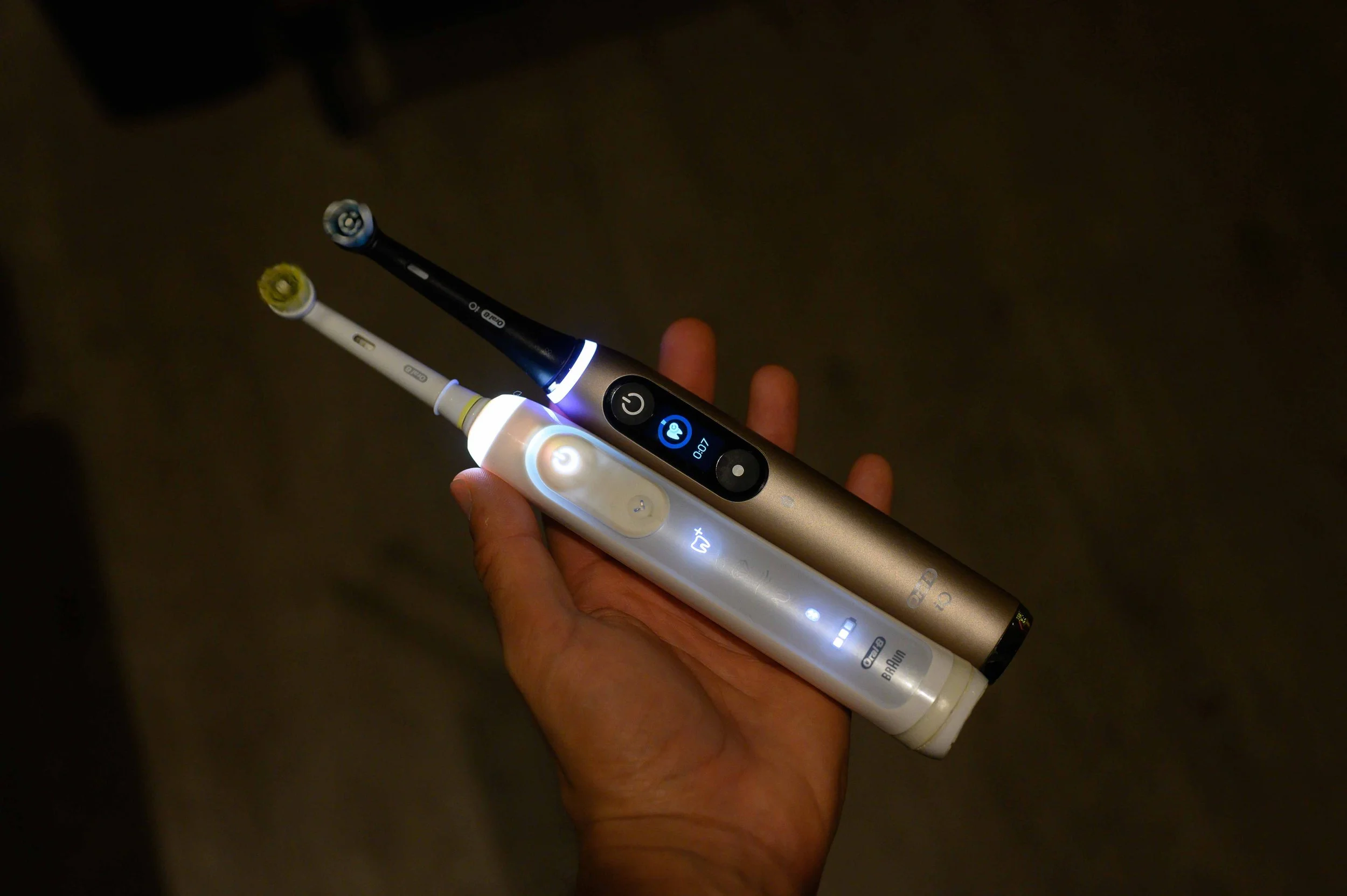
In 2026, the term "expensive" is synonymous with "connected." High-end toothbrushes now frequently feature sensors that track brushing habits in real-time. This includes:
- Pressure Sensors: Beyond a simple visual light, advanced models include load cells that adjust motor intensity when the user presses too hard, protecting enamel and gingival tissue.
- Position Detection: Using gyroscopes and accelerometers, these brushes map the user's mouth via a companion mobile application to ensure "coverage." Developing the firmware to process this spatial data and the hardware to host it adds significant cost per unit.
- Artificial Intelligence (AI): Some devices employ edge-processing AI to learn a user's unique brushing patterns over time, offering coaching suggestions. The development of this software and its integration into the hardware is a recurring cost that is amortized into the retail price.
Materials, Ergonomics, and Durability
Manufacturing costs are also driven by the quality of exterior components. Premium brushes often use medical-grade silicone for grip, specialized weighted bases for stability, and magnetic charging stands.
Furthermore, durability is a pricing factor. While a $5 manual brush is discarded every three months, a $200 electric toothbrush is expected to last three to five years. This lifecycle requirement mandates the use of water-sealed, hermetically isolated internal components that prevent the corrosive effects of fluoride and moisture from destroying the electronics prematurely.
Comparing Oral Care Investment Tiers
The following table outlines the approximate value proposition differences across the spectrum of oral hygiene devices.
| Feature Category | Manual Toothbrush | Mid-Range Electric | Premium Smart Electric |
|---|---|---|---|
| Primary Mechanism | Manual friction | Motorized vibration | AI-assisted precision |
| Connectivity | None | None | Bluetooth/Mobile App |
| Feedback Loop | Subjective | Basic pressure light | Real-time map & coaching |
| Battery Life | N/A | 7–14 days | 14–30+ days |
| Typical Lifespan | 3 months | 1–2 years | 3–5+ years |
The Cost of Research and Certification
Beyond hardware, a significant portion of an expensive toothbrush's cost covers regulatory compliance and dental professional research. Most high-end brands invest in clinical trials to verify the efficacy of their cleaning modes—such as "gum health," "whitening," or "sensitive."
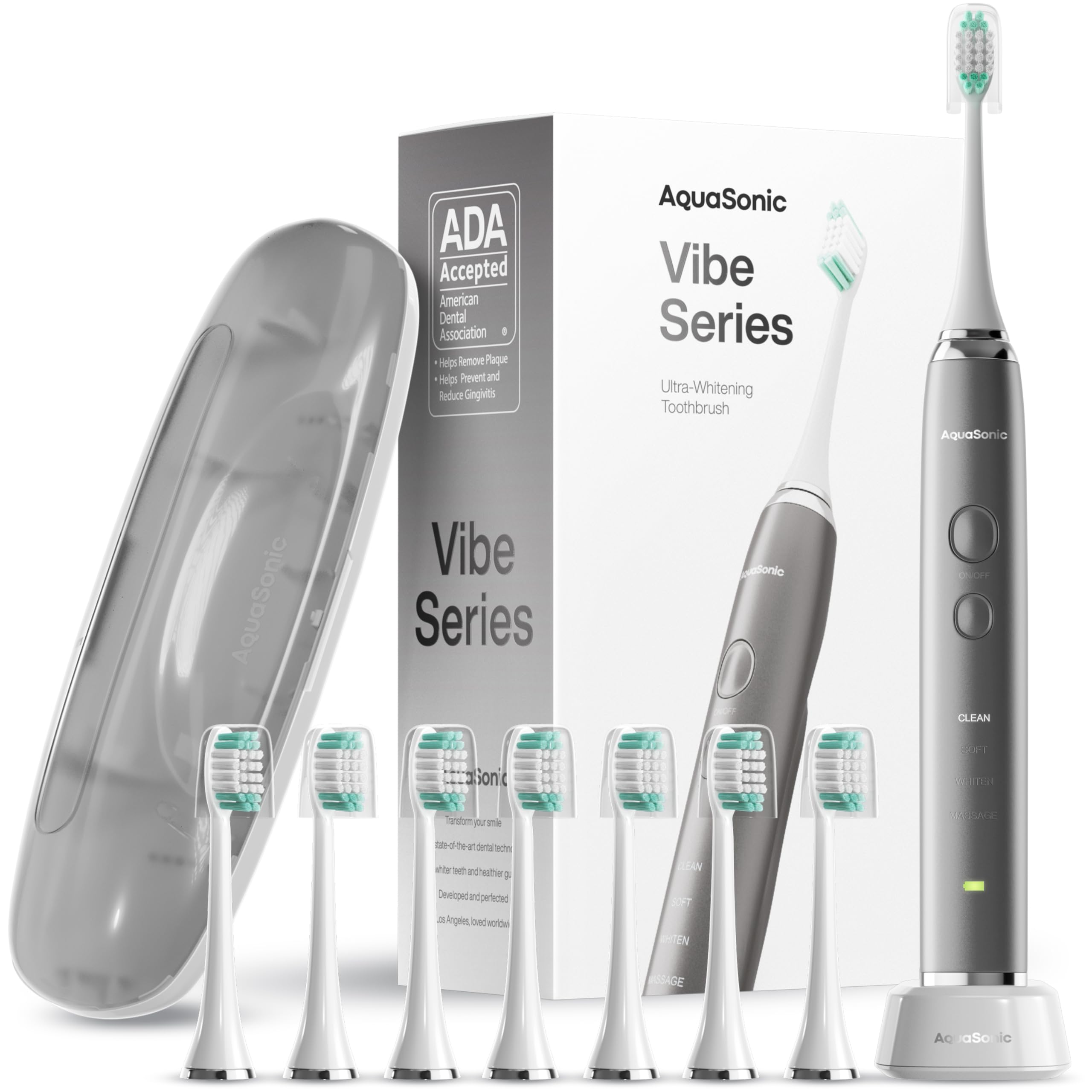
Brands often seek certification from organizations like the American Dental Association (ADA) or equivalent international bodies. Securing these seals requires consistent adherence to safety and efficacy standards, which involve audits and recurring administrative fees. These costs are reflected in the "premium" price, as they signify to the consumer that the product has undergone verification beyond basic consumer safety mandates.
Recurring Costs: The Replacement Head Ecosystem
A frequently overlooked aspect of toothbrush ownership is the cost of replacement heads. Manufacturers of expensive, proprietary electric toothbrushes often use unique mounting mechanisms that prevent the use of generic, cheaper brush heads.
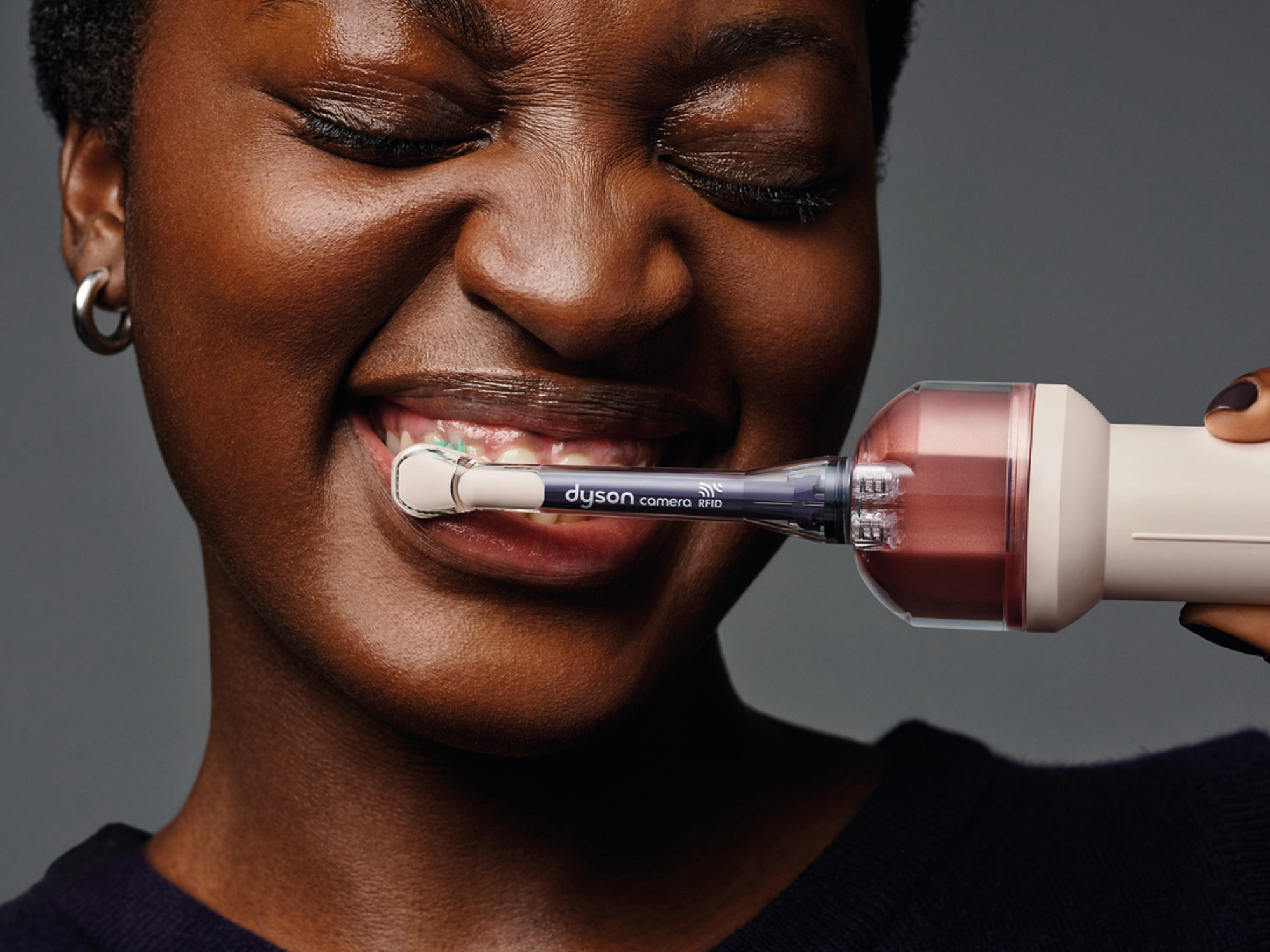
In 2026, many of these premium heads include integrated RFID or NFC tags. These chips communicate with the handle to track usage life and remind the user when to replace the head based on actual brush time rather than a calendar estimate. While this offers value by ensuring the bristles are always effective, it effectively locks the consumer into a branded replacement cycle that carries a higher profit margin for the manufacturer.
FAQ: Understanding Value in Oral Hygiene
Why do some brushes claim to be "AI-powered"? AI-powered brushes use onboard motion sensors (accelerometers and gyroscopes) to identify which quadrant of the mouth is being brushed. The "intelligence" aspect refers to the device's ability to analyze this motion data against a dental model to alert the user of missed spots, effectively turning brushing into a guided activity rather than a passive habit.
Are expensive toothbrushes actually better for my health? Evidence suggests that for a skilled user, a manual brush is effective. However, clinical studies often show that electric toothbrushes reduce more plaque and gingivitis over time because they compensate for human error—such as applying too much pressure or failing to brush for the recommended two minutes—through standardized mechanical action and feedback.
Is it worth paying for Bluetooth connectivity? If you struggle with maintaining a consistent routine or "skipping" areas of your mouth, the data feedback provided by a connected app can offer measurable behavioral benefits. For users with excellent manual technique, these features may offer diminishing returns.
How long should a premium toothbrush realistically last? A high-quality electric toothbrush should last at least three years. The most common point of failure is the lithium-ion battery, which loses its capacity to hold a charge over time. Higher-end models often use higher-quality cells that degrade slower, justifying the initial price.
Recommendation for Consumers
When evaluating the cost of an expensive toothbrush, assess your specific oral health needs rather than the feature set. If you are prone to gum recession, prioritize a model with a sensitive mode and robust pressure-sensing technology. If you are tech-savvy and benefit from gamification to ensure longer brushing times, the "smart" features of premium models provide a functional return on investment. If, however, you have consistent, excellent dental check-ups, the core benefit of an expensive toothbrush—standardized, effective cleaning—can often be achieved with a mid-range model that avoids the costs of Bluetooth and proprietary AI features.
Image Gallery