Movers to Load PODS Containers: Cost and Service Comparison
Hiring professional movers to load your PODS or similar portable storage containers is a highly effective strategy for those who want to avoid the physical strain of moving but still prefer the flexibility of a "you pack, we haul" serv...
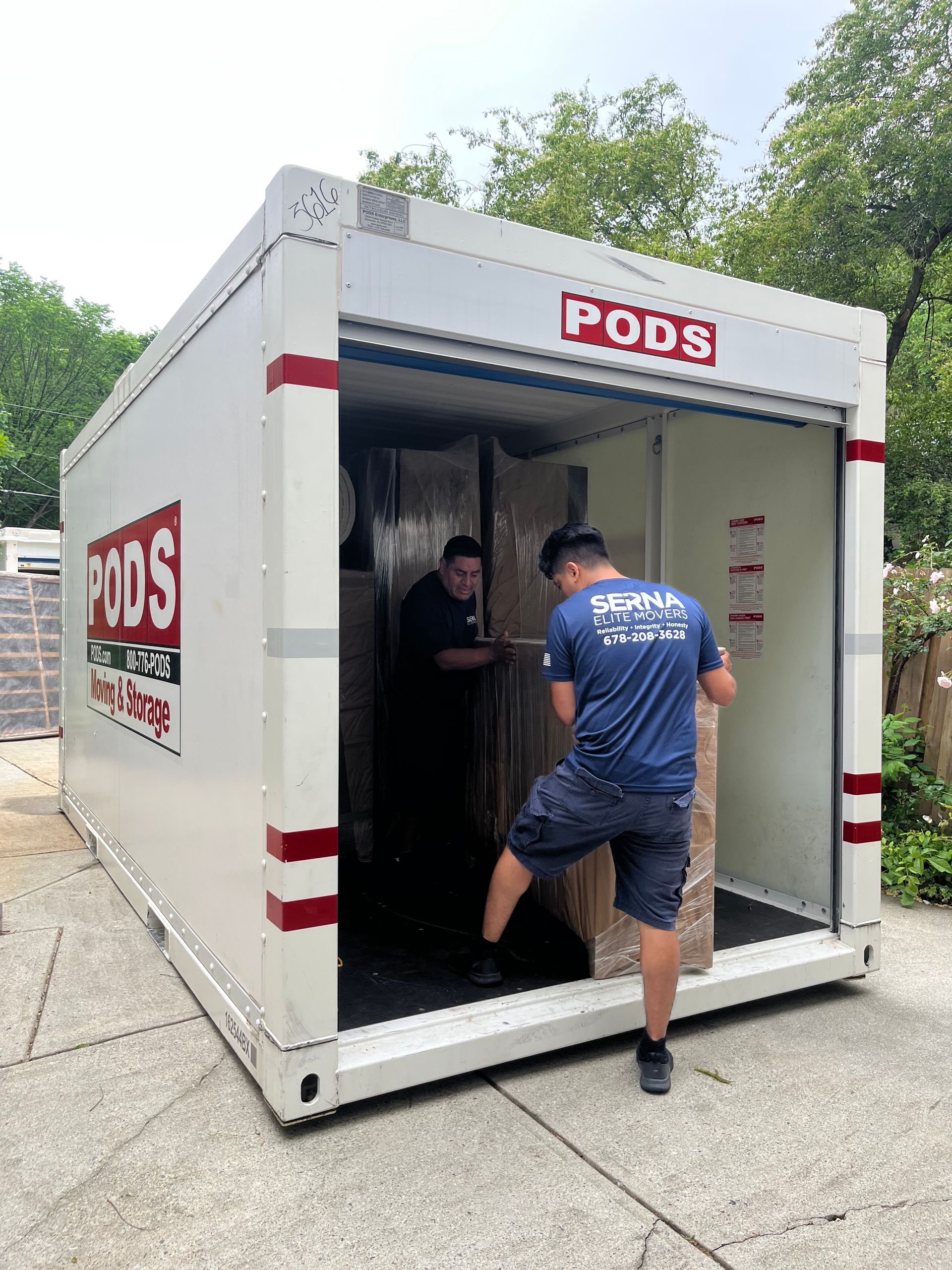
Hiring professional movers to load your PODS or similar portable storage containers is a highly effective strategy for those who want to avoid the physical strain of moving but still prefer the flexibility of a "you pack, we haul" service. This approach combines the professional expertise of labor-only moving crews with the convenience of a storage-based transport system, often resulting in significant cost savings compared to traditional full-service interstate moving companies.
Contents
Understanding the Logistics of Labor-Only Moving
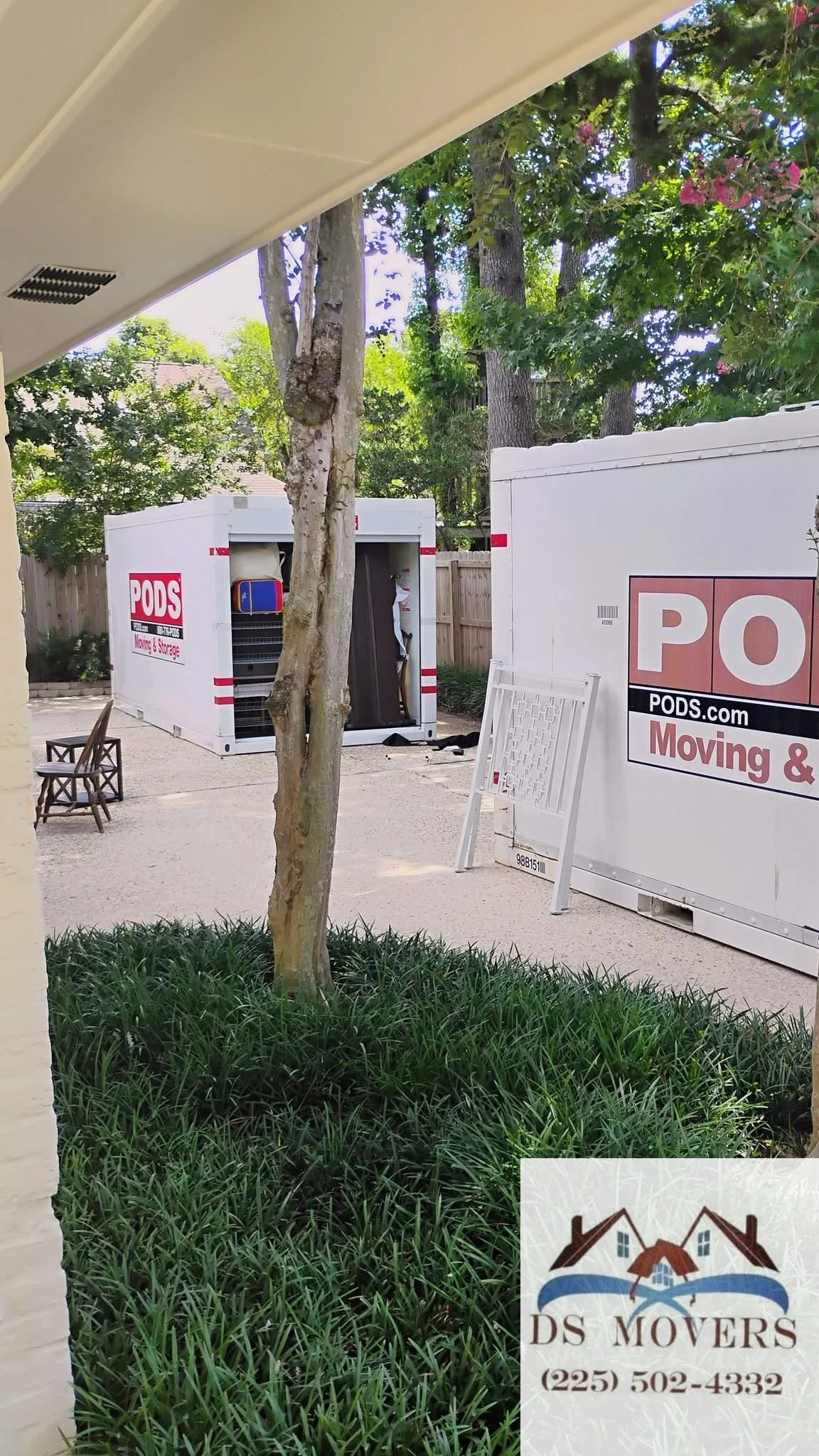
When you rent a portable storage container—often referred to as a PODS (Portable On-Demand Storage) container—you are responsible for the physical task of loading your household goods. While these containers are designed to be user-friendly, the actual process of stacking, securing, and balancing heavy furniture and boxes requires significant physical effort and spatial awareness.
"Labor-only" movers are professionals who specialize in the loading and unloading portion of a move without providing the truck or transportation logistics. By contracting these professionals to load your container, you ensure that your belongings are packed efficiently, maximizing the available cubic footage and minimizing the risk of shifting or damage during transit. This service is distinct from traditional full-service moving, where the company provides the vehicle, the labor, and the liability for transport.
Evaluating the Cost Structure
The cost of hiring professional loaders is typically calculated based on an hourly rate rather than the weight or volume of your items. As of 2026, labor-only moving services generally fall within a predictable pricing bracket, though costs fluctuate based on regional labor markets, the size of your container, and the complexity of your inventory.
Primary Cost Drivers
- Hourly Rates: Expect to pay between $40 and $80 per person, per hour. Most companies mandate a two- or three-hour minimum per crew.
- Crew Size: A standard 16-foot container usually requires two professional loaders to be completed efficiently within the allotted timeframe.
- Complexity Surcharges: Moves involving multiple flights of stairs, long distances between the front door and the container, or specialized items like pianos and safes will increase the labor time and cost.
- Geography: Urban centers with high costs of living will reflect higher labor rates compared to rural areas.
Comparison Table: Service Models for Container Loading
| Service Feature | Full-Service Movers | Labor-Only + PODS | DIY Loading |
|---|---|---|---|
| Transportation | Provided (Full truck) | Provided by PODS Co. | Provided by PODS Co. |
| Loading Labor | Professional Crew | Hired Laborers | Yourself / Family |
| Cost Predictability | High (Flat quote) | Moderate (Hourly) | Low (Time-dependent) |
| Physical Effort | None | Minimal | High |
| Control | Low (Carrier timeline) | High (Flexible) | High (Flexible) |
Strategic Benefits of Professional Loading
The primary advantage of hiring movers to load your container is the optimization of space. Professional loaders utilize "load planning" techniques, which involve placing heavy, stable items at the base and building upwards using specialized packing materials like moving blankets, tie-downs, and ratchet straps.
Because containers are susceptible to shifts during transport—especially when being lifted by mechanical cranes—the "load security" provided by professionals is a significant value-add. If an item is poorly secured inside a container, it can easily sustain damage that exceeds the cost of hiring two loaders for a few hours. Furthermore, professional loaders are accustomed to the dimensions of standardized containers, ensuring that doors close correctly and the internal weight distribution remains balanced.
Identifying Reliable Labor Providers
When searching for labor-only services to load your container, prioritize companies that are registered, bonded, and insured. Since these individuals will be handling your personal property, vetting is essential.
Steps to Verify Your Service Provider
- Check Credentials: Search for the provider in the database of your state’s Department of Transportation or relevant consumer affairs office.
- Review Insurance Coverage: Ask if the company provides "in-transit" or "storage-in-load" insurance. Many labor-only companies only cover damage caused to your property during the physical loading process; they generally do not cover damage that occurs once the container is in transit on the carrier's truck.
- Verify Experience: Ask the provider if they have specific experience loading your chosen container brand. Different brands may have unique tie-down point configurations that require specific equipment.
- Request Written Quotes: Avoid providers who give vague verbal estimates. Require a written document outlining the hourly rate, the minimum booking time, and any potential travel fees.
Common Mistakes to Avoid
- Underestimating Time: Most customers underestimate the time required to load a container. If you have a large home, consult with the loading company beforehand so they can provide a realistic estimate of the hours required.
- Insufficient Supplies: Do not assume the loaders will bring all necessary supplies. Clarify in advance whether you are expected to provide ratchet straps, moving pads, or shrink wrap.
- Ignoring Weight Limits: PODS and similar containers have specific weight capacity limits. If your household is heavy, ensure the loaders are aware of these limits to prevent safety violations.
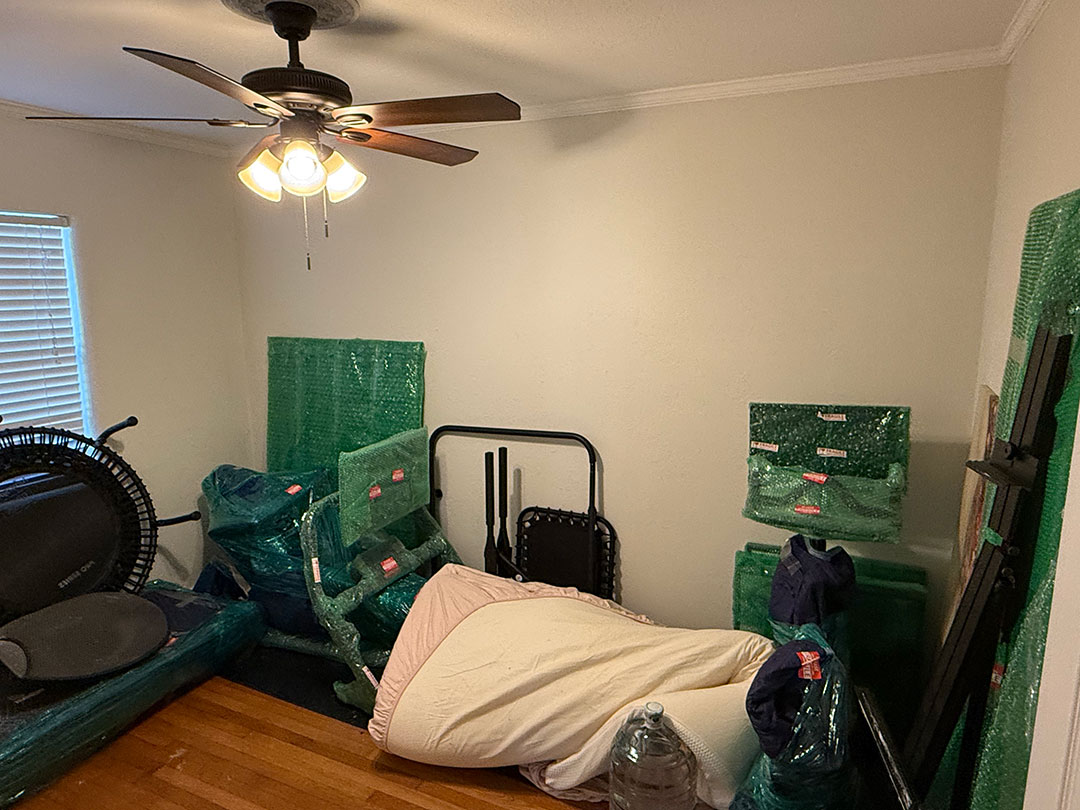
- Poor Organization: Have your items staged in a room near the exit before the loaders arrive. If the laborers have to carry items from the attic or basement, your hourly cost will balloon quickly.
Frequently Asked Questions
Do I need to provide insurance for the movers?
While legitimate companies carry their own general liability insurance, you should check your homeowner's or renter's insurance policy to see if it covers professional contractors working on your premises. Some moving-specific insurance companies offer "container-in-transit" coverage that acts as a bridge between the loading process and final delivery.
What is the typical timeframe for loading a 16-foot container?
For an average two-bedroom apartment, two professional loaders can typically finish loading a 16-foot container in three to four hours. A four-bedroom home may require a larger crew or six to eight hours of active labor.
Should I tip the loading crew?
Tipping is customary in the moving industry. If the loaders are efficient, careful with your items, and arrive on time, a tip of $20–$50 per person is standard, depending on the duration of the job and the difficulty of the loading environment.
Do I need to be present while the movers load the container?
Yes. You should be present to direct the loaders, point out high-value or fragile items, and ensure that items intended to stay behind are not packed into the container by mistake. Your presence also helps in deciding the order of loading if you need specific items accessible upon arrival.
What happens if the loaders run out of time?
Most professional labor-only companies will offer to stay longer at their standard hourly rate if the job runs over. Always have a contingency plan and extra budget in case the loading process takes longer than initially estimated.
Professional Recommendation
If you are considering this route, the most efficient path is to book your container delivery date at least 24 hours before your scheduled labor arrival. This ensures the container is properly leveled and staged. Prioritize companies that specialize in "labor-only" moves, as they often have more experience with the constraints of portable containers compared to full-service companies that may try to upsell you on unnecessary transport services. Always confirm that your chosen crew has the necessary ratcheting equipment, as failing to secure the load properly is the leading cause of damaged goods in containerized shipping.
Image Gallery