Ronnie McDowell: A Comprehensive Profile of the American Country Music Icon
Ronnie McDowell is an American country music singer and songwriter who achieved significant mainstream success during the late 1970s and 1980s. Best known for his 1977 breakout hit "The King Is Gone," which paid tribute to the late Elv...
Ronnie McDowell is an American country music singer and songwriter who achieved significant mainstream success during the late 1970s and 1980s. Best known for his 1977 breakout hit "The King Is Gone," which paid tribute to the late Elvis Presley, McDowell established a career characterized by his distinct baritone voice, a deep affinity for rockabilly and country traditions, and a versatile stage presence that has allowed him to remain a fixture in the music industry for nearly five decades.
Contents
Born in Portland, Tennessee, Ronnie McDowell transitioned from a background in commercial art to the professional music stage, where his ability to capture the vocal nuances of various legends helped him carve out a unique niche. Throughout his career, he has charted over 30 singles on the Billboard country music charts, including hits such as "Older Women," "You're Gonna Ruin My Bad Reputation," and "Watchin' Girls Go By." Beyond his recorded discography, McDowell is recognized for his enduring touring schedule and his ongoing contributions to country music culture, maintaining a loyal fan base through a combination of original material and authentic performance tributes.
Early Life and Musical Foundations
Before finding fame in the music industry, Ronnie McDowell led a life rooted in the rural landscape of Tennessee. Born in 1950, he did not initially set out to become a country music star. His early professional aspirations were focused on the visual arts; he spent time working as a sign painter and commercial artist. This background in art gave him an attention to detail that would later influence his stagecraft and professional discipline.
The turning point in his life occurred in the mid-1970s. McDowell, like many Americans, was deeply affected by the cultural impact of Elvis Presley. When Presley died in August 1977, the global mourning process was immense. McDowell, who had been writing songs and honing his vocal skills, composed "The King Is Gone." The song was an immediate, poignant success, capturing the collective grief of a nation. It sold millions of copies and thrust McDowell into the national spotlight almost overnight. This single event served as the foundation for his professional identity, bridging the gap between rock and roll’s past and the country music radio format that would define his future.
Artistic Style and Vocal Versatility
Ronnie McDowell is frequently categorized as a "country-pop" and "traditional country" artist. However, his work defies simple labels due to his vocal range and stylistic flexibility. His voice, a rich and resonant baritone, is frequently compared to the greats of mid-century country music.
Rockabilly Roots
While he is firmly established in the country genre, McDowell’s music often draws heavily from the rockabilly era. He possesses a natural talent for mimicking the vocal inflections of 1950s rock and roll stars, which contributed to his early success in tribute performances and thematic recording projects.
The Influence of Elvis Presley
McDowell’s career is inextricably linked to the persona and memory of Elvis Presley. Beyond his debut tribute song, McDowell recorded the soundtrack for the 1979 made-for-television film Elvis, providing the singing voice for Kurt Russell, who played the lead role. This role solidified his reputation as an authority on the sound and style of early rock and roll. Unlike many imitators, McDowell developed an approach that honored the source material while maintaining his own identity as a songwriter and performer.
Discography and Major Commercial Milestones
McDowell’s commercial peak spanned the late 1970s through the mid-1980s. During this period, he transitioned from a "one-hit wonder" status to a consistent hit-maker for labels such as Epic and Curb Records.
Chart Performance and Hits
His tenure at the top of the charts was driven by a string of songs that resonated with a middle-American audience. His hit "Older Women" reached number one on the Billboard Hot Country Singles chart in 1981. This track, along with "You're Gonna Ruin My Bad Reputation" and "In a New York Minute," showcased his ability to select material that balanced humor, romantic storytelling, and catchy hooks.
Comparison of Key Career Eras
The following table summarizes the primary phases of McDowell’s professional output and the focus of his work during those periods.
| Career Era | Primary Focus | Notable Characteristics |
|---|---|---|
| 1977–1979 | Early Breakthrough | Elvis Presley tributes, vocal impersonation roles. |
| 1980–1986 | Commercial Peak | Chart-topping country singles, radio dominance. |
| 1987–2000 | Consistency | Steady touring, collaborations, and regional hits. |
| 2001–Present | Legacy Touring | Live performances, gospel recordings, fan engagement. |
Touring and Live Performances
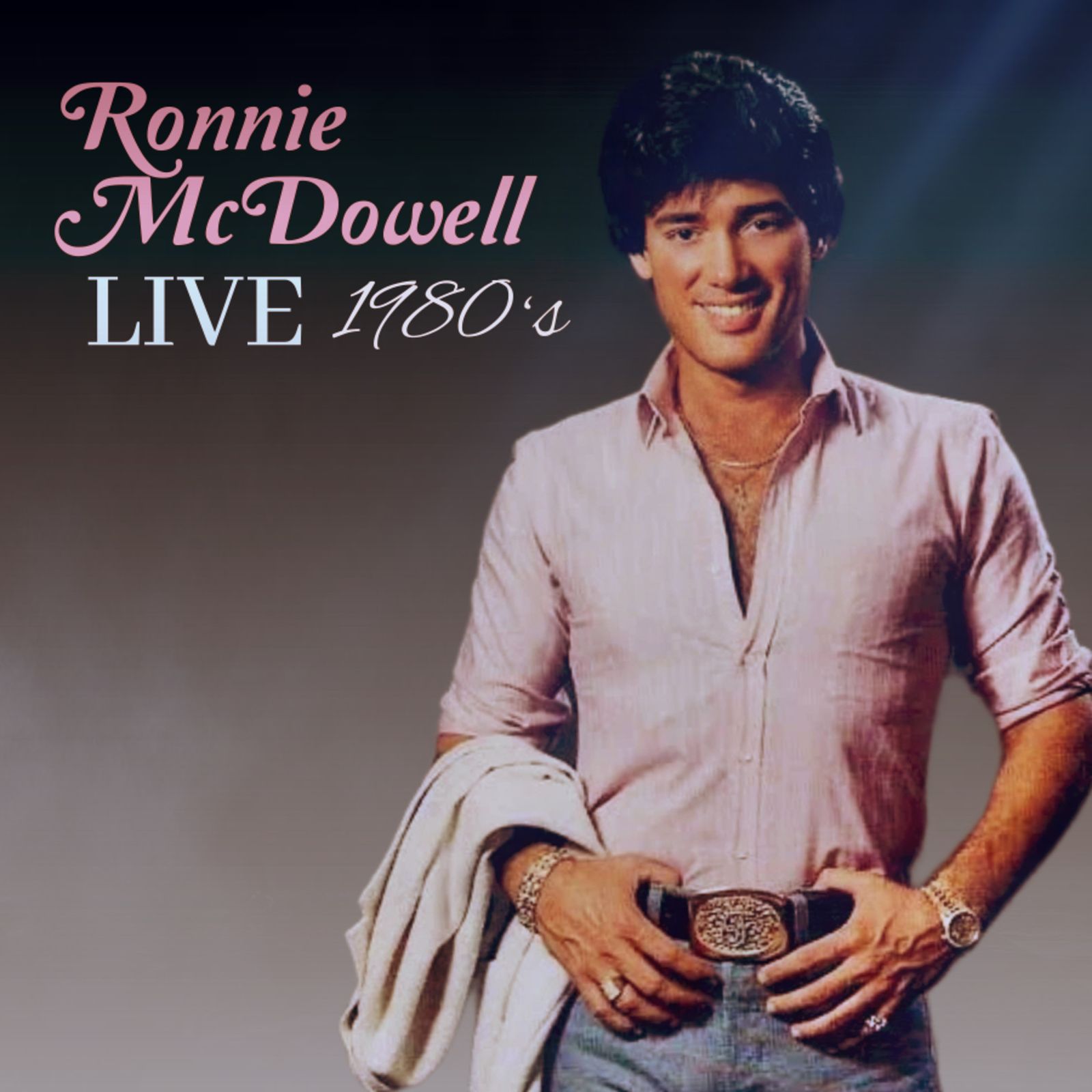
As of 2026, Ronnie McDowell remains an active presence in the live music circuit. Unlike artists who retired or pivoted to purely studio work after their radio-hit prime, McDowell built a sustainable model around consistent touring. His live shows are noted for their high energy and their inclusive nature; he frequently integrates stories about his early career, covers of 1950s rock hits, and his own catalog of country staples.
The endurance of his career is attributed to a combination of effective management of his brand and a dedicated, multi-generational fan base. His performances often take place in venues ranging from classic country dance halls to specialized music festivals, where the demand for traditional country sound remains high. By maintaining a high standard of stage performance, he has successfully transitioned from a 1980s radio star to a "legend" status performer who is sought after for classic country showcases.
The Role of Gospel and Personal Faith
Throughout his later career, McDowell has increasingly leaned into gospel and inspirational music. For many artists of his generation, this shift often reflects personal maturity and a desire to connect with the roots of Southern musical culture. His gospel albums serve as a different medium for his baritone voice, often focusing on acoustic arrangements that highlight his vocal clarity. This segment of his discography has helped broaden his reach, allowing him to perform in church circuits and faith-based events alongside secular venues.
Understanding the "King" Connection
A frequent question among new listeners or those curious about his history involves the "Elvis" connection. It is important to clarify that while McDowell is a prolific performer of Presley’s songs, he has never limited himself to that singular identity.
- Vocal Accuracy: His ability to emulate Presley’s voice was the catalyst for his professional career.
- Authenticity: He approached the tribute not as a caricature, but as a genuine fan and skilled musician.
- Professional Separation: He successfully developed his own voice and writing style, ensuring that his own hits—such as "Watching Girls Go By"—are remembered independently of his Elvis-related projects.
FAQ: Frequently Asked Questions
Is Ronnie McDowell still performing in 2026? Yes, Ronnie McDowell continues to tour and perform live. He maintains a schedule that includes theater dates, festivals, and special events where he performs both his original country hits and classic rock and roll standards.
What was his biggest career hit? While "The King Is Gone" was his breakout song, "Older Women" (1981) is often cited as his most successful radio hit, reaching the top of the Billboard Hot Country Singles chart and defining his commercial peak in the early 1980s.
Did Ronnie McDowell actually sing in the 1979 Elvis movie? Yes, Ronnie McDowell provided the singing voice for actor Kurt Russell, who portrayed Elvis Presley in the 1979 television film directed by John Carpenter. This was a significant moment in his career, as it showcased his vocal range to a national television audience.
What kind of music does he focus on now? His current musical focus is a blend of his classic country hits, rockabilly favorites, and gospel music. He tailors his performances to provide a nostalgic experience that covers the various eras of his long-standing career.
How can I verify his upcoming tour dates? Official tour schedules for established artists like Ronnie McDowell are best verified through his official website or verified social media channels, which serve as the primary sources for current event data and venue information.
Conclusion and Recommendations
For those looking to engage with the music of Ronnie McDowell, the best approach is to explore his early 1980s catalog to understand his impact on the country-pop crossover era. His work serves as a vital bridge between the rockabilly foundations of the 1950s and the structured commercial country of the 1980s. If you are a fan of traditional country vocals, his recordings from the Epic and Curb years offer a refined look at a performer who successfully maintained a balance between commercial trends and his personal artistic roots.
To experience his performance style in 2026, check local concert listings or regional country music festivals, as his live presence remains the most authentic way to appreciate his transition from a studio vocalist to a long-term touring entertainer.
Image Gallery