The Legacy of Even Stevens: Disney’s Paradigm Shift in Children’s Television
The legacy of Even Stevens on Disney Channel rests on its subversion of the traditional sitcom formula through eccentric humor, fourth-wall breaking, and a candid portrayal of suburban middle-school dynamics. Premiering in 2000, the se...
The legacy of Even Stevens on Disney Channel rests on its subversion of the traditional sitcom formula through eccentric humor, fourth-wall breaking, and a candid portrayal of suburban middle-school dynamics. Premiering in 2000, the series redefined the network's comedic identity by prioritizing character-driven absurdism over moralistic storytelling, ultimately serving as a foundational blueprint for the high-energy, personality-led content that defined Disney’s output for the next decade.
Contents
The Origin and Creative Departure
At the turn of the millennium, Disney Channel was transitioning from a niche premium service to a foundational pillar of cable television. Even Stevens arrived at a critical juncture, tasked with capturing the pre-teen demographic that was increasingly drawn to the irony-heavy humor of late 90s network television.
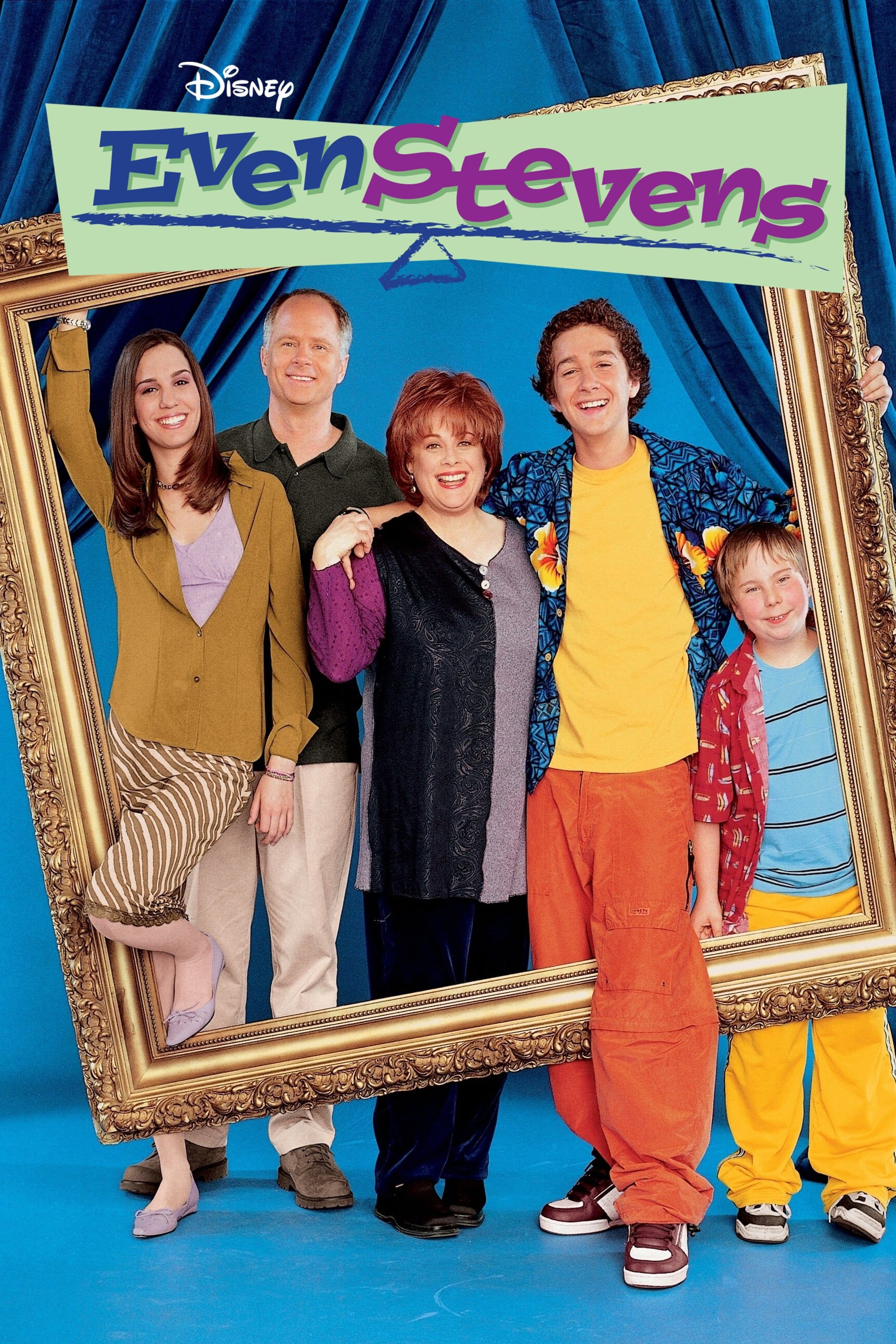
Created by Matt Dearborn, the show centered on the antagonistic yet deeply codependent relationship between Louis Stevens (Shia LaBeouf) and his older sister, Ren (Christy Carlson Romano). Unlike the saccharine family comedies of the era, Even Stevens embraced a chaotic, frantic energy. It utilized documentary-style confessionals—a rarity in children’s programming at the time—to provide insight into the characters' inner monologues. This narrative technique allowed the show to play with reliability and perspective, framing everyday childhood occurrences, such as a school dance or a history project, as high-stakes geopolitical conflicts.
Narrative Stylization and Technical Innovation
The production design and editing style of Even Stevens set it apart from its contemporaries like Lizzie McGuire. The camera work was often handheld and kinetic, mirroring the impulsivity of the protagonist. While sitcoms of the era typically utilized a traditional three-camera setup with static lighting, the team behind Even Stevens experimented with faster cuts and exaggerated sound design that mimicked the pacing of Looney Tunes or sketch comedy programs.
This stylistic choice was not merely aesthetic; it was functional. By leaning into the "weirdness" of the Stevens family and their neighbors, the writers could explore surrealist scenarios without losing the audience's investment in the core emotional arcs. The show’s ability to pivot from a slapstick premise to a genuine moment of sibling solidarity is widely cited by television historians as a maturation of the Disney sitcom format.
Cultural Impact and Character Archetypes
The show’s longevity is largely attributed to its nuanced character archetypes. Ren Stevens, often portrayed as the hyper-achieving, anxious, and socially conscious sister, provided a grounded counterpoint to the anarchic, mischievous, and often unmotivated Louis.
Their dynamic created a template that Disney would replicate for years: the "straight man" over-achiever paired with the "chaos agent" underdog. This binary allowed for a wide range of relatable scenarios for the target audience. Students could identify with Ren’s academic pressures and social navigation, while also indulging in the wish-fulfillment of Louis’s reckless behavior and refusal to conform to institutional standards. The supporting cast, including the eccentric Beans (Steven Anthony Lawrence) and the dim-witted but loyal Alan Twitty (A.J. Trauth), rounded out a universe that felt uniquely lived-in and specific to its suburban California setting.
Comparative Analysis of Early 2000s Disney Sitcoms
| Show Title | Primary Appeal | Core Dynamic | Narrative Tone |
|---|---|---|---|
| Even Stevens | Absurdist Comedy | Rivalrous siblings | Kinetic, irreverent |
| Lizzie McGuire | Relatability | Best friend trio | Thoughtful, diary-style |
| That’s So Raven | Physical Comedy | Supernatural secret | Theatrical, high-stakes |
| Kim Possible | Action/Adventure | Mission-based | Cinematic, heroic |
The Launchpad for Talent
Beyond its creative influence, Even Stevens functions as a historical waypoint for the careers of its cast members. The show provided a rigorous training ground for performers who would go on to shape mainstream entertainment. Shia LaBeouf’s transition from a child actor in a Disney sitcom to an experimental dramatic performer is a narrative arc often discussed in the context of child stardom.
The show did not demand that its actors maintain a pristine image; instead, it required them to commit to physical comedy and complex timing. This professional requirement pushed the cast to develop a technical versatility that served them well in adult roles. The legacy of the show is therefore tied to its role as a "proving ground" for a generation of performers who learned how to anchor a scene under heavy production pressure.
Historical Context and Institutional Shifts
When analyzing the legacy of Even Stevens in 2026, it is necessary to view it through the lens of early 21st-century media consolidation. Disney was refining its "brand identity" to ensure that the transition from broadcast television to dedicated cable channels was seamless. Even Stevens provided the network with a signature "voice"—a blend of suburban domesticity and subverted expectations.
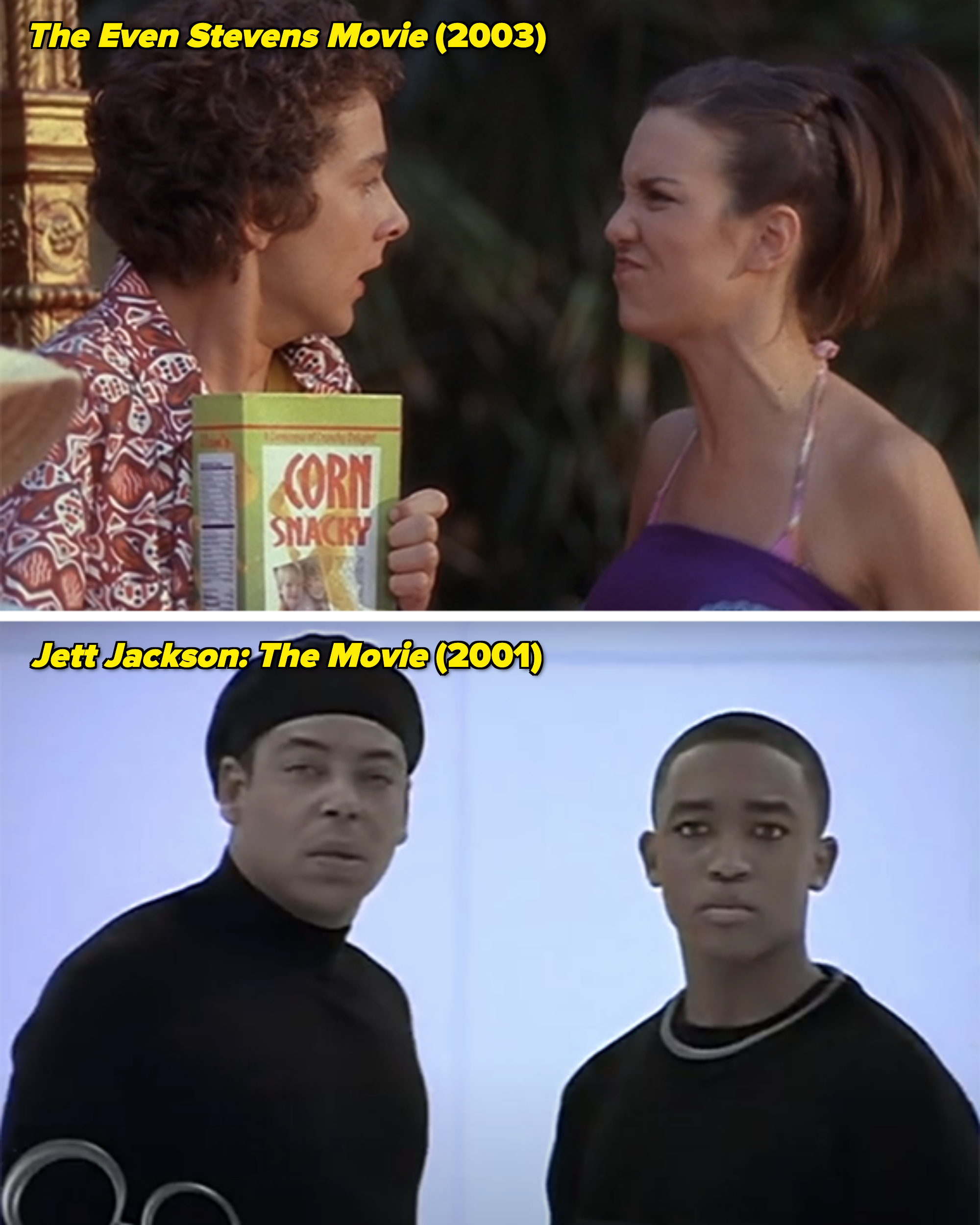
The show concluded its run in 2003 with The Even Stevens Movie, a project that demonstrated Disney’s growing ambition to extend successful television IPs into larger cinematic events. This strategy, while common today, was a sophisticated development in 2003. It signaled that the network’s characters held enough cultural weight to drive narrative arcs beyond the standard 22-minute episode.
Enduring Appeal and Modern Consumption
In 2026, the series occupies a "nostalgia premium" space. Platforms like Disney+ allow for the episodic consumption of the show by an audience that has aged into adulthood. Because the writing avoided overly specific cultural references, the series remains remarkably watchable. Its focus on the fundamental tension of sibling rivalry and the absurdity of school life is universal, shielding it from the obsolescence that often plagues time-locked children’s media.
Critics frequently note that Even Stevens possessed an "adult-adjacent" wit. The writers were permitted to include jokes and structural irony that appealed to parents watching alongside their children, a practice that cemented the show's place as a family viewing staple rather than just a children's program.
Frequently Asked Questions
Why was the show cancelled after three seasons? The show was not cancelled due to a lack of popularity; rather, it reached a natural conclusion after 65 episodes. This was a standard business practice for Disney Channel at the time, ensuring that series remained fresh and that child actors were given the opportunity to move on to different roles.
Did the show have a direct influence on later Disney sitcoms? Yes. The "chaotic sibling" dynamic and the use of fourth-wall-breaking monologues were heavily integrated into shows like Phil of the Future and Wizards of Waverly Place, which refined the Even Stevens model of blending high-concept premises with grounded family conflict.
What role did Shia LaBeouf play in the show's success? LaBeouf’s performance as Louis Stevens provided the emotional and comedic backbone of the series. His ability to switch between slapstick antics and genuine vulnerability allowed the show to balance its lighter moments with emotional beats that resonated with its audience.
Is the show considered a 'cult classic' in 2026? While it was a mainstream success during its initial run, it has achieved cult classic status in retrospect. Modern audiences and critics analyze the show’s technical merits and its role in disrupting the "polite" child-star image, cementing its reputation as a pioneer of early 2000s teen television.
Next Steps for Enthusiasts
For those interested in exploring the legacy of the show, the recommended approach is a comparative watch-through of the pilot and the series finale. Observe the evolution in camera technique and the increased complexity of the writing between 2000 and 2003. Engaging with the show’s original broadcast context—specifically the shift in Disney Channel's programming strategy—offers a clearer picture of how Even Stevens acted as a bridge between the network’s early years and its eventual dominance in global children’s entertainment.
Image Gallery