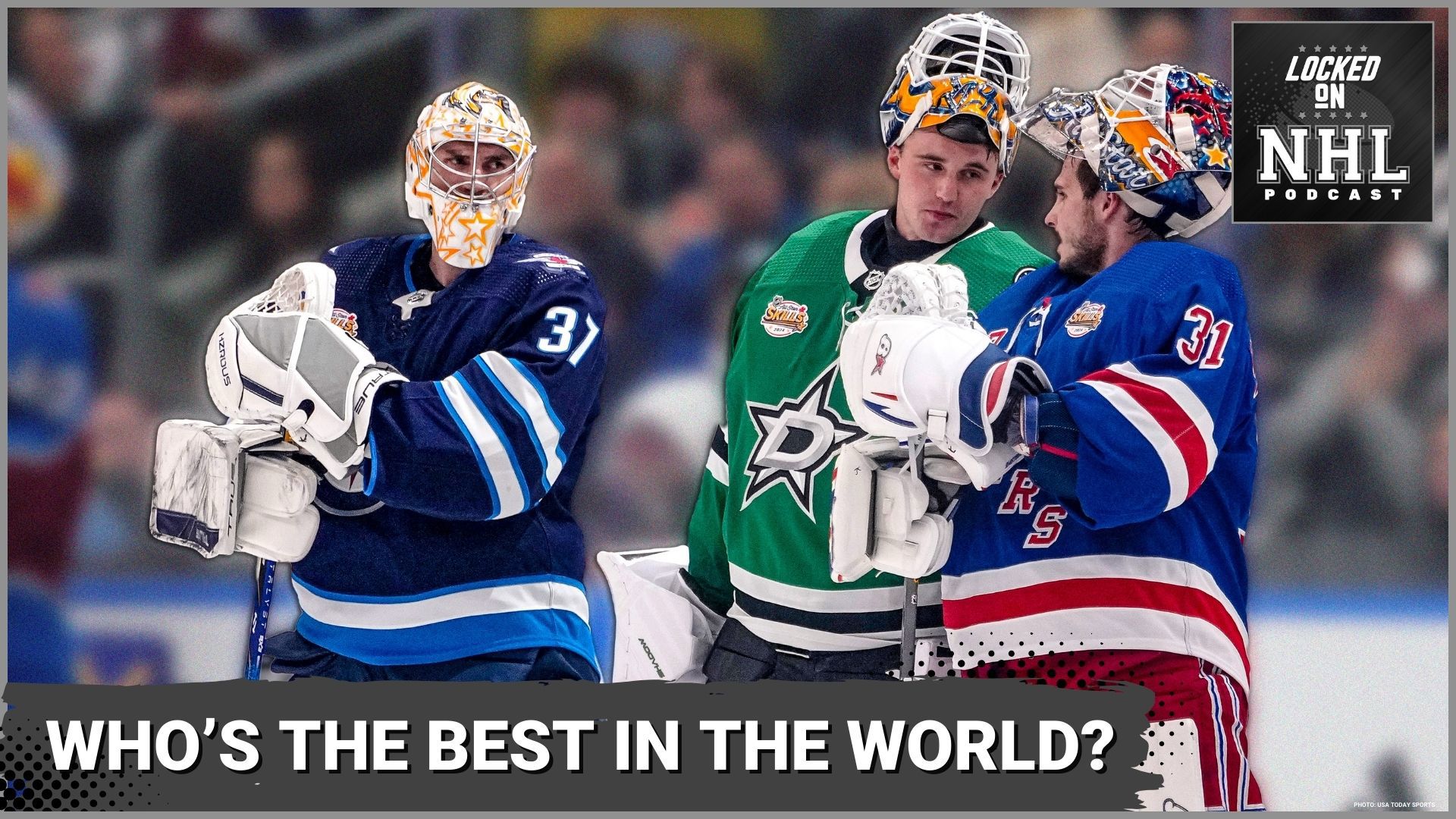
Top 10 Best Goalies in the NHL Who Lead the Rink
Identifying the top 10 goalies in the NHL who lead the rink requires balancing raw statistical output—such as save percentage (SV%) and goals-against average (GAA)—with the intangible ability to control the pace of play, command the de...
Identifying the top 10 goalies in the NHL who lead the rink requires balancing raw statistical output—such as save percentage (SV%) and goals-against average (GAA)—with the intangible ability to control the pace of play, command the defensive zone, and deliver high-pressure victories. As of the 2026 season, the most effective goaltenders are those who combine technical proficiency with superior situational awareness, acting as the primary strategist for their team’s defensive structure.
Contents
The Role of the Goaltender as a Tactical Leader
The modern NHL goaltender is far more than a "stopper." To lead the rink, a netminder must act as the on-ice general. This involves directing traffic for defenseman, managing the rebound environment, and executing precise puck-handling maneuvers to alleviate pressure during forechecks. A goalie who effectively leads the rink significantly lowers the cognitive load on their defenders, allowing the team to transition from defensive zone coverage to an offensive breakout with greater efficiency.
In the current professional landscape, leadership in the crease is defined by consistency under duress. The most valuable goalies are those who maintain technical discipline when their team is trapped in their own zone for extended shifts. They minimize second-chance opportunities, neutralize high-danger scoring lanes, and dictate the tempo by choosing when to freeze the puck versus when to play it to teammates.
Defining the Elite Tier: Statistical vs. Intangible Metrics
When evaluating the top 10, analysts rely on a combination of traditional and advanced metrics. While traditional statistics like GAA provide a surface-level view of team success, advanced analytics, such as Goals Saved Above Expected (GSAx), offer a deeper look at the goalie's ability to stop high-quality shots that would typically result in a goal.
- Save Percentage (SV%): The primary indicator of a goalie's effectiveness at stopping pucks across all shot volumes.
- Goals-Against Average (GAA): Reflects the team's defensive strength combined with the goalie's performance.
- Goals Saved Above Expected (GSAx): The most critical metric for evaluating "leadership" as it accounts for the location, velocity, and traffic associated with every shot faced.
- Rebound Control: An intangible metric that tracks how effectively a goalie pushes the puck to the corners or freezes it, preventing immediate second-chance opportunities.
Top 10 NHL Goaltenders: The 2026 Standing
The following list reflects the current elite tier of NHL goaltenders who have consistently demonstrated the ability to command the rink through the 2026 season. These players have maintained high GSAx ratings and significant impact on their team's defensive zone metrics.
| Goalie | Key Strength | Impact Style |
|---|---|---|
| Igor Shesterkin | Technical Precision | Positional Anchor |
| Andrei Vasilevskiy | Athleticism | High-Pressure Response |
| Connor Hellebuyck | Durability | Volume Shot Suppression |
| Juuse Saros | Compactness | Low-Angle Efficiency |
| Thatcher Demko | Reaction Time | Elite Glove/Blocker Use |
| Ilya Sorokin | Flexibility | High-Danger Neutralization |
| Jeremy Swayman | Consistency | Rebound Management |
| Jake Oettinger | Size/Presence | Angle Coverage |
| Sergei Bobrovsky | Experience | Late-Game Composure |
| Stuart Skinner | Adaptability | Transition Offense |
Note: This list is based on cumulative performance data as of the 2026 NHL season. Performance rankings are subject to change based on injury, team system transitions, and seasonal variance.
Technical Requirements for Rink Leadership
To be considered a leader on the ice, a goaltender must demonstrate mastery over the physical and mental demands of the position. These prerequisites separate the elite from the average:
1. Puck-Handling Intelligence
Modern NHL strategies rely heavily on the transition game. A goalie who can stop a puck behind the net, identify an open winger, and initiate a breakout pass is an immense asset. This skill reduces the amount of time an opponent spends in the offensive zone, effectively "leading" the play from behind the red line.
2. Traffic Management
In the contemporary game, offensive players are coached to crowd the crease. A top-tier goalie must be able to communicate effectively with defensemen to clear paths and create sightlines. If a goalie is constantly screened, they lose the ability to read the play, which prevents them from leading the defensive structure.
3. Mental Resilience
Leadership in the crease is as much psychological as it is physical. An elite goalie must be able to reset instantly after conceding a goal. Their ability to remain unfazed dictates the confidence of the entire team. If the goalie remains calm, the team is more likely to trust their defensive structure and avoid panicked, high-risk plays.
Common Challenges in Defensive Coordination
Even the most talented goalies face challenges that can compromise their ability to lead the rink. The most common issues include:
- Inconsistent Defensive Coverage: When defensemen are out of position, the goalie is forced into "hero-mode," which can lead to fatigue and technical breakdowns over the course of an 82-game season.
- Transition Fatigue: Teams that emphasize high-speed offensive transitions often leave the goalie exposed on odd-man rushes. Managing these situations requires extraordinary anticipation.
- Equipment and Physical Stress: Modern NHL gear is optimized for speed and safety, but the physical toll of 60+ minutes of high-intensity movement remains high. Maintaining physical conditioning throughout the season is a critical requirement for sustained leadership.
Frequently Asked Questions
What does it mean for a goalie to "lead the rink"?
Leading the rink refers to a goalie's influence on the overall defensive structure. It includes directing teammates, managing the flow of the game through puck-handling, and maintaining a level of calmness that dictates the team’s confidence.
How do advanced stats like GSAx change the view of a goalie?
GSAx filters out "easy" shots and focuses on how many goals a goalie prevents based on the difficulty of the shots faced. It is the most accurate tool to measure a goalie's true impact versus the benefit they receive from a strong defensive team.
Is size the most important factor in modern goaltending?
While taller goalies can cover more of the net and are currently favored by NHL organizations, elite movement and spatial awareness remain the most vital traits. Size is a benefit, but it cannot replace technical proficiency and mental discipline.
How does a goalie’s relationship with their defense affect their rank?
A strong partnership between a goalie and their defense core is essential. If a goalie trusts their defense to take away lanes, they can hold their ground and maintain position. If they don't, they are forced to overcompensate, which leads to lower efficiency scores.
What is the most critical skill for a 2026-era goalie?
Adaptability is the most critical skill. As offensive strategies evolve to favor east-west passing and high-velocity point shots, goalies must be able to adjust their positioning instantaneously to cover cross-seam plays.
Strategic Recommendation for Aspiring Talent
For those observing the game or looking to refine their own understanding of goaltending, the primary takeaway is to focus on consistency of process over singular highlight saves. The top goalies in the NHL do not just stop pucks; they prevent the need for spectacular saves by maintaining perfect positioning. To analyze a goalie’s true value, track their rebound control and their communication with defenders during high-traffic situations. This will provide a clearer picture of who truly leads the rink than any highlight reel could ever offer.
Image Gallery