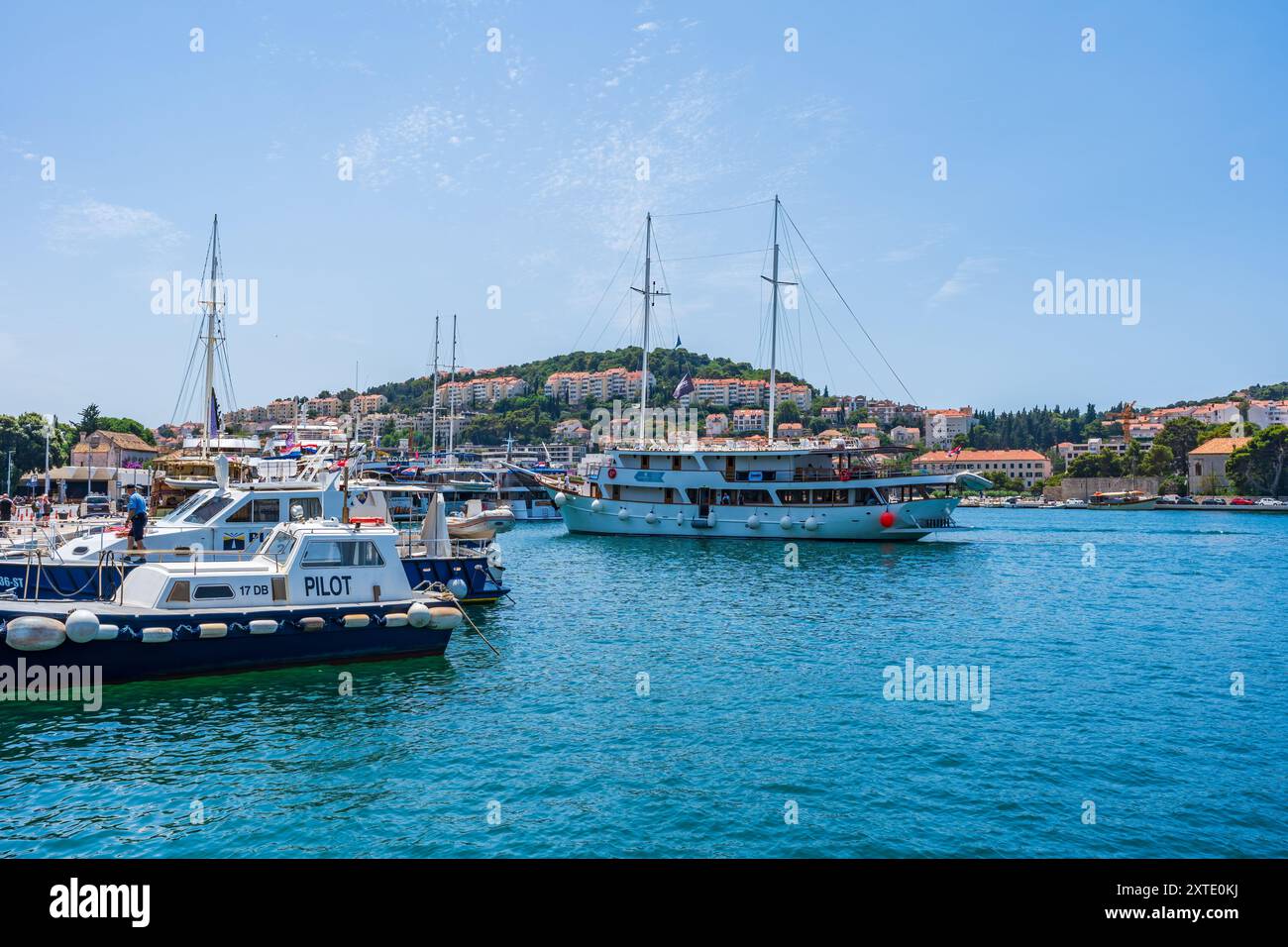
Navigating the Dubrovnik Cruise Port: A Comprehensive Guide for Travelers
The Dubrovnik Cruise Port, located in the Gruž district, serves as the primary gateway for maritime tourism in Southern Dalmatia. Situated approximately three kilometers from the historic Old Town, it operates as a major transit hub fo...
The Dubrovnik Cruise Port, located in the Gruž district, serves as the primary gateway for maritime tourism in Southern Dalmatia. Situated approximately three kilometers from the historic Old Town, it operates as a major transit hub for both Mediterranean cruise lines and local ferry services. Understanding its logistics, transportation options, and regulatory environment is essential for a seamless arrival or departure experience in 2026.
Contents
Understanding the Location: Gruž Harbor
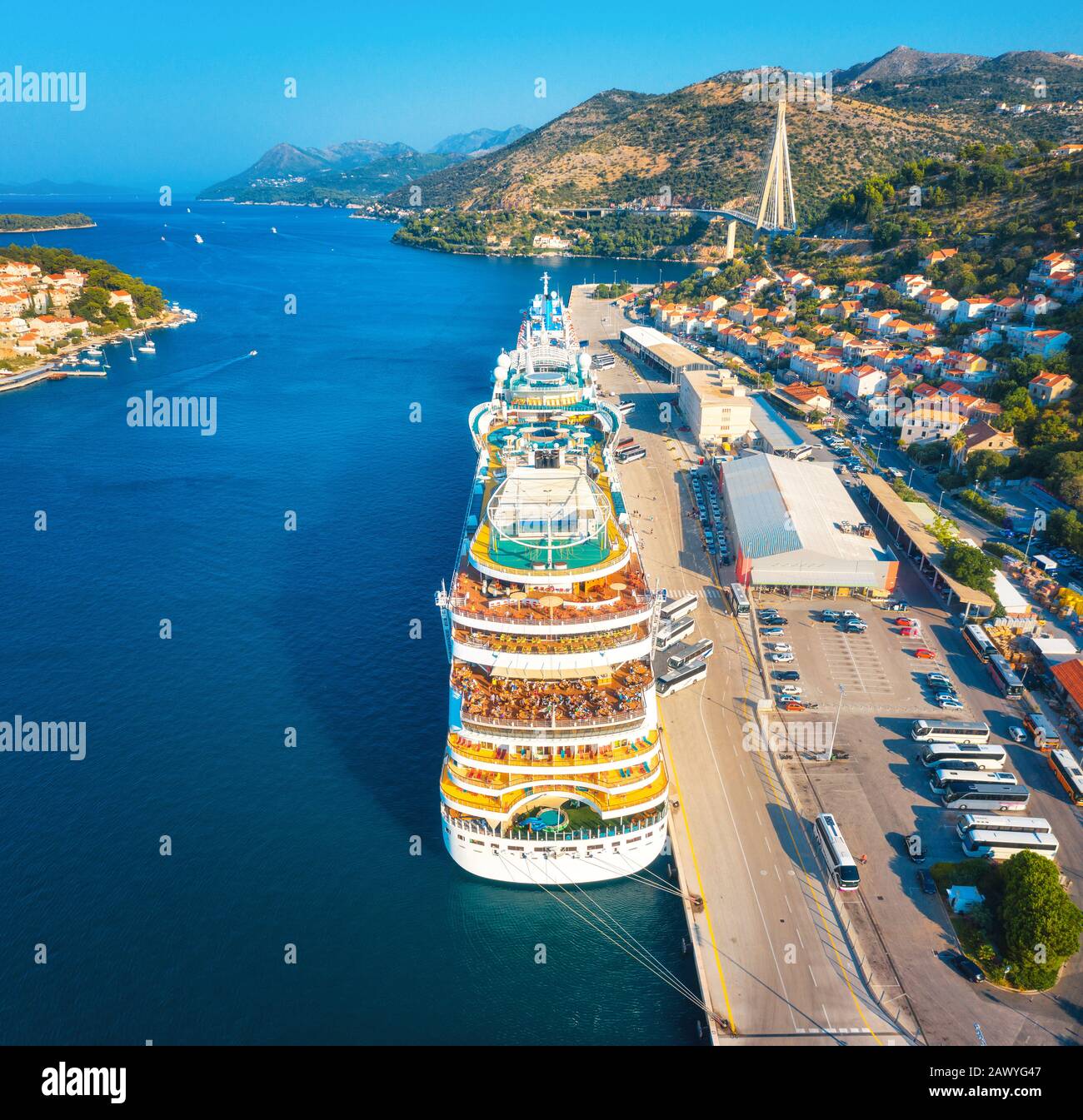
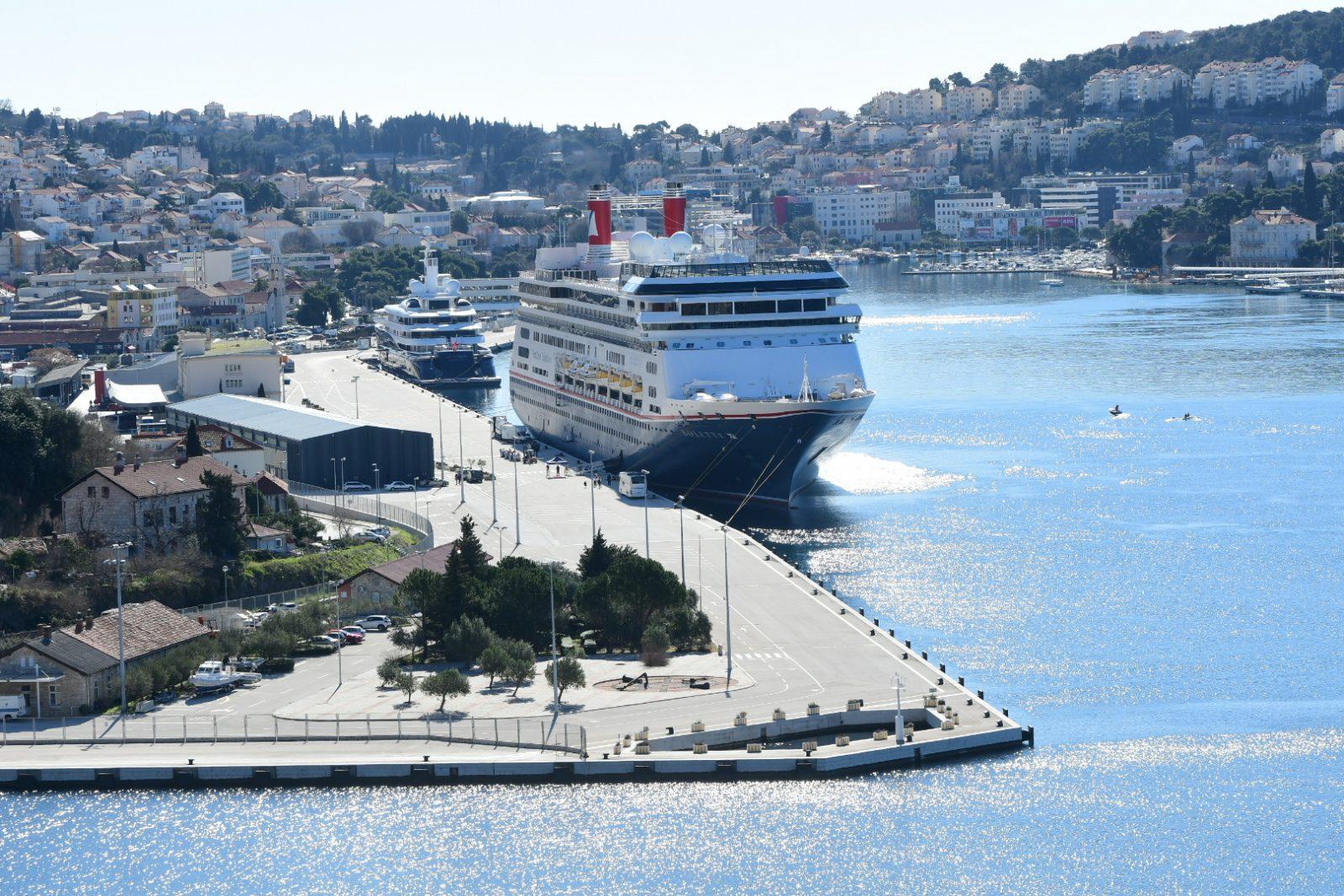
The cruise ship terminal is located in Gruž, the commercial heart of Dubrovnik’s port operations. Unlike the historic Old Town, which is a protected UNESCO World Heritage site with limited vehicular access, Gruž is a functional maritime hub. Most large cruise vessels dock at the Port of Gruž, while some smaller ships or those arriving during peak capacity may utilize an anchorage point outside the harbor, necessitating a tender boat transfer to the pier.
Navigating the transition from the ship to the city requires a basic understanding of the layout. The terminal building houses essential passenger services, including tourist information, currency exchange, and luggage storage. If your vessel anchors in the bay, you will be ferried to the main pier, where you can easily access ground transportation. Because the cruise port is geographically distinct from the Pile Gate—the primary entrance to the Old Town—you must plan for a short transit to begin your sightseeing.
Logistics and Transportation from the Port
Once you disembark, several transit options exist to reach the historic city center. The choice depends on your budget, mobility requirements, and available time.
- Public Bus: The most cost-effective method is the Libertas Dubrovnik bus service. Lines 1A, 1B, and 3 run frequently between the Gruž terminal and the Pile Gate. You can purchase tickets at the kiosk near the station or directly from the driver, though exact change is recommended.
- Taxis and Ridesharing: Official taxi ranks are located immediately outside the cruise terminal. Ensure the taxi uses an official meter or agrees to a fixed price before departure. Ridesharing apps also operate within the city, providing a transparent pricing model for those traveling in groups.
- Shuttle Services: Many cruise lines offer dedicated shuttle buses that drop passengers near the Pile Gate. While convenient, these are often included in the cruise fare or sold as a premium excursion add-on.
- Walking: While the distance is approximately three kilometers, the walk follows the coastal road along the Lapad Peninsula. It is a scenic route but can be taxing in the intense heat of the peak summer months.
Comparative Overview of Transit Options
| Transit Method | Approximate Time | Cost Factor | Suitability |
|---|---|---|---|
| Public Bus | 15–20 minutes | Low | Budget travelers |
| Taxi/Rideshare | 10 minutes | Moderate | Groups/families |
| Cruise Shuttle | 10–15 minutes | Variable | Convenience-focused |
| Walking | 40–50 minutes | Free | Fitness-focused |
Navigating Regulations and Accessibility
Dubrovnik has implemented strict "Respect the City" regulations to mitigate the impact of mass tourism on the fragile historic infrastructure. As of 2026, visitors must adhere to specific rules regarding conduct within the Old Town. This includes maintaining appropriate attire—modest clothing is required when entering churches—and strict waste management protocols.
Accessibility at the cruise port has seen significant improvements, yet travelers with mobility issues should exercise caution. The Old Town is famous for its steep limestone steps and uneven cobblestone streets. While the Gruž terminal is wheelchair-accessible with ramps and elevators, the ancient city center remains challenging. If you require specialized assistance, it is recommended to contact your cruise line’s shore excursion department prior to arrival to confirm the availability of accessible transport vehicles that can navigate the city’s perimeter.
Port Infrastructure and Passenger Facilities
The terminal area is designed to process high volumes of passengers efficiently. It features a modern arrivals hall, but during peak hours, congestion is common. Travelers should prepare for potential delays during the disembarkation process, particularly during the mid-morning hours when multiple vessels may be in port simultaneously.
Key facilities available at or adjacent to the port include:
- Luggage Storage: Available for those who arrive early or have late departures, allowing for a hands-free exploration of the city.
- Currency Exchange and ATMs: Located within the terminal and along the main road of Gruž. It is advisable to use ATMs associated with recognized banks to avoid excessive transaction fees.
- Connectivity: Free Wi-Fi is generally available within the terminal building, though speeds may fluctuate during high-occupancy periods.
- Tourism Information: The official Dubrovnik Tourist Board maintains a desk at the port providing maps, event schedules, and guidance on local attractions.
Managing Expectations for "Respect the City"
The city of Dubrovnik manages cruise traffic to protect the integrity of its historic monuments. The local authorities coordinate with the cruise lines to stagger arrival and departure times, aiming to keep the number of cruise passengers within the city walls to a sustainable level. Consequently, you may find that your time in port is strictly scheduled. To maximize your experience, prioritize your "must-see" sites, such as the City Walls or the Rector’s Palace, early in your visit to avoid the afternoon peak.
Frequently Asked Questions
Is the cruise port within walking distance of the Old Town? No. While it is a walkable distance of approximately three kilometers (about 1.8 miles), it takes roughly 45 to 50 minutes. Most visitors opt for the public bus, taxi, or cruise-provided shuttle to save time and energy for exploring the historic center.
Do I need local currency to pay for the bus at the port? Yes, it is highly recommended to have Croatian Euros in small denominations. While some bus drivers may accept cards, cash is the most reliable method for quick transactions on local public transport.
Are there restrictions on visiting the City Walls? Yes. Access to the City Walls requires an entrance fee, and ticket sales may be restricted or paused during periods of extreme overcrowding. It is advisable to purchase tickets online in advance if your cruise line allows, or arrive as early as possible.
Can I store my luggage at the cruise port? Yes, there are designated luggage storage facilities located in or very near the port terminal. These are convenient if you have several hours between your ship's arrival and your scheduled tour or departure.
What is the best way to avoid crowds in the Old Town? The best way to avoid peak congestion is to visit during the shoulder seasons (spring or autumn) or to explore the city in the late afternoon after most day-trippers have returned to their ships. If you are in port for a full day, plan your visits to the most popular sites during the lunch hour or late in the day.
Professional Guidance for Your Visit
To ensure a successful visit to Dubrovnik, approach your time in port with a clear itinerary. The Old Town is dense with history, and attempting to see every museum and monument in a single afternoon often leads to unnecessary exhaustion. Instead, focus on a specific route: walk the City Walls first, followed by a visit to the Stradun, and conclude with a quiet coffee or meal in one of the hidden squares away from the main thoroughfare.
For those requiring medical, legal, or urgent financial assistance, please note that the port administration can provide contact information for the nearest medical clinics or consular services. In cases of emergencies, the national emergency number in Croatia is 112. Always ensure you carry a copy of your passport and your cruise boarding pass, as these are frequently required for port security and local services.
Image Gallery