Endpoint Protection Software Essentials: A Comprehensive Guide for 2026
Endpoint protection software essentials consist of multi-layered security technologies designed to secure individual devices—such as laptops, mobile phones, and servers—from sophisticated cyber threats. These core components include ad...
Endpoint protection software essentials consist of multi-layered security technologies designed to secure individual devices—such as laptops, mobile phones, and servers—from sophisticated cyber threats. These core components include advanced behavioral threat detection, automated incident response, vulnerability management, and data encryption, providing comprehensive visibility and control across an organization's entire digital perimeter in a zero-trust environment.
Contents
As we move through 2026, the landscape of cybersecurity has shifted from reactive defense to proactive, AI-driven resilience. The proliferation of remote work, the integration of Internet of Things (IoT) devices into corporate networks, and the increasing sophistication of ransomware-as-a-service (RaaS) have made traditional antivirus solutions obsolete. Modern endpoint protection is no longer a single application but a unified ecosystem designed to prevent, detect, and remediate threats at the edge of the network.
The Evolution from Antivirus to Endpoint Protection Platforms (EPP)
Historically, endpoint security relied on signature-based detection. This method involved comparing files against a database of known malware "signatures." While effective against established threats, it failed to stop "zero-day" attacks—threats that are brand new and not yet documented.
In 2026, the standard for protection is the Endpoint Protection Platform (EPP). An EPP is an integrated suite of technologies designed to prevent file-based malware attacks, detect malicious activity, and provide the investigation and remediation capabilities needed to respond to dynamic security incidents. Unlike its predecessors, a modern EPP uses machine learning (ML) and behavioral heuristics to identify suspicious patterns of activity, such as a process attempting to encrypt a large volume of files or a legitimate application making unauthorized calls to an external server.
Next-Generation Antivirus (NGAV)
The core of a modern EPP is Next-Generation Antivirus. NGAV moves beyond signatures to examine the "intent" of a file or process. By utilizing system-level telemetry, NGAV can identify and block fileless malware attacks, which execute code in the computer's memory to bypass traditional disk-scanning tools. This is a critical essential because over 70% of successful breaches in recent years have involved some form of fileless or living-off-the-land (LotL) technique.
Endpoint Detection and Response (EDR): The Command Center
While prevention is the goal, the reality of 2026 cybersecurity is that some threats will eventually penetrate initial defenses. This is where Endpoint Detection and Response (EDR) becomes essential. EDR provides continuous monitoring and recording of endpoint data to provide the visibility required for threat hunting and incident response.
The primary functions of EDR include:
- Continuous Monitoring: Recording all system events, including registry changes, network connections, and file modifications.
- Threat Hunting: Allowing security analysts to search across all endpoints for indicators of compromise (IoCs) that may have been missed by automated alerts.
- Automated Response: The ability to isolate an infected machine from the network automatically, kill malicious processes, or roll back changes made by ransomware.
For many organizations, the sheer volume of data generated by EDR can be overwhelming. This has led to the rise of Managed Detection and Response (MDR), where a third-party provider manages the EDR tools and provides 24/7 monitoring and human-led intervention.
Essential Components of Modern Endpoint Protection
Selecting the right software requires an understanding of the specific modules that contribute to a robust defense-in-depth strategy. In 2026, the following components are considered non-negotiable for enterprise-grade security.
1. Behavioral Analysis and AI Integration
Modern threats evolve too quickly for human intervention alone. Artificial Intelligence (AI) and Machine Learning models are now integrated directly into the endpoint agent. These models are trained on billions of data points to recognize the "DNA" of malicious behavior. This allows the software to block polymorphic malware—threats that constantly change their code to evade detection—by focusing on what the malware does rather than what it looks like.
2. Device and Application Control
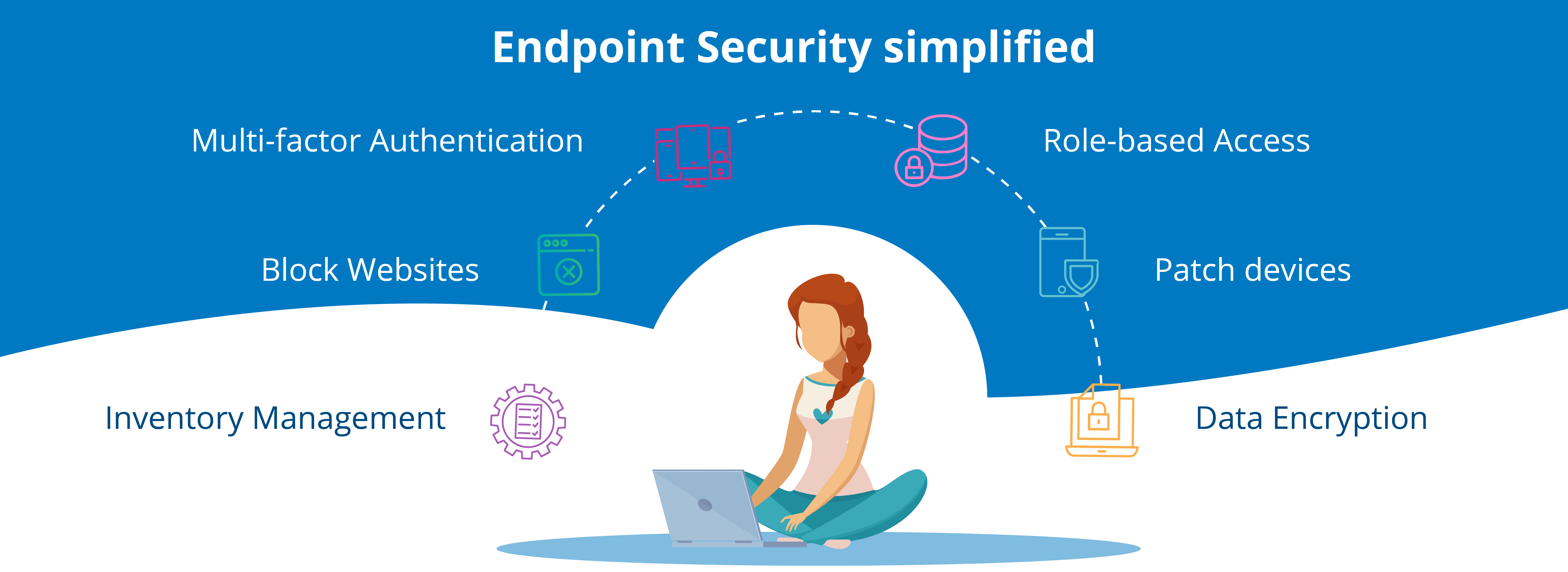
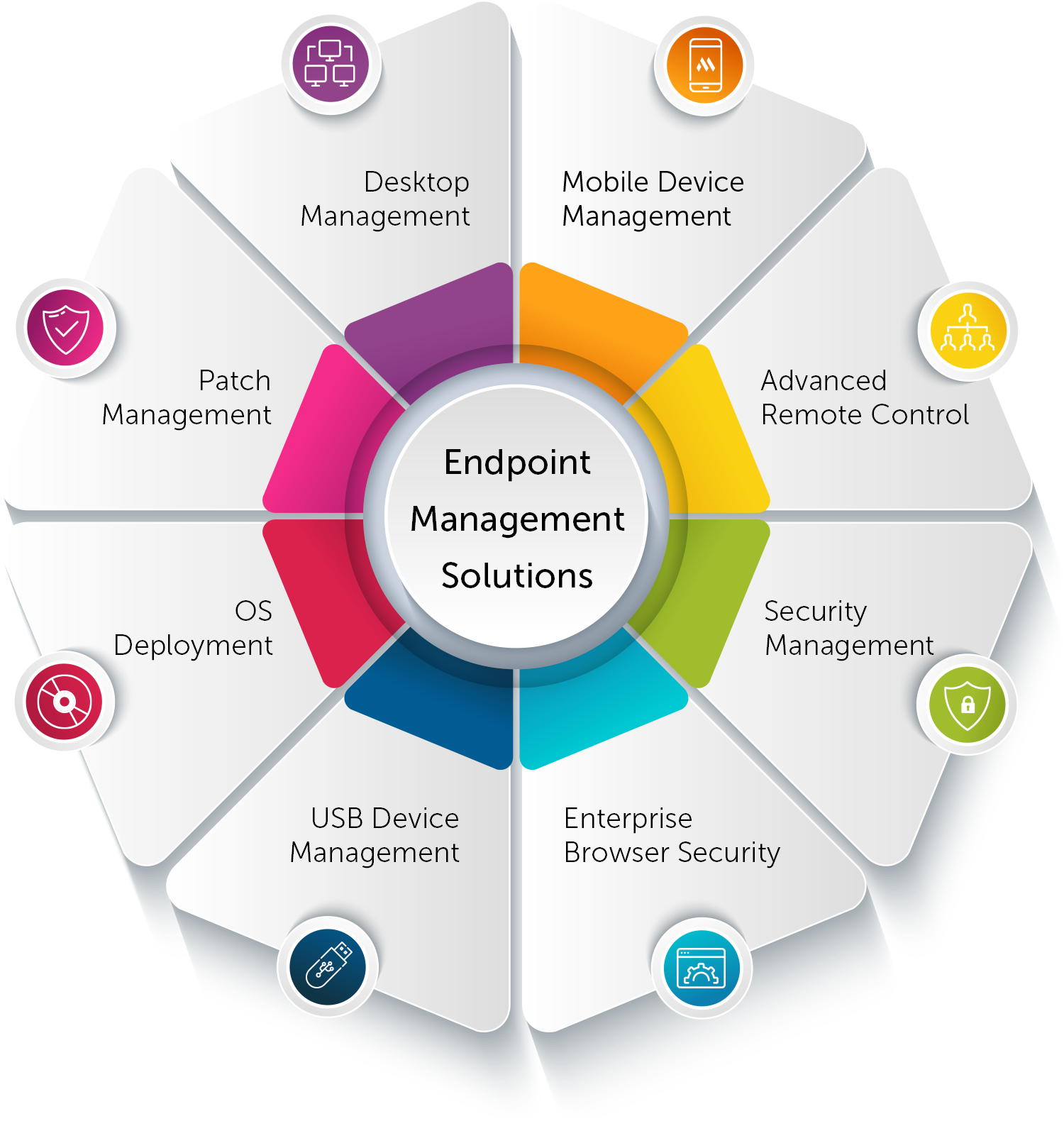
Endpoints are often compromised through physical means or unauthorized software. Device control allows administrators to restrict the use of USB drives, external hard drives, and Bluetooth devices, which are common vectors for data exfiltration and malware delivery. Application control, or "allow-listing," ensures that only verified, cryptographically signed applications can run on the system, effectively neutralizing unauthorized or "shadow IT" software.
3. Vulnerability and Patch Management
A significant portion of cyberattacks exploit known vulnerabilities in software like web browsers, office suites, or operating systems. Integrating vulnerability management into endpoint protection allows IT teams to see which devices are running outdated software and deploy patches directly through the security console. This reduces the "mean time to patch" (MTTP), closing the window of opportunity for attackers.
4. Data Loss Prevention (DLP) and Encryption
Endpoint protection must also safeguard the data residing on the device. Data Loss Prevention (DLP) modules monitor for the unauthorized transfer of sensitive information, such as social security numbers, credit card data, or intellectual property. Combined with Full Disk Encryption (FDE), which renders data unreadable if a device is lost or stolen, these tools ensure that the endpoint remains a secure repository for corporate assets.
Comparison of Endpoint Security Architectures
To help organizations choose the right level of protection, it is helpful to compare the different frameworks available in 2026.
| Feature | EPP (Protection) | EDR (Response) | XDR (Extended) |
|---|---|---|---|
| Primary Goal | Prevent known and unknown threats. | Detect and investigate active breaches. | Cross-platform visibility (Cloud, Email, Network). |
| Detection Method | NGAV, Heuristics, ML. | Telemetry analysis, IoC hunting. | Correlated data from multiple security layers. |
| Response Capability | Automatic blocking/quarantine. | Forensic analysis and isolation. | Automated multi-stage orchestration. |
| Best For | Baseline hygiene and prevention. | Deep forensic and IR teams. | Organizations with complex, hybrid environments. |
| Complexity | Moderate; often "set and forget." | High; requires active monitoring. | High; requires integration expertise. |
Implementation and Deployment Strategies
Deploying endpoint protection is a strategic process that requires careful planning to avoid disrupting business operations. In 2026, cloud-native deployment is the standard, allowing for real-time updates and management regardless of where the device is located.
Phase 1: Environment Assessment and Inventory
Before installing software, you must know what you are protecting. This involves a full audit of all endpoints, including "headless" devices like printers and IoT sensors. Many modern endpoint solutions include an "unmanaged device discovery" feature that scans the network for hidden assets.
Phase 2: Pilot Testing and Tuning
Endpoint protection can be resource-intensive. It is essential to run a pilot program on a representative sample of devices to monitor for performance lag or "false positives"—legitimate software that the security tool incorrectly identifies as malicious. Tuning the AI models during this phase ensures that the software provides maximum protection without hindering employee productivity.
Phase 3: Phased Rollout
A phased rollout allows the IT team to address issues in small batches. Typically, deployment starts with non-critical systems before moving to high-value targets like executive laptops and database servers. Modern tools utilize "agentless" or "lightweight agent" architectures to minimize the impact on system boot times and memory usage.
Common Challenges and Troubleshooting
Even the best endpoint protection software can encounter issues. Understanding these challenges is key to maintaining a high security posture.
- Agent Health Issues: Occasionally, the endpoint agent may become corrupted or stop communicating with the central console. Monitoring "agent health" status is a daily task for security administrators.
- Compatibility Conflicts: Some legacy business applications may conflict with the deep-system monitoring of an EDR. In these cases, specific "exclusions" must be configured to allow the application to function while still monitoring the surrounding system for suspicious activity.
- Alert Fatigue: EDR tools can generate hundreds of alerts per day. To combat this, organizations should utilize automated "alert grouping" and prioritize incidents based on the MITRE ATT&CK Framework, which categorizes threats based on real-world adversary tactics and techniques.
Why 2026 Demands a Zero-Trust Approach
The concept of a "trusted network" is dead. In 2026, endpoint protection is the primary enforcement point for Zero Trust Architecture (ZTA). This means that every time a device attempts to access a resource, its "security posture" is evaluated. If the endpoint protection software detects that the device has an unpatched vulnerability or that its disk encryption is disabled, access is denied until the issue is remediated.
This integration ensures that the endpoint is not just a siloed box but a dynamic participant in the organization's overall security identity. For more information on federal standards for endpoint security, the National Institute of Standards and Technology (NIST) provides comprehensive guidelines on securing enterprise endpoints.
Frequently Asked Questions
Does endpoint protection replace the need for a network firewall?
No, endpoint protection and network firewalls serve different purposes. While a firewall monitors traffic entering and exiting the network, endpoint protection monitors what happens on the device itself. In 2026, both are necessary to provide a defense-in-depth strategy, especially since many employees work outside the traditional network perimeter where a corporate firewall cannot protect them.
How much does enterprise-grade endpoint protection cost in 2026?
Pricing typically follows a SaaS (Software as a Service) model, ranging from $4 to $12 per endpoint per month. The cost varies based on whether you choose a basic EPP or a full XDR suite with managed MDR services. Many vendors offer volume discounts and multi-year contracts that can significantly reduce the per-seat price.
Can endpoint protection secure mobile devices and tablets?
Yes, modern endpoint protection essentials include Mobile Threat Defense (MTD). These tools provide similar protections for iOS and Android devices, including scanning for malicious apps, detecting "jailbreaking" or "rooting," and ensuring that the device's operating system is up to date.
What is the impact of endpoint software on device performance?
In the past, security software was notorious for slowing down computers. However, 2026-era agents are designed to be "lightweight," offloading much of the heavy computational analysis to the cloud. Most users will not notice a performance impact during standard operations, as the software only uses significant CPU power when a suspicious event is actively being analyzed.
How does endpoint protection handle offline devices?
A critical essential of modern software is its ability to protect devices even when they are not connected to the internet. Local machine learning models and pre-configured behavioral rules allow the agent to detect and block threats in real-time. Once the device reconnects to the network, it uploads its logs to the central console for analysis and synchronization.
Recommendation for Next Actions
To effectively implement endpoint protection software essentials, organizations should first conduct a gap analysis of their current security posture. Evaluate whether your existing tools provide enough visibility into fileless attacks and lateral movement. If you are still relying on legacy antivirus, the immediate next step is to transition to an EDR-capable platform.
Begin by requesting a Proof of Concept (PoC) from a top-tier vendor, focusing on their ability to integrate with your existing identity management and cloud services. Prioritize solutions that offer automated remediation to reduce the burden on your internal IT staff. For ongoing updates on emerging threats, regularly consult the Cybersecurity & Infrastructure Security Agency (CISA) for alerts and best practices.
Image Gallery