Why the Toilet Cassette Beats a Traditional RV Bathroom
A cassette toilet beats a traditional RV bathroom by providing unmatched mobility and dumping flexibility. Unlike fixed black water tanks that require specialized sewer stations, cassette tanks are removable and can be emptied into any...
A cassette toilet beats a traditional RV bathroom by providing unmatched mobility and dumping flexibility. Unlike fixed black water tanks that require specialized sewer stations, cassette tanks are removable and can be emptied into any standard residential toilet. This eliminates long dump-station lines, simplifies cold-weather maintenance, and reduces the vehicle's overall weight and complexity.
Contents
As we navigate the RV landscape in 2026, the shift toward smaller, more agile adventure vehicles has brought the debate between cassette toilets and traditional black water systems to the forefront. While North American RVs have historically relied on massive, under-chassis holding tanks, the European-style cassette toilet has gained significant ground. The preference for cassettes is not merely a trend; it is a response to the changing ways people travel—prioritizing off-grid autonomy and ease of maintenance over sheer holding capacity.
The Anatomy of Waste Management: Cassette vs. Traditional
To understand why the cassette system is superior for most modern travelers, we must first define the technical differences. A traditional RV bathroom utilizes a large, permanent black water tank mounted underneath the vehicle. This tank typically holds between 20 and 60 gallons of waste. Emptying it requires a heavy-duty sewer hose (often called a "stinky slinky"), a dedicated dump station with a ground-level inlet, and a specific sequence of opening valves and flushing lines.
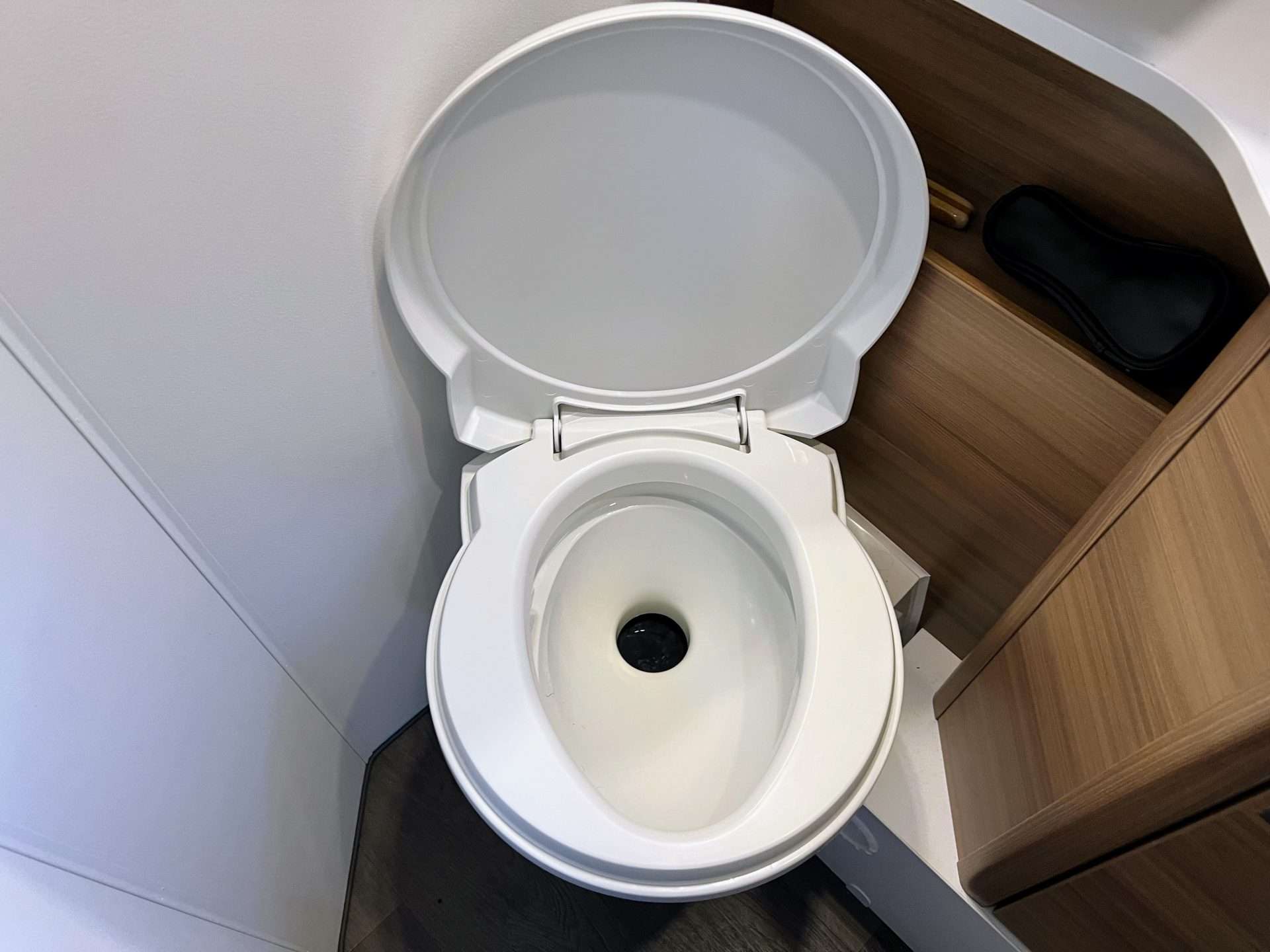
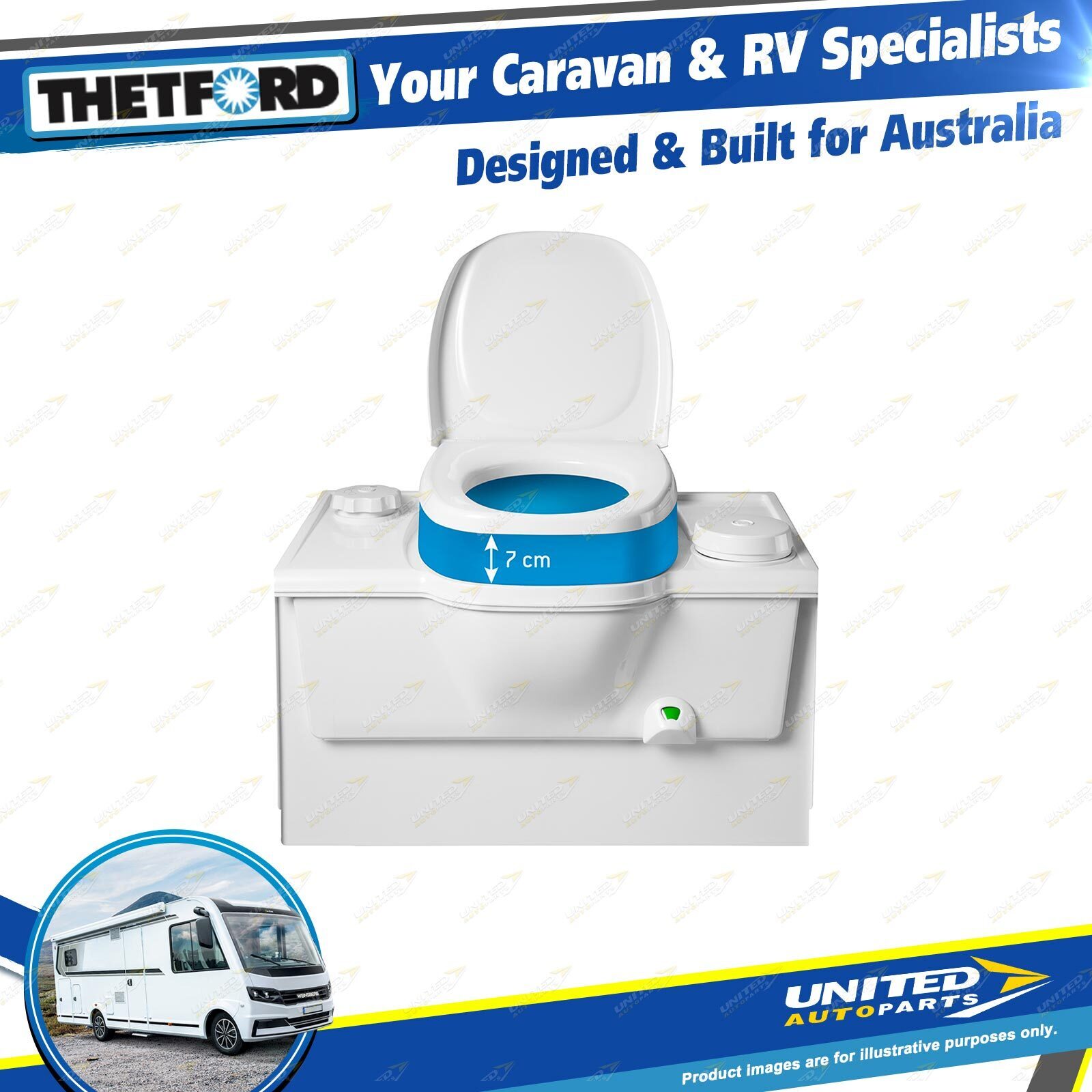
In contrast, a cassette toilet consists of a toilet bowl permanently installed over a small, removable waste tank, usually holding about 4.5 to 5.2 gallons (17 to 20 liters). When the tank is full, you access an exterior hatch, slide the "cassette" out like a suitcase—often equipped with wheels and a pull handle—and carry it to any disposal point.
1. Unmatched Disposal Flexibility
The primary reason the cassette toilet wins is the "anywhere disposal" factor. If you are using a traditional black water system, you are tethered to infrastructure. You must find an RV park, a truck stop, or a rest area with a dedicated RV dump station. In peak travel seasons in 2026, these stations often have long queues, and some remote areas may not have a functional dump station for hundreds of miles.
With a cassette toilet, your options expand exponentially:
- Residential Toilets: You can carry the cassette into a standard bathroom at a gas station, a trailhead, or even your own home.
- Vault Toilets: In National Parks and BLM (Bureau of Land Management) land, vault toilets are common but do not accommodate sewer hoses. A cassette can be emptied directly into these pits.
- Port-a-Potties: If you are at a festival or a remote event, a cassette can be emptied into a temporary portable toilet.
This flexibility removes "dump station anxiety," allowing travelers to stay off-grid longer without planning their route around sewage infrastructure.
2. Simplicity and Reduced Mechanical Failure
Traditional RV plumbing is a complex web of pipes, gate valves, and sensors. The black water tank is a frequent point of failure. Valves can become stuck, seals can dry out and leak, and the sensors—intended to tell you how full the tank is—are notoriously unreliable because toilet paper and solid waste often coat the probes, giving false "full" readings.
The cassette toilet simplifies this entire process. Because the tank is removable, the "sensor" is often a simple mechanical float or a direct sightline through the pour spout. There are no long runs of plumbing underneath the vehicle that can be punctured by road debris or shake loose on washboard gravel roads. If a seal on a cassette toilet fails, you can simply pull the unit out and replace it on a workbench, or even buy a brand-new cassette for a few hundred dollars—a much cheaper and easier fix than dropping a 40-gallon chassis tank for repairs.
3. Superior Winterization and Four-Season Capability
For those who enjoy winter camping or live in cold climates, the cassette toilet is a clear winner. Traditional black water tanks are exposed to the elements under the RV. Even with "tank heaters," the external drain pipes and valves are prone to freezing, which can lead to catastrophic cracks or the inability to dump waste until the spring thaw.
Because a cassette toilet sits inside the insulated envelope of the vehicle, it is much less likely to freeze. Even in extreme sub-zero temperatures, if the waste were to freeze, the user can simply remove the cassette and bring it into a heated building to thaw before dumping. This makes the cassette system the gold standard for ski vans and four-season overlanding rigs.
4. Weight Savings and Vehicle Payload
In the world of RVing, weight is everything. A traditional 40-gallon black water tank, when full, adds approximately 330 pounds (150 kg) of weight to the vehicle. This weight is often positioned low but can shift significantly while driving, affecting the center of gravity and handling.
A cassette toilet limits the onboard waste weight to roughly 40 pounds. By encouraging more frequent dumping—which is easier to do because you don't need a dump station—you keep the vehicle's overall weight lower. For Class B campervans and small trailers where payload capacity is limited, this weight reduction can be the difference between being within legal limits or being dangerously overloaded.
Comparison Table: Cassette vs. Traditional Systems
| Feature | Cassette Toilet | Traditional Black Water Tank |
|---|---|---|
| Average Capacity | 4.5 – 5.2 Gallons | 20 – 60 Gallons |
| Emptying Method | Manual carry/roll to any toilet | Sewer hose to RV dump station |
| Weight (Full) | ~45 lbs | 160 – 500+ lbs |
| Winter Reliability | High (contained within vehicle) | Low (exposed plumbing prone to freezing) |
| Maintenance | User-serviceable, easy to replace | Complex, requires under-vehicle work |
| Off-Grid Suitability | Excellent (use vault toilets) | Limited (requires specific infrastructure) |
| Odor Management | Sealed unit, localized | Vent stacks required, potential for "burping" |
5. Odor Control and Hygiene
A common misconception is that a smaller tank smells more. In reality, the cassette toilet often provides better odor control. Most cassettes use a high-quality rubber seal and a blade valve that remains airtight. Because the tank is emptied more frequently (every 2–4 days), waste does not have the opportunity to sit and ferment for weeks, as it might in a large black water tank.
Furthermore, the dumping process is arguably more hygienic. While the idea of "carrying" waste sounds unpleasant, modern cassettes are designed with a rotating pour spout and a pressure-release vent button. This allows for a smooth, splash-free pour. There is no mess of a "stinky slinky" hose that must be rinsed, collapsed, and stored in a compartment—often dripping residual waste in the process.
6. Solving the "Poop Pyramid"
Traditional RV tanks are susceptible to a phenomenon known as the "poop pyramid." This occurs when there isn't enough liquid in the tank to break down solids, causing a mound of waste to build up directly under the toilet inlet. This can eventually block the toilet entirely and is a nightmare to clean.
Because a cassette toilet is much shallower and is emptied frequently, the "poop pyramid" is virtually impossible. The manual agitation that occurs when you pull the cassette out and walk or roll it to the bathroom also helps break down solids and ensures that the tank empties completely every time.
The Context of 2026: The Rise of Micro-Infrastructure
As of 2026, the trend in outdoor hospitality is shifting toward "micro-infrastructure." Private landowners and smaller campgrounds are less likely to invest the tens of thousands of dollars required to install a full septic system and RV dump station. However, almost every site has a standard toilet. By choosing a cassette system, you ensure that your vehicle is compatible with the widest range of destinations, from high-end glamping sites to rugged, primitive spots.
4–6 Frequently Asked Questions
Does a cassette toilet require special chemicals? Yes, like any RV toilet, it requires breakdown chemicals to manage odor and liquefy waste. However, since 2024, there has been a significant move toward enzyme-based and biodegradable pods that are safer for septic systems and the environment. Because the cassette is smaller, you use less chemical per fill compared to a massive traditional tank.
How often do you have to empty a cassette toilet? For two adults, a standard 5-gallon cassette typically lasts 2 to 3 days. While this is more frequent than a 40-gallon tank, the ease of emptying it into any standard toilet makes this a minor inconvenience compared to the hassle of finding a dedicated dump station every two weeks.
Can you use regular toilet paper in a cassette toilet? It is highly recommended to use rapid-dissolve RV-specific toilet paper or high-quality single-ply paper. Because the cassette has a smaller opening and limited volume, heavy multi-ply papers can cause clogs or make the emptying process more difficult.
Is it heavy to carry the cassette when full? A full 5-gallon cassette weighs approximately 45 pounds. Most modern units from brands like Thetford or Dometic include integrated wheels and a telescopic handle, allowing you to roll it like a piece of luggage. You only need to lift it briefly to place it over the toilet for emptying.
Can I convert my traditional RV bathroom to a cassette system? While possible, it is a significant renovation. It requires removing the existing black tank, sealing the floor, and installing an exterior access door for the cassette. Many owners find it more practical to use a portable toilet (which functions similarly) or choose a vehicle factory-equipped with a cassette system.
Final Recommendation
If you are a solo traveler, a couple, or a "van lifer" who values freedom, winter capability, and the ability to travel without constant logistical planning, the cassette toilet is the superior choice. Its ability to interface with standard residential infrastructure makes it a future-proof solution in an increasingly crowded RV world. While large families staying in one spot for weeks may still prefer the high capacity of a traditional black tank, the cassette remains the gold standard for the modern, mobile adventurer.
Image Gallery