The History of the Tonga Room: San Francisco’s Iconic Tiki Landmark
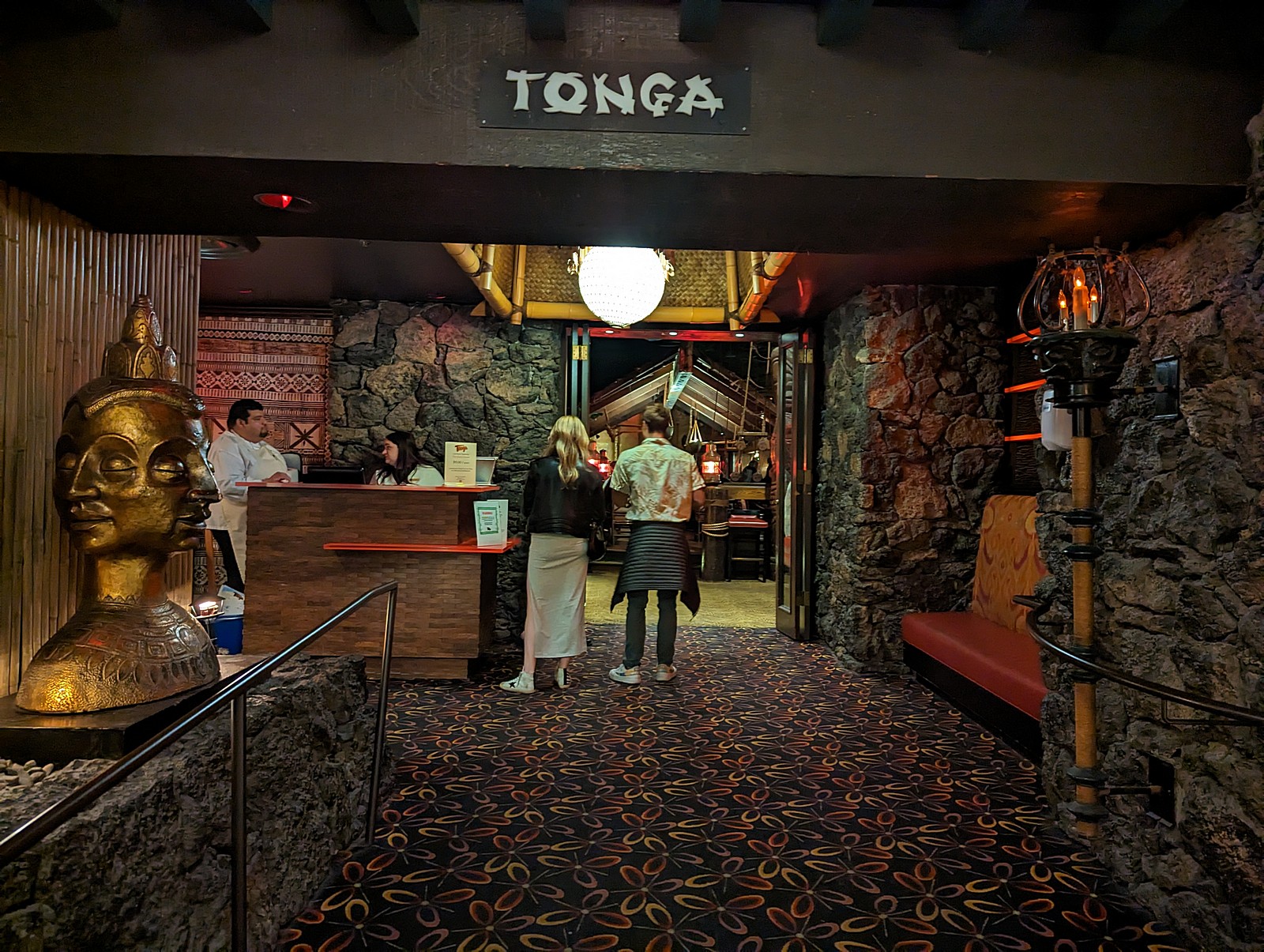
The history of the Tonga Room is a decades-long evolution from a high-society indoor swimming pool to one of the world’s most famous examples of Tiki culture. Located in the Fairmont San Francisco, it has survived changing tastes and d...
The history of the Tonga Room is a decades-long evolution from a high-society indoor swimming pool to one of the world’s most famous examples of Tiki culture. Located in the Fairmont San Francisco, it has survived changing tastes and development threats to remain a premier destination for mid-century tropical kitsch and nautical engineering.
Contents
From the Terrace Plunge to Tropical Paradise (1929–1945)
Before the Tonga Room became a sanctuary for Mai Tais and simulated rainstorms, it was a centerpiece of elite San Francisco fitness and socializing. In 1929, the Fairmont Hotel opened the Terrace Plunge, an indoor swimming pool measuring 75 feet in length. Designed during the height of the Jazz Age, the pool was a luxury amenity for hotel guests and local socialites, featuring ornate tiling and a grand atmosphere consistent with the Nob Hill aesthetic.
The Terrace Plunge was more than just a pool; it was a stage for aquatic performances and celebrity sightings. During the 1930s and early 1940s, it hosted legendary figures such as Ronald Reagan and Helen Hayes. However, as the United States emerged from World War II, the cultural landscape began to shift. Soldiers returning from the South Pacific brought back stories and aesthetics from the islands, sparking a national fascination with "Polynesian Pop" or Tiki culture.
In 1945, the Fairmont's management decided to capitalize on this growing trend. They hired Mel Melvin, a leading set designer from Metro-Goldwyn-Mayer (MGM) studios, to transform the Terrace Plunge into a themed restaurant and bar. Melvin’s background in Hollywood production was pivotal; he didn't just design a room, he designed an immersive experience that utilized the existing infrastructure of the pool in a way that had never been seen before.
The Mel Melvin Era: Designing a Tiki Legend
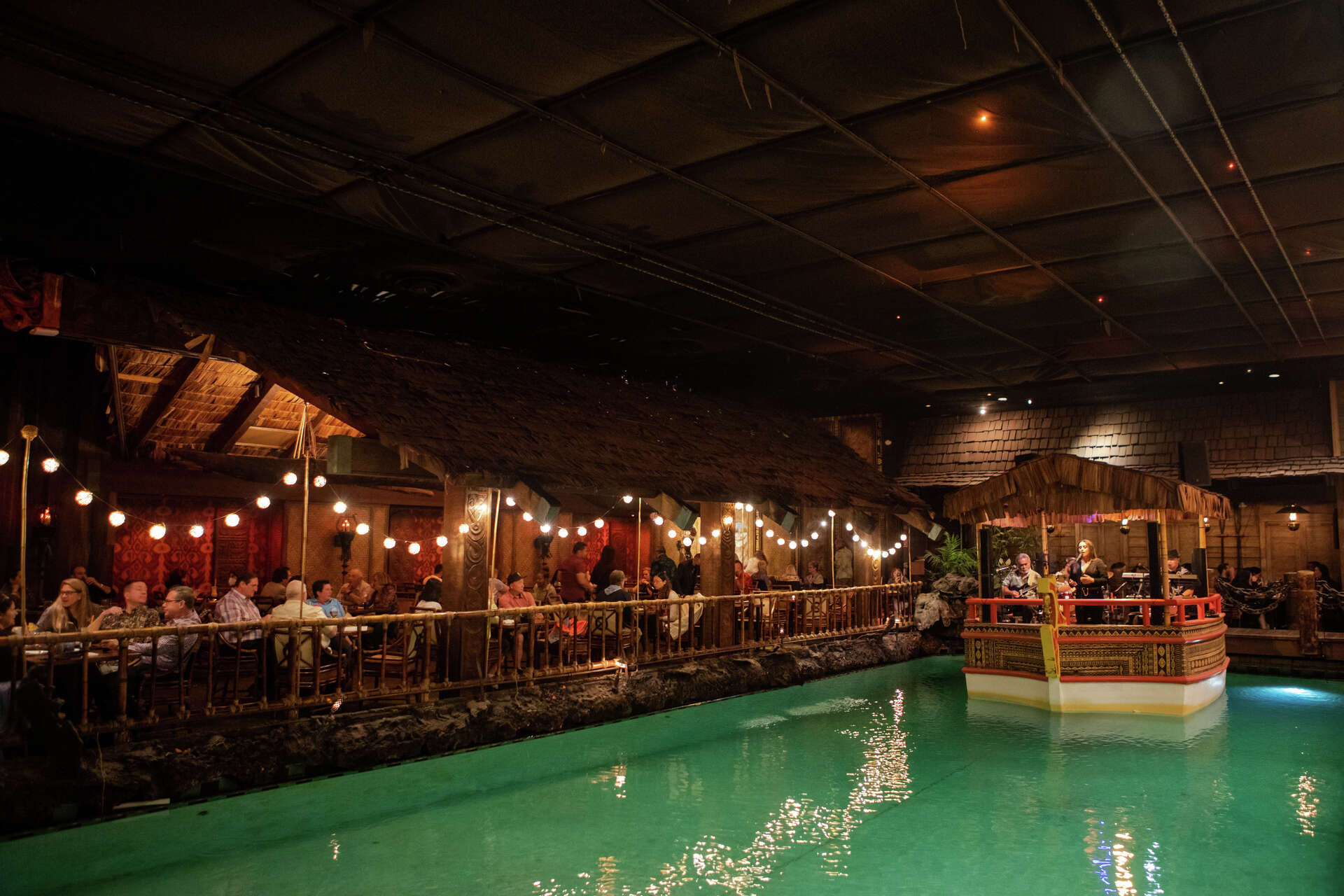
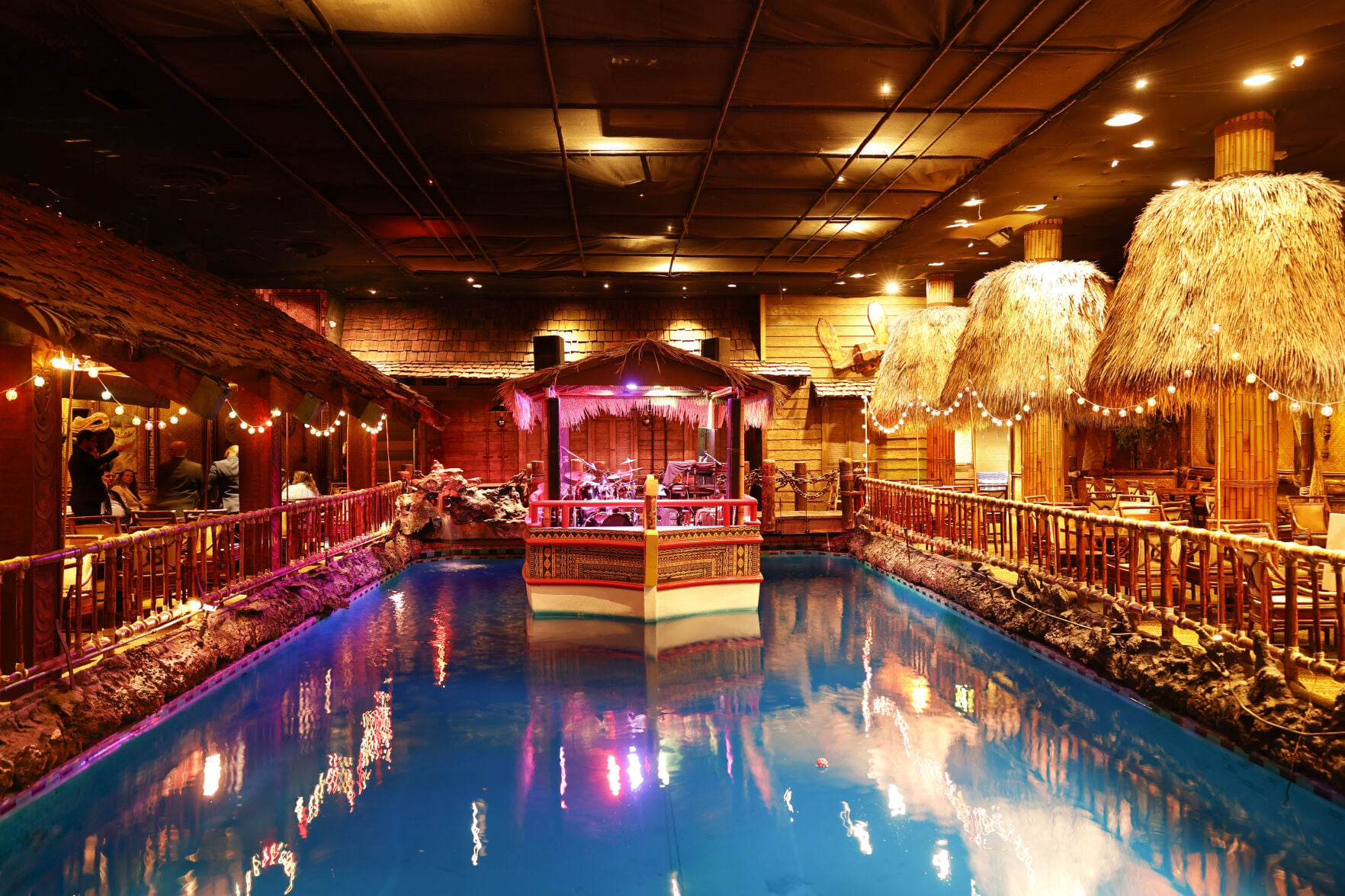
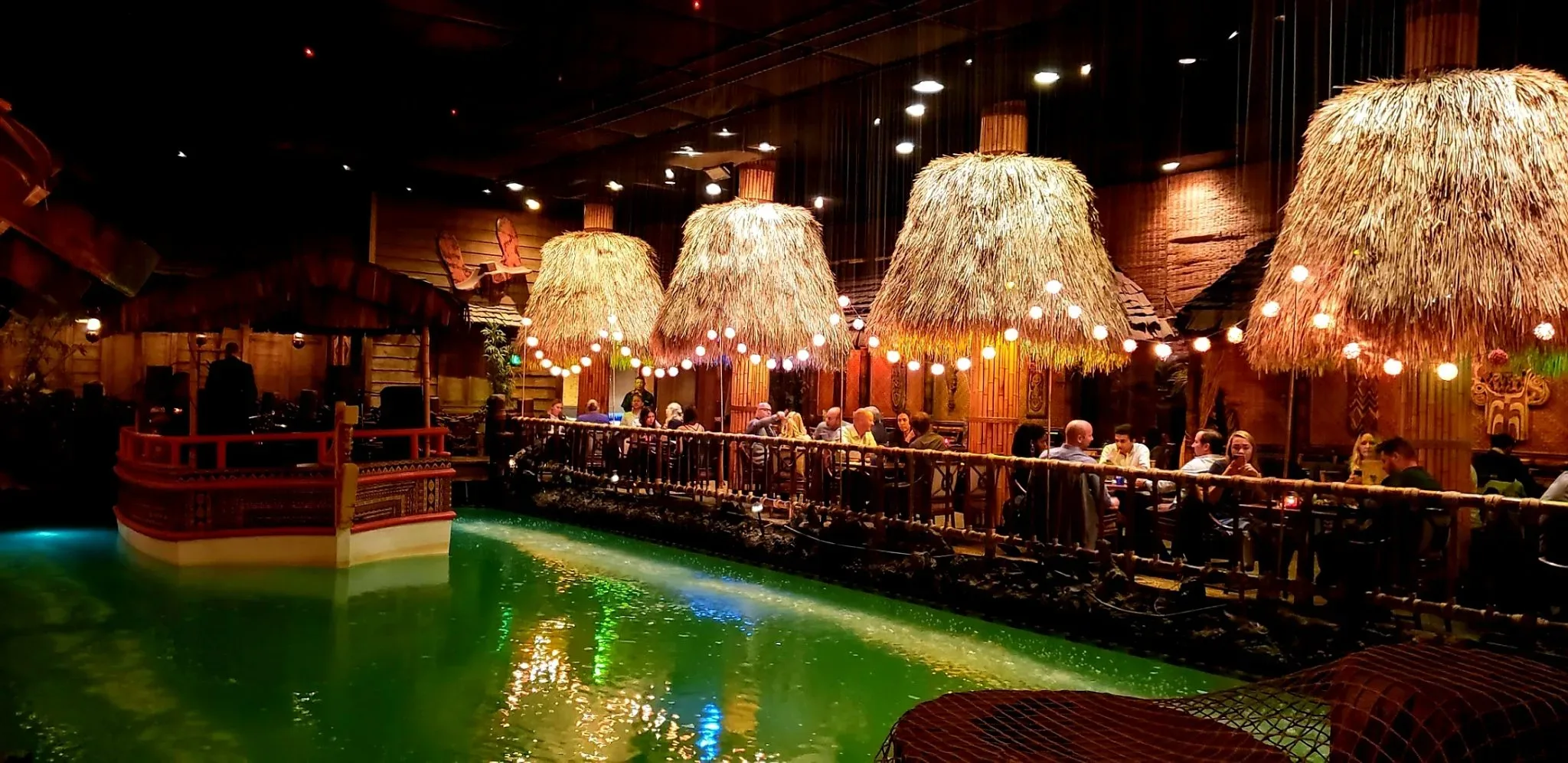
The transformation of the Terrace Plunge into the Tonga Room was a masterclass in mid-century adaptive reuse. Instead of filling in the massive 1929 swimming pool, Melvin decided to keep it as the central feature of the room. He reimagined the pool as a "lagoon," surrounding it with bamboo, thatch, and intricate nautical decor.
The most ambitious part of Melvin’s design was the S.S. Tonga. He acquired the remains of a real lumber schooner that had once sailed the Pacific and used its wood to build a floating stage. This stage was set atop the lagoon, allowing musicians to perform while floating on the water. This architectural choice remains one of the most distinctive features of the room to this day.
Melvin also incorporated elements of "adventure" that were becoming hallmarks of the Tiki movement. This included the installation of a sophisticated irrigation and lighting system designed to simulate a tropical rainstorm. Every thirty minutes, the lights would dim, thunder would crash through the sound system, and water would pour from the ceiling into the lagoon, creating an indoor monsoon that delighted guests and cemented the Tonga Room’s reputation as a theatrical masterpiece.
The Peak of Tiki Culture and the 1967 Remodel
As Tiki culture reached its zenith in the 1950s and 60s, the Tonga Room became a mandatory stop for San Francisco’s "Who’s Who." The venue perfectly captured the escapism of the era. The drink menu, heavily influenced by the legendary "Trader Vic" Bergeron and Don the Beachcomber, focused on complex rum-based cocktails served in elaborate ceramic mugs.
In 1967, the Tonga Room underwent a major renovation to further enhance its "South Seas" atmosphere. During this period, more authentic Polynesian artifacts were added, including hand-carved Tikis and tapa cloths. The Fairmont also leaned into the Pacific Rim culinary trend, evolving the menu from standard hotel fare to a fusion of Cantonese and Polynesian flavors.
During this "Golden Age," the Tonga Room served as a cultural bridge. While it was inherently a Hollywood-ized version of Pacific Islander culture, it provided a platform for live entertainment and showcased an aesthetic that was radically different from the stiff, formal dining rooms found elsewhere in the city. The floating stage hosted various bands, most notably The Island Grooves, who became synonymous with the venue’s nightly dance sets.
The Decline and Preservation Crisis
By the late 1970s and 1980s, Tiki culture began to fade. What was once seen as exotic and sophisticated started to feel dated and "kitsch" in a pejorative sense. Many iconic Tiki bars across the United States were demolished or rebranded as sleek, modern lounges. The Tonga Room entered a period of relative neglect, where its aging infrastructure began to show, and it struggled to attract the same high-society crowd that had frequented it during the post-war boom.
The most significant threat to the Tonga Room’s existence came in 2009. The owners of the Fairmont Hotel at the time proposed a $450 million renovation project that included the construction of a new residential tower. The plans called for the demolition of the Tonga Room to make way for luxury condominiums and a more "contemporary" ballroom space.
This announcement sparked an unprecedented backlash from both locals and Tiki enthusiasts worldwide. Preservationists argued that the Tonga Room was a rare, intact example of high-style Tiki design and a vital piece of San Francisco’s mid-century history. Organizations like the San Francisco Heritage and the National Trust for Historic Preservation became involved, emphasizing that the room’s MGM-designed heritage was irreplaceable.
A Legacy Preserved: The Modern Renaissance
The public outcry and the subsequent legal battles were successful. In 2010, the San Francisco Planning Commission and the Board of Supervisors faced immense pressure to protect the site. While the Fairmont’s renovation plans eventually moved forward in a modified form, the Tonga Room was spared.
In recognition of its cultural importance, the Tonga Room was eventually added to San Francisco’s Legacy Business Registry. This designation is reserved for long-standing, community-serving establishments that are considered "soul of the city" landmarks. It provides the venue with certain protections and grants to ensure its continued operation.
In the years leading up to 2026, the Tonga Room has enjoyed a massive resurgence. The modern "Craft Tiki" movement, which emphasizes high-quality ingredients and historical accuracy in cocktails, has brought a new generation of enthusiasts to Nob Hill. The Fairmont has responded by meticulously maintaining the original Mel Melvin design while updating the equipment behind the scenes to ensure the "Hurricane" remains as impressive today as it was in 1945.
Comparison of the Tonga Room’s Historical Eras
| Feature | Terrace Plunge Era (1929-1944) | The Golden Age (1945-1970s) | The Modern Era (2010-2026) |
|---|---|---|---|
| Primary Use | Luxury Indoor Swimming Pool | Tiki Restaurant & Nightclub | Historic Landmark & Craft Bar |
| Key Architect/Designer | Weeks and Day | Mel Melvin (MGM Designer) | Preservation & Restoration Teams |
| Atmosphere | Formal, Neoclassical | Tropical Escapism, Theatrical | Nostalgic, Heritage, High-Energy |
| Central Water Feature | Functional Swimming Pool | Floating Stage (S.S. Tonga) | Lagoon with "Hurricane" Effects |
| Signature Menu Item | High Tea / Standard Fare | Mai Tais & Scorpion Bowls | Craft Rum Cocktails & Asian Fusion |
| Cultural Status | Socialite Fitness Hub | Hollywood-Style Kitschness | Legacy Business / Cult Icon |
Technical and Operational Engineering
The enduring appeal of the Tonga Room is not just aesthetic; it is a feat of 1940s engineering that continues to function in 2026. Maintaining a 75-foot "lagoon" inside a luxury hotel presents unique challenges.
- The Rain System: The simulated thunderstorm is powered by a network of pipes hidden within the thatched ceiling. This system recirculates water from the lagoon, filtering it to prevent mineral buildup on the decor. The "lightning" is achieved through a coordinated sequence of strobe lights and dimmers that are synced with the audio track of rolling thunder.
- The Floating Stage: The S.S. Tonga is not a static platform; it is buoyant. Its movement is subtle, but it adds to the immersive "at sea" feeling. The stage is tethered to underwater tracks that allow it to be moved for maintenance or to adjust its position relative to the audience.
- Climate Control: Managing the humidity levels in the Tonga Room is critical. Because of the open water and the rain effects, the room requires a specialized HVAC system to prevent mold and to ensure the comfort of diners, as the space naturally tends toward a tropical warmth.
Cultural Influence Beyond the Fairmont
The Tonga Room has influenced more than just San Francisco’s nightlife. It is frequently cited by anthropologists and architectural historians as a prime example of "Programmatic Architecture"—where a building or room is designed to look like something it is not (in this case, a South Seas lagoon).
It has appeared in numerous films, television shows, and travelogues, including Anthony Bourdain's No Reservations, where the late chef famously declared it "the greatest place in the history of the world." Its survival has inspired the preservation of other Tiki landmarks across the United States, such as the Mai-Kai in Florida and Trader Vic’s locations globally.
FAQs About the Tonga Room’s History
Why was it called the "Tonga Room"?
The name was chosen to evoke the Kingdom of Tonga in the South Pacific. During the post-WWII era, exotic-sounding names of Pacific island chains were used to signal a sense of adventure and distance from the mundane reality of American life. It was a branding choice designed to transport guests to a different world.
Is the water in the lagoon original to the 1929 pool?
The water is constantly filtered and replaced, but the basin itself is the original 1929 Terrace Plunge pool. The depth was significantly reduced during the 1945 conversion for safety and insurance reasons, but the footprint remains identical to the luxury pool where Hollywood stars once swam.
Who designed the original "Hurricane" effect?
The effect was part of Mel Melvin’s original 1945 design. As a set designer for MGM, Melvin was accustomed to creating special effects for the silver screen. He applied these cinematic techniques to the restaurant, using mechanical pumps and theatrical lighting to create a "live" movie set environment.
Did the Tonga Room ever close?
The Tonga Room has had periods of limited operation, particularly during hotel renovations or the global pandemic of the early 2020s, but it has never permanently closed its doors since its opening in 1945. Its status as a Legacy Business now makes a permanent closure highly unlikely.
Is the S.S. Tonga a real boat?
Yes, the wood used for the floating stage was salvaged from the remains of the S.S. Tonga, a 19th-century schooner. By using authentic nautical materials rather than just props, the designers added a layer of historical weight to the otherwise whimsical decor.
What is the significance of the "Legacy Business" status?
Awarded by the city of San Francisco, this status recognizes that the Tonga Room is at least 30 years old and has contributed significantly to the neighborhood's history and identity. It provides the venue with a "heritage" brand that protects it from the typical pressures of commercial real estate development.
Recommendations for Experiencing the History
To truly appreciate the history of the Tonga Room, one should visit during the mid-week "Happy Hour" when the room is slightly less crowded, allowing for a better view of the architectural details. Pay close attention to the perimeter of the room, where original tapa cloth designs and hand-carved woodwork from the 1967 remodel are still visible.
When ordering, the 1944 Mai Tai is the recommended drink for history buffs, as it follows the original recipe that sparked the Tiki craze. While the venue is a bar and restaurant, it is best viewed as a living museum of American mid-century design. For those interested in the engineering, standing near the lagoon during the "rainstorm" provides the best view of how the 1945 plumbing and lighting systems continue to function in the modern day.
Image Gallery