Understanding the Use of 4x4 Film in Automotive Applications
4x4 film in automotive applications refers to specialized, heavy-duty protective and aesthetic films—often styled in distinctive grid, checkerboard, or multi-layered configurations—designed to safeguard vehicle body panels, windows, an...
4x4 film in automotive applications refers to specialized, heavy-duty protective and aesthetic films—often styled in distinctive grid, checkerboard, or multi-layered configurations—designed to safeguard vehicle body panels, windows, and interior surfaces against physical damage while offering a rugged aesthetic.
Contents
The modern automotive aftermarket and manufacturing sectors continually seek innovative materials to combat environmental degradation, road debris, and mechanical wear. Among these specialized solutions, specialized protective substrates and stylized overlays have carved out a distinct niche. Understanding the use of 4x4 film in automotive applications requires a deep dive into material science, installation methodologies, regulatory compliance, and practical performance trade-offs. Whether applied to off-road utility vehicles, luxury commuter cars, or commercial fleets, these films serve dual purposes: defense against environmental hazards and distinct stylistic customization.
The Evolution and Material Composition of Automotive Films
To comprehend how 4x4 film functions within modern vehicle architecture, one must first examine its underlying material science. Automotive-grade films have evolved from basic dyed window tints into sophisticated, multi-layered engineered thermoplastics.
Polyurethane and Polyvinyl Chloride (PVC) Bases
The backbone of modern protective films, including heavy-duty variants utilized in demanding environments, typically consists of aliphatic thermoplastic polyurethane (TPU) or specialized polyvinyl chloride (PVC). TPU is prized for its exceptional tensile strength, elongation capabilities, and elastic memory. When stretched over complex curves, TPU absorbs kinetic energy from flying gravel, sand, and minor impacts, preventing stone chips and deep scratches on underlying factory clear coats.
PVC-based films, while generally less elastic and durable than TPU, offer rigid structuring and dimensional stability. They are frequently deployed in textured, patterned, or thicker gauge formats—such as simulated 4x4 carbon fiber weaves, matte black tactical wraps, or rigid protective overlays. These materials undergo rigorous manufacturing processes, including casting or calendering, to ensure uniform thickness and consistent optical or visual clarity.
Multi-Layer Engineering
High-performance films are rarely single-layer sheets. They typically comprise several distinct functional strata:
- Release Liner: A disposable backing that protects the aggressive acrylic pressure-sensitive adhesive (PSA) prior to installation.
- Adhesive Layer: Engineered to bond securely to painted metal, glass, or plastic trim without chemically reacting with the clear coat or leaving intractable residue upon removal.
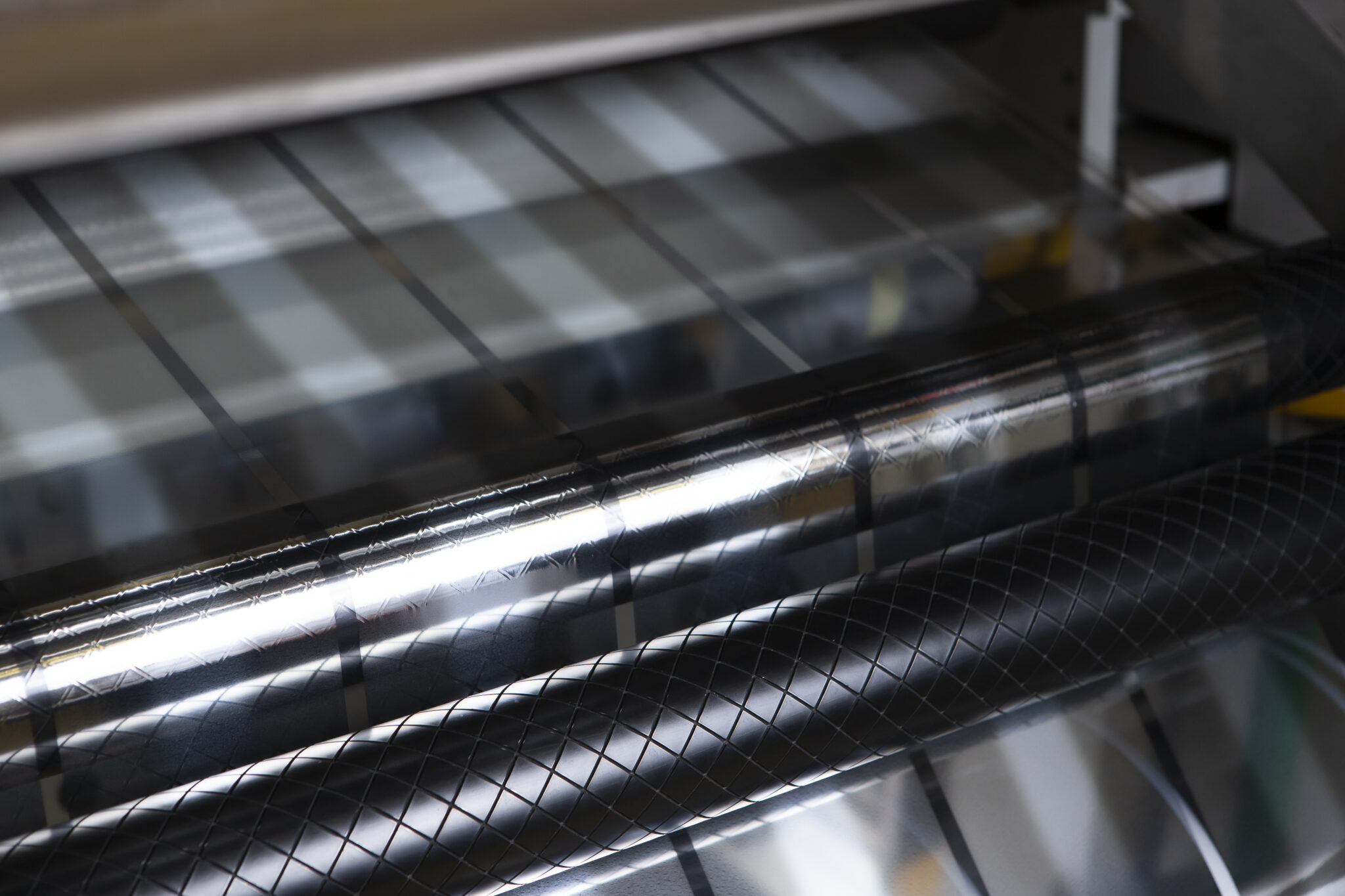
- Core Substrate: The primary TPU or PVC layer that provides mechanical strength, color pigmentation, or structural patterns (such as 4x4 grid textures).
- Topcoat: A critical final barrier, often infused with elastomeric polymers and UV inhibitors, designed to resist chemical etching, bird droppings, acid rain, and yellowing caused by solar radiation.
Primary Automotive Applications for Heavy-Duty and Patterned Films
The deployment of 4x4 film spans multiple zones of a vehicle, each requiring distinct mechanical properties and installation techniques.
Paint Protection and Body Armor
Off-road vehicles, adventure trucks, and rally cars frequently utilize thick, specialized protective films on high-impact zones. These areas include rocker panels, wheel arches, lower door panels, and the leading edge of the hood. A textured 4x4 film—often featuring a matte finish or a structural grid pattern—distributes the kinetic force of trail debris across a wider surface area. This reduces point-load stress on the automotive paint system, preventing chipping and substrate cracking.
Window Tinting and Glass Reinforcement
While traditional window films focus exclusively on thermal rejection and privacy, specialized safety films applied to automotive glass offer shatter resistance. In off-road and expedition contexts, side and rear windows are vulnerable to branch strikes, flying rocks, and cabin pressurization shifts. Thicker multi-layer safety films help hold fragmented glass together in the event of an impact, protecting occupants from lacerations and preventing trail debris from penetrating the cabin.
Interior Trim and Functional Accents
Cabin durability is equally critical in utility and performance applications. 4x4 textured films—such as those mimicking structural steel plates, heavy-duty weaves, or tactical grids—are frequently applied to center consoles, door sills, dashboard trim, and cargo areas. These surfaces endure constant friction from gear, boots, and tools. Protective films prevent scuffing, hide existing wear, and provide a non-slip tactile surface.
| Application Zone | Primary Material Type | Main Functional Benefit | Average Lifespan |
|---|---|---|---|
| Rocker Panels & Fenders | High-Gauge TPU / PVC | Stone chip and abrasion resistance | 5 to 7 years |
| Exterior Body Accents | Textured Cast Vinyl | Stylized aesthetics and minor scratch defense | 3 to 5 years |
| Cabin Interior Trims | Calibrated PVC Laminate | Anti-glare and wear mitigation | 5 to 8 years |
| Architectural Glass | Multi-Layer Polyester | Shatter containment and UV rejection | 7 to 10 years |
Installation Methodologies and Technical Prerequisites
Achieving professional-grade results with automotive films requires rigorous surface preparation, controlled environmental conditions, and specialized tooling. Improper installation leads to premature lifting, bubbling, contamination entrapment, and edge failure.
Surface Preparation and Decontamination
The lifespan of any automotive film is directly proportional to the cleanliness of the substrate. Technicians must execute a multi-step decontamination protocol:
- Wash and Strip: Thorough washing with a pH-neutral automotive shampoo, followed by an alkaline wash to strip old waxes, sealants, and road oils.
- Clay Bar Treatment: Mechanical removal of embedded ferrous fallout, overspray, and bonded particulate matter from paint or glass.
- Chemical Wipe-Down: Final cleansing using isopropyl alcohol (IPA) or specialized panel prep solvents to ensure zero residual oils or moisture on the bonding surface.
Environmental Control
Installation facilities must maintain stable ambient temperatures—typically between 68°F and 75°F (20°C to 24°C)—with controlled humidity. Excessive dust causes particle inclusion under the film, while extreme temperatures compromise adhesive tack and curing rates.
Application Techniques: Wet vs. Dry
- Wet Installation: Frequently used for thick protective films and window tints. A slip solution (water mixed with a surfactant or specialized mounting soap) is applied to both the adhesive and the vehicle surface. This allows the installer to position the film accurately before squeegeeing out the fluid.
- Dry Installation: Commonly utilized for cast vinyl wraps and patterned decorative films. The adhesive relies on air-release channels (micro-ducts) that allow trapped air bubbles to be smoothed out manually without fluid evacuation.
Cost Considerations and Economic Value
Investing in specialized automotive films involves balancing upfront expenditure against long-term asset preservation.
Pricing Factors
The cost of installing 4x4 film varies significantly based on several variables:
- Coverage Scope: Partial front-end protection, full-body wraps, or isolated interior accent panels.
- Material Complexity: Standard matte films versus multi-layered, structural, or patterned 4x4 composite films.
- Labor Intensity: Vehicles with intricate body lines, deep recesses, and complex curves require more hours of skilled labor.
Return on Investment (ROI)
For commercial fleets, off-road rental operations, and enthusiasts maintaining high-end specialty vehicles, protective films act as an economic safeguard. By preventing stone chips, clear coat degradation, and interior scratching, the film preserves the resale or trade-in value of the vehicle. Furthermore, avoiding professional paint correction or body panel repainting often offsets the initial film installation cost over the ownership lifecycle.
Operational Limitations and Maintenance Best Practices
While modern automotive films exhibit remarkable durability, they are not impervious to environmental stressors. Understanding their limitations ensures realistic expectations and maximizes longevity.
Known Limitations
- Edge Lifting: Areas subjected to constant high-pressure water washing or extreme friction can experience adhesive breakdown at the edges.
- Chemical Staining: Certain petroleum products, bug residues, and industrial fallouts left unattended can stain or etch the topcoat of porous or lower-quality films.
- Thermal Degradation: Prolonged exposure to intense ultraviolet radiation without proper maintenance can cause lower-grade PVC films to yellow, chalk, or become brittle.
Maintenance Guidelines
To maintain film integrity, vehicle owners should adhere to specific care protocols:
- Hand Washing: Utilize the two-bucket wash method with pH-balanced automotive shampoos. Avoid abrasive brushes and harsh automated car washes with spinning bristles.
- Pressure Washer Distance: Maintain a minimum nozzle distance of 3 feet (approx. 1 meter) from film edges when using high-pressure washers to prevent edge delamination.
- Sealant Application: Periodically apply film-safe ceramic coatings or specialized sealants designed for TPU/PVC substrates to enhance hydrophobic properties and UV defense.
Frequently Asked Questions
Can 4x4 film be applied over existing paint defects?
Film acts as a transparent or semi-translucent lens; it will amplify, rather than hide, existing paint imperfections, scratches, or stone chips. Comprehensive paint correction and surface leveling must be completed prior to installation to ensure a smooth, professional finish.
How does 4x4 film differ from standard vinyl wraps?
Standard color-change vinyl wraps are primarily designed for aesthetic transformation and offer minimal physical protection against road debris. In contrast, heavy-duty 4x4 films are engineered with high-tensile TPU or specialized thick-gauge laminates specifically designed to absorb kinetic impact and resist severe environmental abrasion.
Is professional removal required at the end of the film's lifecycle?
While DIY removal is possible with the aid of a professional heat gun and specialized adhesive removers, professional removal is strongly recommended. Technicians utilize controlled thermal management to strip the film without risking damage to the underlying factory clear coat or leaving heavy adhesive residue.
Will the film damage factory automotive paint upon removal?
High-quality automotive films featuring pressure-sensitive acrylic adhesives will not damage healthy, original factory paint when removed correctly within their rated lifespan. However, films applied over repainted panels or compromised clear coats carry a higher risk of paint lifting during removal.
Can ceramic coatings be applied over protective automotive films?
Yes. Many modern ceramic coatings are chemically formulated to bond effectively with TPU and PVC protective films. This combination enhances hydrophobic performance, simplifies routine cleaning, and provides an additional barrier against chemical etching.
Practical Next Steps and Recommendations
For vehicle owners considering the integration of 4x4 film into their automotive projects, the most critical initial step is defining the primary objective—whether prioritizing off-road stone chip defense, interior durability, or aggressive aesthetic styling. Consult with certified installation professionals who can inspect the vehicle substrate, recommend appropriate film gauges, and provide verifiable warranty documentation covering peeling, cracking, and yellowing. Always review manufacturer maintenance guidelines to ensure the longevity of your investment.
Image Gallery